

Whether you are recovering from knee surgery, nursing a sprained ankle, or managing chronic joint pain, compression ice wraps can be a game-changer. Cold compression therapy is the simultaneous application of cold temperature and external pressure to an injured area. Research published by the Journal of Athletic Training confirms that ice combined with compression reduces tissue temperatures more effectively than ice alone, giving you faster pain relief and less swelling. In this guide, we break down exactly why compression ice wraps work, who benefits most, and how to use them correctly.
How Cold Compression Therapy Works
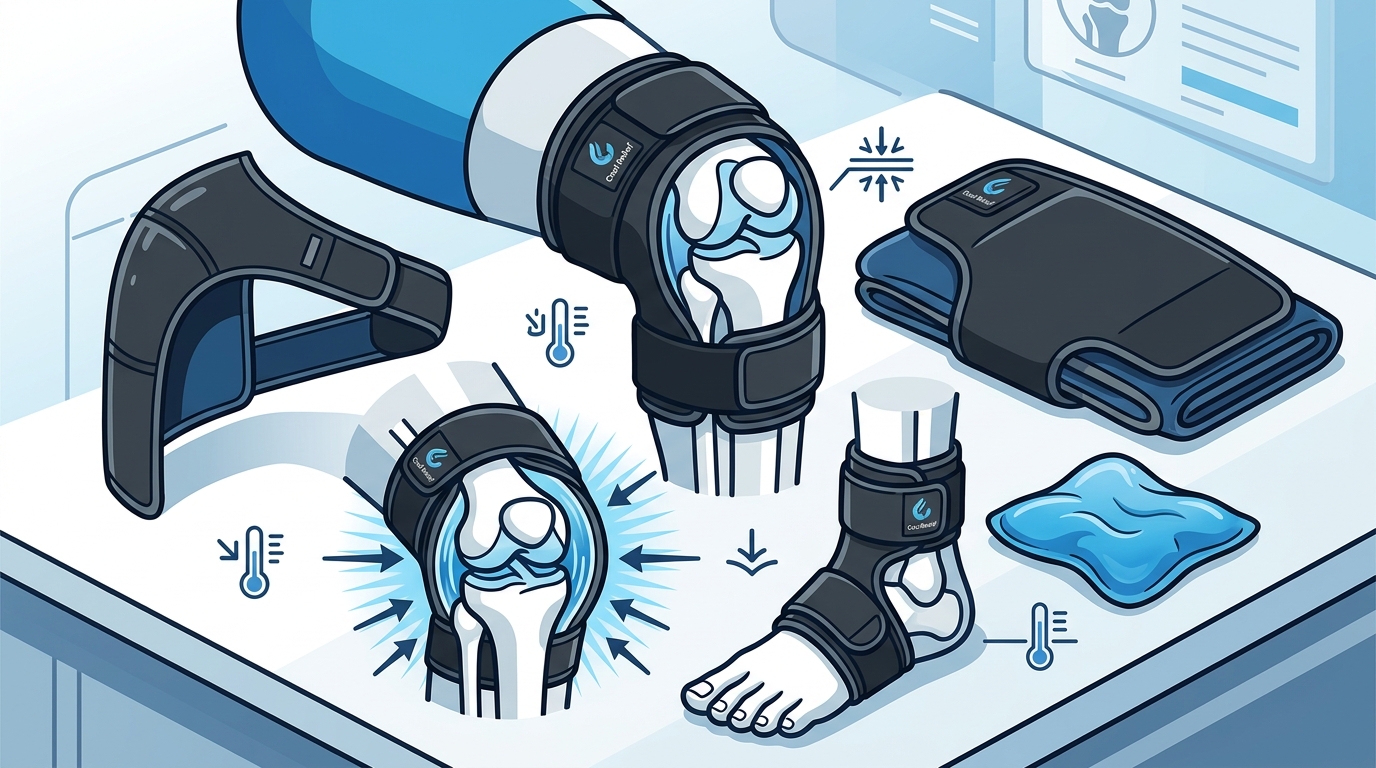
Cold compression therapy combines two proven modalities into one treatment. Cryotherapy is the therapeutic application of cold to slow cellular metabolism and constrict blood vessels, which limits the inflammatory cascade after tissue damage. Compression adds external pressure that pushes excess fluid away from the injury site and improves contact between the cold source and your skin.
When you pair these two forces, the cold penetrates deeper and lasts longer. A controlled study published in the National Library of Medicine found that compression increased the effectiveness of ice in reducing intramuscular temperatures at depths of 1 cm and 2 cm below the fat layer. That deeper cooling translates to reduced metabolism in injured tissue, slowing secondary damage.
Top Benefits of Compression Ice Wraps
1. Faster Swelling Reduction
Compression promotes the movement of lymphatic fluids, helping flush waste and excess fluid from the injury. Combined with cold-induced vasoconstriction, edema decreases noticeably within the first 48 hours. A narrative review in PMC confirms that cold and compression are routinely applied after acute injury or surgery to reduce swelling and speed functional recovery.
2. Superior Pain Relief
Cold temperatures numb nerve endings and reduce nerve conduction velocity. When compression is layered on top, the analgesic effect intensifies. A systematic review in the Journal of Emergency Nursing concluded that the combination therapy provided superior pain relief and improved patient satisfaction compared to ice alone.
3. Accelerated Recovery Times
Case studies of post-ACL surgery patients suggest that cold compression therapy can reduce recovery time by about a month compared to standard treatments. For athletes on a timeline, that difference is significant. Products like the Cool Relief knee ice wraps make it easy to apply consistent cold compression at home.
Who Benefits Most?
Compression ice wraps serve a wide range of people. Post-surgical patients recovering from ACL reconstruction, total knee replacement, or rotator cuff repair benefit from reduced opioid reliance and faster range-of-motion gains. Athletes dealing with sprains, strains, or delayed onset muscle soreness (DOMS) recover faster when compression is part of their routine.
People managing chronic conditions such as arthritis or tendinitis also find relief. Even everyday overuse injuries from gardening, hiking, or long hours at a desk respond well to targeted cold compression on the shoulder, hip, or ankle.
Ice Alone vs. Compression Ice Wraps
Many people still reach for a bag of frozen peas after an injury, but the science clearly favors adding compression. The table below highlights the key differences.
| Factor | Ice Alone | Compression Ice Wrap |
|---|---|---|
| Tissue Temperature Reduction | Moderate surface cooling | Deeper, longer-lasting cooling |
| Swelling Control | Slows fluid buildup | Actively moves fluid away from site |
| Pain Relief Duration | Short-term numbing | Extended analgesic effect |
| Hands-Free Use | Requires holding in place | Straps secure the wrap automatically |
| Skin Contact | Uneven, gaps common | Uniform contact across the area |
| Reusability | Single use (ice melts) | Reusable gel packs freeze again |
Cool Relief wraps, for example, feature a proprietary stay-flex gel formula that remains soft even when frozen, delivering uniform contact and consistent compression without the mess of melting ice.
Choosing the Right Compression Ice Wrap
Match the Wrap to the Body Part
A universal wrap can work for small areas, but body-part-specific designs deliver better coverage and fit. Cool Relief offers dedicated wraps for the knee, shoulder, hip, back, and head and neck.
Look for Flexible Gel Packs
Rigid ice packs leave gaps and create pressure points. A flexible gel pack is a reusable cold therapy insert filled with medical-grade gel that stays pliable at freezer temperatures. Cool Relief gel packs use a non-toxic, medical-grade gel solution that never hardens, ensuring full contact with your skin throughout treatment.
Prioritize Adjustable Compression
Wide elastic straps let you dial in the right amount of pressure. Too loose and you lose the compression benefit; too tight and you risk restricting blood flow. Three-inch elastic straps, like those on Cool Relief ice wraps, offer a secure fit without cutting off circulation.
How to Use Compression Ice Wraps Safely
Following the updated POLICE protocol (Protect, Optimal Load, Ice, Compression, Elevate) gives you the best results in the first 48 hours after injury. Apply your compression ice wrap for 15 to 20 minutes at a time, then remove for at least 40 minutes before reapplying.
Always place a thin cloth barrier between the gel pack and bare skin if the wrap does not include a built-in fabric layer. Monitor skin color during use. If the area turns white or feels excessively numb, remove the wrap immediately. Consult your physician before using cold compression therapy if you have Raynaud's disease, circulatory issues, or nerve damage.
Key Takeaways
- Compression ice wraps combine cryotherapy and external pressure for deeper, longer-lasting tissue cooling than ice alone.
- Studies confirm they reduce pain, swelling, and edema while speeding functional recovery.
- Post-surgical patients, athletes, and people with chronic joint conditions benefit the most.
- Flexible gel packs that stay soft when frozen provide superior skin contact and comfort.
- Body-part-specific wraps deliver better coverage than generic ice bags.
- Follow the POLICE protocol: apply for 15 to 20 minutes on, 40 minutes off.
- Always consult a healthcare provider for serious injuries or pre-existing circulatory conditions.
Frequently Asked Questions
What is a compression ice wrap?
A compression ice wrap is a therapeutic device that combines a reusable cold gel pack with an adjustable elastic wrap. It delivers simultaneous cold therapy and compression to reduce swelling, relieve pain, and accelerate healing.
How long should I wear a compression ice wrap?
Most experts recommend 15 to 20 minutes per session. Remove the wrap for at least 40 minutes before reapplying to prevent skin damage or frostbite.
Can I use a compression ice wrap after surgery?
Yes. Cold compression therapy is widely used after orthopedic procedures such as ACL reconstruction and total knee replacement. Always follow your surgeon's specific instructions regarding timing and frequency.
Are reusable gel packs as effective as real ice?
High-quality gel packs can be equally or more effective because they maintain consistent cold temperatures and conform to the body. Cool Relief gel packs stay cold for up to two hours and remain flexible when frozen.
Which body parts can I treat with compression ice wraps?
Compression ice wraps are available for nearly every major joint and muscle group, including the knee, shoulder, hip, back, ankle, foot, head, and neck.
Is cold compression therapy safe for arthritis?
Cold compression can help manage arthritis flare-ups by reducing joint inflammation and numbing pain. However, people with certain circulatory conditions should consult a doctor before use.
How do compression ice wraps compare to ice baths?
Ice baths provide whole-body cooling but lack targeted compression. Compression ice wraps focus cold and pressure on a specific injury site, making them more practical and effective for localized injuries.
Do compression ice wraps help with muscle soreness after exercise?
Yes. Applying cold compression to overworked muscles helps reduce delayed onset muscle soreness (DOMS), decrease inflammation, and support faster muscle recovery between training sessions.
Start Your Recovery Today
Ready to experience the difference cold compression can make? Browse the full collection of Cool Relief compression ice wraps and find the right wrap for your body and your recovery goals. With free two-day shipping on orders over $25 and a 30-day return policy, there is zero risk in giving your body the relief it deserves.