
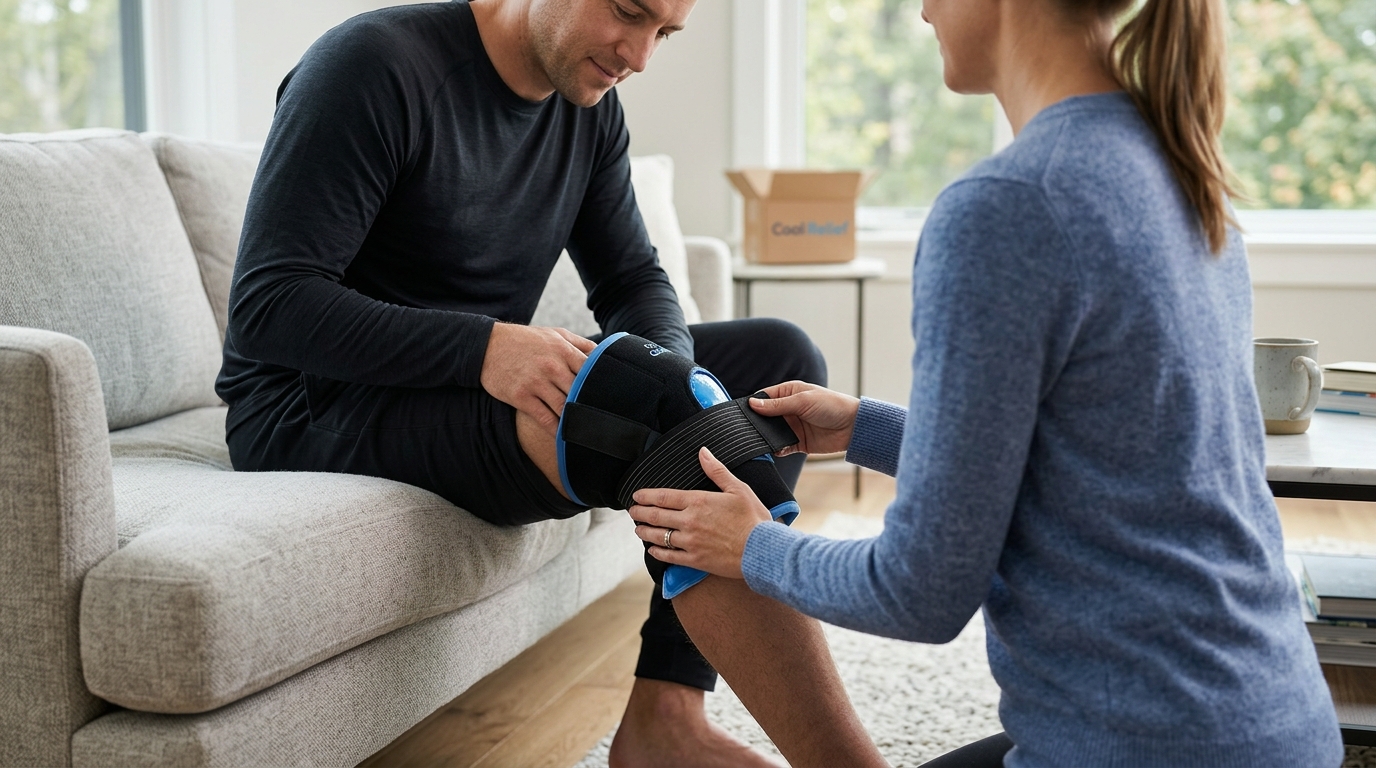
Whether you are recovering from knee surgery, nursing a sprained ankle, or managing chronic shoulder pain, compression ice wraps offer a proven, drug-free path to faster healing. A compression ice wrap is a therapeutic device that combines cold therapy with adjustable pressure to reduce swelling, ease pain, and speed tissue recovery. Research published in the Journal of Athletic Training confirms that ice combined with compression lowers intramuscular temperatures more effectively than ice alone. In this guide we break down every major benefit, explain the science, and help you choose the right wrap for your needs.
How Compression Ice Wraps Work
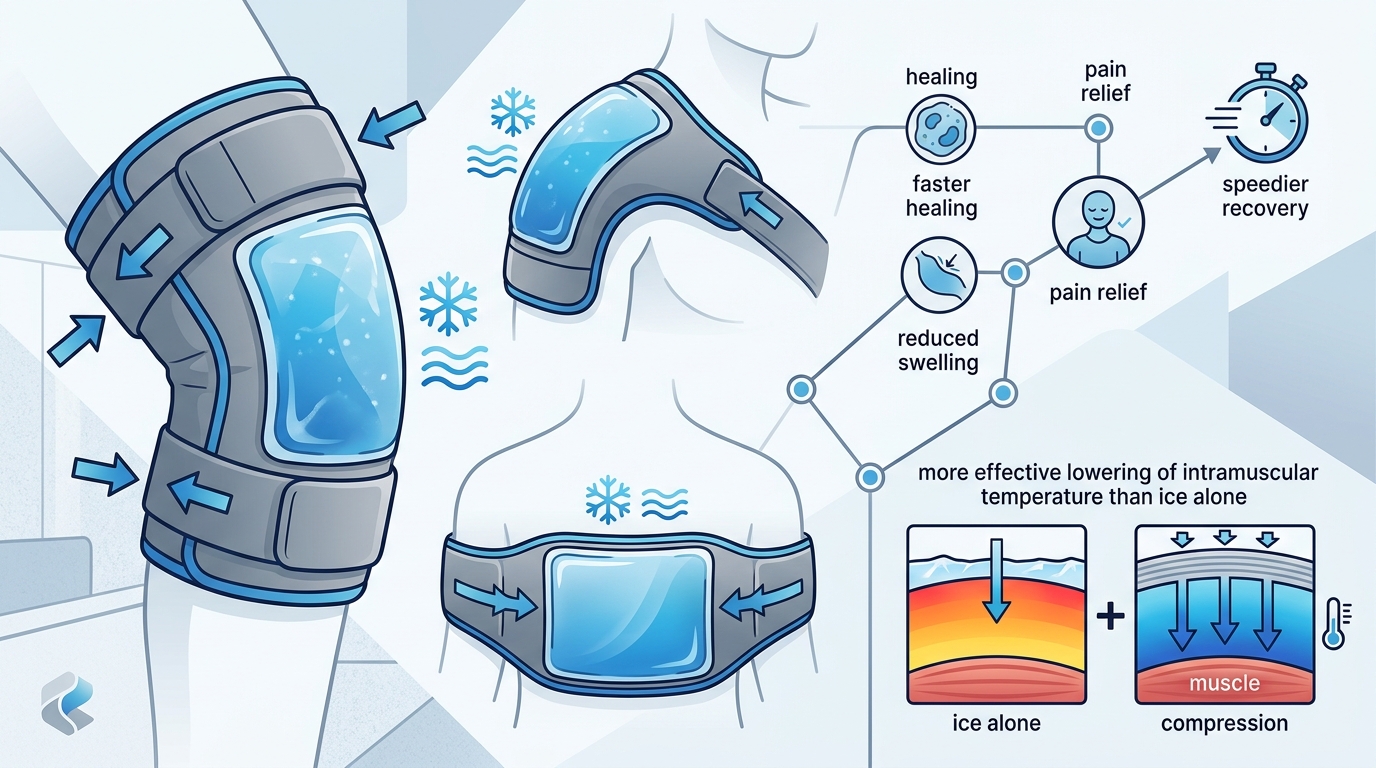
Cold therapy, also known as cryotherapy, constricts blood vessels near an injury site. This process, called vasoconstriction, slows cellular metabolism and limits the amount of fluid that leaks into surrounding tissues. When you add compression, you create an external pressure gradient that further restricts space for edema to develop.
Devices like the Soft Gel Universal Ice Wrap from Cool Relief use adjustable elastic straps that deliver consistent pressure, ensuring the cold penetrates deeper into the source of pain and swelling. Unlike a loose bag of ice, a well-designed wrap maintains full contact with the skin for even cooling.
Key Benefits for Injury Relief
1. Faster Swelling Reduction
Compression pushes excess fluid away from injured tissue while cold therapy slows the inflammatory cascade. A narrative review in PMC found that devices incorporating cold and compression provide patients with the maximum degree of comfort and the shortest time to functional recovery.
2. Superior Pain Relief Without Medication
Cold numbs nerve endings, and steady pressure limits painful muscle spasms. Studies show that when compression is coupled with cold therapy, patients experience decreased swelling, edema, and muscle spasms, making recovery less painful overall.
3. Deeper, More Consistent Tissue Cooling
Research confirms that compression increases the effectiveness of ice in reducing tissue temperatures at depths of 1 to 2 cm below the fat layer. Deeper cooling slows the metabolism of injured cells, protecting them from secondary damage during the acute phase.
Ice Alone vs. Ice Plus Compression
Many people reach for a bag of frozen peas after an injury. While any cold application helps, science consistently favors the combination approach. The table below summarizes the differences.
| Factor | Ice Alone | Ice + Compression Wrap |
|---|---|---|
| Tissue temperature reduction | Moderate | Significantly greater at depth |
| Swelling control | Partial | Enhanced fluid drainage |
| Hands-free use | No (must hold in place) | Yes (straps secure the wrap) |
| Duration of cold | Melts in 15-20 min | Gel packs last up to 2 hours |
| Mess and condensation | Dripping water | Minimal to none |
| Reusability | Single use (ice melts) | Fully reusable gel inserts |
Cool Relief gel packs, for example, stay soft and flexible even when frozen, conforming to body contours for maximum surface contact. You can explore their full lineup of ice wraps for injuries to see the range of options available.
Common Injuries That Benefit Most
Compression ice wraps are versatile enough to treat a wide variety of musculoskeletal issues. Here are the most common use cases:
- Knee injuries and post-surgery recovery: ACL tears, meniscus repairs, and total knee replacements all respond well to cold compression. Cool Relief offers a dedicated knee ice wrap trusted by athletes and surgical centers.
- Shoulder pain and rotator cuff injuries: The Soft Gel Shoulder Ice Wrap delivers targeted cold therapy for rotator cuff tears, dislocations, and tendinitis.
- Ankle sprains: An ankle ice pack covers the upper foot and ankle, promoting optimal recovery after a twist or roll.
- Hip pain and post-operative care: Cool Relief's hip ice wraps are designed for post-surgery recovery and chronic hip conditions.
- Headaches and migraines: The cooling ice bandana can be positioned on the forehead or over the eyes for migraine relief.
From RICE to POLICE: Where Compression Fits
RICE is an acronym that stands for Rest, Ice, Compression, and Elevation. It has been a foundational approach in acute soft tissue injury management since 1978. More recently, sports medicine professionals have adopted POLICE, which stands for Protection, Optimal Loading, Ice, Compression, and Elevation. This updated protocol replaces complete rest with controlled early movement.
Notice that both protocols keep ice and compression as core components. As Physiopedia notes, compression helps reduce fluid buildup in the tissues, alleviating the severity of swelling and encouraging faster recovery. A quality compression ice wrap lets you follow either protocol effectively from home.
Choosing the Right Compression Ice Wrap
Fit and Coverage
Look for wraps designed for specific body parts. A knee wrap should cover above and below the joint. A shoulder wrap needs to accommodate a wide range of body types with adjustable straps.
Gel Pack Quality
The best gel packs remain soft and flexible when frozen so they mold to your body. Cool Relief gel packs are latex-free and filled with a non-toxic gel formula, making them safe for all ages. You can also purchase replacement gel pack inserts to rotate between icing sessions.
Duration of Cold
Aim for wraps that maintain therapeutic cold for at least one hour. Remember the 20-minutes-on, 20-minutes-off rule to avoid cryoburn, which is skin damage caused by prolonged direct exposure to extreme cold.
Key Takeaways
- Compression ice wraps reduce swelling faster and more effectively than ice alone by combining cold therapy with external pressure.
- Research shows that ice plus compression lowers tissue temperatures at greater depths, protecting injured cells from secondary damage.
- Both the classic RICE and modern POLICE protocols include ice and compression as essential steps in acute injury management.
- Compression wraps offer hands-free, mess-free convenience compared to loose ice bags.
- Body-part-specific wraps (knee, shoulder, hip, ankle) provide better coverage and more consistent contact than universal solutions.
- High-quality gel packs stay flexible when frozen and can deliver cold therapy for up to two hours per session.
- Always follow the 20-on/20-off guideline to prevent cryoburn and consult a healthcare provider for serious injuries.
Frequently Asked Questions
What is a compression ice wrap?
A compression ice wrap is a wearable device that combines a reusable cold gel pack with an adjustable strap system to deliver simultaneous cold therapy and pressure to an injured area. It is designed to reduce swelling, relieve pain, and accelerate recovery.
How long should I wear a compression ice wrap?
Most experts recommend 20 minutes on followed by 20 minutes off. Cool Relief wraps can maintain cold for up to two hours, but you should cycle the application to protect your skin from cryoburn.
Can I use a compression ice wrap after surgery?
Yes. Compression ice wraps are widely used by hospitals and surgical centers for post-operative recovery, including procedures like ACL reconstruction, total knee replacement, and rotator cuff repair. Always follow your surgeon's specific instructions.
Are compression ice wraps better than regular ice bags?
Studies consistently show that ice combined with compression is more effective than ice alone at reducing tissue temperatures, controlling swelling, and relieving pain. Wraps also offer hands-free convenience and eliminate dripping water.
What body parts can I use a compression ice wrap on?
Compression ice wraps are available for virtually every body part, including the knee, shoulder, hip, back, ankle, elbow, jaw, and head. Cool Relief offers wraps designed for each of these areas.
Do compression ice wraps help with chronic pain?
Cold compression therapy can provide temporary relief for chronic conditions like arthritis, tendinitis, and bursitis. While it does not cure the underlying condition, regular icing sessions can manage flare-ups and reduce inflammation.
Are Cool Relief gel packs safe for children?
Yes. Cool Relief gel packs are latex-free and filled with a non-toxic gel formula, making them safe for all ages. Always supervise children during use and follow the recommended icing intervals.
Start Your Recovery Today
Do not let pain slow you down. Explore the full collection of Cool Relief compression ice wraps to find the perfect fit for your injury. With fast shipping from their centrally located Oklahoma City warehouse, relief is just days away.