
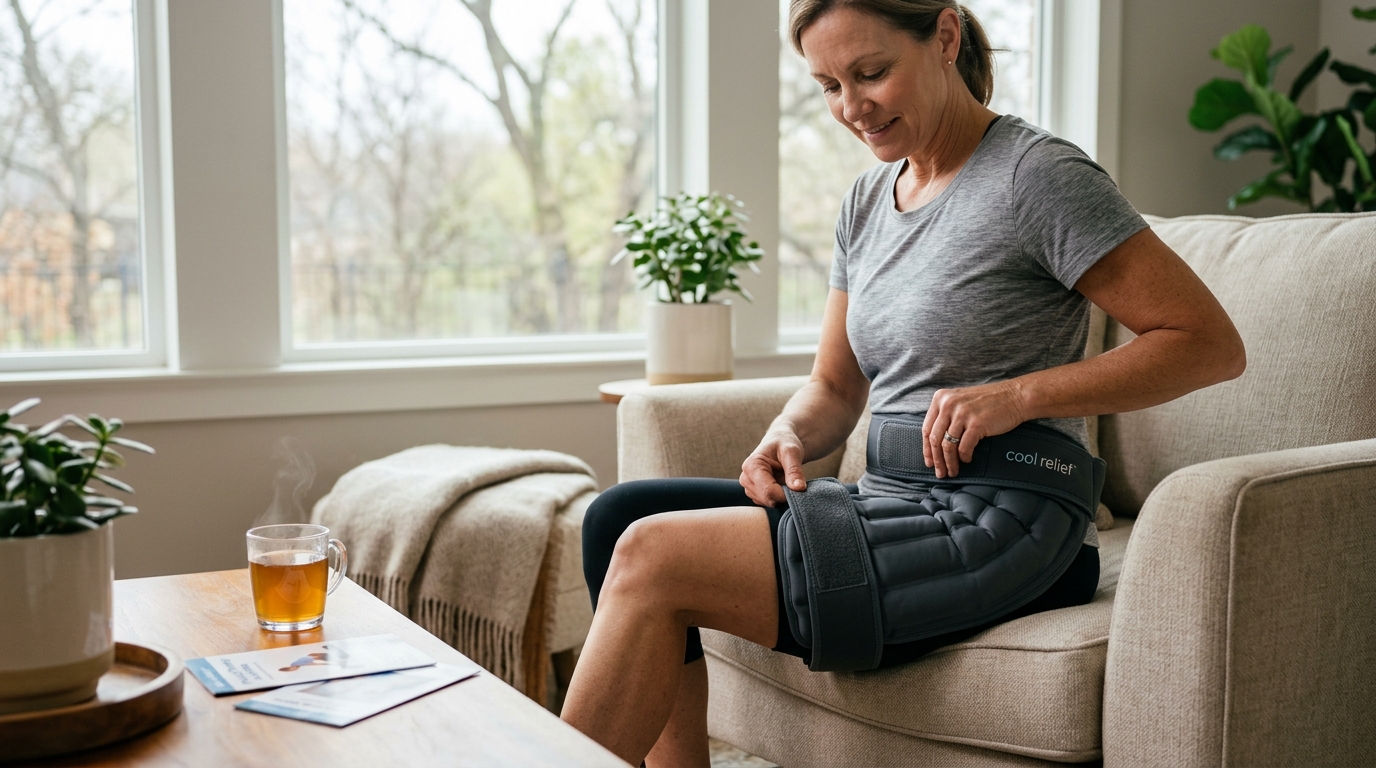
Proper application of therapeutic cold therapy directly impacts recovery timelines for musculoskeletal injuries. Clinical data shows that targeted compression and consistent temperature control can reduce localized swelling by up to forty percent within the first forty eight hours. Clinical data shows that precise anatomical coverage prevents treatment gaps. You must secure the wrap correctly to maintain therapeutic contact across the entire hip joint. This guide explains the exact steps to achieve a secure, comfortable, and highly effective fit for your Cool Relief hip ice wrap. (Collections ndash Ice Wraps)
Measure Hip Circumference Accurately
Accurate measurement forms the foundation of effective cold therapy. You should use a flexible measuring tape to record the widest part of your hip bone. Place the tape directly over your clothing or bare skin at the level of your greater trochanter. Pull the tape snugly without compressing the tissue. Record the exact measurement in inches or centimeters. Cool Relief designs its hip ice wrap to accommodate a broad range of body types. The adjustable closure system allows for micro adjustments during daily use. Cool Relief designs its hip ice wrap to accommodate a broad range of body types. The adjustable closure system allows for micro adjustments during daily use. (Premium Ice Packs amp)
Incorrect sizing creates two distinct problems. A wrap that is too loose fails to maintain consistent contact with the joint. This gap allows warm air to circulate and rapidly degrades the therapeutic effect. A wrap that is too tight restricts blood flow and causes unnecessary discomfort. You should always consult the official sizing chart before purchasing. The chart maps your exact measurement to the recommended strap configuration. This step prevents returns and ensures immediate usability upon delivery.
Position the Reusable Gel Insert Correctly
The reusable gel pack insert serves as the primary cooling mechanism. You must place the insert directly over the affected area before securing the outer shell. The insert contains a specialized polymer blend that maintains cold temperatures for extended periods. The insert contains a specialized polymer blend that maintains cold temperatures for extended periods. Align the insert so it covers the anterior and lateral aspects of the hip joint. Ensure the gel layer faces outward toward the skin. The fabric backing protects your clothing from condensation and moisture transfer. Proper alignment guarantees uniform cold distribution across the target tissue.
Many users make the mistake of placing the insert at an angle. This misalignment concentrates the cold on one side while leaving the opposite joint area untreated. You should gently press the insert into the designated pocket until it sits flush against the inner lining. The pocket features reinforced stitching to prevent shifting during movement. This design feature maintains consistent therapeutic contact during light activity or rest.
Secure the Adjustable Strap System
The adjustable strap system provides the mechanical stability required for effective therapy. You should fasten the primary strap across the upper thigh and the secondary strap across the lower abdomen. Pull each strap firmly until the wrap conforms to your natural body contours. The hook and loop fasteners allow for incremental tightening without bulk. You should avoid over tightening the material, as excessive pressure can cause nerve compression. The goal is firm support without restricting normal blood flow. The goal is firm support without restricting normal blood flow.
Test the fit by performing gentle hip rotations. The wrap should remain stationary without sliding or bunching. If the material shifts during movement, you need to redistribute the tension across both straps. Even pressure distribution prevents localized pressure points that cause discomfort. The ergonomic contouring matches the natural curvature of the pelvis. This anatomical design reduces fatigue during extended therapy sessions.
Check Circulation and Comfort Levels
Post application assessment ensures patient safety and therapeutic efficacy. You should monitor the skin surrounding the wrap for signs of excessive constriction. Numbness, tingling, or discoloration indicates that the straps require immediate loosening. You should remove the wrap immediately if you experience sharp pain or persistent cold sensitivity. The skin should return to its normal color within five minutes after removal. The skin should return to its normal color within five minutes after removal.
Regular circulation checks prevent tissue damage during prolonged use. You should inspect the contact points every thirty minutes during your first few sessions. The body adapts to cold exposure by constricting peripheral blood vessels. This natural response reduces the risk of frostbite but requires careful monitoring. You should place a thin cotton layer between the skin and the wrap if you have sensitive skin. This barrier prevents direct contact while still allowing therapeutic cold transfer.
Optimize Treatment Duration and Frequency
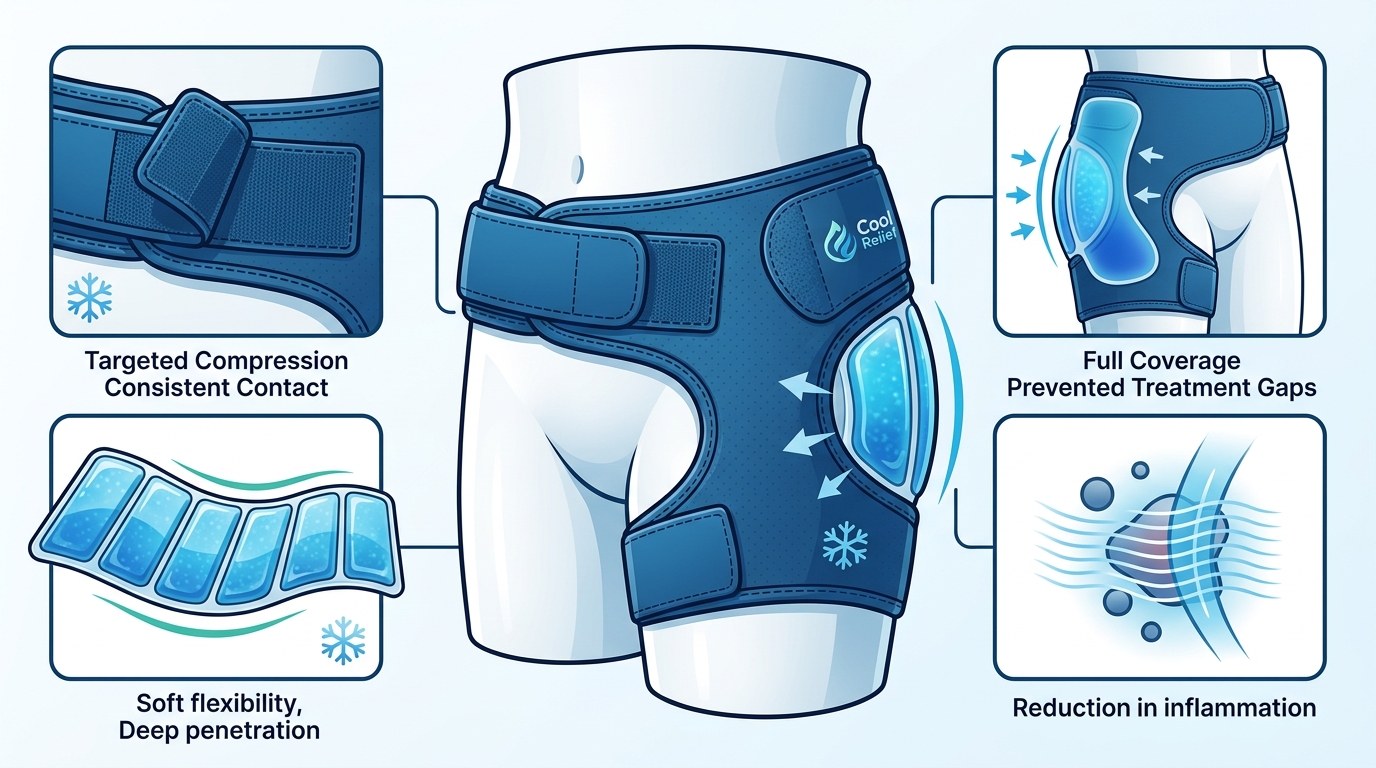
Therapeutic cold therapy is the controlled application of subnormal temperatures to reduce inflammation and accelerate tissue repair. You should apply the hip ice wrap for twenty minutes per session. This duration allows the cold to penetrate deep tissue without causing surface damage. This duration allows the cold to penetrate deep tissue without causing surface damage. You should wait at least two hours between applications to allow tissue temperature to normalize. Repeated applications without adequate recovery periods can trigger rebound inflammation. Consistent scheduling promotes steady reduction of localized swelling.
Track your progress using a simple therapy log. Record the exact start time, duration, and perceived pain level before and after each session. This data helps you identify optimal treatment windows and adjust frequency as healing progresses. Most patients experience noticeable improvements within three to five days of consistent application. The reusable gel insert retains its structural integrity after hundreds of freeze thaw cycles. This durability makes it a cost effective solution for long term joint management.
Compare Wrap Options and Features
Selecting the appropriate hip ice wrap depends on your specific injury profile and daily routine. The following table outlines the key differences between available configurations.
| Wrap Configuration | Target Area | Strap Count | Best Use Case |
|---|---|---|---|
| Standard Hip Wrap | Anterior and lateral hip joint | Two adjustable straps | Post surgery recovery and daily inflammation management |
| Extended Coverage Wrap | Full pelvic and upper thigh region | Three reinforced straps | Severe trauma and extensive ligament strain |
| Compact Travel Wrap | Localized hip and gluteal region | One primary strap | On the go therapy and light activity support |
Each configuration maintains the same core gel insert technology. The primary difference lies in the surface area coverage and strap distribution. You should match the wrap to your injury severity and mobility requirements. The extended coverage model provides superior stability for high impact activities. The compact model offers discreet wear under loose clothing. Both options integrate seamlessly with standard physical therapy routines.
Key Takeaways
- Accurate hip circumference measurement prevents therapeutic gaps and ensures optimal cold distribution.
- The reusable gel insert must align directly over the greater trochanter for maximum efficacy.
- Dual strap tensioning creates even pressure without restricting peripheral blood flow.
- Twenty minute application windows prevent tissue damage while maximizing deep joint cooling.
- Regular circulation checks during the first three sessions prevent nerve compression injuries.
- Consistent two hour recovery periods between applications avoid rebound inflammation spikes.
- Matching wrap configuration to injury severity optimizes long term joint management outcomes.
Frequently Asked Questions
How do I know if my hip ice wrap is too tight?
You should experience firm support without numbness or tingling sensations. Discoloration or persistent cold spots indicate excessive constriction. Loosen the straps incrementally until normal circulation returns.
Can I wear the hip ice wrap over regular clothing?
You should place the wrap directly against bare skin for maximum therapeutic transfer. Wearing it over thick fabric reduces cold penetration and delays recovery timelines.
How many times can I reuse the gel insert?
The specialized polymer blend withstands hundreds of freeze thaw cycles without degrading. You should inspect the insert for cracks or leaks before each application.
What temperature should I set the freezer to?
You should store the insert at standard freezer temperatures between zero and five degrees Fahrenheit. Excessive cold can damage the polymer matrix and reduce therapeutic duration.
Is it safe to use the wrap while sleeping?
You should avoid overnight application due to reduced sensory feedback during rest. Extended unmonitored exposure increases the risk of cold induced tissue damage.
How do I clean the outer fabric shell?
You should remove the gel insert before washing the outer shell. Machine wash on a gentle cycle with mild detergent and air dry completely.
Secure Your Optimized Hip Therapy Today
Proper fit and consistent application directly influence your recovery speed and long term joint health. You should order your Cool Relief hip ice wrap today to begin your structured therapy protocol. Visit our official store to explore the complete range of therapeutic solutions. Visit our official store to explore the complete range of therapeutic solutions. Our customer support team remains available to assist with sizing questions and application guidance. Start your recovery journey with clinically proven cold therapy technology.