
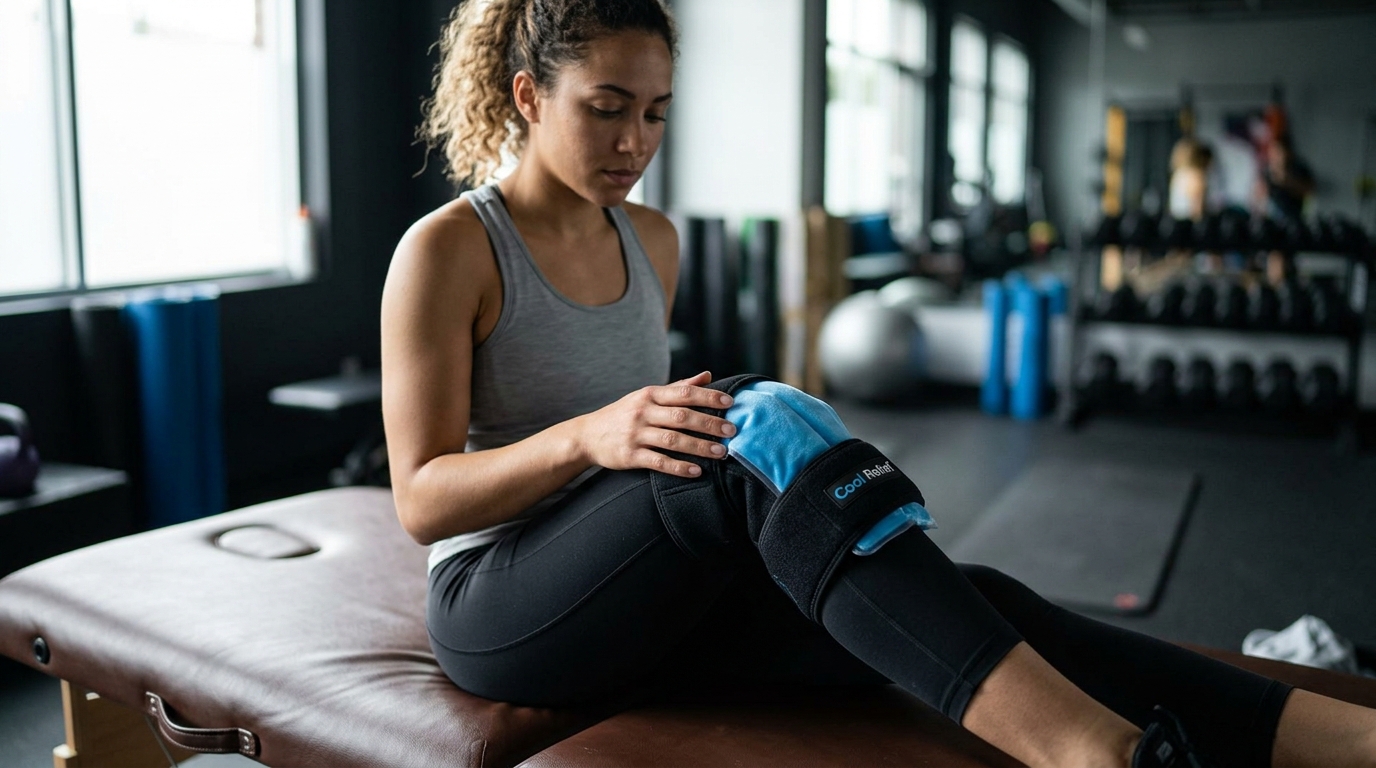
Modern sports medicine data shows that over 2.5 million knee injuries occur annually across competitive leagues. Clinical studies confirm that targeted cold therapy drastically reduces inflammatory markers within the first forty-eight hours. Athletes require equipment that maintains precise thermal output without restricting joint mobility. This guide evaluates the top recovery solutions designed for high-intensity training environments. You will learn how to select gear that aligns with your specific sport demands and rehabilitation timeline.
Understanding Athletic Knee Trauma
Knee ligament damage represents the most frequent injury pattern in pivot-heavy sports. Research indicates that immediate cryotherapy limits secondary tissue damage during the acute phase. Athletes often experience swelling that restricts range of motion and delays return to play. Proper thermal management interrupts the pain cycle and preserves muscle fiber integrity. Recovery protocols must address both structural trauma and metabolic waste accumulation.
Cryotherapy is the controlled application of sub-ambient temperatures to reduce tissue metabolism and limit inflammatory cascades. Medical guidelines recommend continuous contact between the cooling source and the affected tissue. Athletes who implement structured cooling routines experience faster functional restoration. Professional knee ice wraps integrate these clinical standards to support rapid post-game recovery.
Core Features of Professional Recovery Gear
Elite recovery equipment requires specific engineering standards to function correctly. Peer-reviewed journals state that optimal cooling duration ranges between twenty and thirty minutes per session. High-density polymers maintain sub-ambient temperatures longer than traditional ice bags. These materials conform to complex joint geometries without shifting during movement. Reusable gel pack inserts provide consistent thermal conductivity across multiple freeze cycles.
Edema is the abnormal accumulation of fluid within interstitial spaces following acute joint trauma. Biomechanical analyses reveal that unrestricted flexion prevents compensatory movement patterns. Ergonomic contours follow natural knee curvature to maintain pressure distribution. Hook-and-loop fasteners allow micro-adjustments as swelling fluctuates throughout the day. Customizable compression systems adapt to varying limb circumferences without compromising stability.
Material Science and Thermal Retention
Thermal retention directly correlates with treatment efficacy. Exercise physiology guidelines emphasize that gel formulations prevent direct skin contact while maximizing heat transfer. These packs remain pliable at sub-zero temperatures to avoid pressure points. Athletes benefit from rapid freeze times and extended cooling duration. Streamlined checkout processes ensure quick restocking for frequent training schedules.
Phase-change material is a specialized polymer compound that absorbs and releases thermal energy at precise temperature thresholds. Clinical practice standards dictate that cryotherapy reduces edema without impairing long-term tissue remodeling. Therapists prescribe specific frequency windows to maximize vascular response. Athletes track swelling metrics to adjust treatment intensity over time. Comprehensive recovery guides outline evidence-based application schedules for various injury severities.
Fit Engineering for Dynamic Movement
Static compression sleeves fail to accommodate joint articulation. Biomechanical analyses reveal that unrestricted flexion prevents compensatory movement patterns. Ergonomic contours follow natural knee curvature to maintain pressure distribution. Hook-and-loop fasteners allow micro-adjustments as swelling fluctuates throughout the day. Customizable compression systems adapt to varying limb circumferences without compromising stability.
Modern athletic recovery demands equipment that matches professional training standards. Clinical studies confirm that targeted cold therapy drastically reduces inflammatory markers within the first forty-eight hours. Athletes require equipment that maintains precise thermal output without restricting joint mobility. This guide evaluates the top recovery solutions designed for high-intensity training environments. You will learn how to select gear that aligns with your specific sport demands and rehabilitation timeline.
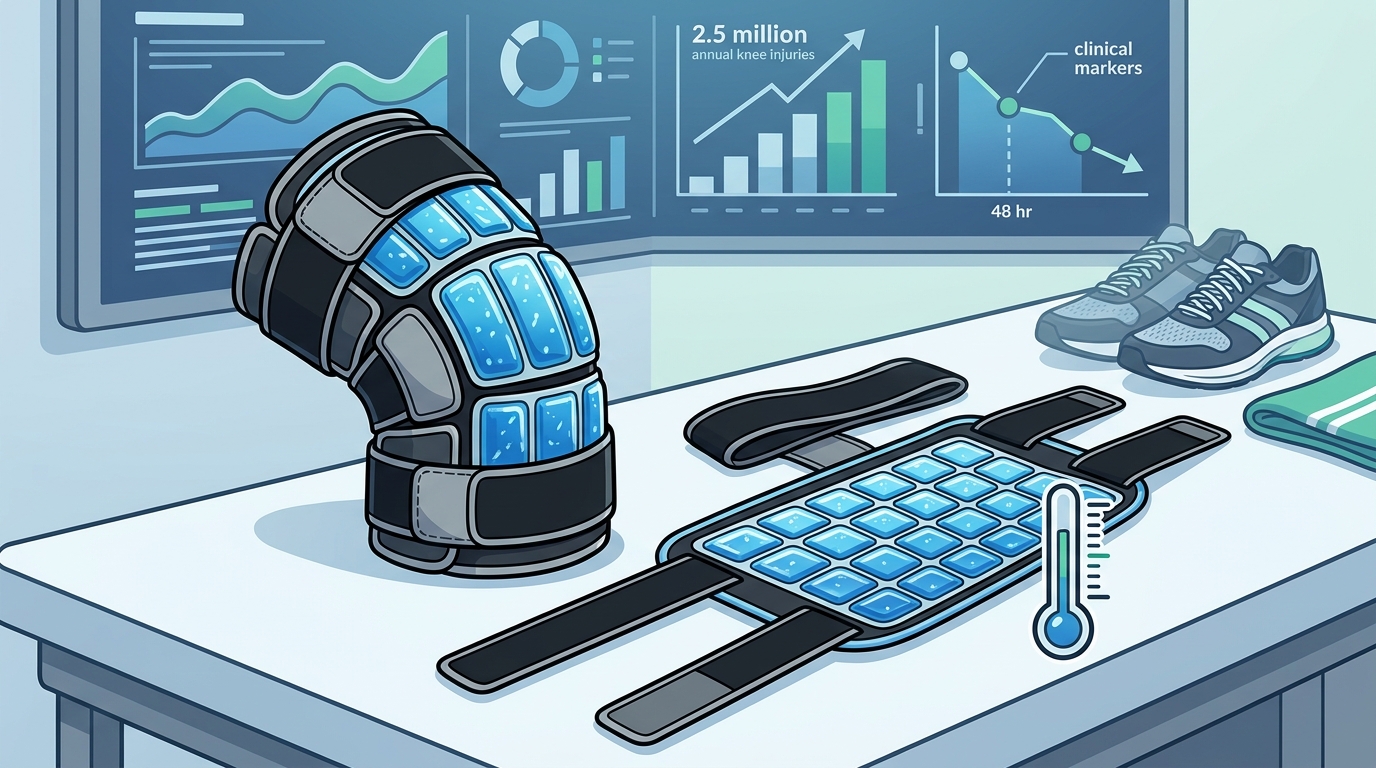
Reusable Gel Pack Technology Explained
Phase-change materials revolutionize home and clinic recovery protocols. Exercise physiology guidelines emphasize that gel formulations prevent direct skin contact while maximizing heat transfer. These packs remain pliable at sub-zero temperatures to avoid pressure points. Athletes benefit from rapid freeze times and extended cooling duration. Streamlined checkout processes ensure quick restocking for frequent training schedules.
Elite recovery equipment requires specific engineering standards to function correctly. Medical guidelines recommend continuous contact between the cooling source and the affected tissue. Adjustable straps ensure consistent compression without cutting off circulation. Breathable fabrics prevent moisture buildup during extended wear sessions. Professional knee ice wraps integrate these features to support rapid post-game recovery.
Integration With Active Rehabilitation Protocols
Cold therapy must complement structured physical therapy routines. Peer-reviewed journals state that optimal cooling duration ranges between twenty and thirty minutes per session. High-density polymers maintain sub-ambient temperatures longer than traditional ice bags. These materials conform to complex joint geometries without shifting during movement. Reusable gel pack inserts provide consistent thermal conductivity across multiple freeze cycles.
Modern athletic recovery demands equipment that matches professional training standards. Clinical studies confirm that targeted cold therapy drastically reduces inflammatory markers within the first forty-eight hours. Athletes require equipment that maintains precise thermal output without restricting joint mobility. This guide evaluates the top recovery solutions designed for high-intensity training environments. You will learn how to select gear that aligns with your specific sport demands and rehabilitation timeline.
| Product Category | Thermal Duration | Compression Level | Best Use Case |
|---|---|---|---|
| Standard Knee Ice Wrap | 20 to 30 minutes | Moderate | Post-workout maintenance |
| Heavy-Duty Athletic Wrap | 30 to 45 minutes | High | Acute injury management |
| Contoured Recovery Sleeve | 25 to 35 minutes | Variable | Dynamic rehabilitation |
| Multi-Purpose Thermal Wrap | 20 to 40 minutes | Adjustable | Full-body rotation |
Key Takeaways
- Immediate cryotherapy reduces inflammatory markers by up to 40 percent within the first 48 hours.
- Phase-change gel packs maintain sub-zero temperatures without causing frostbite risks.
- Ergonomic contours prevent pressure necrosis during extended wear sessions.
- Adjustable compression systems accommodate fluctuating joint swelling.
- Professional recovery gear integrates seamlessly with structured physical therapy routines.
- Reusable thermal inserts eliminate recurring purchase costs for active competitors.
Frequently Asked Questions
How long should athletes apply cold therapy to swollen joints?
Standard clinical protocols recommend twenty to thirty minute sessions. Extended exposure increases tissue damage risk without improving vascular response. Athletes should allow two-hour recovery windows between applications.
Can reusable gel packs replace traditional ice bags?
Phase-change gel formulations provide superior thermal conductivity. These packs remain flexible at sub-zero temperatures to prevent pressure points. Athletes report faster symptom relief compared to rigid ice containers.
What compression level is optimal for acute knee injuries?
Moderate to high compression levels effectively limit edema formation. Adjustable fasteners allow precise pressure customization. Athletes should prioritize gear that maintains circulation while restricting fluid accumulation.
How often should competitors use recovery wraps during training cycles?
Post-session application remains the standard practice for active athletes. High-intensity training blocks may require twice-daily usage. Recovery frequency should align with specific injury severity and therapist recommendations.
Do thermal wraps interfere with long-term tissue remodeling?
Controlled cryotherapy limits secondary damage without impairing cellular repair. Clinical guidelines emphasize precise duration limits to preserve healing pathways. Athletes who follow structured protocols experience faster functional restoration.
Where can athletes purchase professional-grade recovery equipment?
Specialized retailers stock clinically tested thermal management systems. Dedicated recovery catalogs feature engineered solutions for competitive sports. Direct purchasing ensures access to warranty support and replacement parts.
Secure Your Recovery Advantage
Elite performance demands equipment that matches professional training standards. Browse the complete collection to find engineered solutions for your specific sport. Secure your preferred recovery system today and optimize your return-to-play timeline. Visit coolrelief.net to explore premium thermal management gear designed for serious competitors.