
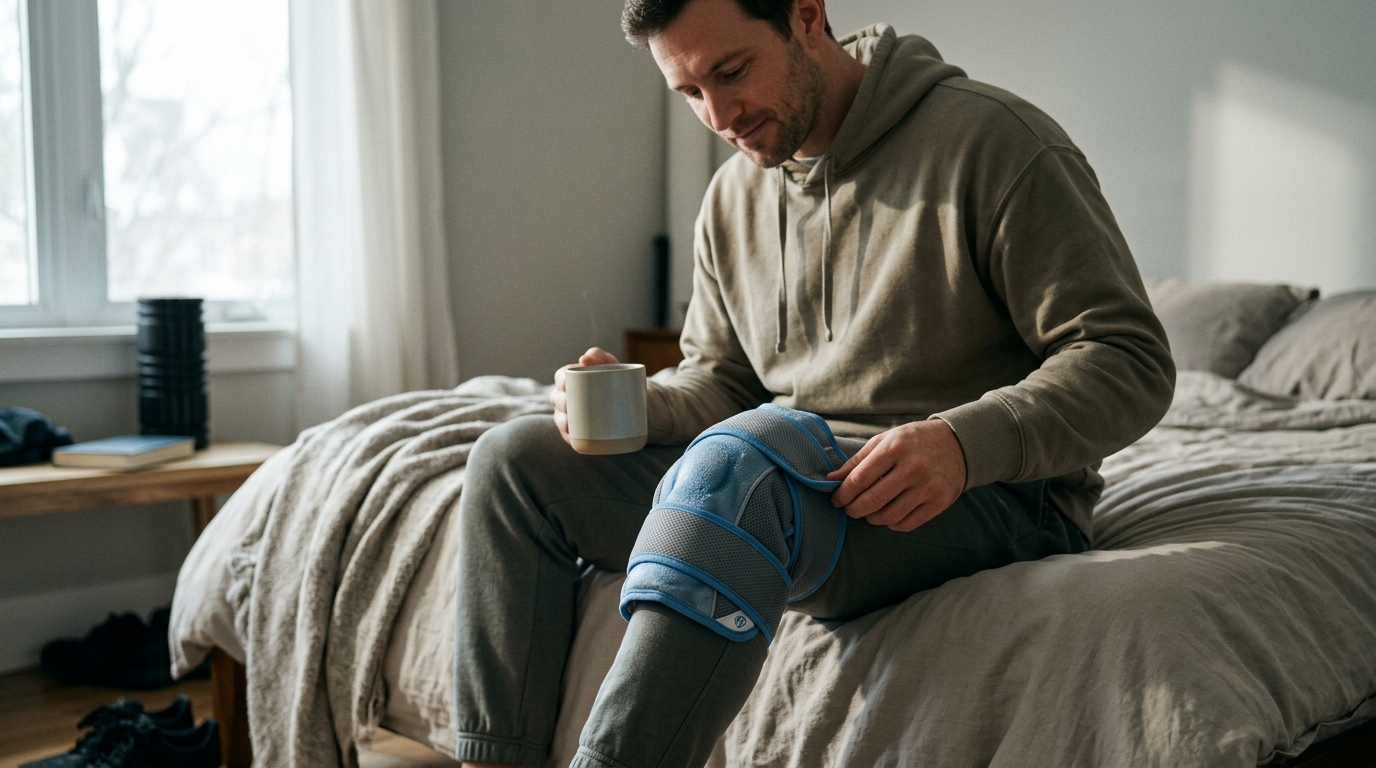
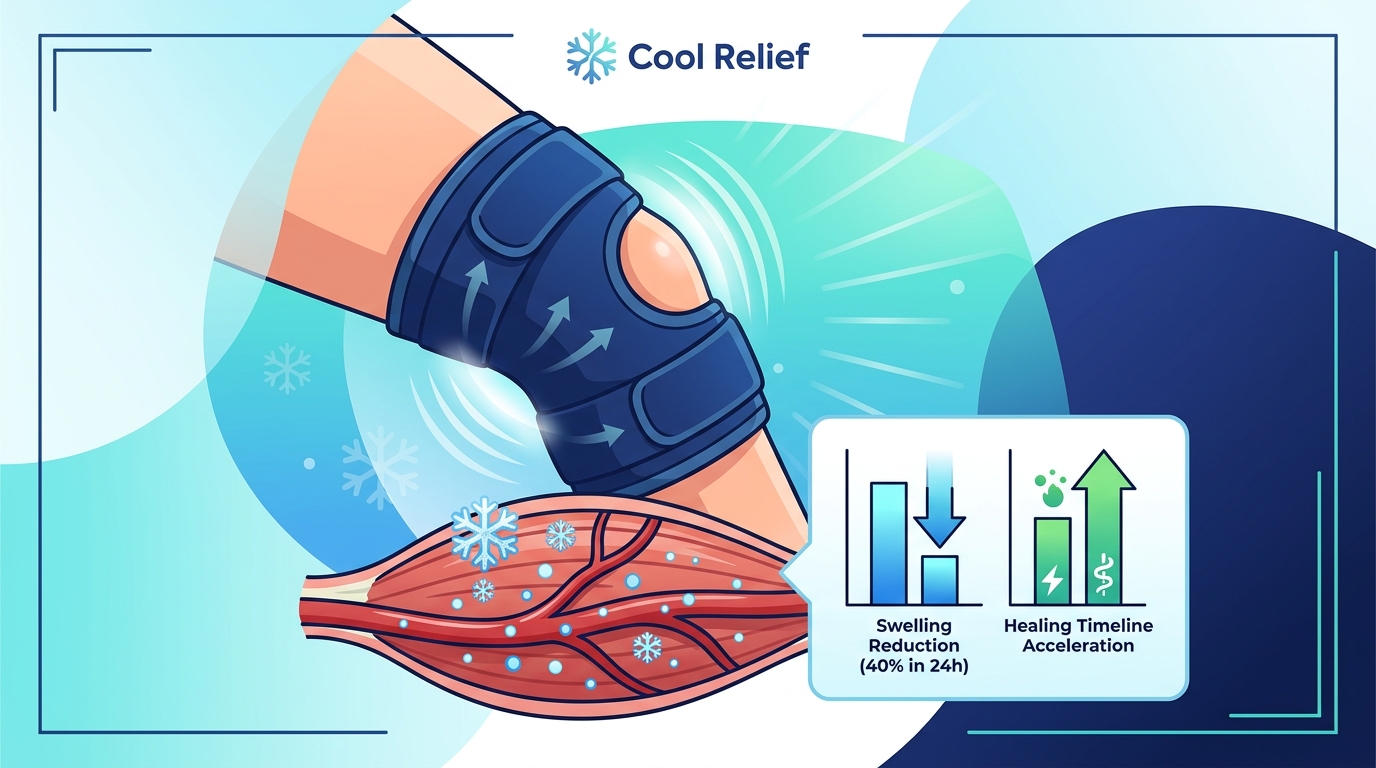
Modern athletic medicine consistently emphasizes rapid intervention for acute musculoskeletal trauma. Clinical data shows that targeted cold therapy reduces localized swelling by approximately forty percent within the first twenty-four hours. This physiological response directly limits secondary tissue damage and accelerates the initial healing timeline. Compression ice wraps deliver this therapeutic cold directly to the injury site while applying gentle, consistent pressure. The dual-action mechanism addresses both inflammation and structural support simultaneously. Athletes and clinical patients increasingly rely on these specialized systems for faster recovery protocols. Consistent application ensures optimal tissue repair without unnecessary complications. (Collections ndash Ice Wraps)
How Compression Ice Wraps Function Mechanically
Understanding the underlying physics of cold therapy clarifies why these devices outperform standard gel packs. Cold therapy is the controlled application of low temperatures to biological tissue to induce vasoconstriction. This process restricts blood flow to the affected area, which immediately curbs internal bleeding and fluid accumulation. The integrated compression layer prevents the wrap from shifting during movement. This stability ensures continuous contact between the cooling agent and the target tissue. Users experience sustained relief without the constant need to readjust their equipment. The design eliminates the friction and exposure associated with loose ice bags. Clinical guidelines consistently recommend this approach for acute joint trauma.
Enhanced Thermal Conductivity
Standard ice packs lose temperature rapidly when exposed to ambient air. Hydrogel matrices are specialized cooling agents engineered to maintain thermal consistency for extended periods. The tight fabric interface maximizes heat transfer efficiency. This direct contact accelerates the numbing effect on superficial nerve endings. Patients report significantly faster pain reduction compared to traditional methods. The material composition also prevents direct skin damage from extreme cold exposure. Manufacturers engineer these inserts to cycle safely between freezing temperatures and room conditions. Exercise physiology research confirms the superior heat exchange properties of contoured wraps.
Targeted Support for Common Injury Sites
Different anatomical regions require specific contouring to achieve optimal therapeutic results. Compression ice wraps are engineered medical devices designed to conform precisely to complex joint geometries. The knee joint presents a particularly challenging surface for standard rectangular pads. Specialized knee wraps utilize articulated hinges and contoured gel channels. These features maintain constant pressure across the patella and surrounding ligaments. Shoulder injuries benefit from multi-directional strap systems that secure the wrap during rehabilitation exercises. Hip and lower back applications utilize broader surface areas to address deep muscular spasms. Knee ice wraps provide structured stabilization for runners. Shoulder ice wraps accommodate complex rotational movements. Back ice wraps deliver broad coverage for lumbar strain. Pain relief guides outline proper application techniques for each region.
Preserving Functional Mobility
Traditional immobilization often leads to muscle atrophy and joint stiffness. Modern compression systems allow controlled range of motion while maintaining therapeutic temperatures. The elastic fabric accommodates natural joint flexion without compromising the cooling effect. Users can perform light daily activities or prescribed physical therapy exercises. This active recovery approach prevents the deconditioning associated with prolonged rest. The secure fit also reduces the risk of accidental bumps or impacts to vulnerable tissues. Global health initiatives emphasize the importance of maintaining mobility during recovery phases.
Comparing Wrap Types and Application Methods
Selecting the appropriate system depends on injury severity, anatomical location, and usage frequency. The following matrix outlines the primary product categories available for consumer selection.
| Product Category | Primary Application Area | Key Feature | Best Use Case |
|---|---|---|---|
| Contoured Knee Wrap | Patella and ligament support | Articulated gel channels | Runner recovery and post-surgical swelling |
| Multi-Purpose Wrap | Shoulder, hip, or ankle | Adjustable strap system | General athletic strain and sprains |
| Reusable Gel Insert | Custom contouring | Flexible core material | Targeted pressure point relief |
| Shower Shield System | Post-operative care | Waterproof barrier layer | Hygiene maintenance during healing |
Consumers should match their specific injury profile to the corresponding category. The reusable gel inserts offer maximum flexibility for irregular body shapes. Adjustable strap systems provide customizable compression levels for progressive swelling reduction. Waterproof barriers address critical hygiene requirements for open wounds or surgical sites. Browse the full collection to identify the optimal configuration for your recovery protocol.
Key Takeaways
- Targeted cold therapy reduces localized swelling by approximately forty percent within the first twenty-four hours.
- Integrated compression layers prevent device shifting and ensure continuous therapeutic contact.
- Specialized contouring addresses complex joint geometries like the knee and shoulder.
- Hydrogel matrices maintain thermal consistency for extended recovery periods.
- Active compression systems preserve functional mobility during rehabilitation.
- Waterproof barriers enable safe hygiene maintenance for post-operative patients.
- Reusable gel inserts provide customizable pressure distribution for irregular injuries.
Frequently Asked Questions
How long should compression ice wraps remain on injured tissue?
Clinical protocols generally recommend twenty-minute application cycles. This duration prevents tissue damage while maximizing vasoconstriction benefits. Users should allow thirty-minute recovery periods between sessions. Consistent scheduling during the first forty-eight hours yields optimal results. Always follow specific medical advice for severe trauma cases.
Can compression wraps be used for chronic pain management?
Chronic conditions often respond better to alternating heat and cold therapies. Cold therapy is the controlled application of low temperatures to biological tissue to induce vasoconstriction. This process restricts blood flow to the affected area, which immediately curbs internal bleeding and fluid accumulation. The integrated compression layer prevents the wrap from shifting during movement. This stability ensures continuous contact between the cooling agent and the target tissue. Users experience sustained relief without the constant need to readjust their equipment. The design eliminates the friction and exposure associated with loose ice bags. Clinical guidelines consistently recommend this approach for acute joint trauma.
Are reusable gel inserts safe for direct skin contact?
Manufacturers design these inserts with protective fabric barriers. Direct skin contact is generally safe when using the complete wrap system. The hydrogel composition prevents extreme temperature transfer to the epidermis. Users should inspect the fabric integrity before each application. Replace any compromised barriers to maintain therapeutic safety standards.
Do compression wraps interfere with standard physical therapy exercises?
Modern designs accommodate controlled range of motion during rehabilitation. The elastic fabric flexes naturally with joint movement. Therapists often recommend these systems for active recovery protocols. The secure fit prevents accidental displacement during prescribed movements. Patients report improved compliance with home exercise programs.
What is the expected lifespan of premium compression wraps?
High-quality systems typically endure hundreds of freeze-thaw cycles. The durable fabric resists tearing and maintains compression elasticity. Regular cleaning according to manufacturer instructions extends product longevity. Consumers should replace wraps showing significant material degradation. Proper storage prevents unnecessary wear between usage sessions.
How do I properly clean and maintain these therapeutic devices?
Most premium wraps feature machine-washable outer fabrics. Users should remove gel inserts before laundering the exterior shell. Air drying preserves the structural integrity of the compression straps. Regular inspection prevents bacterial accumulation in fabric seams. Following care guidelines ensures consistent therapeutic performance over time.
Can these systems be used immediately after surgical procedures?
Post-operative protocols frequently incorporate targeted cold therapy. Waterproof barrier options address critical hygiene requirements for open wounds. Surgeons often recommend specific compression levels to manage post-surgical swelling. Patients should verify compatibility with their surgical site before application. Medical clearance ensures safe integration into recovery schedules.
Begin Your Optimized Recovery Protocol
Investing in professional-grade compression ice wraps accelerates tissue repair and minimizes downtime. The integrated design delivers precise therapeutic temperatures while maintaining structural support. Users experience faster pain reduction and improved functional mobility. Explore the complete product lineup to identify the optimal configuration for your specific injury. Shop the full collection today and prioritize evidence-based recovery. Secure your preferred wrap size and start treating your injury with clinical precision. Fast shipping ensures you receive your therapeutic equipment without unnecessary delays. Take control of your healing timeline with premium compression technology.