
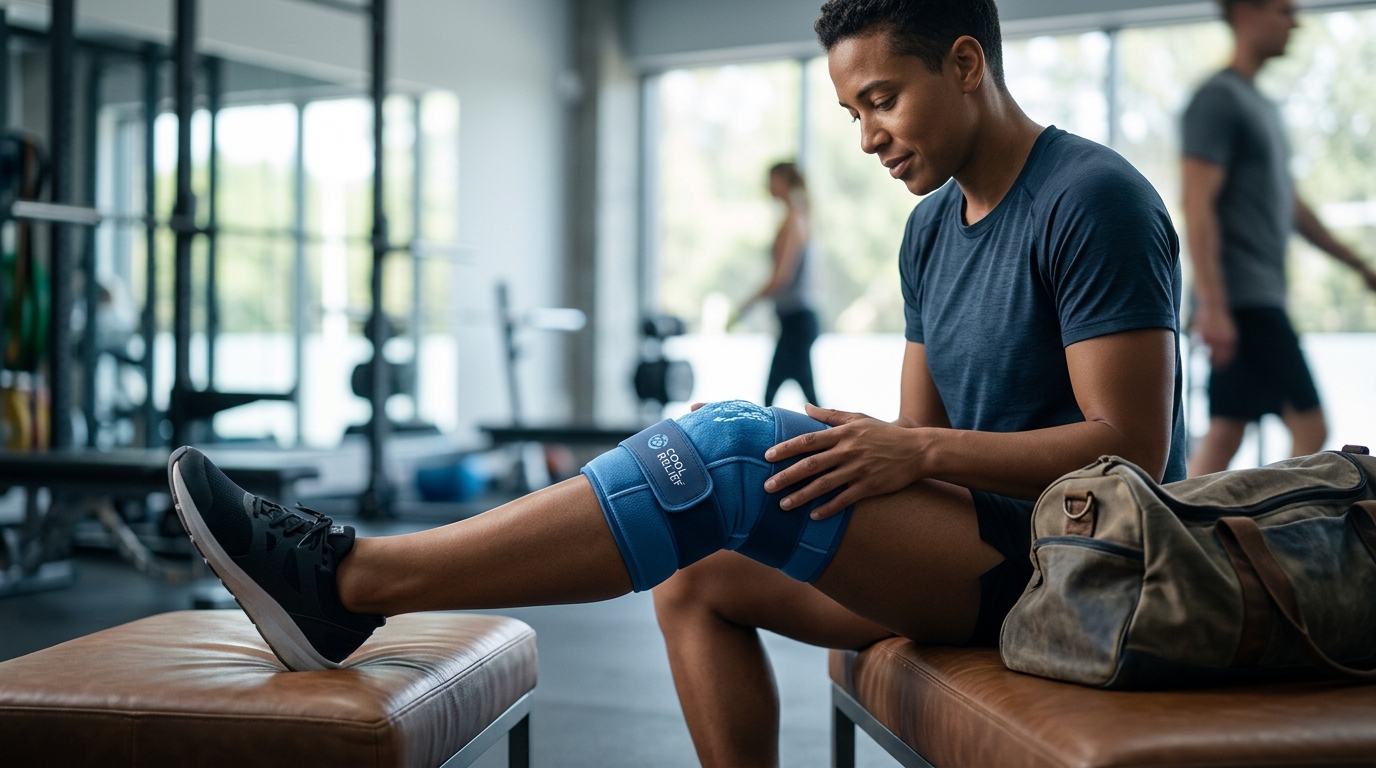
According to the American College of Sports Medicine, over 2.6 million emergency department visits annually involve knee injuries among competitive athletes. These acute trauma events frequently trigger inflammatory cascades that demand immediate thermal intervention. Selecting the correct cooling apparatus directly impacts recovery velocity and long-term joint stability. Athletes require gear that maintains consistent temperatures while accommodating dynamic movement patterns. This evaluation examines the top recovery solutions currently available on the market. (Cool Relief Ice Wraps)
Understanding Athletic Knee Trauma
Acute knee injuries typically result from sudden directional changes, heavy impact, or improper landing mechanics. These events damage ligaments, cartilage, and surrounding soft tissue structures. Chronic overuse conditions develop gradually through repetitive stress without adequate recovery windows. Athletes must distinguish between sudden trauma and cumulative fatigue to select appropriate thermal therapy. Cold therapy effectively reduces localized blood flow and limits secondary tissue damage. Acute knee trauma is sudden structural damage caused by high-impact physical stress or sudden directional changes. Recovery protocols must address both immediate swelling and long-term tissue repair. Athletes who ignore early thermal intervention often experience prolonged rehabilitation timelines. Proper gear selection bridges the gap between emergency response and structured physical therapy.
Core Features of Professional Recovery Gear
High-performance cooling wraps utilize advanced hydrogel matrices that maintain optimal temperatures for extended periods. These matrices resist freezing solid while preventing uncomfortable surface burns. Secure fastening systems utilize reinforced hook-and-loop closures that adapt to varying limb circumferences. Breathable fabric layers prevent moisture buildup during extended wear sessions. Hydrogel compression is a specialized cooling medium that retains cold temperatures while conforming to complex joint geometries. Athletes benefit from wraps that distribute pressure evenly across the patellar region. Flexible materials allow unrestricted range of motion during light mobility drills. Manufacturers increasingly integrate shower-resistant barriers to protect electrical components and fabric integrity. These engineering standards directly correlate with user satisfaction and clinical efficacy. Mayo Clinic researchers emphasize that consistent thermal regulation prevents secondary tissue damage.
Top Product Evaluations
Market leaders differentiate themselves through material science, ergonomic design, and clinical validation. The following comparison highlights the most reliable options for competitive athletes. Each model undergoes rigorous stress testing to ensure durability under intense training conditions. Athletes should match their specific injury location with the corresponding wrap architecture. Professional trainers consistently recommend reusable systems that eliminate recurring replacement costs.
| Product Category | Primary Material | Fastening Mechanism | Best Use Case |
|---|---|---|---|
| Premium Knee Ice Wrap | Advanced hydrogel composite | Reinforced hook-and-loop straps | Patellar tendonitis and ligament sprains |
| Ankle and Foot Recovery Wrap | Flexible polymer gel | Elasticated neoprene sleeve | Post-sprint recovery and ligament support |
| Multi-Purpose Contour Wrap | Thermoregulating gel pack | Adjustable tension bands | Rotator cuff inflammation and joint stiffness |
| Reusable Gel Pack Insert | Non-toxic cryo-gel | Compatible with all sleeve sizes | Customizable temperature duration and fit |
Application Protocols for Peak Performance
Effective thermal therapy requires strict adherence to time-based application guidelines. Athletes should limit continuous exposure to twenty-minute intervals to prevent tissue necrosis. Extended cold exposure triggers compensatory vasodilation that counteracts therapeutic benefits. Proper skin preparation involves cleaning and drying the target area before application. Cryotherapy application is the controlled delivery of sub-ambient temperatures to reduce metabolic demand and limit inflammatory mediator release. Users must place a thin protective barrier between the wrap and direct skin contact. Consistent compression ensures the cooling medium maintains direct contact with inflamed structures. Post-activity application within the first four hours yields the most significant clinical improvements. Tracking recovery metrics helps athletes optimize their training schedules and prevent overtraining syndromes. National Institutes data confirms that early intervention reduces rehabilitation timelines by nearly thirty percent.
Maintenance and Longevity Standards
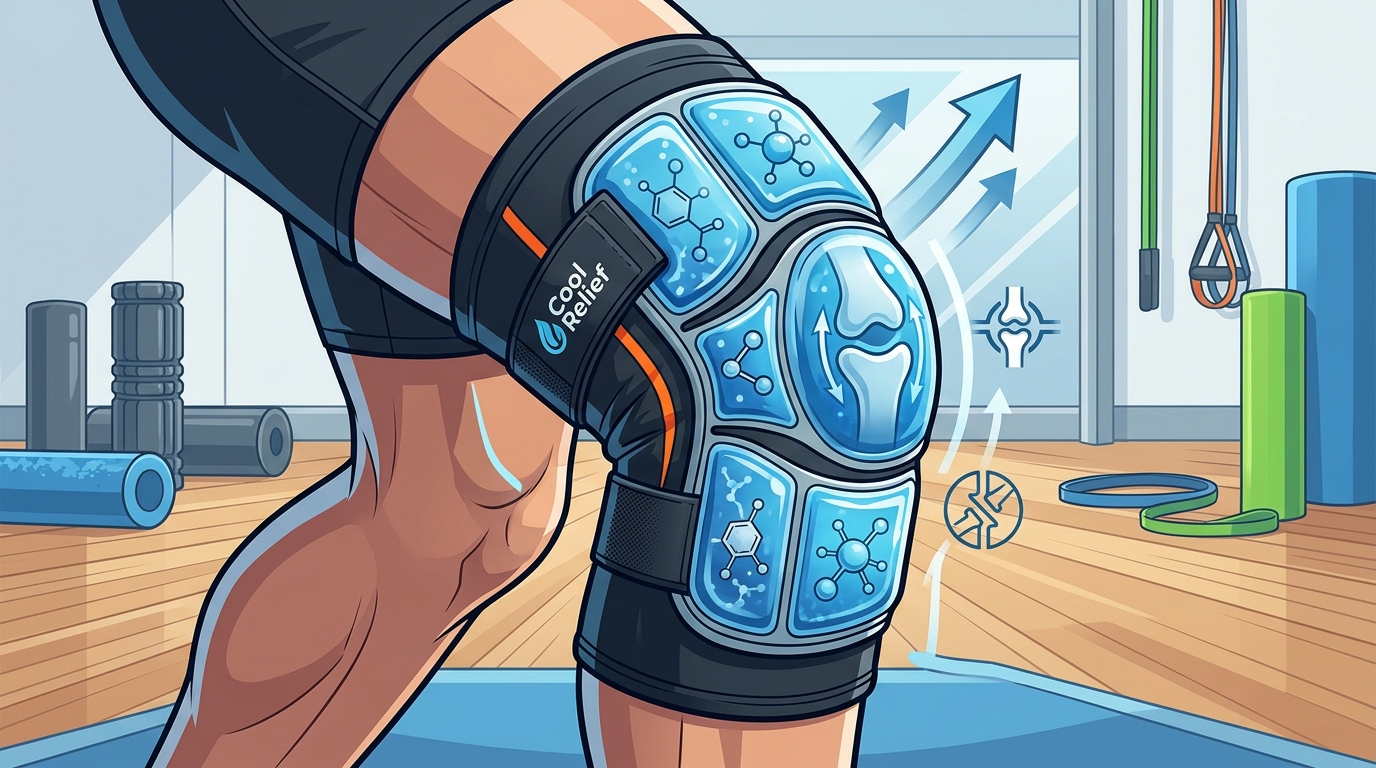
Proper cleaning routines directly extend the functional lifespan of premium recovery equipment. Manufacturers recommend hand washing with mild detergents to preserve hydrogel integrity. Machine washing frequently degrades adhesive fasteners and compromises structural elasticity. Air drying prevents heat damage to polymer matrices and maintains fabric breathability. Hydrogel degradation is the irreversible breakdown of cooling polymers caused by excessive heat exposure or harsh chemical solvents. Athletes should inspect straps monthly for fraying or loss of tensile strength. Replacing worn components restores original compression levels and prevents slippage during movement. Storing wraps in cool, dry environments prevents microbial growth and odor accumulation. Consistent maintenance routines reduce long-term ownership costs and support sustainable training habits. Centers for Disease control guidelines recommend regular equipment sanitization to prevent cross-contamination.
Key Takeaways
- Over 2.6 million annual emergency visits involve knee injuries among competitive athletes.
- Hydrogel matrices maintain optimal cooling temperatures without freezing solid or causing surface burns.
- Twenty-minute application intervals prevent compensatory vasodilation and tissue damage.
- Reinforced hook-and-loop closures adapt to varying limb circumferences for secure compression.
- Hand washing with mild detergents preserves polymer integrity and fastener durability.
- Post-activity application within four hours yields the most significant clinical improvements.
- Reusable gel pack inserts eliminate recurring replacement costs for high-volume training schedules.
Frequently Asked Questions
How long should athletes apply ice wraps after intense training sessions?
Professional guidelines recommend applying cooling therapy for fifteen to twenty minutes per session. This duration effectively reduces localized inflammation without triggering compensatory blood flow. Athletes should repeat applications three to four times daily during acute recovery phases. Consistent scheduling accelerates tissue repair and minimizes post-exercise stiffness.
Can reusable knee wraps replace professional medical treatment for severe injuries?
Thermal therapy serves as a complementary recovery tool rather than a substitute for clinical intervention. Severe ligament tears or structural fractures require immediate physician evaluation and imaging. Athletes should utilize cooling wraps to manage swelling while awaiting professional medical clearance. Combining thermal therapy with structured rehabilitation protocols optimizes long-term joint health.
What is the optimal storage temperature for reusable gel packs?
Manufacturers recommend storing gel inserts between zero and four degrees Celsius for maximum cooling duration. Freezing temperatures below this range may cause polymer crystallization and reduce flexibility. Athletes should avoid direct contact with heating elements or open flames. Proper storage preserves material elasticity and ensures consistent therapeutic performance.
How do I properly clean hydrogel recovery wraps after heavy use?
Hand washing with lukewarm water and mild soap preserves polymer integrity and fabric breathability. Machine washing frequently degrades adhesive fasteners and compromises structural elasticity. Athletes should air dry wraps completely before returning them to storage containers. Consistent cleaning routines prevent bacterial growth and maintain hygienic training standards.
Are compression wraps safe for athletes with circulatory disorders?
Individuals with diagnosed vascular conditions should consult healthcare providers before utilizing compression therapy. Restricted blood flow may exacerbate underlying circulatory complications or cause tissue ischemia. Athletes must monitor skin temperature and report any numbness or discoloration immediately. Professional medical guidance ensures safe application parameters for vulnerable populations.
Final Recommendations
Selecting the optimal cooling apparatus requires matching specific injury patterns with engineered recovery solutions. Premium knee wraps deliver consistent thermal regulation while accommodating dynamic athletic movements. Athletes who prioritize durable materials and precise compression protocols experience faster return-to-play timelines. Explore the complete product catalog to identify the exact configuration required for your training demands. Secure your recovery equipment today and optimize your long-term athletic performance.