

Benefits of Using Compression Ice Wraps for Injury Relief
Chronic inflammation and acute soft tissue injuries affect millions of people annually, often requiring immediate and consistent intervention to prevent long-term damage. According to the American Academy of Orthopaedic Surgeons, proper cold therapy is the first line of defense for reducing swelling and pain in musculoskeletal injuries. Traditional ice packs often fail to maintain contact with the injury site, leading to uneven cooling and rapid warming. This is where compression ice wraps provide a superior clinical advantage by combining thermal therapy with mechanical pressure.
The Mechanism of Compression Ice Therapy
Understanding how compression ice wraps work requires looking at the physiology of tissue injury. When you sustain a sprain, strain, or contusion, blood vessels in the affected area rupture or become permeable. This leads to fluid accumulation, known as edema, which causes pressure on surrounding nerves. Cold therapy is the application of low temperatures to the body to reduce blood flow and metabolic activity in the injured tissue.
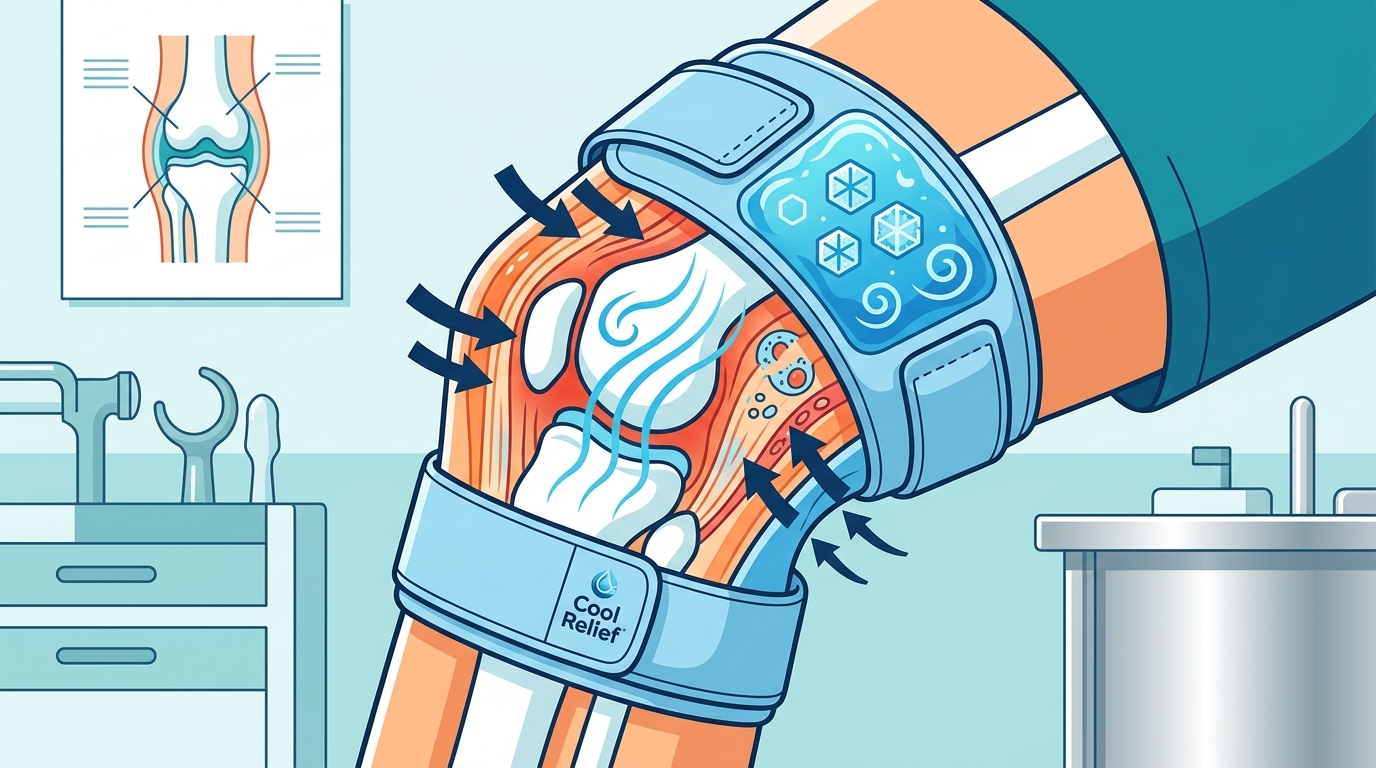
Compression adds a critical layer of efficacy. By applying external pressure, you physically restrict the expansion of tissue spaces, limiting the volume of fluid that can accumulate. When combined with ice, the cold causes vasoconstriction, narrowing the blood vessels. The compression ensures that the cold penetrates deeper into the tissue rather than just chilling the skin surface. This dual-action approach accelerates the healing timeline significantly compared to passive ice application.
For athletes and active individuals, maintaining consistent contact is vital. Standard gel packs slide off joints like knees and shoulders during movement or sleep. A dedicated ice wrap system stays in place, ensuring continuous therapeutic benefit without the need for constant adjustment.
Reducing Swelling and Inflammation
Swelling is the body's natural response to injury, but excessive swelling becomes pathological. It restricts blood flow, delays the removal of waste products, and increases pain levels. The primary benefit of using a compression ice wrap is the aggressive reduction of this edema. By limiting the space available for fluid buildup, the wrap prevents the injury from becoming boggy and stiff.
Research indicates that early intervention with cold compression can reduce the duration of swelling by up to 50% in acute ankle sprains. This rapid reduction is crucial for preventing secondary damage. When tissue remains swollen for too long, it can lead to adhesions and scar tissue formation, which limits future mobility. By controlling the inflammatory response early, you protect the structural integrity of the ligaments and tendons.
Many users find that knee ice wraps are particularly effective for this purpose. The knee joint is complex and prone to significant fluid accumulation after trauma. The wrap's design allows for targeted pressure exactly where it is needed most, making it an essential tool for recovery.
Pain Management and Nerve Conduction
Pain is often the most debilitating aspect of an injury. It disrupts sleep, limits daily activities, and creates a cycle of muscle guarding where surrounding muscles tighten to protect the injured area. Compression ice wraps address pain through two distinct physiological pathways.
First, the cold temperature slows down nerve conduction velocity. This means that pain signals travel more slowly from the injury site to the brain, effectively numbing the area. This provides immediate relief and allows for better rest. Second, the compression component stimulates mechanoreceptors in the skin and underlying tissues. These receptors send non-painful signals to the spinal cord, which can inhibit the transmission of pain signals. This is known as the Gate Control Theory of pain.
For conditions like shoulder ice wraps used for rotator cuff injuries or bursitis, this pain relief is critical. It allows patients to perform gentle range-of-motion exercises earlier in the recovery process, which is vital for preventing frozen shoulder and other stiffness-related complications.
Restoring Mobility and Range of Motion
The ultimate goal of injury treatment is not just pain relief, but the restoration of function. Swelling and pain are the primary barriers to movement. By effectively managing both, compression ice wraps facilitate earlier mobilization. When the joint is less swollen and less painful, patients can engage in physical therapy exercises with greater confidence and less fear of aggravating the injury.
Consistent use of cold compression helps maintain the elasticity of the surrounding tissues. If an injury is left untreated with proper cooling, the tissues can become stiff and contracted. By keeping the area cool and compressed, you preserve the natural glide of tendons and ligaments. This leads to a faster and more complete return to baseline function.
Many back ice wraps are designed to conform to the curvature of the spine and lower back. This anatomical fit ensures that the therapeutic benefits are delivered evenly across the affected muscles, helping to relieve spasms and promote relaxation. This is particularly beneficial for acute lower back pain caused by lifting or sudden movements.
Comparing Ice Wrap Options
Not all cold therapy devices are created equal. The market offers various options, each with distinct advantages depending on the injury location and severity. Understanding these differences helps in selecting the right tool for your specific needs.
| Product Type | Best For | Key Benefit | Typical Use Case |
|---|---|---|---|
| Ankle/Foot Ice Wraps | Ankle sprains, plantar fasciitis | Conforms to joint curves | Post-surgery recovery |
| Knee Ice Wraps | Patellar tendinitis, ligament strains | Deep penetration to joint | Acute trauma management |
| Shoulder Ice Wraps | Rotator cuff injuries, bursitis | Secure fit for large joints | Post-activity inflammation |
| Back Ice Wraps | Lower back spasms, muscle strains | Wide coverage area | Chronic pain flare-ups |
When choosing a wrap, consider the material and the gel pack design. High-quality wraps use durable, waterproof materials that can withstand repeated freezing and washing. The gel packs should remain flexible at low temperatures to ensure they mold to the body. Multi-purpose ice wraps offer versatility for users who suffer from injuries in multiple areas or need a single solution for various sports activities.
Key Takeaways
- Dual Action: Compression ice wraps combine vasoconstriction with mechanical pressure for superior swelling reduction.
- Pain Numbing: Cold therapy slows nerve conduction, providing immediate analgesic effects.
- Early Mobilization: Reduced swelling allows for earlier initiation of physical therapy and movement.
- Consistent Contact: Wraps stay in place better than loose ice packs, ensuring continuous therapy.
- Versatility: Specific designs exist for knees, shoulders, backs, and ankles to target unique anatomical needs.
- Reusability: Quality gel packs are reusable, offering a cost-effective long-term solution for injury management.
- Professional Grade: Many athletes use these wraps for post-competition recovery to maintain peak performance.
Frequently Asked Questions
How long should I use a compression ice wrap?
Typically, you should apply the wrap for 15 to 20 minutes at a time. Leaving it on longer can cause tissue damage or nerve irritation. Allow the skin to return to normal temperature between applications.
Can I use a compression ice wrap while sleeping?
It is generally not recommended to sleep with an ice wrap on due to the risk of frostbite or excessive numbness. However, some compression sleeves can be worn overnight for support, provided they do not contain active cooling elements.
What is the difference between an ice wrap and a regular ice pack?
A regular ice pack relies on gravity and manual holding to stay in place, often leading to uneven cooling. An ice wrap uses straps and elastic materials to maintain constant pressure and contact, ensuring deeper and more consistent thermal transfer.
Are compression ice wraps safe for all types of injuries?
They are safe for most acute soft tissue injuries like sprains and strains. However, you should avoid using them on areas with poor circulation or sensory deficits unless directed by a healthcare provider.
How do I clean a reusable ice wrap?
Most high-quality wraps, such as those found in the CoolRelief collection, are designed to be wiped down with mild soap and water. Always check the manufacturer's instructions to ensure the gel pack remains sealed and the fabric stays hygienic.
Can I alternate between heat and cold therapy?
Yes, alternating heat and cold can be beneficial. Use ice for the first 48 to 72 hours to reduce swelling, then switch to heat to promote blood flow and healing. Always consult a professional for a tailored plan.
Get Started with CoolRelief
Investing in the right cold therapy equipment is a critical step in your recovery journey. Whether you are dealing with a recent sports injury, post-surgical swelling, or chronic joint pain, compression ice wraps offer a clinically proven solution. Visit CoolRelief today to explore our range of premium ice wraps designed for maximum comfort and therapeutic efficacy. Take control of your healing process and get back to doing what you love.