
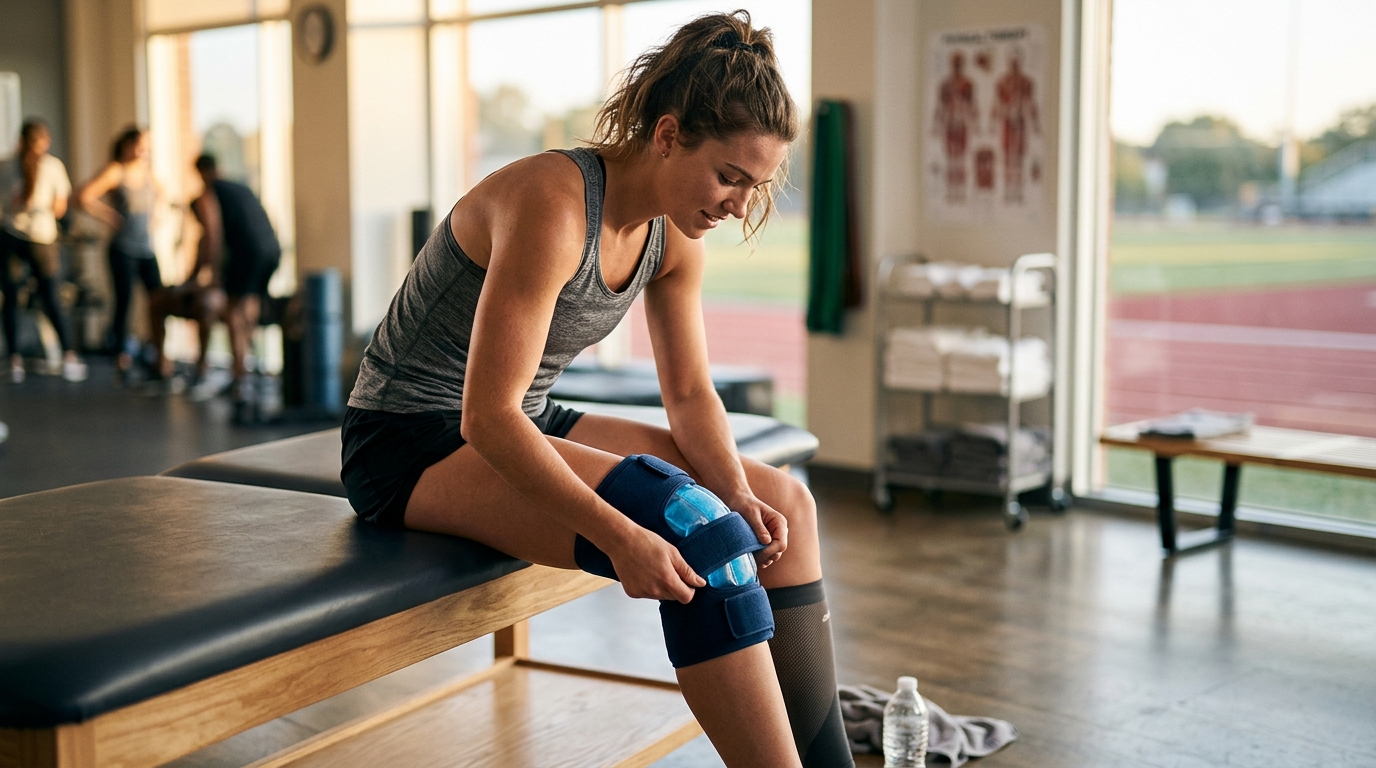
Athletes face significant physical stress that often leads to acute inflammation and chronic joint pain. According to the American Academy of Orthopaedic Surgeons, consistent cryotherapy is a primary method for managing post-exercise swelling and accelerating tissue repair. This guide details the most effective knee ice wraps for athletic recovery, focusing on product mechanics, application protocols, and safety standards.
Understanding Cryotherapy for Athletes
Cryotherapy is the therapeutic use of extreme cold to reduce inflammation and pain. For athletes, the primary goal is to constrict blood vessels in the injured area, which limits internal bleeding and swelling. This process, known as vasoconstriction, helps to numb the nerve endings and reduce the transmission of pain signals to the brain.
Ice wraps are superior to traditional ice packs because they conform to the complex anatomy of the knee joint. A conforming ice wrap is a flexible, reusable device designed to maintain consistent contact with the skin surface. This ensures that the cold therapy is distributed evenly across the anterior, lateral, and medial aspects of the knee.
Research indicates that immediate application of cold therapy after injury can significantly reduce the duration of inflammation. The National Athletic Trainers' Association recommends ice application within the first 48 hours of acute injury to maximize therapeutic benefits. Using a dedicated knee ice wrap allows for hands-free operation, which is critical for athletes who need to maintain mobility while treating their injuries.
Comparison of Ice Wrap Technologies
Not all cold therapy devices function identically. Understanding the differences between gel packs, reusable inserts, and specialized wraps helps athletes choose the right tool for their specific needs. The following table compares the primary options available for knee injury management.
| Product Type | Temperature Retention | Flexibility | Best Use Case |
|---|---|---|---|
| Reusable Gel Pack Inserts | High (up to 45 minutes) | Medium | Deep tissue cooling for chronic pain |
| Pre-filled Knee Ice Wraps | Medium (30-40 minutes) | High | Acute injury and immediate post-game relief |
| Multi-Purpose Ice Wraps | Variable | Very High | Targeted therapy for complex joint angles |
Reusable gel pack inserts offer the longest duration of cold therapy. These packs are designed to be frozen separately and then placed inside a fabric sleeve. This method allows athletes to customize the level of compression and the exact placement of the cold source. The gel material retains cold temperatures longer than standard water-based ice packs, providing sustained relief during extended recovery periods.
Pre-filled knee ice wraps provide immediate convenience. These devices are ready to use straight from the freezer. They typically feature an ergonomic design that wraps securely around the knee using Velcro straps. This design is ideal for athletes who need quick, effective treatment without the hassle of managing separate components. The secure fit ensures that the cold source does not shift during movement or sleep.
Key Features for Athletic Use
When selecting a knee ice wrap, athletes must prioritize features that enhance efficacy and comfort. The following criteria are essential for high-performance recovery tools.
Conformability and Fit
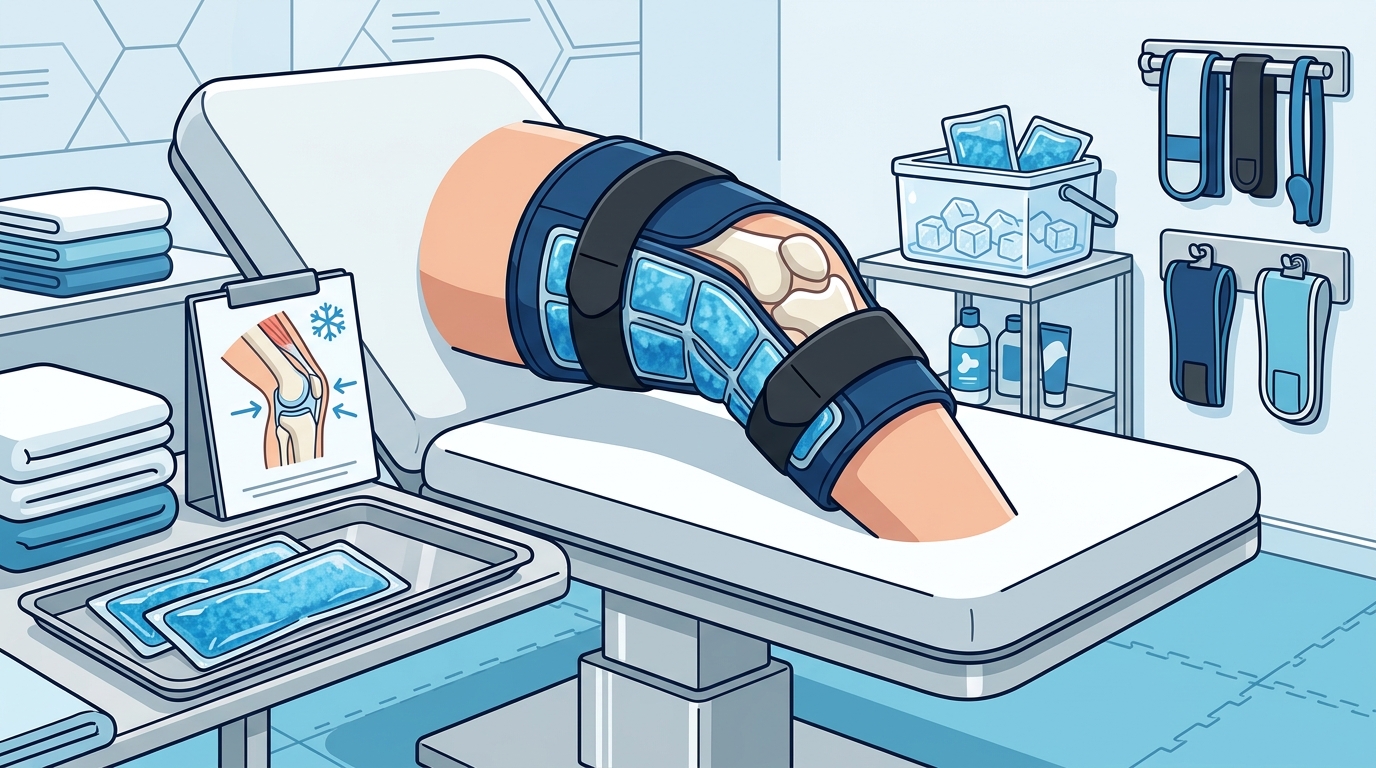
The knee is a hinge joint with a dynamic range of motion. A rigid ice pack cannot provide adequate coverage when the knee is bent. Conformability refers to the ability of the ice wrap to adapt to the contours of the knee joint. High-quality wraps use flexible gel layers or thin, pliable ice packs that mold to the leg. This ensures that the cold therapy reaches the deep tissues of the joint capsule.
Secure Strapping Mechanism
A loose ice wrap is ineffective. The wrap must stay in place during rest and light movement. Heavy-duty Velcro straps are the industry standard for securing ice wraps. These straps allow for adjustable compression, which can help reduce swelling further by promoting lymphatic drainage. Athletes should look for wraps with multiple anchor points to ensure stability.
Material Safety and Hygiene
The outer fabric of the ice wrap must be durable and easy to clean. Moisture-wicking materials prevent sweat buildup, which can lead to skin irritation. Additionally, the material should be impermeable to prevent leaks. A leak-proof barrier is a critical safety feature that protects the user from direct contact with freezing gel or chemicals. Regular cleaning of the fabric cover is necessary to maintain hygiene and prevent bacterial growth.
Proper Application Protocol
Correct application of ice therapy is as important as the device itself. Improper use can lead to tissue damage or ineffective treatment. Follow these steps for optimal results.
- Prepare the Wrap: Remove the ice wrap from the freezer. If using a reusable insert, ensure it is fully frozen. Check for any signs of damage or leakage before use.
- Protect the Skin: Place a thin towel or cloth barrier between the ice wrap and the skin. Direct contact with freezing temperatures can cause ice burns or frostbite. This step is non-negotiable for safety.
- Position the Wrap: Apply the wrap to the affected area of the knee. Ensure it covers the patella and the surrounding ligaments. Use the straps to secure it firmly but not tightly enough to cut off circulation.
- Monitor Duration: Limit ice application to 15-20 minutes at a time. Prolonged exposure can trigger a rebound effect, where blood vessels dilate instead of constricting, increasing swelling.
- Allow Skin Recovery: Remove the wrap and allow the skin to return to normal temperature and color before reapplying. This typically takes 40-60 minutes.
Consistency is key to effective recovery. Athletes should apply ice therapy multiple times a day during the acute phase of an injury. As the injury heals, the frequency can be reduced. Combining ice therapy with elevation and compression (the RICE method) maximizes the reduction of swelling and pain.
Safety Guidelines & Contraindications
While ice therapy is generally safe, there are specific conditions where it should be avoided or used with caution. Understanding these contraindications prevents adverse health outcomes.
Individuals with Raynaud's phenomenon should avoid direct cold application. This condition causes blood vessels in the extremities to spasm in response to cold, leading to pain and tissue damage. Similarly, those with cold urticaria, an allergic reaction to cold temperatures, must consult a physician before using ice wraps.
People with sensory impairments or neuropathy may not feel the cold accurately. This lack of sensation increases the risk of ice burns. Always use a barrier cloth and monitor the skin frequently. If you experience numbness, tingling, or intense pain, remove the wrap immediately.
Do not apply ice to open wounds. Cold temperatures can slow down the healing process and increase the risk of infection. Wait until the wound has closed and the skin is intact before using cryotherapy. Always consult a healthcare professional for severe injuries or persistent pain.
Key Takeaways
- Conforming Design: Knee ice wraps must mold to the joint for effective coverage and deep tissue cooling.
- Duration Limits: Apply ice for 15-20 minutes per session to prevent tissue damage and rebound swelling.
- Barrier Requirement: Always use a cloth barrier to protect the skin from direct freezing contact.
- Reusable Inserts: Gel pack inserts offer longer cold retention compared to standard ice packs.
- Secure Fit: Adjustable straps are essential for maintaining position and providing mild compression.
- Hygiene: Regular cleaning of the fabric cover prevents bacterial growth and skin irritation.
- Professional Advice: Consult a doctor for severe injuries or if you have sensory impairments.
Frequently Asked Questions
How long should I keep an ice wrap on my knee?
You should keep an ice wrap on your knee for 15 to 20 minutes at a time. Applying it for longer periods can cause tissue damage and does not provide additional therapeutic benefits. Allow your skin to return to normal temperature between sessions.
Can I use a knee ice wrap for both acute injuries and chronic pain?
Yes, knee ice wraps are effective for both acute injuries and chronic pain. For acute injuries, ice reduces swelling and inflammation. For chronic pain, such as arthritis, ice can help numb the area and reduce stiffness. Some athletes also use heat wraps for chronic conditions to improve blood flow.
What is the difference between a gel pack and a reusable ice pack?
A gel pack is a specific type of reusable ice pack that contains a non-toxic gel solution. This gel retains cold temperatures longer than water-based ice packs and remains flexible when frozen. Reusable ice packs is a broader term that includes gel packs, water-based packs, and chemical ice packs.
Is it safe to sleep with an ice wrap on?
No, it is not safe to sleep with an ice wrap on. Prolonged exposure to cold temperatures can lead to ice burns, frostbite, and nerve damage. Always remove the wrap before sleeping and allow your skin to recover fully.
How do I clean my knee ice wrap?
Most knee ice wraps have a removable fabric cover that can be machine washed. Follow the manufacturer's instructions for cleaning. The gel pack itself should be wiped clean with a damp cloth and mild soap. Never submerge the gel pack in water unless it is specifically designed to be waterproof.
Can I use a knee ice wrap on other parts of the body?
Yes, knee ice wraps can be used on other parts of the body, such as the shoulder, hip, ankle, and elbow. The flexible design allows for versatile application. However, ensure that the wrap fits securely and provides adequate coverage for the specific injury site.
What are the signs of ice burn?
Signs of ice burn include redness, blistering, numbness, and a waxy or white appearance of the skin. If you experience these symptoms, remove the ice wrap immediately and seek medical attention. Ice burns can cause permanent tissue damage if not treated properly.
How often should I use an ice wrap for recovery?
For acute injuries, use an ice wrap every 2-3 hours during the first 48 hours. For chronic pain, use it as needed to manage symptoms. Consistent application during the acute phase helps reduce swelling and pain more effectively than sporadic use.
Shop Now
Recovery is a critical component of athletic performance. Investing in high-quality knee ice wraps ensures that you can manage pain and inflammation effectively. CoolRelief offers a range of premium ice wraps designed for maximum comfort and therapeutic benefit. Explore our full collection of ice and heat wraps to find the perfect solution for your needs. Visit our Pain Relief Guide for more expert advice on managing your injuries. Shop now to start your recovery journey.