

Chronic inflammation and acute sports injuries affect millions of people annually, often leading to prolonged recovery times and reduced mobility. According to data from the American Academy of Orthopaedic Surgeons, proper ice therapy is a critical first-line treatment for reducing swelling and pain in soft tissue injuries. Compression ice wraps have emerged as a superior delivery method compared to traditional ice packs because they combine cold therapy with mechanical pressure. This dual-action approach accelerates the healing process while minimizing the risk of further tissue damage. Understanding how these devices work can help you make informed decisions about your recovery protocol.
The Mechanism of Compression Ice Therapy
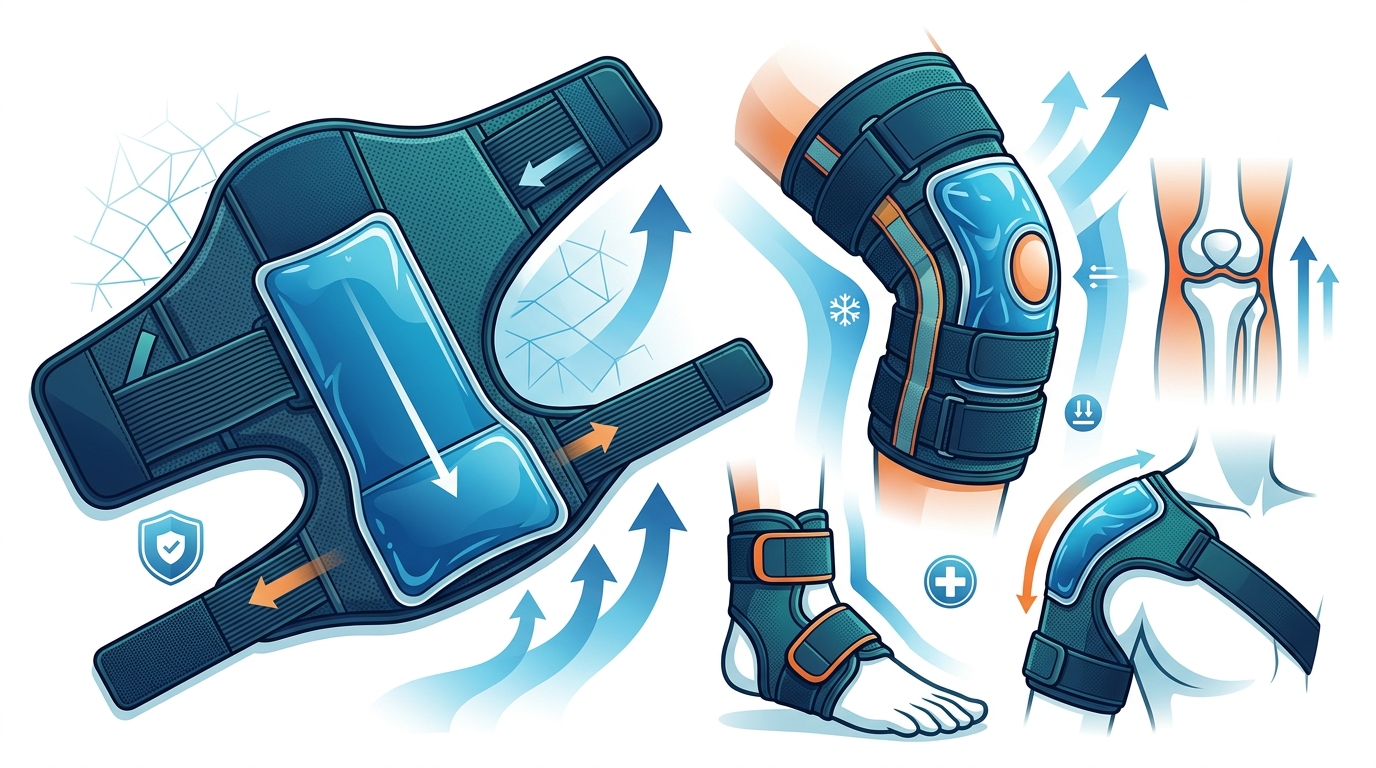
Compression ice wraps function by delivering consistent cold temperatures while applying uniform pressure to the injured area. This combination is scientifically proven to be more effective than ice alone. A compression ice wrap is a therapeutic device that uses elastic straps to hold a gel pack against the skin, ensuring maximum contact and pressure.
When you apply cold to an injury, your blood vessels constrict. This process, known as vasoconstriction, reduces blood flow to the area. Simultaneously, the compression prevents fluid from accumulating in the surrounding tissues. Without compression, ice can melt quickly, leading to uneven cooling and potential skin irritation. With a wrap, the cold is retained longer, and the pressure is distributed evenly.
Traditional ice packs often slip off or require constant manual holding. Compression wraps solve this problem by allowing you to move freely while maintaining therapeutic conditions. This is particularly useful for joints like the knee, shoulder, and ankle, where movement is difficult during the initial healing phase. For more details on how these devices are constructed, you can explore the product collections available on our site.
Reducing Swelling and Inflammation
Swelling is the body's natural response to injury, but excessive fluid buildup can cause more pain and delay healing. Compression ice wraps directly target this issue by limiting the space available for fluid accumulation. The mechanical pressure forces interstitial fluid back into the lymphatic system, where it can be drained effectively.
Research indicates that early application of compression and cold therapy can significantly reduce the volume of edema in acute injuries. This is crucial for athletes who need to return to play quickly. By controlling swelling, you also reduce the pressure on nerve endings, which contributes to pain relief. The Pain Relief Guide offers additional insights into managing inflammation through non-invasive methods.
Using a reusable gel pack insert within the wrap ensures that the cold source remains flexible and conforms to the body's contours. This adaptability is key to maintaining consistent pressure across irregular surfaces like the knee or elbow. If you are looking for durable solutions, consider the ankle and foot ice wraps designed for high-impact activities.
Pain Management and Nerve Desensitization
Pain is often the most immediate concern after an injury. Compression ice wraps provide rapid pain relief by slowing down nerve conduction velocity. When cold is applied to the skin, the nerves transmit signals more slowly to the brain. This results in a numbing effect that can last for hours after the wrap is removed.
The compression component adds to this effect by providing proprioceptive feedback. Proprioception is the body's ability to sense its position in space. By applying pressure, the wrap sends signals to the brain that can override pain signals, a phenomenon known as the gate control theory of pain. This dual mechanism makes compression wraps highly effective for both acute and chronic pain conditions.
For those suffering from conditions like arthritis or tendonitis, consistent use of cold therapy can reduce flare-ups. The shoulder ice wraps are particularly popular among individuals with rotator cuff issues, as they provide targeted relief without restricting blood flow entirely. Always follow medical advice when using cold therapy for chronic conditions.
Restoring Mobility and Range of Motion
One of the most significant benefits of using compression ice wraps is the preservation of mobility. When an injury occurs, the body often locks up to protect the area, leading to stiffness and reduced range of motion. By reducing pain and swelling quickly, these wraps allow patients to begin gentle movement sooner.
Early mobilization is critical for preventing scar tissue formation and muscle atrophy. Compression wraps make this possible by providing support while the tissue heals. The elastic nature of the wraps mimics the support of a brace, offering stability without the rigidity of a cast. This is especially important for joint injuries where flexibility is key to recovery.
Many physical therapists recommend compression ice wraps as part of a comprehensive rehabilitation plan. They can be used before and after physical therapy sessions to manage post-exercise inflammation. For specialized needs, such as facial or neck injuries, the face and neck ice wrap provides a gentle yet effective solution. Proper use of these devices can shorten the overall recovery timeline.
Choosing the Right Ice Wrap
Selecting the correct compression ice wrap depends on the location and severity of the injury. Different body parts require different shapes and levels of compression. Below is a comparison of common options to help you make an informed choice.
| Product Type | Best For | Key Benefit |
|---|---|---|
| Knee Ice Wrap | ACL injuries, arthritis, sports trauma | High compression and joint contouring |
| Shoulder Ice Wrap | Rotator cuff strains, dislocations | Wide coverage for large muscle groups |
| Ankle Ice Wrap | Sprains, fractures, post-surgery | Secure fit for irregular joint shapes |
| Back Ice Wrap | Muscle spasms, lower back pain | Long design for spinal alignment |
When choosing a wrap, consider the material quality and the ease of use. Reusable gel packs are more cost-effective and environmentally friendly than disposable ice packs. They also maintain cold temperatures longer due to their higher thermal mass. For more information on our product features, visit the collections page.
Key Takeaways
- Compression ice wraps combine cold therapy with mechanical pressure for superior pain relief.
- They reduce swelling by limiting fluid accumulation and promoting lymphatic drainage.
- Nerve conduction velocity is slowed by cold, providing immediate numbing effects.
- Early use of compression wraps can restore mobility and prevent stiffness.
- Reusable gel packs offer better thermal retention and cost savings over time.
- Proper fit is essential for effective compression, especially for joints like the knee and ankle.
- Consult a healthcare professional for severe injuries before starting self-treatment.
Frequently Asked Questions
How long should I use a compression ice wrap?
Typically, you should apply a compression ice wrap for 15 to 20 minutes at a time. This duration is sufficient to reduce inflammation without causing tissue damage. Allow the skin to return to normal temperature between applications.
Can I use a compression ice wrap on a fresh injury?
Yes, compression ice wraps are ideal for fresh injuries. They help control bleeding and swelling in the first 48 hours. Apply the wrap as soon as possible after the injury occurs for best results.
Are compression ice wraps safe for sensitive skin?
Most compression ice wraps are made with hypoallergenic materials. However, it is important to place a thin barrier between the gel pack and your skin to prevent ice burns. Always check the product specifications for material details.
How do I clean a reusable ice wrap?
Most reusable ice wraps can be wiped down with a mild disinfectant. The gel packs should be removed before cleaning to prevent leakage. Follow the manufacturer's instructions for specific care guidelines.
What is the difference between an ice wrap and a heating pad?
Ice wraps are used for acute injuries to reduce swelling and pain. Heating pads are used for chronic conditions to relax muscles and improve blood flow. Using ice on a chronic muscle strain can sometimes worsen the condition.
Can I wear a compression ice wrap while sleeping?
It is generally not recommended to wear a compression ice wrap while sleeping. Prolonged exposure to cold can cause nerve damage, and the compression may become too tight as swelling changes. Remove the wrap before resting.
Do compression ice wraps work for arthritis pain?
Yes, many people find relief from arthritis pain using compression ice wraps. The cold reduces inflammation in the joints, while the compression provides support. However, some individuals with arthritis may respond better to heat therapy.
Start Your Recovery Today
Recovering from an injury requires the right tools and knowledge. Compression ice wraps offer a proven, effective way to manage pain and swelling. By choosing high-quality products from CoolRelief, you can accelerate your healing process. Visit our shop to find the perfect wrap for your needs. Take control of your recovery and get back to doing what you love.