

Chronic inflammation and acute injuries require immediate, targeted intervention to reduce swelling and manage pain effectively. According to the American Academy of Orthopaedic Surgeons, applying ice to an injured area can help reduce swelling and pain, making the selection of the right cold therapy device critical for recovery. Many patients struggle to find products that stay in place, maintain temperature, and fit their specific anatomy. This guide breaks down the essential criteria for selecting the optimal ice wrap, ensuring you get the most out of your cold therapy routine.
Understanding Cold Therapy Mechanics
Cold therapy, or cryotherapy, works by constricting blood vessels in the targeted area. This process, known as vasoconstriction, reduces blood flow to the injured tissue, which in turn limits swelling and inflammation. The numbing effect of cold also helps to block pain signals from reaching the brain, providing immediate relief.
However, the effectiveness of this treatment depends entirely on the delivery method. A standard bag of frozen peas might work in a pinch, but it lacks the consistency and longevity of a purpose-built medical device. To achieve quick pain relief, you need a product that conforms to your body and maintains a therapeutic temperature for an extended period.
Gel Packs vs. Traditional Ice
When choosing an ice pack, the material is the first decision point. Traditional ice cubes or frozen water bags are rigid and difficult to shape. They also melt quickly, leading to wetness and a loss of therapeutic effect.
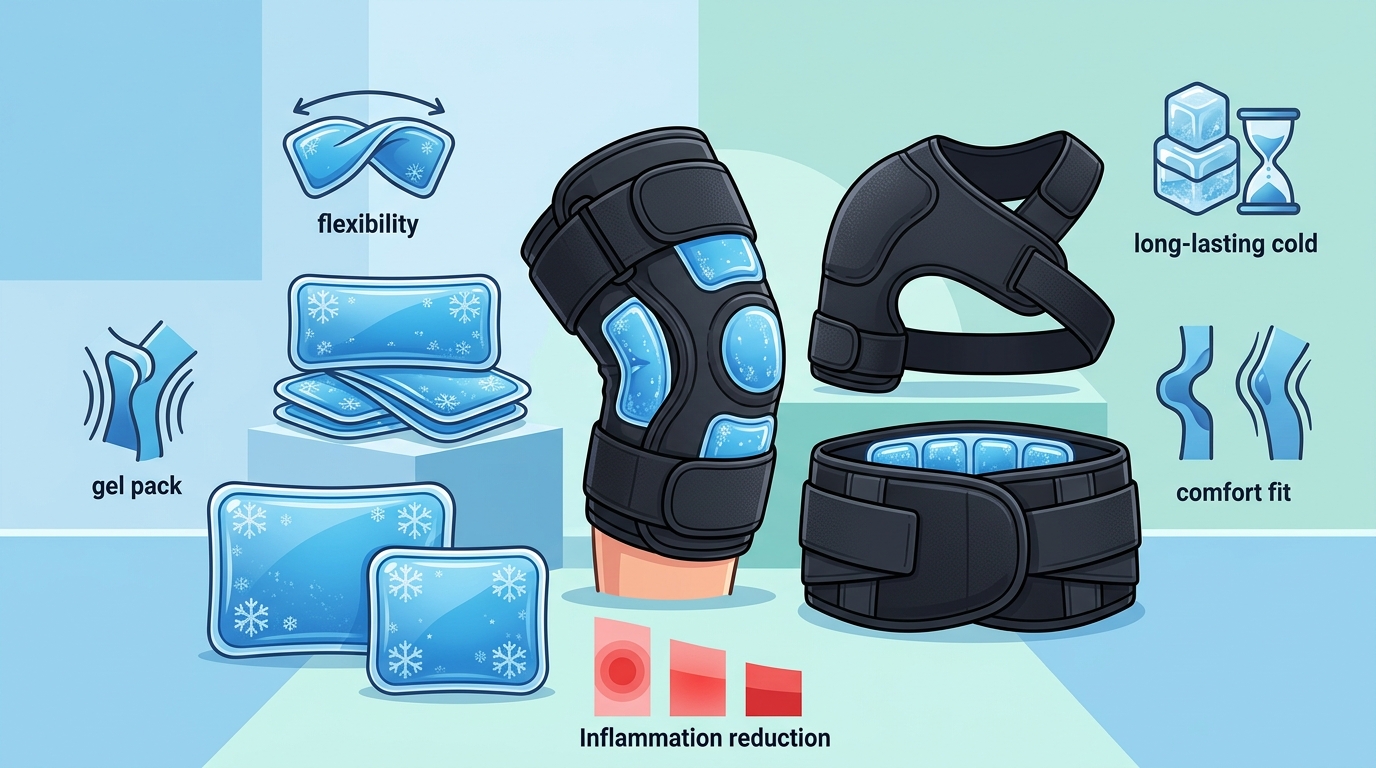
Hydrogel ice packs are the superior choice for modern pain management. These packs are filled with a specialized gel that remains pliable even when frozen. This flexibility allows the pack to mold to the contours of your body, ensuring maximum surface contact. Better contact means more efficient heat transfer from your body to the pack, resulting in faster and deeper cooling.
According to clinical studies on cryotherapy, hydrogel packs maintain their cold temperature longer than traditional ice, providing sustained relief without the mess of melting water. This makes them ideal for post-surgery recovery or managing chronic conditions like arthritis.
Anatomical Fit and Contouring
Not all injuries are created equal. A knee injury requires a different approach than a shoulder or hip injury. The best ice wrap sets are designed with specific anatomical regions in mind.
Knee and Joint Wraps
For joints like the knee, ankle, or elbow, you need a wrap that can navigate the complex geometry of the joint. Look for products with contoured designs that hug the joint without slipping. A wrap that is too flat will bunch up and create pressure points, while one that is too bulky may not fit inside clothing.
Back and Hip Wraps
Large surface areas like the lower back or hip require broader coverage. Multi-purpose wraps or large gel packs that can be positioned strategically are often more effective than small, localized packs. These wraps should be flexible enough to bend with your spine or hip movement.
Secure Fitting and Mobility
The most effective ice pack is one that stays in place. If you are constantly readjusting your wrap, you are interrupting the cold therapy process and reducing its efficacy.
Look for wraps with secure fastening systems. Velcro straps are common and allow for adjustable tension, ensuring the pack stays put during movement. Some advanced wraps feature elastic bands or compression sleeves that provide additional support while holding the gel pack in position.
Consider your lifestyle. If you need to move around the house or perform light activities, a wrap that allows for mobility is essential. Products like the Cool Relief ice wraps are designed to keep you mobile while delivering targeted cold therapy. This is particularly important for patients recovering from surgery who need to navigate their home environment safely.
Product Comparison Matrix
To help you make an informed decision, here is a comparison of common cold therapy options available on the market.
| Product Type | Best For | Pros | Cons |
|---|---|---|---|
| Hydrogel Knee Wrap | Knee injuries, post-surgery | Conforms to joint, stays cold longer, secure fit | Higher initial cost |
| Reusable Gel Pack | Shoulder, hip, back | Versatile, moldable, cost-effective | May require a separate sleeve or wrap |
| Traditional Ice Bag | Quick, temporary relief | Low cost, widely available | Melts quickly, hard to shape, messy |
| Instant Cold Pack | On-the-go, acute trauma | No freezing required, immediate use | Single-use, less durable, shorter duration |
For long-term management, reusable hydrogel packs offer the best value and performance. They can be frozen repeatedly and provide consistent therapeutic benefits. For those seeking premium options, exploring the complete collection of ice wraps can help you find the perfect fit for your specific needs.
Key Takeaways
- Material Matters: Hydrogel packs stay flexible when frozen, providing better contact and longer-lasting cold than traditional ice.
- Anatomical Specificity: Choose wraps designed for your specific injury site, such as ankle and foot wraps for lower limb injuries.
- Secure Fit is Critical: Adjustable straps and elastic bands ensure the pack stays in place, maximizing therapy time.
- Reusability: Reusable gel packs are cost-effective and environmentally friendly compared to single-use instant packs.
- Comfort and Mobility: Look for products that allow you to move comfortably, aiding in daily activities during recovery.
- Quality Assurance: Brands like Cool Relief offer specialized designs for various body parts, ensuring optimal coverage and comfort.
- Consult Professionals: Always follow your doctor's advice on ice therapy duration and frequency for your specific condition.
Frequently Asked Questions
How long should I apply an ice pack to an injury?
General medical guidelines recommend applying ice for 15 to 20 minutes at a time. Applying it for longer can damage the skin and underlying tissues. Always allow your skin to return to normal temperature between applications.
Can I use an ice wrap while sleeping?
It is generally not recommended to sleep with an ice pack on. You may not be able to monitor the temperature or remove it if it becomes too cold, increasing the risk of frostbite or skin damage.
Are hydrogel ice packs safe for sensitive skin?
Yes, hydrogel packs are typically safe for sensitive skin. However, it is always a good idea to place a thin towel between the pack and your skin to prevent direct contact and reduce the risk of ice burns.
How do I clean a reusable ice wrap?
Most reusable ice wraps can be wiped down with a mild soap and water solution. Check the manufacturer's instructions for specific cleaning guidelines. Some wraps are machine washable, while others require hand washing only.
What is the difference between an ice wrap and a heat wrap?
Ice wraps are used for acute injuries and inflammation to reduce swelling and numb pain. Heat wraps are used for chronic pain and muscle stiffness to increase blood flow and relax muscles. Some products offer dual functionality, allowing you to switch between cold and heat therapy.
Where can I buy high-quality ice wraps?
You can purchase high-quality ice wraps from specialized retailers like Cool Relief, which offers a wide range of products designed for specific body parts and injuries.
Do ice wraps work for arthritis pain?
Yes, ice wraps can be very effective for managing arthritis pain. They help reduce inflammation in the joints and provide temporary pain relief. Many patients find that alternating between ice and heat therapy provides the best results.
Start Your Recovery
Choosing the right ice pack and wrap set is a crucial step in your pain management journey. By prioritizing anatomical fit, material quality, and secure fitting, you can ensure effective and comfortable cold therapy. Explore the premium ice wrap collection at Cool Relief to find the perfect solution for your needs. Take control of your recovery today.