

Benefits of Using Compression Ice Wraps for Injury Relief
Chronic pain and acute injuries affect millions of people globally, often disrupting daily routines and long-term mobility. According to the Centers for Disease Control and Prevention, a significant portion of the adult population experiences persistent musculoskeletal issues that require consistent management. Compression ice wraps have emerged as a critical tool in this landscape, offering a dual-action approach that addresses both inflammation and structural support. Understanding how these devices work can help you make informed decisions about your recovery process. (Products ndash Ice Wraps)
The Mechanism of Action
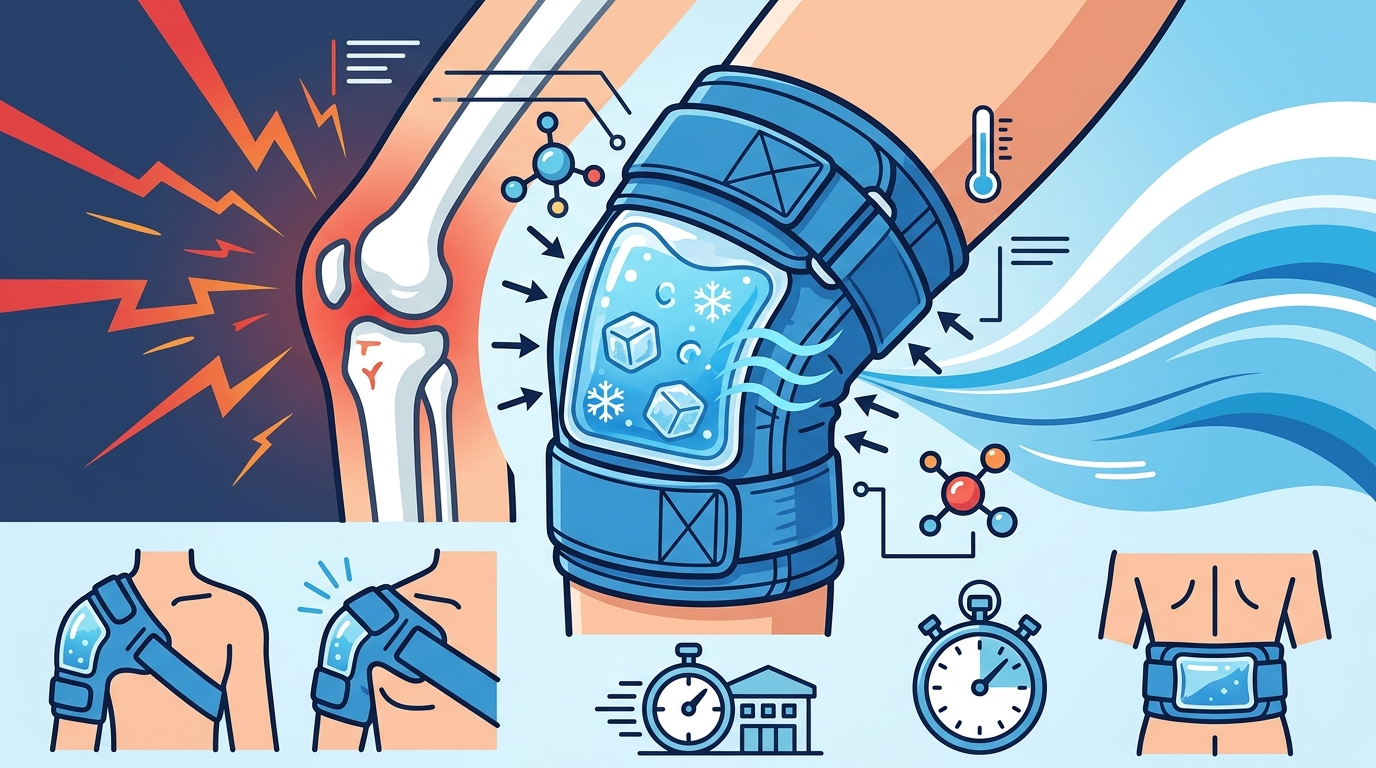
Compression ice wraps function by combining two distinct therapeutic principles: cryotherapy and mechanical compression. Cryotherapy involves the application of cold to the body to reduce blood flow to the affected area. This reduction in circulation helps to minimize swelling and numb pain signals. Mechanical compression adds a layer of physical pressure that further restricts fluid accumulation and provides structural stability to the injured joint.
A compression ice wrap is a specialized therapeutic device that integrates a cold gel pack with an elastic bandage system to deliver targeted relief. Unlike traditional ice packs that slip and melt quickly, these wraps maintain consistent contact with the skin. This consistency is vital for effective treatment. The gel packs are designed to conform to the body's contours, ensuring that the cold therapy reaches the deepest tissues without causing surface damage.
The combination of these two factors creates a synergistic effect. The compression prevents the body from sending excess fluid to the injury site, while the cold slows down the metabolic rate of the cells in that area. This dual action significantly reduces the risk of secondary tissue damage. It also accelerates the initial phase of healing by controlling the inflammatory response.
Key Benefits of Compression Ice Wraps
Using compression ice wraps offers several distinct advantages over traditional ice application methods. These benefits make them a preferred choice for athletes, post-surgical patients, and individuals managing chronic pain.
Enhanced Pain Management
Pain relief is the most immediate benefit of using these wraps. The cold temperature numbs the nerve endings in the affected area, providing rapid relief from sharp or throbbing pain. This numbing effect allows patients to move more comfortably and reduces the reliance on oral pain medication. Many users report a significant decrease in pain levels within minutes of application.
Reduced Inflammation and Swelling
Inflammation is the body's natural response to injury, but excessive swelling can delay healing and cause additional discomfort. Compression ice wraps help to limit this swelling by restricting blood flow to the area. The elastic bandage ensures that the pressure is evenly distributed, preventing fluid buildup. This reduction in swelling helps to restore range of motion faster than ice alone.
Improved Mobility and Stability
Traditional ice packs often require you to hold them in place, which can be difficult and uncomfortable. Compression ice wraps stay securely in position, allowing you to move around while receiving treatment. This mobility is crucial for maintaining muscle tone and preventing stiffness. The support provided by the wrap also helps to stabilize the injured joint, reducing the risk of further injury during daily activities.
Convenience and Reusability
Modern compression ice wraps are designed for convenience. They are reusable, cost-effective, and easy to store. The gel packs can be frozen and refrozen multiple times, making them a sustainable option for long-term pain management. Many models are also waterproof, allowing for use in the shower or bath, which is particularly beneficial for post-surgical care.
Comparing Ice Wrap Types
Not all ice wraps are created equal. Choosing the right type depends on the location of the injury and the specific needs of the patient. Below is a comparison of common ice wrap options available from Cool Relief.
| Product Type | Best For | Key Feature | Price Range |
|---|---|---|---|
| Knee Ice Wraps | Knee injuries, arthritis, post-surgery | Hinged or open-patella design for support | $30 - $50 |
| Shoulder Ice Wraps | Shoulder dislocations, rotator cuff injuries | Anatomical fit for shoulder contour | $35 - $60 |
| Ankle/Foot Ice Wraps | Ankle sprains, foot inflammation | Flexible gel for complex joint shapes | $25 - $45 |
| Back Ice Wraps | Lower back pain, muscle spasms | Large surface area coverage | $40 - $70 |
| Reusable Gel Pack Inserts | Customizable fit for any body part | Can be used with any elastic wrap | $15 - $30 |
Proper Application Techniques
To maximize the benefits of compression ice wraps, it is essential to apply them correctly. Improper use can lead to ineffective treatment or even skin damage. Follow these steps for optimal results.
Preparation
Start by removing the gel pack from the freezer. If the pack is too rigid, let it sit at room temperature for a few minutes to become more pliable. Ensure the skin is clean and dry before application. Avoid applying the wrap directly to broken skin or open wounds.
Application
Place the gel pack over the injured area. Secure the wrap using the elastic bandage or Velcro straps. The wrap should be snug but not too tight. You should be able to slip a finger under the edge of the wrap. If you experience numbness, tingling, or increased pain, loosen the wrap immediately.
Duration and Frequency
Apply the ice wrap for 15 to 20 minutes at a time. Prolonged exposure to cold can damage the skin and underlying tissues. Allow the skin to return to its normal temperature between applications. Repeat this process every two to three hours during the first 48 to 72 hours after an injury. For chronic conditions, consult with a healthcare provider for a tailored schedule.
Post-Application Care
After removing the wrap, gently massage the area to promote blood flow. Check the skin for any signs of irritation or frostbite. If the skin appears red or blistered, discontinue use and seek medical advice. Store the gel pack in the freezer for future use.
Key Takeaways
- Dual Action Therapy: Compression ice wraps combine cryotherapy with mechanical support to reduce pain and swelling more effectively than ice alone.
- Enhanced Mobility: Unlike traditional ice packs, compression wraps stay in place, allowing for movement and continuous treatment.
- Targeted Relief: Gel packs conform to body contours, ensuring that cold therapy reaches the deepest tissues of the injury.
- Versatile Applications: These wraps are suitable for a wide range of injuries, including knee, shoulder, ankle, and back pain.
- Cost-Effective: Reusable gel packs provide long-term value compared to single-use ice packs or frequent clinic visits.
- Post-Surgical Care: Compression ice wraps are ideal for managing swelling and pain after orthopedic surgeries.
- Proper Usage: Limit application to 15-20 minutes per session to prevent skin damage and ensure safety.
Frequently Asked Questions
How long should I use a compression ice wrap?
It is recommended to use a compression ice wrap for 15 to 20 minutes at a time. Applying it for longer periods can lead to skin damage or nerve injury. Allow the skin to return to normal temperature between sessions.
Can I use a compression ice wrap on an open wound?
No, you should never apply an ice wrap directly to an open wound. The gel pack should be covered by a barrier, such as a towel or the wrap's fabric, to prevent infection and ensure hygiene.
Are compression ice wraps safe for daily use?
Yes, compression ice wraps are generally safe for daily use, especially for chronic conditions. However, it is important to follow the recommended duration and frequency to avoid adverse effects. Consult with a healthcare provider for personalized advice.
How do I clean a compression ice wrap?
Most compression ice wraps can be cleaned by wiping the fabric with a damp cloth and mild soap. Avoid machine washing the gel pack, as this can damage the internal structure. Allow the wrap to air dry completely before storing.
What is the difference between a heat wrap and an ice wrap?
Ice wraps are used to reduce inflammation and numb pain, typically in the first 48 hours after an injury. Heat wraps are used to relax muscles and improve blood flow, often for chronic pain or stiffness. Using the wrong type can exacerbate certain conditions.
Can I wear a compression ice wrap while sleeping?
It is not recommended to wear a compression ice wrap while sleeping. Prolonged exposure to cold and pressure can cause skin damage and restrict blood flow excessively. Remove the wrap before going to bed.
How do I know if the compression is too tight?
If you experience numbness, tingling, coldness, or increased pain, the compression is likely too tight. Loosen the wrap immediately and reapply it with less pressure. Proper compression should feel snug but comfortable.
Start Your Recovery
Recovering from an injury requires the right tools and knowledge. Compression ice wraps offer a proven, effective solution for managing pain and swelling. Explore our comprehensive collection of premium ice wraps designed for every part of the body. Visit our Pain Relief Guide for more expert tips and start your journey to better health today.