
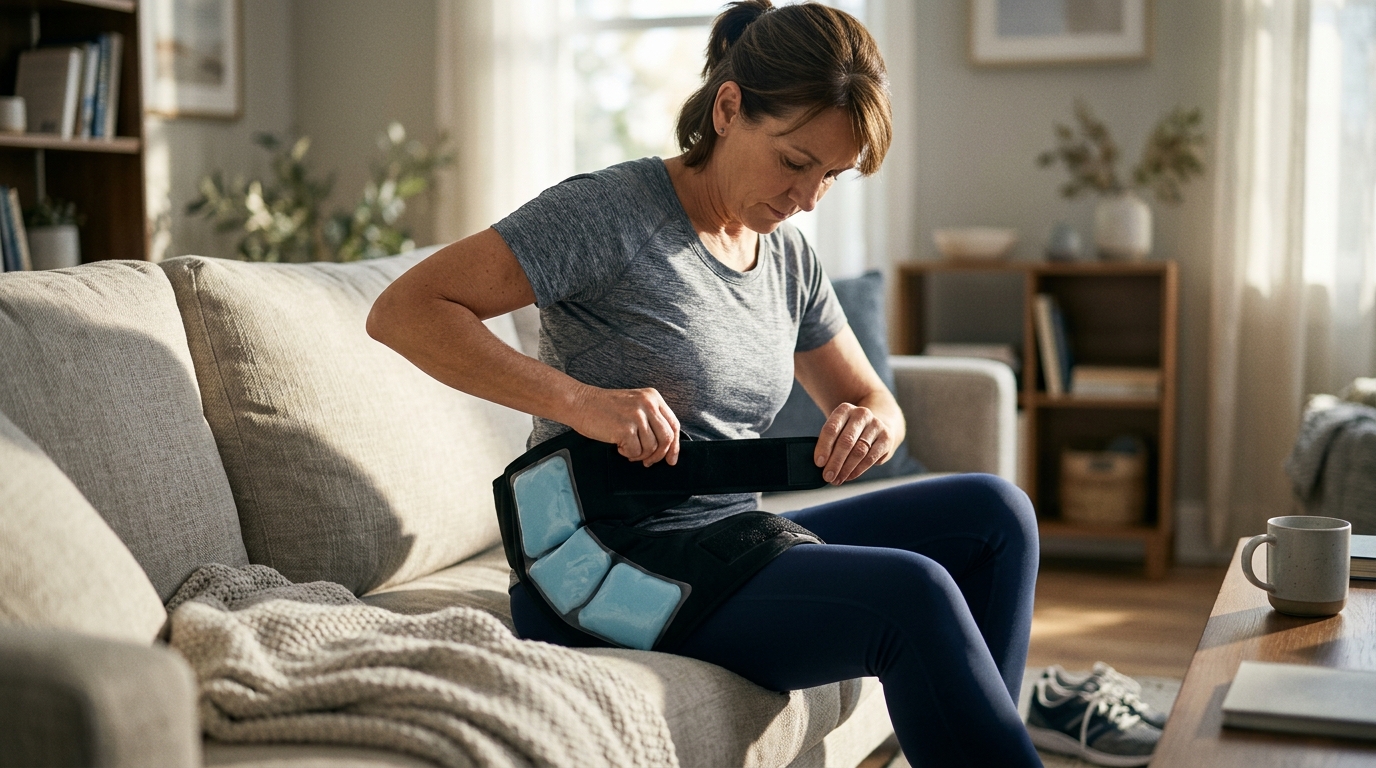
Chronic hip pain or post-surgical swelling requires targeted cold therapy to reduce inflammation effectively. According to the American Academy of Orthopaedic Surgeons, consistent ice application is critical for managing acute joint injuries and reducing recovery time. However, the efficacy of this treatment depends entirely on the fit of the device. A poorly fitted wrap fails to maintain thermal contact, leading to uneven cooling and potential skin irritation. This guide details the precise steps to secure a Cool Relief hip ice wrap for maximum therapeutic benefit. (Cool Relief Ice Wraps)
Understanding the Wrap Design
Cool Relief manufactures specialized ice wraps designed to conform to the complex anatomy of the human hip. Unlike generic ice packs that slide off uneven surfaces, these wraps utilize a contoured gel pack insert. This design ensures that the cold source remains in direct contact with the painful area, whether it is the anterior (front) or lateral (side) hip. (Collections ndash Ice Wraps)
The hip region involves large muscle groups and bony prominences. A standard rectangular pack cannot bridge the gap between the iliac crest and the femur. Cool Relief addresses this by offering specific hip ice wraps that curve to match the body's natural shape. Understanding this anatomical alignment is the first step in ensuring a proper fit.
Measuring Your Hip Circumference
Before applying the wrap, you must verify that the product matches your body dimensions. Most Cool Relief hip wraps are designed to accommodate a wide range of sizes, but individual variance exists. Use a soft measuring tape to determine your hip circumference at the widest point of your hips and buttocks.
If you are recovering from hip replacement surgery, your surgeon may have specific recommendations regarding wrap size. Generally, the wrap should be able to overlap itself by at least two inches when fully secured. If the straps cannot overlap, the wrap is too small. If there is excessive material bunching, it may be too large, reducing the effectiveness of the cold therapy.
Positioning the Gel Pack
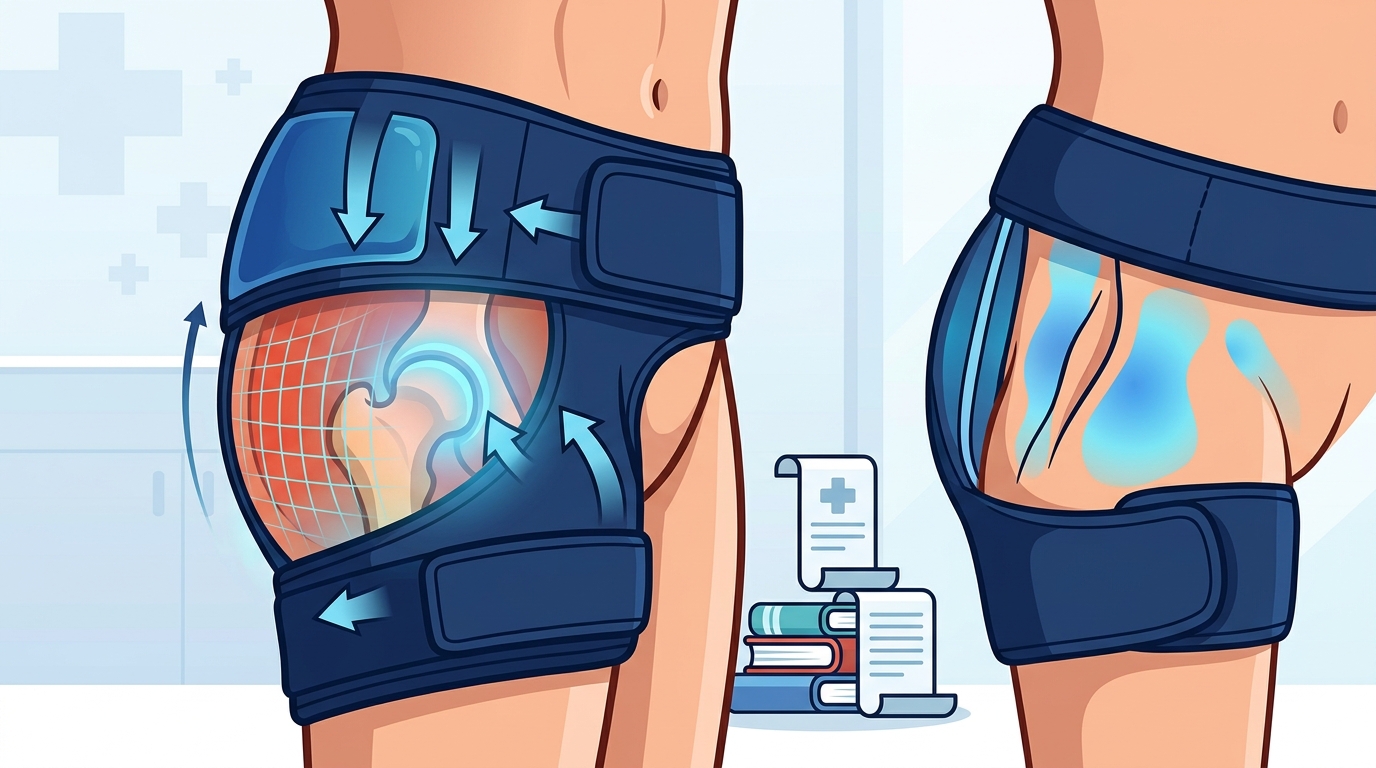
Proper placement of the gel pack is non-negotiable for effective pain relief. The gel pack must be centered directly over the source of inflammation. For lateral hip pain, such as bursitis, the pack should sit on the outer hip bone. For anterior pain, it should rest just below the groin area.
Ensure the gel pack is flat against the skin or clothing. Air pockets between the gel and the body act as insulators, preventing the cold from penetrating deep into the tissue. If using a reusable gel pack insert, ensure it is fully frozen and pliable. A frozen pack that is too rigid may not conform to the hip's curvature, creating gaps that compromise the fit.
Securing the Straps Correctly
The Cool Relief hip wrap utilizes durable hook-and-loop fasteners to secure the device. To achieve a proper fit, follow these steps:
- Initial Placement: Wrap the band around your hip, ensuring the gel pack is centered over the target area.
- Tension Adjustment: Pull the strap firmly but not tightly. The goal is compression, not constriction. You should feel a snug hold that prevents the pack from shifting.
- Fastening: Apply the hook-and-loop fastener. Ensure the strap is aligned horizontally across the hip. Diagonal strapping can cause the pack to slide downward during movement.
- Overlap Verification: Check that the strap has sufficient overlap. A minimum of two inches of overlap ensures that the tension remains consistent throughout the therapy session.
Improper strapping is the most common cause of fit failure. If the strap is too loose, the gel pack will migrate away from the pain site. If it is too tight, it may restrict blood flow, leading to numbness or tingling in the surrounding tissues.
Checking the Seal and Comfort
Once the wrap is secured, perform a mobility check. Stand up and walk slowly. The wrap should stay in place without requiring constant adjustment. If the gel pack shifts, the fit is inadequate. You may need to re-tighten the straps or adjust the angle of the wrap.
Additionally, check for pressure points. The edges of the wrap should not dig into the skin. Cool Relief designs their wraps with soft, breathable materials to minimize irritation. However, individual skin sensitivity varies. If you experience discomfort, loosen the straps slightly and re-secure them evenly.
Optimizing Therapy Time
A proper fit also involves managing the duration of use. Even with a perfect fit, leaving an ice wrap on for too long can cause tissue damage. The standard medical recommendation is to apply ice for 15 to 20 minutes at a time. This duration allows the cold to penetrate the joint without causing frostbite or nerve damage.
Allow your skin to return to normal temperature between sessions. Typically, you should wait at least one hour before reapplying the wrap. Consistent, timed applications are more effective than prolonged, continuous exposure. For post-surgical care, follow your surgeon's specific protocol, which may dictate a stricter schedule.
Frequently Asked Questions
Can I wear the hip ice wrap over clothing?
Yes, you can wear the wrap over thin, breathable clothing. However, direct skin contact or a thin barrier provides the most effective cold transfer. Avoid thick layers of fabric, as they insulate the skin from the cold gel pack.
How do I know if the wrap is too tight?
If you experience numbness, tingling, or a change in skin color below the wrap, it is too tight. Loosen the straps immediately. A proper fit should feel snug and supportive, not constricting.
Can the gel pack be used for heat therapy?
Yes, many Cool Relief gel packs are designed for both hot and cold therapy. Simply place the pack in the freezer for cold therapy or in hot water for heat therapy. Ensure the pack is at the desired temperature before applying it to your hip.
How often should I replace my ice wrap?
The durability of the wrap depends on usage and care. Inspect the straps and fabric regularly for signs of wear. If the hook-and-loop fasteners lose their grip or the fabric tears, it is time to replace the wrap to ensure a proper fit.
Is the wrap suitable for both left and right hips?
Yes, the Cool Relief hip ice wrap is ambidextrous. It can be applied to either the left or right hip with equal effectiveness. The contoured design adapts to the natural curve of the hip bone regardless of the side.
What is the best way to clean the wrap?
Remove the gel pack before cleaning. The fabric cover can typically be hand-washed with mild detergent and air-dried. Never machine wash or dry the wrap, as this can damage the fabric and the fasteners.
Get Started with Cool Relief
Achieving the right fit for your hip ice wrap is essential for effective pain management. By following these steps, you can ensure that your cold therapy is both comfortable and therapeutic. Cool Relief offers a range of hip ice wraps designed to meet diverse needs.
Visit the Cool Relief website to explore our full collection of premium ice and heat wraps. Our team is dedicated to providing high-quality products that support your recovery journey. Shop now to find the perfect fit for your needs.