

Chronic inflammation and acute injuries are among the leading causes of physical discomfort globally. According to data from the American Academy of Orthopaedic Surgeons, ice therapy remains the gold standard for reducing swelling and numbing pain in the first 48 hours after an injury. This statistic highlights why selecting the right cooling equipment is not just a matter of comfort, but a critical component of effective recovery protocols. Many individuals struggle to find products that stay in place, maintain temperature, and fit their specific anatomy correctly.
Understanding Cryotherapy vs. Thermotherapy
Before diving into product specifications, it is essential to understand the physiological difference between cold and heat therapy. Cryotherapy is the use of cold to reduce inflammation, constrict blood vessels, and slow nerve conduction to alleviate pain. This method is typically recommended for acute injuries, such as sprains, strains, or post-surgical swelling.
Conversely, thermotherapy involves applying heat to relax muscles, improve blood flow, and increase tissue elasticity. This is generally used for chronic conditions like arthritis or stiff muscles. While Cool Relief specializes in premium ice wraps, understanding when to switch to heat is vital for comprehensive pain management. For a deeper dive into these methods, you can explore the Pain Relief Guide available on their official blog.
Many modern products offer dual functionality. For instance, reusable gel packs can be frozen for cold therapy or microwaved for heat therapy. This versatility makes them a cost-effective addition to any home care kit. If you are dealing with a specific injury, checking the full product collection can help you identify items that support both modalities.
Key Selection Criteria for Ice Wraps
Not all ice packs are created equal. The market is flooded with generic gel bags that leak, lose cold retention quickly, or fail to conform to the body. To ensure you get quick and effective pain relief, you must evaluate products based on three core metrics: conformability, retention, and security.
Conformability and Material
The best ice wraps use soft gel technology rather than rigid ice. Soft gel packs are pliable and mold to the contours of your body. This ensures maximum surface area contact, which accelerates heat transfer from the injured tissue to the pack. Rigid ice cubes often create pressure points that can damage skin or fail to cover the entire injury site. Look for products described as "soft gel" or "moldable" in their descriptions.
Cold Retention Time
Efficiency matters. A high-quality gel pack should maintain therapeutic temperatures for 20 to 30 minutes, which aligns with standard medical advice. If a pack warms up in five minutes, it is not providing sustained relief. Cool Relief products are engineered to retain cold longer than traditional ice packs, reducing the need for constant replacement. You can read more about the engineering behind these products on the Cool Relief homepage.
Security and Fit
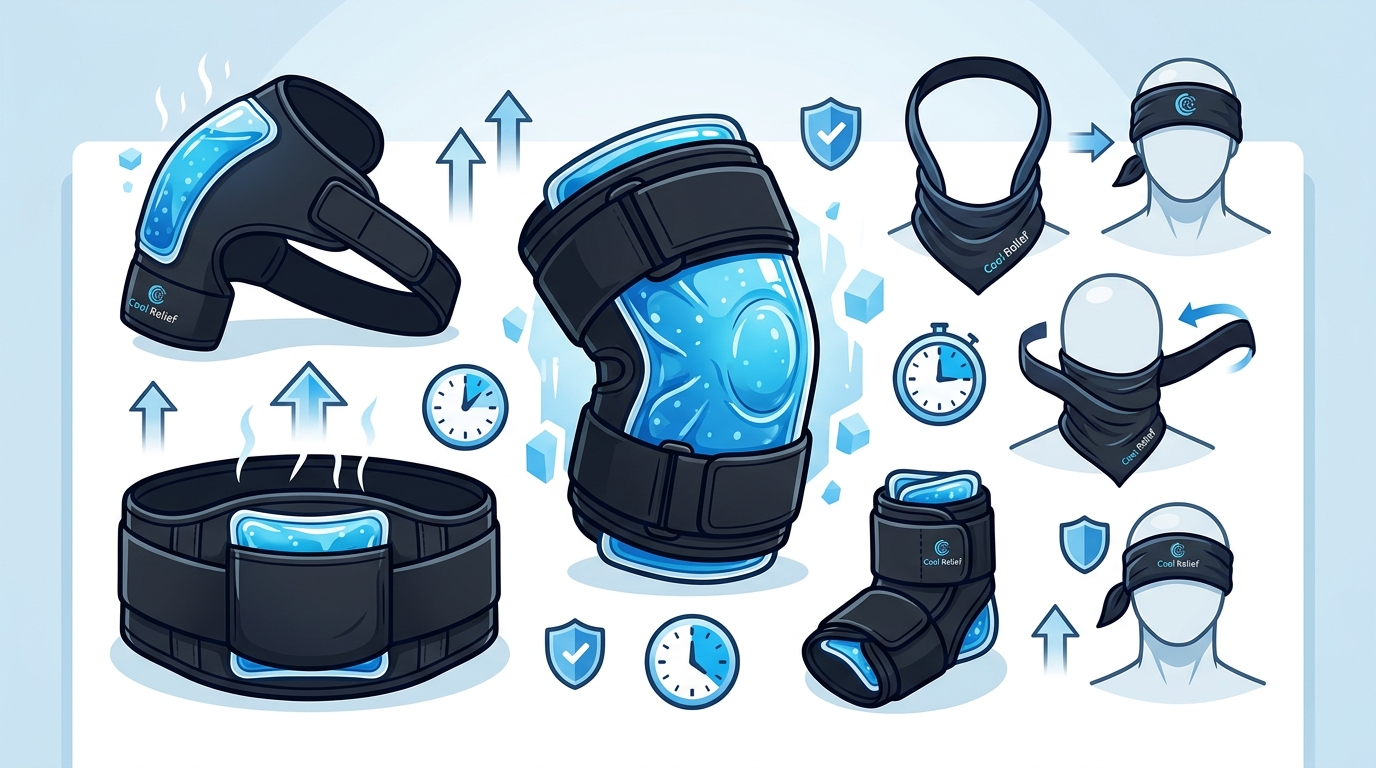
An ice pack that slides off your knee while you walk is useless. The best wrap sets include elastic straps, Velcro closures, or neoprene sleeves that hold the gel pack firmly in place. This allows you to remain mobile while treating the injury. For example, the ankle and foot ice wraps are designed with specific contours to stay secure around the joint during movement.
Product Comparison: Gel Packs vs. Standard Ice
Choosing between a dedicated wrap set and a bag of ice involves weighing convenience against cost. Below is a comparative analysis to help you decide.
| Feature | Premium Gel Wrap Set | Standard Ice Bag |
|---|---|---|
| Conformability | High. Molds to body contours. | Low. Rigid and uneven. |
| Retention | 20-30 minutes of cold. | 10-15 minutes before melting. |
| Security | Straps and sleeves keep it in place. | Requires manual holding or taping. |
| Reusability | Indefinite. Freeze and refreeze. | Single use. Melts into water. |
| Cost Efficiency | Higher upfront, lower long-term. | Lower upfront, recurring cost. |
While standard ice bags are accessible, they often lead to messy leaks and inconsistent cooling. A dedicated wrap set from a trusted brand like Cool Relief offers a superior user experience. For those looking to save, browsing the all-products collection may reveal bundle deals that lower the initial investment.
Anatomy-Specific Guide: Knee, Shoulder, and Back
Different body parts require different approaches to ice therapy. A one-size-fits-all approach rarely works for complex joints. Here is how to select the right tool for specific areas.
Knee Injuries
The knee is a complex hinge joint with limited surface area for cooling. A standard rectangular ice pack often slips off. The Knee Ice Wraps are specifically designed with a U-shape or contoured gel pack that wraps around the patella. This ensures the cold reaches the inflamed synovial fluid directly. Look for wraps with adjustable straps to accommodate swelling that changes throughout the day.
Shoulder and Hip
Large muscle groups like the shoulder and hip require broader coverage. A small gel pack will only numb a tiny spot. For these areas, opt for larger Shoulder Ice Wraps or Hip Ice Wraps that cover the deltoid or gluteal regions. These wraps often feature longer straps to secure the pack over the bulky muscle tissue.
Back Pain
Lower back pain is often diffuse, meaning it affects a wide area. A small ice pack is ineffective here. You need a wide, flat Back Heat Wrap or ice wrap that spans the lumbar region. These products typically use a wide elastic band that crosses the back, holding a large gel pad firmly against the spine and surrounding muscles.
Safety Protocols and Application Timing
Even the best ice pack can cause harm if used incorrectly. Ice burns, known as frostbite, are a real risk if cold is applied directly to the skin for too long. Always follow these safety guidelines.
First, never apply ice directly to bare skin. Use a thin towel or the fabric sleeve provided with your wrap. Second, limit application to 20 minutes at a time. Prolonged exposure can damage nerves and blood vessels. Third, allow the skin to return to normal temperature for at least one hour before reapplying. This cycle of cooling and warming helps flush out inflammatory byproducts.
For detailed instructions on how to apply these therapies safely, refer to the Pain Relief Guide. This resource provides step-by-step protocols for various injuries, ensuring you maximize the benefits of your Cool Relief products.
Key Takeaways
- Conformability is Key: Soft gel packs mold to the body, providing better coverage than rigid ice.
- Secure Fit: Elastic straps and Velcro closures prevent slippage, allowing for mobile recovery.
- Anatomy Matters: Choose knee-specific wraps for joints and wide pads for back pain.
- Time Limits: Apply ice for no more than 20 minutes per session to avoid tissue damage.
- Reusability: High-quality gel packs are designed for indefinite reuse, offering long-term value.
- Dual Therapy: Some gel packs can be heated, offering versatility for chronic vs. acute pain.
- Brand Trust: Cool Relief offers specialized designs for knees, shoulders, hips, and backs.
Frequently Asked Questions
How long should I keep an ice pack on an injury?
Medical guidelines generally recommend applying ice for 15 to 20 minutes at a time. This duration is sufficient to reduce inflammation without risking skin damage. Always remove the pack if you feel excessive numbness or burning.
Can I use a Cool Relief gel pack for heat therapy?
Yes, many of the reusable gel packs are designed for dual use. You can freeze them for cold therapy or microwave them for heat therapy. Check the specific product instructions to ensure safe heating times.
What is the difference between a knee ice wrap and a regular ice pack?
A knee ice wrap is contoured to fit the shape of the joint and includes straps to hold it in place. A regular ice pack is often rectangular and may slide off the knee, providing uneven cooling.
Are Cool Relief products safe for sensitive skin?
Cool Relief products are made with medical-grade materials. However, it is always recommended to use a barrier, such as a towel, between the gel pack and your skin to prevent direct cold exposure.
How do I clean an ice wrap?
Most Cool Relief wraps can be wiped down with mild soap and water. Avoid submerging the entire wrap if it has electronic components or non-waterproof straps. Always air dry completely before storing.
When should I switch from ice to heat?
Switch to heat after the initial 48 hours of acute injury, or if the pain is chronic and muscular. Heat helps relax tight muscles and improve blood flow, while ice is best for reducing acute swelling.
Do ice wraps work better than ice bags?
Ice wraps are generally more effective because they stay in place and conform to the body. Ice bags often melt quickly and require manual holding, which can interrupt the cooling process.
Start Your Recovery Journey
Choosing the right ice pack and wrap set is the first step toward effective pain management. By prioritizing conformability, security, and anatomical fit, you can ensure that your recovery is as efficient as possible. Cool Relief offers a comprehensive range of premium ice wraps designed for every part of the body. Visit the Cool Relief Shop today to find the perfect solution for your needs. Take control of your pain relief with products built for real life.