
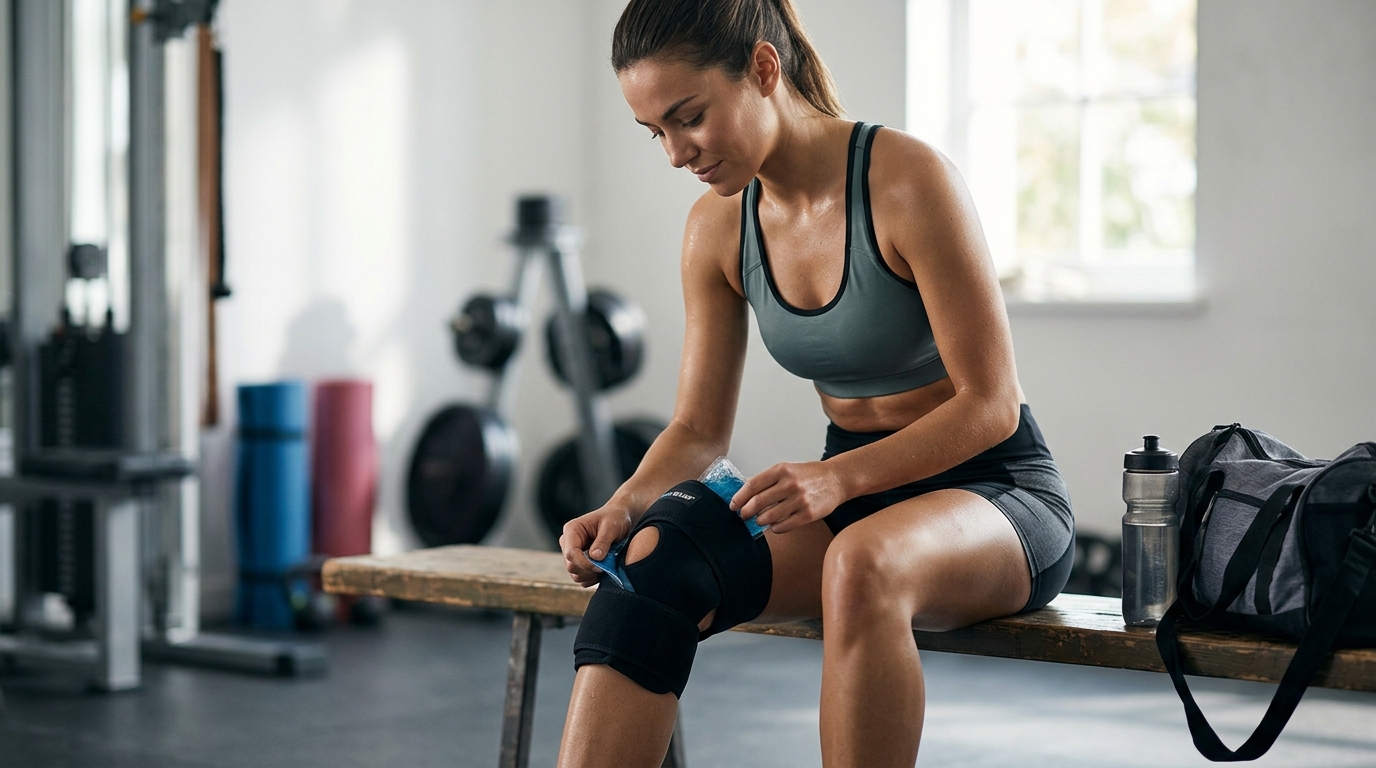
Athletes face significant physical stress daily, and managing inflammation is critical for sustained performance. According to recent sports medicine data, targeted cryotherapy can reduce tissue temperature by up to 40 percent within the first 20 minutes of application. This rapid cooling effect is essential for minimizing swelling and accelerating the recovery timeline after intense training sessions or competitive events. Choosing the right equipment ensures that recovery time is optimized rather than wasted on ineffective tools. (Cool Relief Ice Wraps)
Understanding Cryotherapy for Athletes
Cryotherapy is the medical term for the use of cold to treat injury and inflammation. For athletes, this process is not merely about comfort but about physiological intervention. When an athlete experiences a strain, sprain, or impact injury, the body initiates an inflammatory response. While inflammation is part of the healing process, excessive swelling can restrict blood flow and delay recovery. (Collections ndash Ice Wraps)
Cooling the affected area causes vasoconstriction, which narrows the blood vessels and reduces blood flow to the tissue. This mechanism helps to limit the accumulation of fluid and metabolic waste products in the injured area. Furthermore, cold therapy slows down nerve conduction velocity, which effectively numbs the area and provides immediate pain relief. This allows athletes to maintain mobility and continue their rehabilitation protocols without being hindered by acute pain.
The effectiveness of this treatment depends heavily on the delivery method. Traditional ice bags often melt quickly, leading to wetness and a loss of therapeutic temperature. Modern ice wraps solve this problem by using reusable gel packs or specialized foam inserts that maintain their cold state for extended periods. These tools are designed to conform to the complex anatomy of the knee joint, ensuring consistent contact with the skin for maximum thermal transfer.
Key Features for Athletic Use
Not all ice packs are created equal. Athletes require gear that can withstand rigorous use and provide reliable performance in various environments, from the locker room to the field. When evaluating knee ice wraps, several critical features must be considered to ensure they meet the demands of high-performance sports.
Conformability and Fit
The knee is a complex hinge joint with irregular contours. A rigid ice pack will leave gaps, reducing efficacy. The best knee ice wraps utilize flexible gel packs or memory foam that molds to the shape of the leg. This conformability ensures that the cold source remains in constant contact with the skin, regardless of the knee's position. A secure fit is also vital to prevent the wrap from slipping during movement or while sleeping.
Thermal Retention
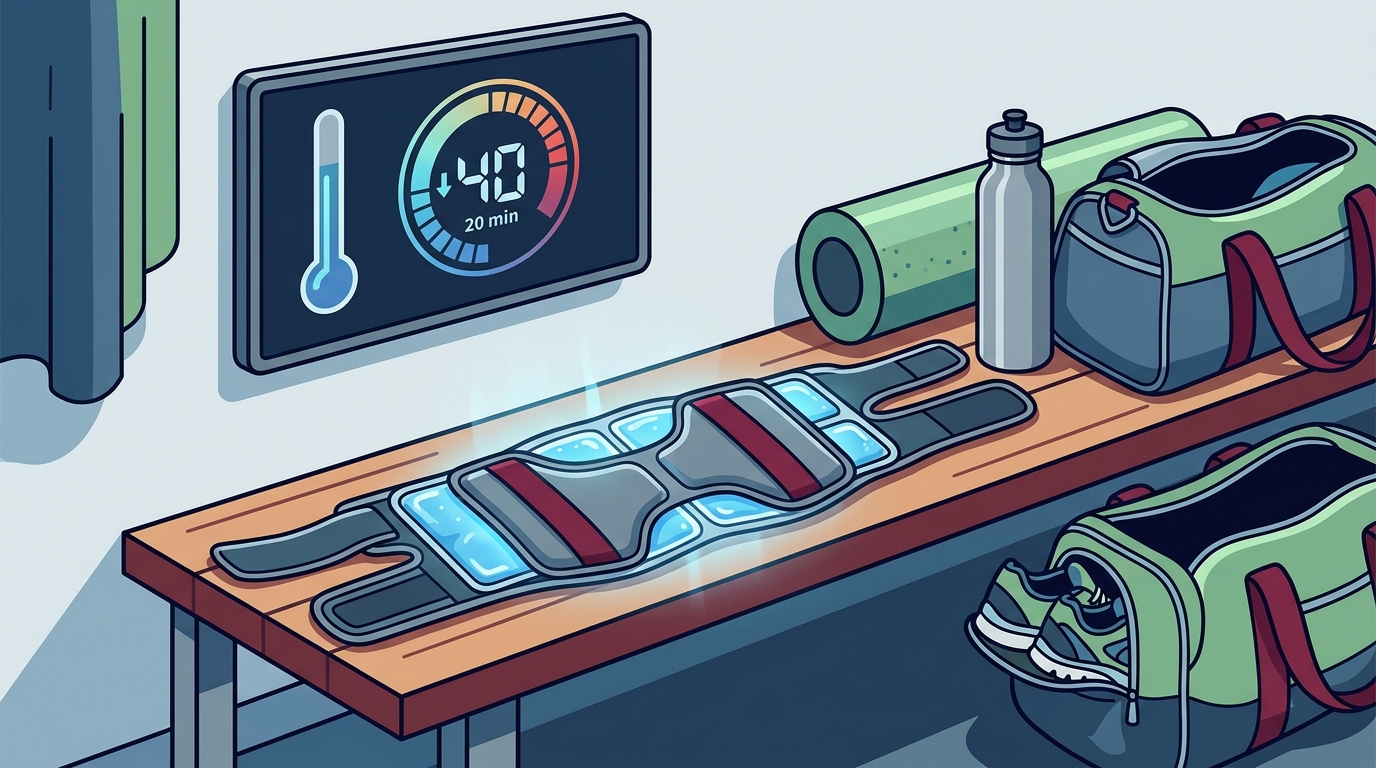
Thermal retention refers to the ability of the pack to stay cold for a prolonged period. High-quality gel packs are formulated to remain pliable even at freezing temperatures, preventing them from becoming hard and uncomfortable. Some advanced packs use phase-change materials that absorb heat more efficiently than standard water-based gels. This feature is crucial for athletes who need to apply ice for the recommended 20-minute intervals without the pack warming up too quickly.
Durability and Hygiene
Athletic gear is subjected to sweat, dirt, and frequent washing. The outer cover of an ice wrap should be made from durable, breathable fabric that resists tearing. It must also be easily removable and washable to maintain hygiene. Gel packs should be leak-proof and sealed tightly to prevent contamination. A well-constructed wrap will withstand hundreds of freeze-thaw cycles without degrading.
Product Comparison: Gel vs. Foam
Understanding the differences between gel and foam ice packs is essential for selecting the right tool. Each type offers distinct advantages depending on the athlete's specific needs and the nature of the injury.
| Feature | Gel Ice Packs | Foam Ice Packs |
|---|---|---|
| Conformability | Highly flexible, molds to contours | Medium, retains shape but compresses |
| Thermal Conductivity | Excellent, transfers cold rapidly | Good, slower heat absorption |
| Weight | Heavier when frozen | Lightweight and portable |
| Comfort | Soft and pliable | Firm support, less flexible |
| Best For | Acute injuries, precise targeting | Chronic pain, general cooling |
Gel packs are generally preferred for acute injuries because they provide a more intense and targeted cooling effect. They are ideal for post-game recovery where rapid inflammation reduction is necessary. Foam packs, on the other hand, offer a gentler cooling experience and are often better suited for chronic conditions or for athletes who find gel packs too heavy or cold. Both types are available in specialized knee wraps that provide compression and support in addition to cold therapy.
Proper Application Techniques
Even the best knee ice wrap will be ineffective if used incorrectly. Athletes must follow established protocols to maximize benefits and avoid tissue damage. The standard recommendation is to apply ice for 15 to 20 minutes at a time. Applying ice for longer periods can lead to rebound inflammation or nerve damage.
Before applying the wrap, ensure the skin is clean and dry. Place a thin towel between the ice pack and the skin if the pack is extremely cold or if the athlete has sensitive skin. Secure the wrap snugly but not tightly enough to cut off circulation. Check the skin regularly for signs of excessive redness or numbness.
For optimal results, combine ice therapy with compression and elevation. This RICE protocol (Rest, Ice, Compression, Elevation) is the gold standard for initial injury management. Elevation helps to drain excess fluid from the injured area, while compression provides stability and further reduces swelling. Many modern ice wraps, such as those found in the Cool Relief collection, are designed to facilitate this multi-modal approach by providing both cold and compression simultaneously.
Safety Protocols & Precautions
Safety is paramount when using cold therapy. Athletes should never apply ice directly to the skin without a barrier, as this can cause ice burns or frostbite. Individuals with circulatory disorders, diabetes, or sensory impairments should consult a healthcare provider before using ice wraps. Additionally, avoid sleeping with an ice pack on, as the inability to feel discomfort can lead to tissue damage.
It is also important to monitor the skin after removal. Mild redness is normal and should subside within a few minutes. Persistent redness, blistering, or numbness indicates that the ice was applied for too long or was too cold. If pain worsens or does not improve after 48 hours, seek professional medical advice. Proper care of the ice wrap itself is also a safety issue. Regularly inspect the gel pack for leaks and wash the fabric cover according to manufacturer instructions to prevent bacterial growth.
Key Takeaways
- Thermal Efficiency: High-quality gel packs can lower tissue temperature significantly faster than traditional ice bags, accelerating the initial recovery phase.
- Conformability Matters: Wraps that mold to the knee joint ensure consistent contact, which is critical for effective pain relief and inflammation reduction.
- Durability is Key: Athletes need wraps that withstand frequent freezing and washing without leaking or degrading, ensuring long-term value.
- Hygiene Standards: Removable and washable covers are essential for maintaining a clean environment and preventing skin infections.
- Proper Usage: Limiting application to 20-minute intervals prevents tissue damage while maximizing therapeutic benefits.
- Product Variety: Cool Relief offers specialized knee ice wraps designed for different injury types and recovery stages, ensuring a tailored approach to athlete care.
- Customer Satisfaction: Reviews highlight the ease of use and effectiveness of these products in managing post-surgery and sports-related pain.
Frequently Asked Questions
How long should an athlete keep an ice wrap on?
It is recommended to keep an ice wrap on for 15 to 20 minutes at a time. Applying it for longer periods can cause tissue damage and does not provide additional therapeutic benefits.
Can I use an ice wrap immediately after a game?
Yes, applying an ice wrap immediately after intense activity can help reduce acute inflammation and muscle soreness. This is part of the standard post-game recovery protocol for many professional athletes.
Are gel packs better than foam packs for knee injuries?
Gel packs are generally more effective for acute injuries because they conform better to the knee and transfer cold more efficiently. Foam packs are better for chronic pain or when a gentler cooling effect is needed.
How do I clean my ice wrap?
Most ice wraps have removable fabric covers that can be machine washed. The gel pack should be wiped clean with a damp cloth and allowed to air dry before refreezing. Always follow the specific care instructions provided by the manufacturer.
Can I use an ice wrap for heat therapy?
Some reusable gel packs can be used for both hot and cold therapy. However, standard ice wraps are designed specifically for cold application. Check the product description to see if it supports dual-temperature use.
What is the difference between a knee ice wrap and a regular ice pack?
A knee ice wrap is designed with straps or sleeves to secure the pack to the leg, ensuring it stays in place. A regular ice pack is handheld and may slip or require constant pressure to maintain contact.
Do ice wraps help with post-surgery recovery?
Yes, ice wraps are commonly used after knee surgery to manage swelling and pain. They provide a consistent cold source that is more comfortable and effective than traditional ice bags for extended recovery periods.
Shop Now
Investing in the right recovery tools is as important as the training itself. Cool Relief offers a comprehensive range of knee ice wraps designed to meet the rigorous demands of athletes. From flexible gel packs to durable compression wraps, their products are engineered to provide superior comfort and therapeutic results. Explore the full collection of ice and heat wraps to find the perfect solution for your recovery needs. Visit the Cool Relief homepage to learn more about their commitment to quality and customer satisfaction.