
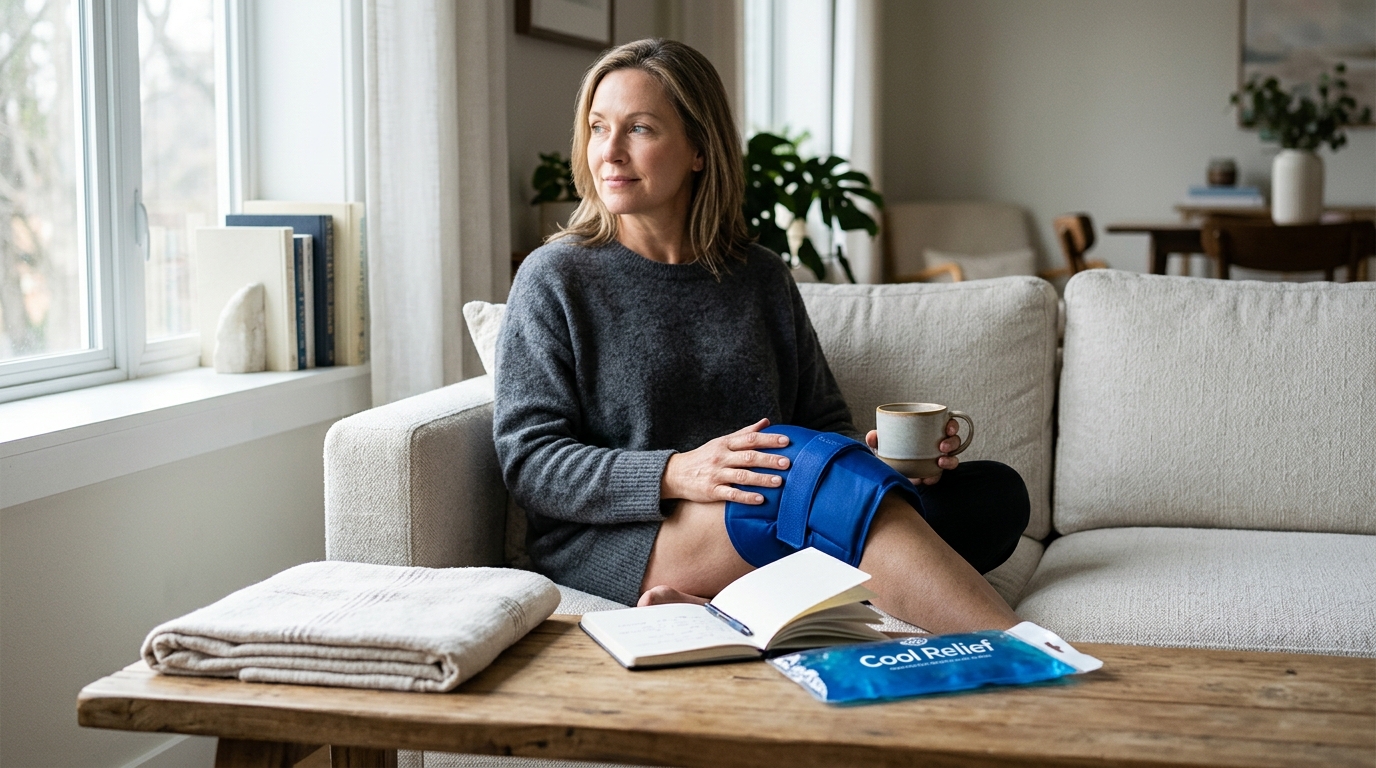
Cold therapy is a cornerstone of modern pain management, offering immediate relief for acute injuries and chronic conditions alike. According to recent clinical data, consistent application of cryotherapy can reduce inflammation by up to 50% in the first 48 hours after an injury. This guide explains the precise methods for using premium ice packs to maximize recovery speed and minimize discomfort.
Understanding Cryotherapy Basics
Cryotherapy is the medical term for the use of cold to treat injury. It works by constricting blood vessels, which reduces blood flow to the affected area. This process helps to limit swelling and numb nerve endings, providing immediate pain relief.
Cryotherapy is the application of cold temperatures to the body for therapeutic purposes. When you apply an ice pack to a sprained ankle or a sore shoulder, you are initiating a physiological response that slows down the inflammatory process. This is critical in the early stages of injury to prevent excessive tissue damage.
Many people mistakenly believe that ice should be applied directly to the skin. However, direct contact can cause ice burns or frostbite. Using a high-quality ice wrap, such as those found on Cool Relief, ensures that the cold is distributed evenly and safely. These wraps are designed to conform to your body, providing consistent coverage without the mess of traditional gel packs.
Choosing the Right Ice Wrap
Not all ice packs are created equal. The effectiveness of your treatment depends largely on the type of wrap you choose. Different body parts require different levels of flexibility and cold retention.
Knee and Shoulder Wraps
The knee and shoulder are complex joints that require wraps capable of maintaining pressure while allowing for slight movement. A knee ice wrap typically features a contoured design that stays in place during rest or light activity. Similarly, shoulder wraps are engineered to wrap around the joint, ensuring that the cold gel pack remains positioned over the injured area.
Face and Neck Wraps
For facial injuries or dental surgery recovery, flexibility is paramount. A face and neck ice wrap is made from thin, pliable materials that mold to the contours of the jaw and neck. This ensures maximum contact with the skin, which is essential for reducing swelling after wisdom teeth extraction or a facial bruise.
Multi-Purpose Gel Packs
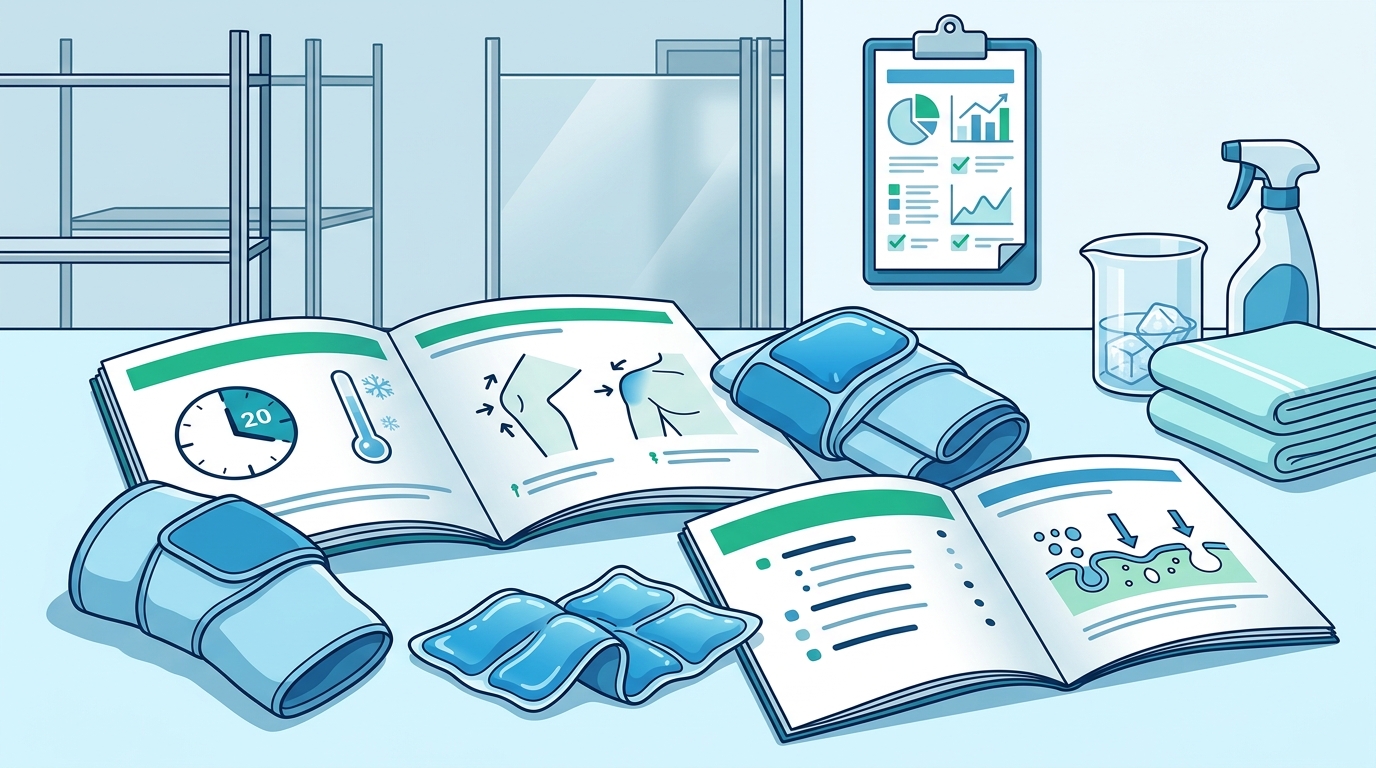
Sometimes, you need a versatile solution. Reusable gel pack inserts offer a middle ground. These can be placed inside any standard elastic sleeve or even a simple towel. They are ideal for back pain or large muscle groups where a specialized wrap might not fit.
The Application Protocol
Proper application is the difference between effective relief and potential injury. Follow this step-by-step protocol to ensure you are getting the most out of your cold therapy session.
Step 1: Prepare the Wrap
Remove your ice pack from the freezer. Most gel packs require freezing for at least four hours to reach optimal temperature. If you are using a refreezable cooling ice bandana, ensure it is fully frozen for maximum duration. Do not use a warm or partially frozen pack, as it will not provide sufficient therapeutic benefit.
Step 2: Protect the Skin
Always place a thin barrier between the ice pack and your skin. This can be a light towel or the fabric sleeve that comes with your wrap. This step is non-negotiable for preventing cold-induced skin damage. Never apply ice directly to bare skin for more than a few seconds.
Step 3: Apply and Secure
Place the wrap over the injured area. If using an elastic wrap, secure it snugly but not tightly. You should be able to slide a finger underneath the bandage. If the wrap is too tight, it will restrict blood flow and counteract the benefits of the cold therapy. For ankle and foot ice wraps, ensure the wrap covers the entire swollen area, not just the point of pain.
Step 4: Monitor Time
Limit each session to 15 to 20 minutes. Applying ice for longer periods can cause the body to react by sending warm blood to the area to prevent tissue damage, a phenomenon known as the hunting response. This reverses the anti-inflammatory benefits you are trying to achieve.
Safety Precautions
While cold therapy is generally safe, there are specific conditions where it should be avoided or used with extreme caution.
Cold Aggravated Conditions are medical states where cold exposure worsens symptoms. If you have Raynaud's disease, cold urticaria, or peripheral vascular disease, consult your doctor before using ice packs. These conditions affect blood circulation and can lead to severe tissue damage when exposed to cold.
Additionally, avoid applying ice to areas with open wounds or broken skin. The cold can slow down the healing process and increase the risk of infection. If you experience numbness, tingling, or intense pain during application, remove the pack immediately. These are signs that the tissue is becoming too cold.
Heat vs. Cold Therapy
Understanding when to use heat versus cold is crucial for effective recovery. While ice is best for acute injuries and inflammation, heat is used for chronic pain and muscle stiffness.
| Feature | Cold Therapy (Ice) | Heat Therapy |
|---|---|---|
| Best For | Acute injuries, swelling, inflammation | Chronic pain, muscle stiffness, spasms |
| Effect on Blood Vessels | Constricts (Vasoconstriction) | Dilates (Vasodilation) |
| Timing | First 48-72 hours post-injury | After 72 hours or for chronic conditions |
| Product Example | Knee Ice Pack | Knee Heat Pack |
For example, if you have a stiff neck from sleeping in an awkward position, a face heat wrap or a standard heating pad may be more effective than ice. However, if you have just sprained your ankle, ice is the only appropriate choice to control swelling.
Key Takeaways
- Duration: Limit ice application to 15-20 minutes per session to prevent tissue damage.
- Barrier: Always use a cloth barrier between the ice pack and your skin.
- Timing: Apply ice within the first 48 hours of an acute injury for maximum efficacy.
- Product Choice: Use contoured wraps for joints like the knee and shoulder for better adherence.
- Reusability: Premium gel packs from Cool Relief are designed for hundreds of freeze-thaw cycles.
- Contraindications: Avoid ice if you have Raynaud's disease or cold sensitivity.
- Hydration: Keep your body hydrated while using cold therapy to support overall recovery.
Frequently Asked Questions
How long should I keep an ice pack on my injury?
You should keep an ice pack on your injury for 15 to 20 minutes at a time. Applying it for longer can cause the body to send warm blood to the area, reducing the anti-inflammatory benefits.
Can I use an ice pack on my face?
Yes, but you must use a wrap specifically designed for the face. A face and neck ice wrap is thin and flexible enough to mold to your contours without causing pressure points.
What is the difference between a gel pack and an ice wrap?
A gel pack is the internal component that holds the cold, while an ice wrap is the external sleeve that holds the pack in place. Using a wrap ensures the gel pack stays positioned correctly over the injury.
Is it better to use ice or heat for a sprained ankle?
For the first 48 to 72 hours, ice is better to reduce swelling. After that period, heat may be introduced to promote blood flow and healing. A ankle ice wrap is ideal for the initial phase.
How do I clean my reusable ice pack?
Most reusable ice packs from Cool Relief can be wiped down with mild soap and water. Avoid submerging the gel pack itself in water unless the product instructions specifically allow it.
Can I use an ice pack while sleeping?
No, you should never use an ice pack while sleeping. You cannot monitor the temperature or your skin's reaction, which significantly increases the risk of frostbite.
What is Cryotherapy?
Cryotherapy is the medical term for the use of cold to treat injury. It involves applying cold temperatures to the body to reduce inflammation and pain.
Shop Now
Ready to start your recovery journey? Explore our full range of premium ice and heat wraps designed for every part of your body. Visit our shop page to find the perfect solution for your pain relief needs. Free shipping is available on orders over $35.