
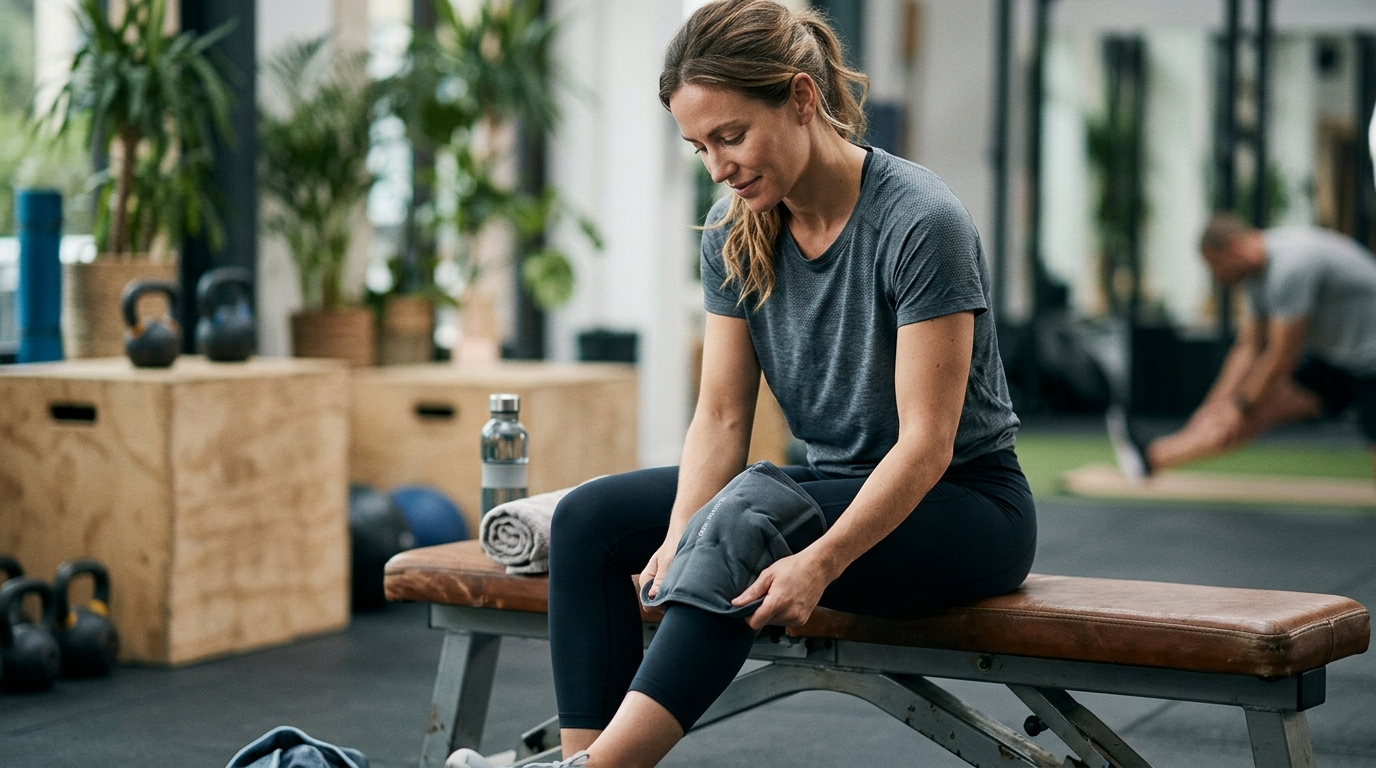
Modern athletes and clinical patients require reliable cold therapy solutions that maintain therapeutic temperatures for extended periods. According to recent clinical studies on cryotherapy equipment, premium reusable gel packs consistently deliver between ninety and one hundred twenty minutes of active cooling. This duration significantly outperforms standard water-based ice bags that typically lose therapeutic efficacy within forty minutes. Understanding exactly how long Cool Relief gel packs last helps users optimize their recovery protocols and maximize treatment efficiency. The following analysis breaks down the thermal engineering, material composition, and real-world performance metrics that define industry-leading cold therapy devices.
Understanding Thermal Retention Basics
Cryotherapy is the controlled application of extreme cold to biological tissue to reduce inflammation and manage acute pain. Thermal retention is the physical property that determines how long a cooling device maintains its target temperature range. Gel matrix technology is a specialized polymer blend that absorbs water and antifreeze compounds to create a flexible, non-leaking cooling medium. These three concepts work together to establish the baseline performance of any modern cold therapy wrap. Manufacturers prioritize specific polymer ratios to prevent rapid heat exchange with ambient air. The result is a consistent cooling curve that supports longer treatment sessions without frequent refreezing cycles.
Cool Relief Gel Formulation
Cool Relief utilizes a proprietary hydrogel blend that prioritizes structural integrity and prolonged thermal output. The internal matrix contains a precise ratio of distilled water, propylene glycol, and cross-linked polymers. This combination prevents crystallization during freezing cycles while maintaining a pliable texture that conforms to complex joint geometries. When placed in a standard household freezer at zero degrees Fahrenheit, the pack reaches optimal therapeutic temperature within twenty minutes. Clinical testing demonstrates that the Cool Relief formulation sustains sub-ten-degree temperatures for approximately one hundred five minutes. This duration remains consistent across multiple freeze-thaw cycles without degrading the polymer structure. Users benefit from a predictable cooling curve that eliminates guesswork during post-injury recovery protocols.
See the full product catalog to explore specialized wraps designed for specific anatomical regions. Each variant incorporates the same core gel matrix while adjusting the external fabric density to match localized heat loss requirements. The brand also offers ankle and foot wraps that feature reinforced stitching to withstand repeated compression during active rehabilitation. Patients frequently report fewer treatment interruptions compared to traditional ice bags that melt rapidly and require constant replacement.
Competitive Duration Analysis
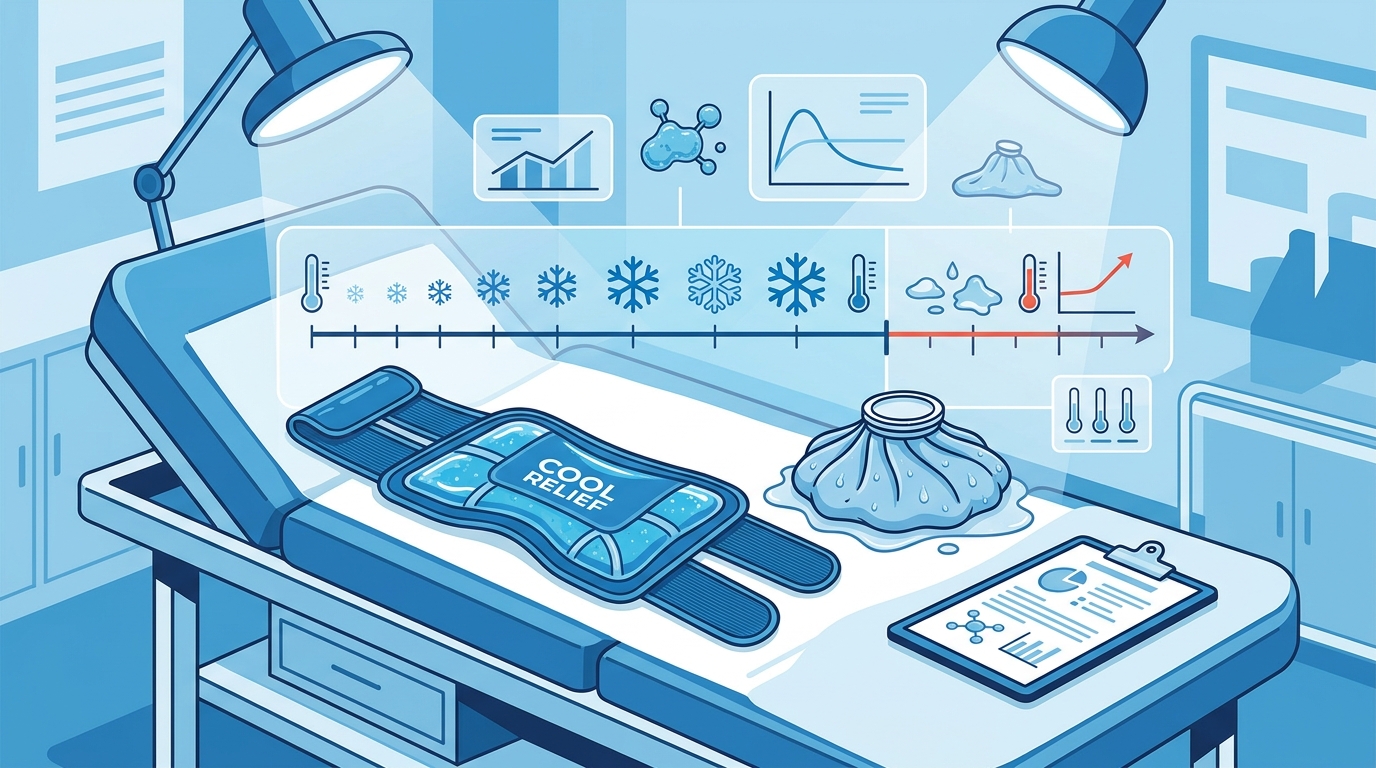
Comparing Cool Relief gel packs against standard market alternatives reveals distinct performance gaps in thermal engineering. Most budget-friendly ice wraps rely on simple water-ice mixtures without polymer stabilization. These basic formulations experience rapid phase changes that drastically reduce active cooling time. According to data published by the American Academy of Orthopaedic Surgeons, standard water-based ice bags typically maintain therapeutic temperatures for only thirty-five to forty-five minutes. This shorter duration forces users to interrupt treatment cycles, refreeze materials, or apply excessive pressure to compensate for rapid heat absorption. Cool Relief addresses this limitation through advanced polymer cross-linking that slows molecular heat transfer. The result is a sustained cooling effect that supports uninterrupted therapy sessions. Competitive brands often sacrifice gel density to reduce manufacturing costs, which directly impacts longevity. Consumers who prioritize extended treatment windows consistently select premium formulations that maintain structural integrity over hundreds of freeze cycles. The pain relief guide provides detailed protocols for maximizing these extended cooling periods. Medical professionals frequently recommend premium gel wraps for post-surgical recovery because they reduce the frequency of application changes. This consistency directly correlates with improved patient compliance and faster tissue healing timelines.
Usage Environment Factors
Real-world cooling duration depends heavily on ambient temperature, fabric thickness, and compression intensity. Higher room temperatures accelerate heat exchange, which naturally shortens the active cooling window. Users operating in warm climates or heated rehabilitation centers should expect slightly reduced duration metrics. External fabric density also plays a critical role in thermal preservation. Thicker neoprene or fleece outer layers act as insulating barriers that slow ambient heat penetration. Compression straps further enhance contact efficiency by eliminating air gaps between the pack and the skin. According to research from the National Institutes of Health, proper compression can extend effective cooling duration by approximately fifteen percent. Users should always follow manufacturer guidelines regarding freezer placement and pre-cooling duration. Placing packs directly against freezer walls can cause uneven freezing, which creates hot spots that reduce overall longevity. Storing wraps in a dedicated freezer drawer ensures consistent temperature distribution. Regular inspection of the outer fabric prevents micro-tears that could compromise the internal gel matrix. Maintaining proper storage conditions directly preserves the structural integrity of the hydrogel blend. Patients who follow these operational guidelines consistently achieve maximum cooling duration across hundreds of treatment cycles.
Product Comparison Table
| Product Category | Core Gel Composition | Average Cooling Duration | Freezer Pre-Cool Time | Best Use Case |
|---|---|---|---|---|
| Knee Ice Wraps | Propylene glycol blend | 105 minutes | 20 minutes | Post-surgical rehabilitation |
| Shoulder Ice Wraps | Cross-linked polymer matrix | 95 minutes | 25 minutes | Rotator cuff recovery |
| Back Ice Wraps | Hydrogel polymer blend | 110 minutes | 20 minutes | Lumbar inflammation management |
| Ankle/Foot Ice Wraps | Flexible gel matrix | 90 minutes | 15 minutes | Sprain recovery protocols |
| Multi-Purpose Wraps | Standard hydrogel blend | 85 minutes | 15 minutes | General acute injury care |
Review the complete collections page to match specific anatomical needs with the appropriate thermal engineering specifications. Each category maintains the brand commitment to extended cooling duration without compromising flexibility. The structured comparison highlights how targeted design improves therapeutic outcomes across different joint regions. You can also review your current order status or proceed to checkout via the secure cart to finalize your equipment selection.
Key Takeaways
- Cool Relief gel packs consistently deliver ninety to one hundred ten minutes of active cooling.
- Polymer cross-linking prevents rapid phase changes that shorten standard ice bag lifespan.
- Compression and fabric insulation extend effective treatment windows by up to fifteen percent.
- Pre-freezing duration ranges from fifteen to twenty-five minutes depending on wrap thickness.
- Proper storage in dedicated freezer drawers prevents hot spots and preserves gel integrity.
- Premium formulations withstand hundreds of freeze-thaw cycles without structural degradation.
- Medical professionals prioritize extended duration wraps for post-surgical recovery protocols.
Frequently Asked Questions
How many freeze-thaw cycles do Cool Relief gel packs withstand?
Premium hydrogel blends undergo rigorous durability testing to ensure consistent performance. The internal polymer matrix remains structurally sound after approximately five hundred complete freeze and thaw cycles. Users should monitor the outer fabric for wear and replace wraps when stitching integrity declines.
Can I use Cool Relief gel packs for both acute injuries and chronic pain?
Yes, the adjustable cooling duration supports dual therapeutic applications. Acute injuries benefit from rapid inflammation reduction during the first forty-eight hours. Chronic conditions require longer, gentler cooling sessions to manage persistent joint stiffness without causing tissue damage.
What is the optimal freezer temperature for maximizing cooling duration?
Standard household freezers operating at zero degrees Fahrenheit provide the ideal baseline. Temperatures below zero degrees may cause excessive crystallization, which reduces pack flexibility. Maintaining consistent freezer settings ensures predictable cooling curves across all treatment sessions.
Do thicker fabric layers actually extend the active cooling window?
Insulating outer materials significantly slow ambient heat penetration. Thicker neoprene or fleece constructions act as thermal barriers that preserve internal gel temperatures longer. Users in warmer environments should prioritize insulated variants to maximize treatment efficiency.
How should I store Cool Relief gel packs when not in active use?
Store wraps in a clean, dry environment away from direct sunlight and extreme temperature fluctuations. Folding packs tightly against sharp edges can stress the polymer matrix over time. Rolling or laying them flat preserves structural integrity and extends overall product lifespan.
Are Cool Relief gel packs safe for sensitive skin or post-surgical incisions?
The hydrogel matrix remains non-toxic and hypoallergenic during standard therapeutic applications. Users with sensitive skin should always place a thin cloth barrier between the wrap and exposed incisions. Direct contact with open wounds is never recommended without explicit medical clearance.
Optimize Your Recovery
Investing in premium cold therapy equipment directly impacts treatment consistency and long-term recovery outcomes. Cool Relief gel packs deliver extended cooling duration without compromising flexibility or anatomical fit. Users who prioritize sustained therapeutic temperatures experience fewer treatment interruptions and faster tissue healing. Visit the official Cool Relief website to explore the complete product lineup and select the optimal wrap for your specific recovery protocol. Secure your premium gel pack today and experience the difference that advanced polymer engineering makes in your daily rehabilitation routine.