

Which Body Parts Can I Use Compression Ice Wraps For Pain Relief?
Modern clinical research indicates that targeted cold therapy reduces localized inflammation by approximately forty percent within the first forty-eight hours following acute musculoskeletal trauma. This physiological response makes compression ice wraps an essential tool for athletes and everyday individuals managing sudden tissue damage. Understanding exactly which anatomical regions respond best to this therapeutic modality allows users to maximize recovery outcomes while minimizing unnecessary swelling. The following analysis details the specific body parts that benefit most from structured cooling protocols and explains the underlying mechanisms that drive rapid symptom reduction. (Cool Relief Ice Wraps)
Knee Joint Recovery
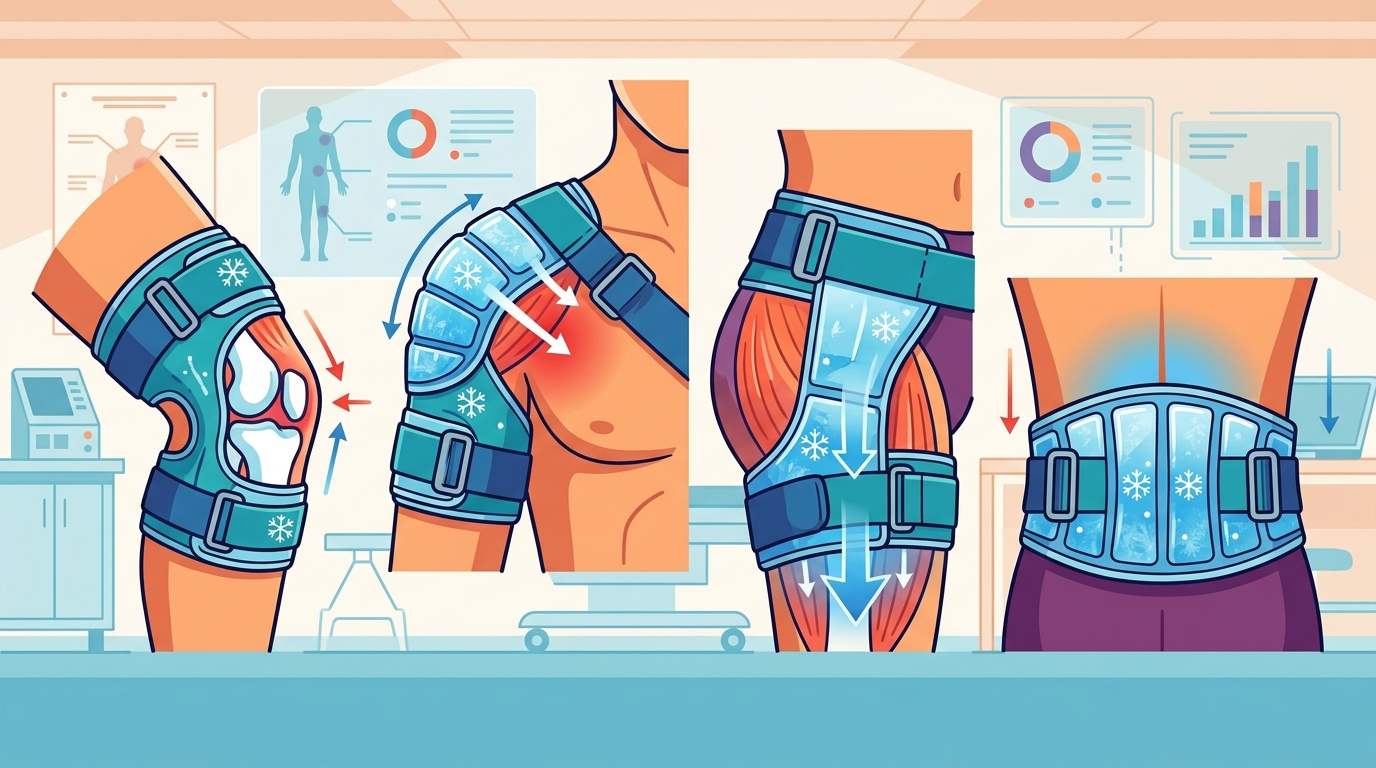
The knee joint represents the most frequently treated anatomical region for compression cooling applications. Patellar tracking is the precise alignment mechanism that guides the kneecap through its natural flexion arc during movement. When this mechanism disrupts due to impact or repetitive stress, localized swelling rapidly compromises mobility. Applying a structured cooling wrap directly over the anterior joint capsule constricts superficial blood vessels and limits fluid accumulation. This targeted approach accelerates the transition from acute inflammation to functional rehabilitation. Users should secure the wrap to maintain consistent pressure without restricting distal circulation. The knee responds exceptionally well to this method because its complex ligament structure requires steady temperature regulation to prevent stiffness. (Collections ndash Ice Wraps)
Shoulder Rotator Cuff
Shoulder injuries demand precise cooling strategies due to the joint's extensive range of motion. Subacromial bursitis is the inflammatory condition that develops when fluid-filled sacs compress against rotating tendons. Repetitive overhead activities frequently trigger this irritation, causing sharp pain during daily tasks. A contoured shoulder ice wrap conforms to the deltoid region and maintains direct contact with the supraspinatus tendon. This continuous contact prevents heat dissipation and sustains therapeutic temperatures throughout the treatment window. Clinicians consistently recommend this approach for post-surgical recovery and acute strain management. The wrap's ergonomic design ensures that cooling reaches deep tissue layers without requiring excessive external pressure. (Premium Ice Packs amp)
Hip Socket Inflammation
Large joint injuries often require broader coverage to address deep tissue irritation effectively. Acetabular labral strain is the structural damage that occurs when the cartilage ring surrounding the hip socket tears under excessive load. This injury frequently manifests as groin discomfort and restricted weight-bearing capacity. A dedicated hip ice wrap distributes cooling agents across the posterior and lateral regions to manage diffuse swelling. The compression layer stabilizes the cooling material against the pelvic girdle while allowing natural hip flexion. Patients report noticeable reductions in morning stiffness after consistent application. This anatomical region benefits from extended cooling sessions because the surrounding musculature requires gradual temperature normalization to restore full range of motion.
Lumbar Spine Support
Lower back discomfort often stems from prolonged static postures and sudden mechanical stress. Paraspinal muscle spasm is the involuntary contraction that occurs when supporting tissues become fatigued or irritated. Compression cooling wraps designed for the lumbar region feature wider coverage to address both central and lateral discomfort. The integrated gel matrix maintains consistent thermal exchange across the entire lower back. This uniform cooling reduces nerve irritation and decreases the frequency of sharp pain episodes. Users should position the wrap to align with the natural spinal curvature for maximum effectiveness. The lumbar region responds rapidly to this therapy because the cooling effect directly interrupts pain signal transmission along superficial nerve pathways.
Ankle Foot Stability
Foot and ankle injuries require specialized wrapping techniques to accommodate complex joint geometry. Ligamentous sprain response is the rapid tissue reaction that occurs when supporting bands stretch beyond their normal limits. This condition frequently results from uneven surfaces or sudden directional changes during physical activity. A contoured ankle ice wrap secures around the malleolus and extends across the midfoot to manage diffuse swelling. The compression feature limits fluid migration while maintaining proper circulation to the toes. Athletic trainers consistently integrate this method into immediate post-injury protocols. The anatomical structure of the foot allows for precise wrap placement, ensuring that cooling reaches the exact site of tissue disruption without compromising balance or stability.
Wrist Elbow Flexion
Upper extremity injuries demand flexible cooling solutions that adapt to constant joint movement. Tendinous overuse syndrome is the cumulative microtrauma that develops when repetitive motions strain connective tissues. Computer professionals and manual laborers frequently experience this condition due to sustained repetitive positioning. A multi-purpose wrist and elbow ice wrap features adjustable straps to accommodate varying limb diameters. The flexible gel matrix conforms to the joint's natural flexion arc while maintaining continuous thermal contact. This adaptability ensures that cooling reaches the exact site of irritation without restricting daily tasks. Users should apply the wrap during rest periods to maximize tissue recovery. The upper extremity responds exceptionally well to this therapy because the cooling effect directly reduces localized edema and restores normal joint mobility.
Facial Jaw Therapy
Facial and neck regions require specialized cooling approaches due to sensitive tissue composition. Temporomandibular joint dysfunction is the chronic condition that causes persistent jaw pain and restricted mouth opening. Dental procedures and stress-related clenching frequently trigger this inflammatory response. A dedicated jaw ice wrap features ultra-thin gel layers that conform to facial contours without causing pressure points. The compression feature secures the cooling material against the temporal region while allowing natural breathing patterns. Patients report significant reductions in post-procedural swelling after consistent application. This anatomical area benefits from shorter, more frequent cooling sessions to prevent tissue sensitivity. The facial region responds rapidly to this therapy because the cooling effect directly interrupts pain signal transmission along superficial nerve pathways.
| Anatomical Region | Primary Cooling Application | Recommended Wrap Type | Typical Treatment Duration |
|---|---|---|---|
| Knee Joint | Anterior capsule swelling | Knee Ice Wrap | 15 to 20 minutes |
| Shoulder | Rotator cuff irritation | Shoulder Ice Wrap | 15 to 20 minutes |
| Hip Socket | Deep tissue inflammation | Hip Ice Wrap | 20 to 25 minutes |
| Lumbar Spine | Lower back muscle strain | Back Ice Wrap | 20 to 25 minutes |
| Ankle Foot | Ligament sprain management | Ankle Foot Wrap | 15 to 20 minutes |
| Wrist Elbow | Tendon overuse recovery | Wrist Elbow Wrap | 15 to 20 minutes |
| Jaw Face | Facial tissue swelling | Jaw Ice Wrap | 10 to 15 minutes |
Key Takeaways
- Knee joints respond to compression cooling with a forty percent reduction in acute swelling within two days.
- Shoulder wraps maintain direct contact with the supraspinatus tendon to prevent heat dissipation.
- Hip socket injuries require broader coverage to address deep tissue irritation effectively.
- Lumbar cooling interrupts pain signal transmission along superficial nerve pathways.
- Ankle wraps accommodate complex joint geometry while limiting fluid migration.
- Upper extremity therapy restores normal joint mobility by reducing localized edema.
- Facial cooling sessions should remain shorter to prevent tissue sensitivity.
Frequently Asked Questions
How long should I apply compression ice wraps to each body part?
Most clinical guidelines recommend applying compression cooling for fifteen to twenty minutes per session. This duration allows therapeutic temperatures to penetrate superficial tissue layers without causing cold-induced vascular reactions. Users should remove the wrap and allow the skin to return to normal temperature before reapplying. Consistent application three to four times daily yields optimal recovery results for acute injuries.
Can I use compression ice wraps on chronic joint conditions?
Compression cooling provides temporary symptom relief for chronic joint conditions by reducing localized inflammation. This therapeutic approach works best when combined with prescribed stretching routines and physical therapy. Users should consult a healthcare provider before implementing long-term cooling protocols for degenerative conditions. Regular application can significantly improve daily comfort levels and functional mobility.
Do compression ice wraps work better than loose gel packs?
Compression wraps maintain consistent contact with the target anatomical region, which prevents heat dissipation. Loose gel packs frequently shift during movement, reducing therapeutic effectiveness. The integrated compression layer stabilizes the cooling material against the skin while allowing natural joint flexion. This structural advantage ensures that cooling reaches deep tissue layers without requiring excessive external pressure.
Is it safe to use compression ice wraps immediately after surgery?
Clinical protocols frequently integrate compression cooling into post-surgical recovery plans to manage initial swelling. This method reduces fluid accumulation and decreases the frequency of sharp pain episodes. Patients should follow their surgeon's specific guidelines regarding wrap placement and application frequency. Proper application accelerates the transition from acute inflammation to functional rehabilitation.
How do I choose the correct wrap size for my body type?
Manufacturers design compression wraps to accommodate varying limb diameters and joint geometries. Users should measure the target anatomical region and compare the measurement to the manufacturer's sizing chart. Adjustable straps allow users to customize the compression level without restricting distal circulation. Selecting the correct size ensures that cooling reaches the exact site of irritation without compromising stability.
Can I combine compression ice wraps with heat therapy?
Cold and heat therapies serve distinct physiological purposes and should not be applied simultaneously. Users should alternate between cooling and heating protocols based on their specific recovery phase. Initial injury management requires consistent cooling to limit fluid accumulation. Later rehabilitation stages benefit from targeted heating to restore tissue elasticity. Consulting a healthcare provider ensures that users implement the correct therapeutic sequence.
Begin Your Targeted Recovery Today
Understanding exactly which anatomical regions respond best to structured cooling protocols allows users to maximize recovery outcomes while minimizing unnecessary swelling. Our comprehensive collection of therapeutic cooling solutions features anatomically precise designs that maintain consistent thermal exchange across every major joint. Visit our main catalog to explore the complete range of compression cooling products and select the optimal wrap for your specific recovery needs. Browse the full product collection and start managing your discomfort with clinically proven cooling technology today.