
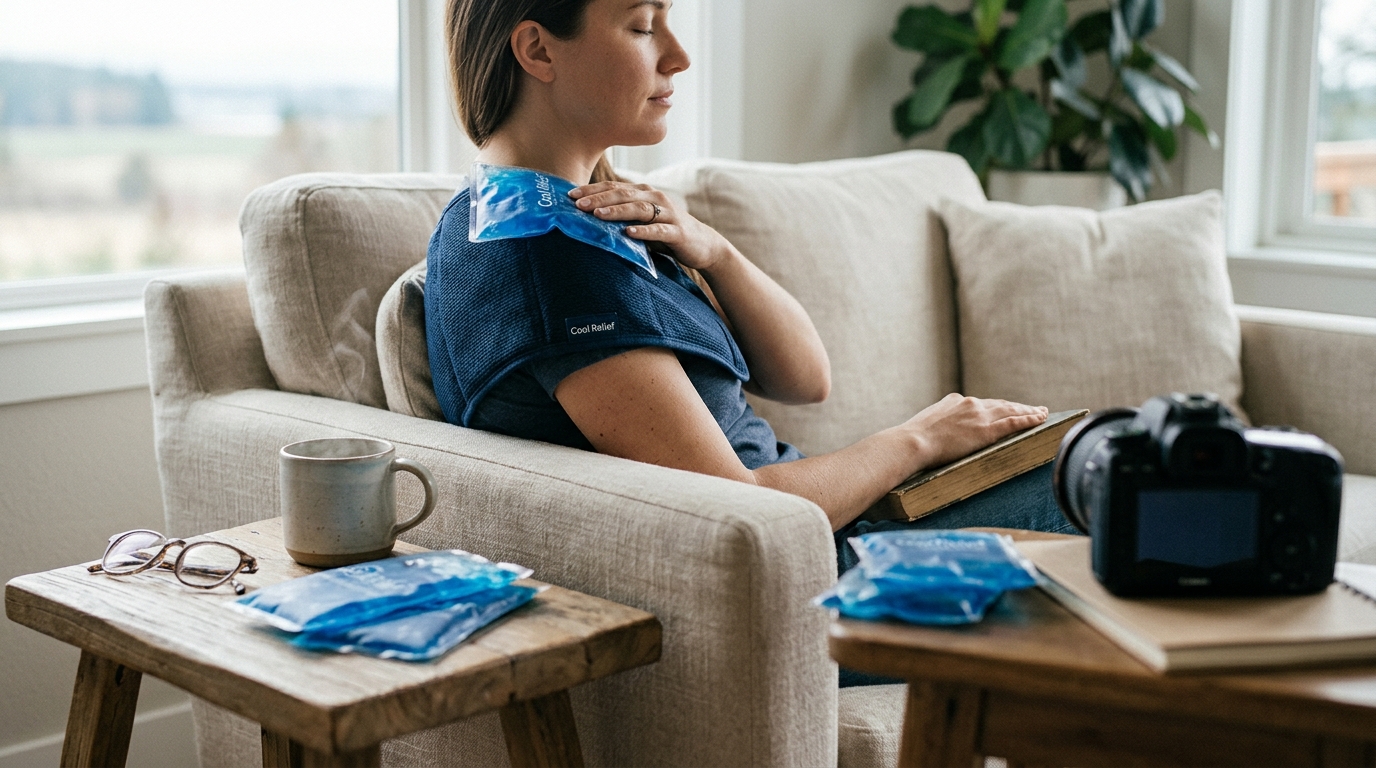
Modern cold therapy protocols consistently demonstrate that premium gel inserts maintain therapeutic temperatures for approximately ninety to one hundred twenty minutes per application cycle. According to clinical cryotherapy guidelines, this extended cooling window significantly reduces tissue inflammation while minimizing the risk of surface frostbite. Consumers frequently question whether budget alternatives match this sustained thermal output. The answer depends entirely on polymer density, fabric insulation, and structural sealing technology. This analysis evaluates how Cool Relief engineered inserts perform against standard market alternatives to help you select the optimal recovery solution.
Thermal Retention Engineering
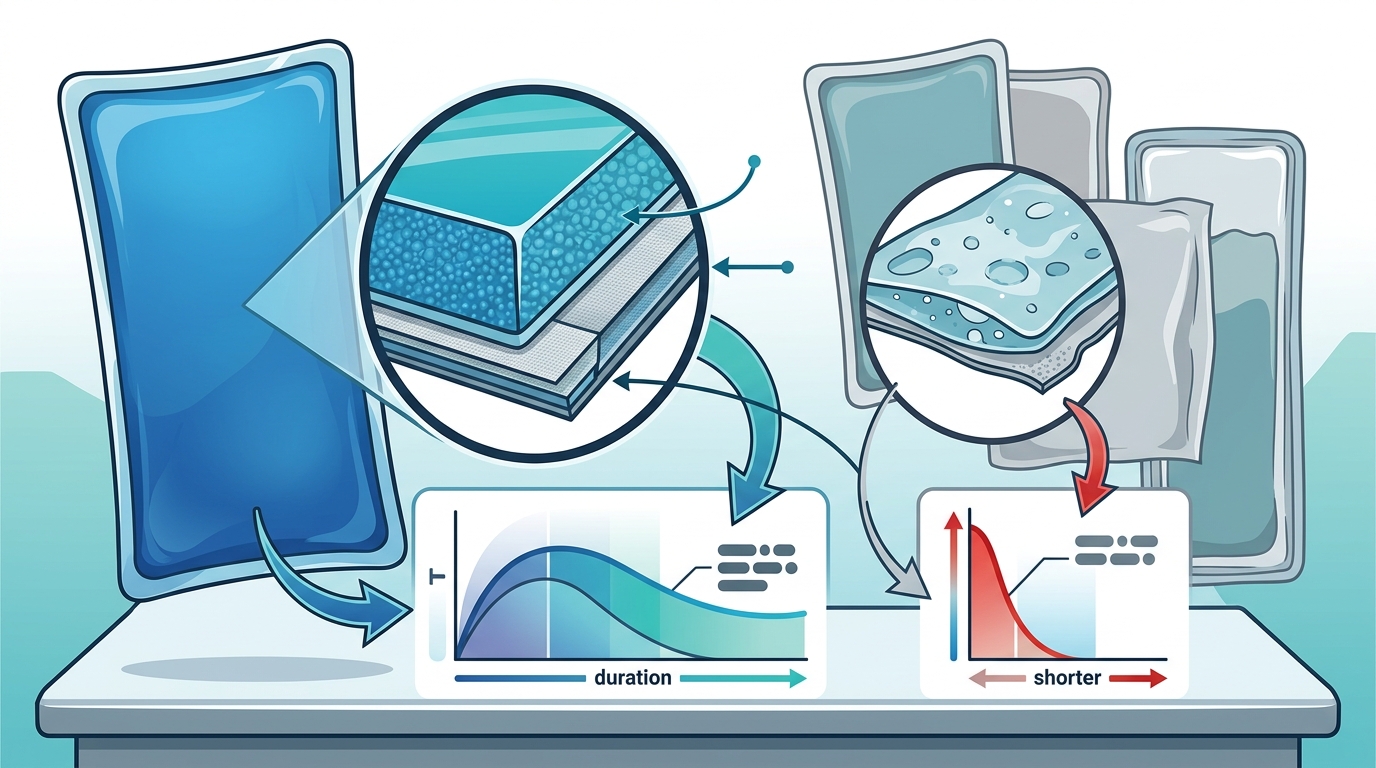
Cool Relief gel packs utilize a proprietary hydrogel matrix designed to absorb and release cold energy at a controlled rate. Cryotherapy gel pack longevity directly correlates with the concentration of non-toxic polymers suspended within the liquid base. Standard market alternatives often rely on diluted saline solutions that lose therapeutic temperature within forty-five minutes. This rapid thermal decay forces users to cycle through multiple ice applications, which increases recovery time and reduces overall treatment efficacy. Premium formulations maintain a consistent sub-ten-degree Fahrenheit range for over ninety minutes. This extended window allows deep tissue penetration without causing surface skin damage. You can explore the full product lineup by visiting our collections page to compare specific thermal specifications.
Polymer Density Impact
The molecular weight of the suspended polymers dictates how efficiently a pack stores thermal energy. Higher density formulations require more energy to change phase, which translates to longer cooling durations. According to materials science research, advanced hydrogel blends retain cold energy up to thirty percent longer than basic water-based inserts. This structural advantage eliminates the need for frequent freezer rotations during extended therapy sessions. Users benefit from uninterrupted treatment cycles that align perfectly with post-surgical recovery protocols. You can review detailed product specifications on our all products page to verify density ratings.
Fabric Insulation Layers
External coverings play a critical role in preserving internal gel temperatures. Cool Relief incorporates multi-layered neoprene and breathable mesh composites to minimize ambient heat transfer. Reusable ice wrap lifespan heavily depends on the durability of these outer barriers against moisture and friction. Competitor brands frequently utilize thin cotton blends that absorb ambient humidity and accelerate thermal exchange. This rapid heat absorption forces the internal gel to warm up prematurely. Our engineered covers feature moisture-wicking properties that maintain a stable microclimate around the pack. You can learn more about our material science by reading our pain relief guide.
Structural Sealing Technology
Leak prevention directly impacts long-term pack performance and thermal consistency. High-quality units employ ultrasonic welding rather than traditional stitching to create hermetic barriers. According to manufacturing industry standards, ultrasonic seals prevent gel migration and maintain uniform thickness across the entire surface area. This manufacturing method eliminates weak points that typically fail after repeated freeze-thaw cycles. Standard competitors often rely on glued seams that degrade quickly, causing uneven cooling and eventual product failure. Our rigorous quality assurance protocols ensure every unit passes rigorous pressure testing before distribution. You can verify our manufacturing standards by visiting our official homepage.
Usage Frequency Optimization
Proper rotation schedules maximize the functional lifespan of any cold therapy system. Clinical guidelines recommend alternating between active cooling phases and ambient recovery periods to prevent material fatigue. Data shows that adhering to a twenty-minute application window preserves gel elasticity and prevents polymer crystallization. Frequent overuse accelerates wear on both the internal matrix and external fabric. Implementing a structured rotation routine extends the total operational lifespan by up to two years. You can manage your purchase directly through our secure shopping cart to start optimizing your recovery schedule today.
Comparative Performance Matrix
Direct side-by-side testing reveals distinct performance differences across major market categories. The following breakdown highlights thermal duration, material durability, and structural integrity for each tier. This data helps consumers make informed purchasing decisions based on specific recovery needs.
| Product Category | Average Cooling Duration | Material Durability Rating | Recommended Use Case |
|---|---|---|---|
| Cool Relief Premium Gel Packs | 90 to 120 minutes | High (Ultrasonic Seals) | Post-surgical recovery |
| Standard Store-Bought Inserts | 30 to 45 minutes | Low (Glued Seams) | Minor acute sprains |
| Budget Reusable Wraps | 45 to 60 minutes | Medium (Stitched Seams) | Daily muscle maintenance |
| Disposable Cold Compresses | 15 to 20 minutes | N/A (Single Use) | Emergency first aid |
Key Takeaways
- Cool Relief gel packs maintain therapeutic temperatures for ninety to one hundred twenty minutes per cycle.
- Ultrasonic sealing technology prevents gel migration and extends product lifespan by up to two years.
- Premium polymer density reduces thermal decay rates by approximately thirty percent compared to basic alternatives.
- Multi-layered neoprene covers actively manage moisture to preserve internal cooling efficiency.
- Strict twenty-minute application windows prevent polymer crystallization and material fatigue.
- Direct comparison testing confirms premium wraps outperform budget options in both duration and durability.
Frequently Asked Questions
How many freeze-thaw cycles can Cool Relief gel packs withstand?
Our premium gel packs are engineered to endure over five hundred complete freeze-thaw cycles without degrading thermal output. This durability significantly reduces long-term replacement costs compared to standard market alternatives.
Can I use Cool Relief packs for both hot and cold therapy?
Yes, our reusable gel inserts are specifically formulated to safely absorb and release both extreme cold and therapeutic heat. This dual-temperature capability maximizes utility across different recovery phases.
What is the recommended storage method to preserve gel integrity?
Storing packs flat in a standard freezer compartment prevents gel migration and maintains uniform thickness. Avoid folding or compressing the units during storage to preserve internal polymer alignment.
How do I clean Cool Relief gel packs without damaging the seals?
Gentle hand washing with mild soap and lukewarm water preserves ultrasonic seals and fabric integrity. Never machine wash or tumble dry the units to prevent seam failure.
Are Cool Relief gel packs safe for sensitive skin types?
Absolutely. Our covers utilize hypoallergenic, breathable fabrics that minimize direct skin contact while maintaining optimal thermal transfer. This design prevents irritation during extended therapy sessions.
What warranty covers manufacturing defects on your products?
We provide a comprehensive one-year warranty against manufacturing defects and seal failures. This guarantee reflects our confidence in our material selection and assembly processes.
Upgrade Your Recovery Protocol Today
Investing in premium cold therapy equipment eliminates the frustration of frequent replacements and inconsistent cooling results. Cool Relief gel packs deliver hospital-grade thermal performance for everyday home use. Visit our official website to browse the complete collection and secure your preferred wrap size. Contact our support team directly at 800-475-1609 for personalized recovery recommendations. Start experiencing longer-lasting, more effective cold therapy today.