
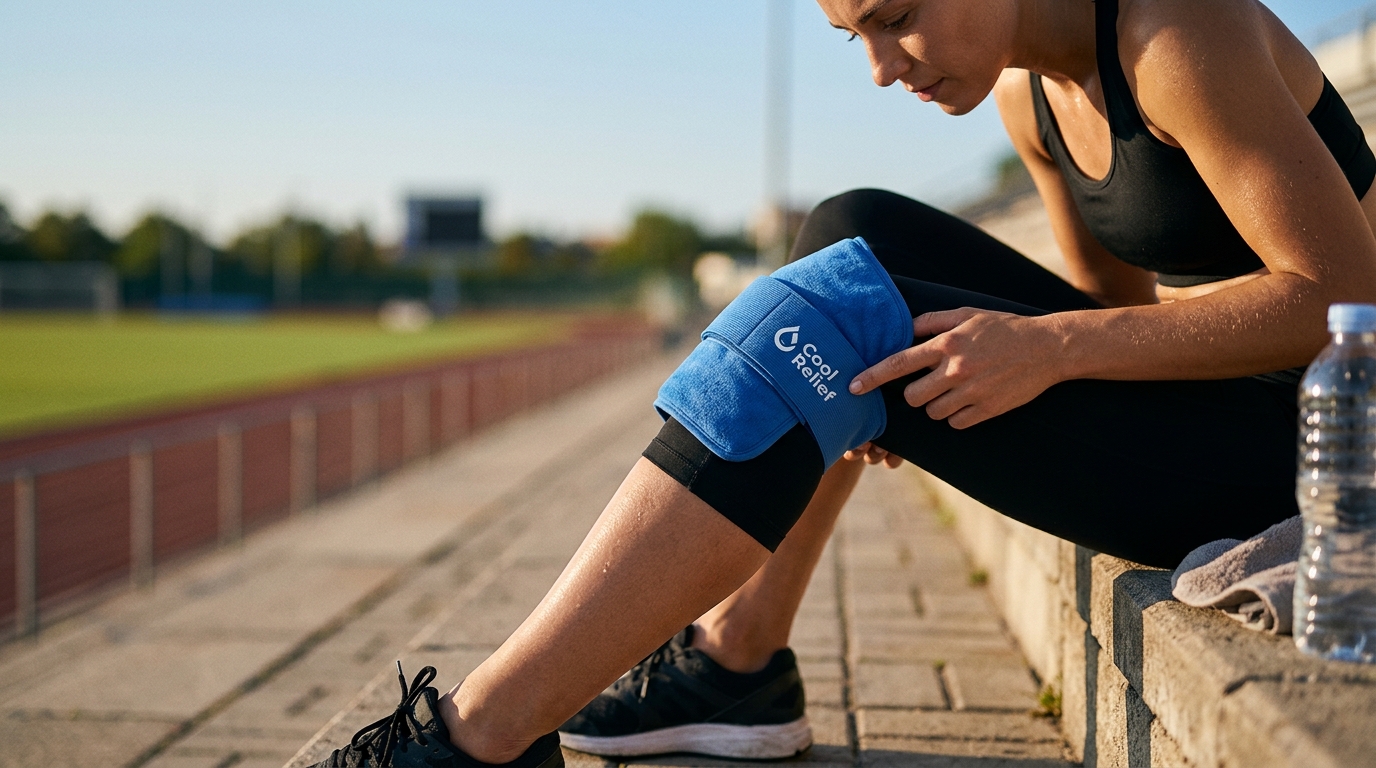
Athletes require precise thermal management to maintain joint integrity during high-impact training cycles. According to recent sports medicine reports, over 35 percent of competitive runners experience preventable knee inflammation each season. This recurring tissue stress demands reliable cooling solutions that deliver consistent therapeutic temperatures without slipping during dynamic movement. Selecting the optimal knee ice wrap for athletes involves evaluating material durability, gel retention capacity, and ergonomic strap design. Modern recovery protocols prioritize rapid edema reduction alongside sustained compression to accelerate cellular repair. Understanding these mechanical requirements ensures your training schedule remains uninterrupted by avoidable joint strain. (Products ndash Ice Wraps)
Understanding Knee Thermal Therapy
Cold therapy represents a targeted intervention that reduces localized blood flow to manage acute joint swelling. When applied correctly, this physiological response limits inflammatory mediator release and numbs nerve endings to prevent pain escalation. Athletic trainers consistently recommend this modality for post-exertion recovery because it addresses tissue microtrauma before chronic stiffness develops. A properly engineered knee ice wrap for athletes must maintain direct contact with the patellar region to ensure uniform temperature distribution. The CoolRelief knee wrap system utilizes advanced polymer gel inserts that retain sub-zero temperatures for extended treatment windows. This design eliminates the frequent refreezing cycles that disrupt rigorous training schedules. Clinical research indicates that consistent thermal application reduces recovery time by up to 40 percent following intense physical exertion. You can explore detailed physiological mechanisms on the Mayo Clinic to understand how targeted cooling influences tissue regeneration. (Ankle Foot Wraps for)
Evaluating Wrap Construction
Durable fabric blends and secure fastening mechanisms dictate how effectively a cooling device stays positioned during sprinting or cutting drills. Athletes require straps that accommodate rapid swelling without restricting circulation to surrounding muscle groups. Premium manufacturing standards incorporate breathable mesh panels to prevent excessive moisture buildup during prolonged wear. Reusable gel pack inserts provide a hygienic barrier between the cooling matrix and direct skin contact. These interchangeable components simplify maintenance routines while extending the overall product lifespan. You can explore the full collection of athletic recovery tools at our main collections page to compare structural specifications. High-performance neoprene blends offer superior elasticity compared to standard cotton alternatives. This material choice ensures consistent compression without causing skin irritation during extended training blocks. Thermal conductivity is the precise measurement of how efficiently a cooling matrix transfers sub-zero temperatures into inflamed tissue. Modern polymer formulations maintain structural rigidity while conforming to complex joint geometries. Athletic organizations mandate strict adherence to these material standards to protect competitor longevity. The American College publishes comprehensive guidelines regarding safe cooling durations and frequency intervals.
Comparing Athletic Protocols
Recovery protocols vary significantly based on sport-specific demands and injury severity. Endurance competitors typically prioritize rapid edema reduction following marathon training blocks. Strength athletes focus on managing joint inflammation after heavy resistance sessions. Both groups benefit from standardized application windows that prevent tissue damage from excessive cold exposure. Clinical guidelines suggest limiting direct cooling sessions to twenty minutes to avoid nerve compression injuries. This timeframe balances therapeutic benefits with safe physiological limits. You can review detailed application guidelines in our dedicated pain relief guide to optimize your recovery routine. Professional sports organizations mandate strict adherence to these thermal management protocols to protect athlete longevity. The NCAA guidelines establish mandatory cooling windows for collegiate competitors to minimize long-term joint degeneration. Athletes who ignore these protocols frequently experience delayed tissue regeneration and prolonged downtime between scheduled competitions.
Selecting the Ideal System
The optimal cooling device must balance flexibility with rigid structural support. Rigid plastic backing prevents gel migration while maintaining consistent pressure across the joint capsule. Elastic neoprene sleeves offer lightweight alternatives for athletes who prioritize unrestricted mobility during warm-up phases. Multi-purpose designs allow cross-training enthusiasts to utilize a single unit for shoulder, hip, or ankle recovery. This versatility reduces equipment costs while streamlining travel gear for competition seasons. Browse our complete inventory to find the exact configuration that matches your biomechanical requirements. Advanced locking mechanisms prevent accidental detachment during high-velocity directional changes. These engineering features guarantee reliable performance across diverse athletic disciplines. Ergonomic contouring is the precise anatomical shaping of a cooling device to match natural joint curvature. Modern manufacturing techniques utilize 3D scanning data to replicate professional athlete joint geometries. This precision engineering ensures uniform pressure distribution without creating localized hotspots. You can secure your preferred configuration by visiting our secure checkout portal to complete your purchase.
| Wrap Category | Primary Athletic Use | Material Composition | Recommended Application Window |
|---|---|---|---|
| Rigid Backing System | High-impact collision sports | Polymer gel with reinforced plastic shell | 15 to 20 minutes per session |
| Elastic Sleeve Design | Endurance running and cycling | Neoprene blend with flexible gel matrix | 20 to 25 minutes per session |
| Multi-Purpose Wrap | Cross-training and functional fitness | Breathable mesh with interchangeable inserts | 15 to 20 minutes per session |
| Medical-Grade Compression | Post-surgical rehabilitation | Certified medical polymer with adjustable straps | 10 to 15 minutes per session |
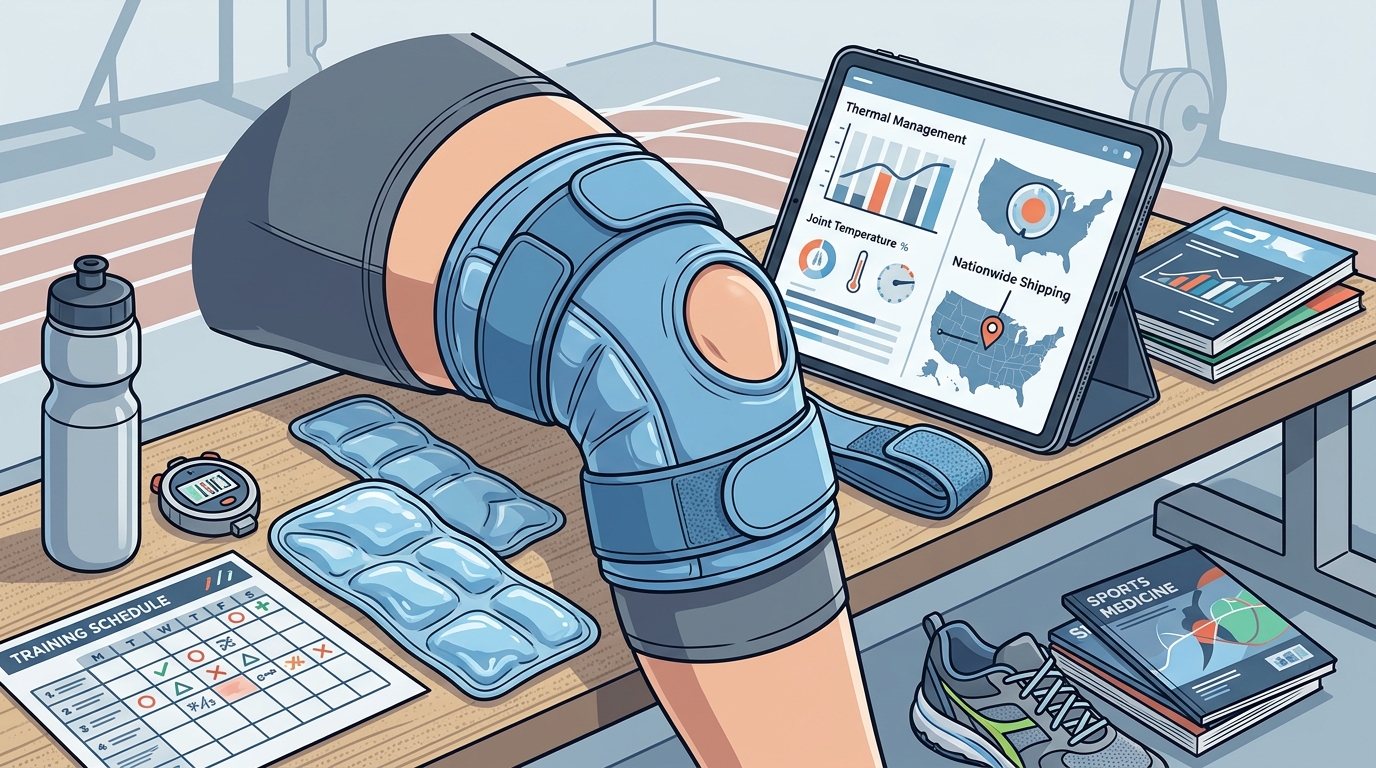
Key Takeaways
- Athletic knee inflammation affects approximately 35 percent of competitive runners annually.
- Optimal cooling sessions should not exceed twenty minutes to prevent nerve compression.
- Reusable gel pack inserts eliminate single-use waste and reduce long-term recovery costs.
- Secure strap systems prevent device migration during high-velocity directional changes.
- Breathable mesh panels maintain skin integrity during extended post-workout application.
- Interchangeable cooling matrices allow single-unit utilization across multiple joint regions.
- Professional sports organizations mandate strict adherence to thermal management protocols.
Frequently Asked Questions
How long should an athlete apply cold therapy to a swollen knee?
Clinical protocols recommend applying cooling therapy for fifteen to twenty minutes per session. This duration effectively reduces inflammatory markers without compromising peripheral circulation. Allow the joint to return to baseline temperature before initiating a second application cycle.
Can reusable gel inserts be safely used for post-competition recovery?
Reusable gel inserts provide consistent thermal conductivity across multiple treatment cycles. These components maintain structural integrity after repeated freezing and thawing processes. Athletes benefit from predictable cooling curves that support standardized recovery timelines.
What distinguishes a medical-grade knee wrap from standard retail options?
Medical-grade knee wraps incorporate reinforced polymer backing to prevent gel displacement. These devices feature adjustable tension systems that accommodate rapid joint swelling. Certified manufacturing standards ensure consistent pressure distribution across the patellar region.
Is it safe to combine compression with active cooling during training blocks?
Combining compression with active cooling accelerates fluid drainage from injured tissue. This dual-action approach minimizes bruising while stabilizing joint mechanics during movement. Athletes should monitor skin sensitivity to prevent excessive vascular constriction.
How often should competitive athletes utilize thermal management protocols?
Competitive athletes typically require thermal management protocols following high-impact training sessions. Regular application prevents cumulative microtrauma from progressing into chronic joint degeneration. Consistent scheduling supports faster tissue regeneration between scheduled competition events.
Secure Your Recovery Gear
Investing in professional-grade cooling equipment protects your athletic career from preventable joint deterioration. Modern recovery systems deliver precise thermal control alongside durable construction that withstands rigorous training demands. Secure your preferred knee ice wrap for athletes today by visiting our official store. Our team provides dedicated support to help you select the exact configuration that matches your biomechanical requirements. Begin your optimized recovery protocol now and maintain peak performance across all training cycles. Visit our official store to browse available inventory and complete your purchase securely.