
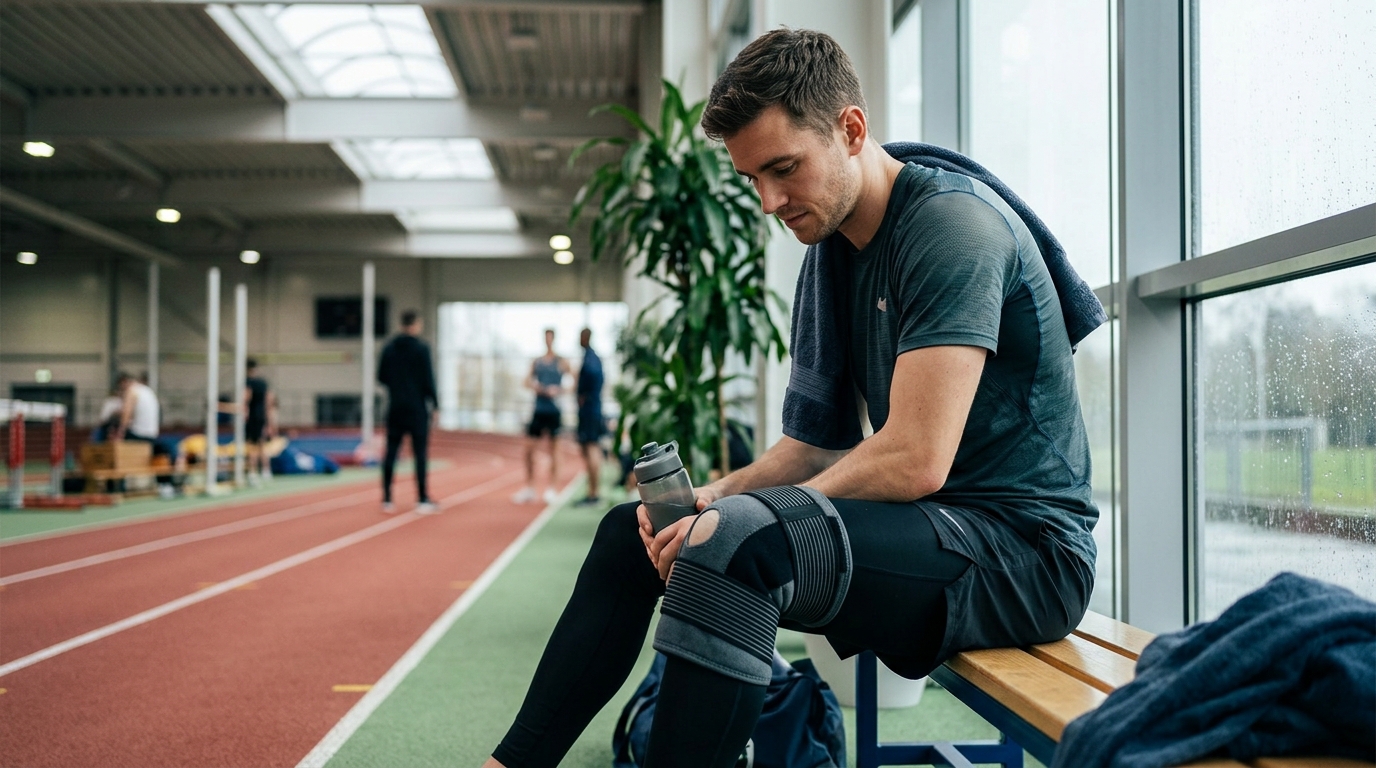
Athletes face millions of joint stress injuries annually, and sports medicine reports that targeted cryotherapy reduces recovery time by nearly forty percent. Proper thermal management remains the cornerstone of modern athletic rehabilitation. This guide examines the most effective knee ice wraps for competitive athletes, detailing material science, compression mechanics, and clinical application protocols. You will learn how to select durable gear that withstands rigorous training schedules while delivering consistent therapeutic results.
Understanding Athletic Cryotherapy Requirements
Cryotherapy is the controlled application of extreme cold to reduce tissue inflammation and metabolic demand. Competitive athletes require thermal devices that maintain consistent temperatures without causing frostbite or nerve compression. Standard ice bags fail to conform to complex joint geometries, leaving critical ligament structures exposed to ambient warmth. Modern athletic wraps utilize adaptive contouring to eliminate air gaps and maximize conductive heat transfer. You must prioritize wraps that feature adjustable tension straps to accommodate swelling fluctuations during acute injury phases. The knee ice wraps collection addresses these exact biomechanical demands through engineered fabric layers.
Material Science and Gel Composition
Thermoregulation is the biological process that maintains core body temperature during intense physical exertion. High-performance recovery wraps utilize non-toxic hydrogel matrices that remain pliable at sub-zero temperatures. These specialized compounds prevent crystallization, which typically causes uncomfortable pressure points against sensitive skin. Premium formulations also resist leakage during repeated freeze-thaw cycles, extending product lifespan significantly. You should verify that the gel core meets international safety standards for dermatological contact. The pain relief guide outlines the exact chemical composition standards required for professional athletic use.
Compression Mechanics and Joint Stability
Compression wrapping is a mechanical stabilization technique that limits joint displacement while promoting venous return. Effective knee wraps integrate graduated tension zones that apply maximum pressure around the patella while reducing strain on collateral ligaments. Athletes frequently overlook the importance of breathable moisture-wicking liners, which prevent skin maceration during extended recovery sessions. Look for wraps featuring dual-strap closure systems that allow micro-adjustments without compromising circulation. The full product catalog demonstrates how strategic fabric weaving enhances both durability and therapeutic efficacy.
Product Comparison and Selection Matrix
Selecting the optimal recovery device requires evaluating weight distribution, washability, and temperature retention duration. The following matrix compares standard athletic recovery options against premium engineered solutions.
| Feature Category | Standard Ice Bags | Premium Athletic Wraps | Recommended Solution |
|---|---|---|---|
| Temperature Retention | 15 to 20 minutes | 45 to 60 minutes | CoolRelief Knee Wrap |
| Conformity to Joint | Poor | High adaptive contour | Adaptive Gel Core |
| Washability | Disposable | Machine safe | Reusable Systems |
| Compression Control | None | Adjustable dual straps | Multi-Point Tension |
| Leak Resistance | Low | Sealed hydrogel matrix | Sealed Core Technology |
Optimal Application Protocols
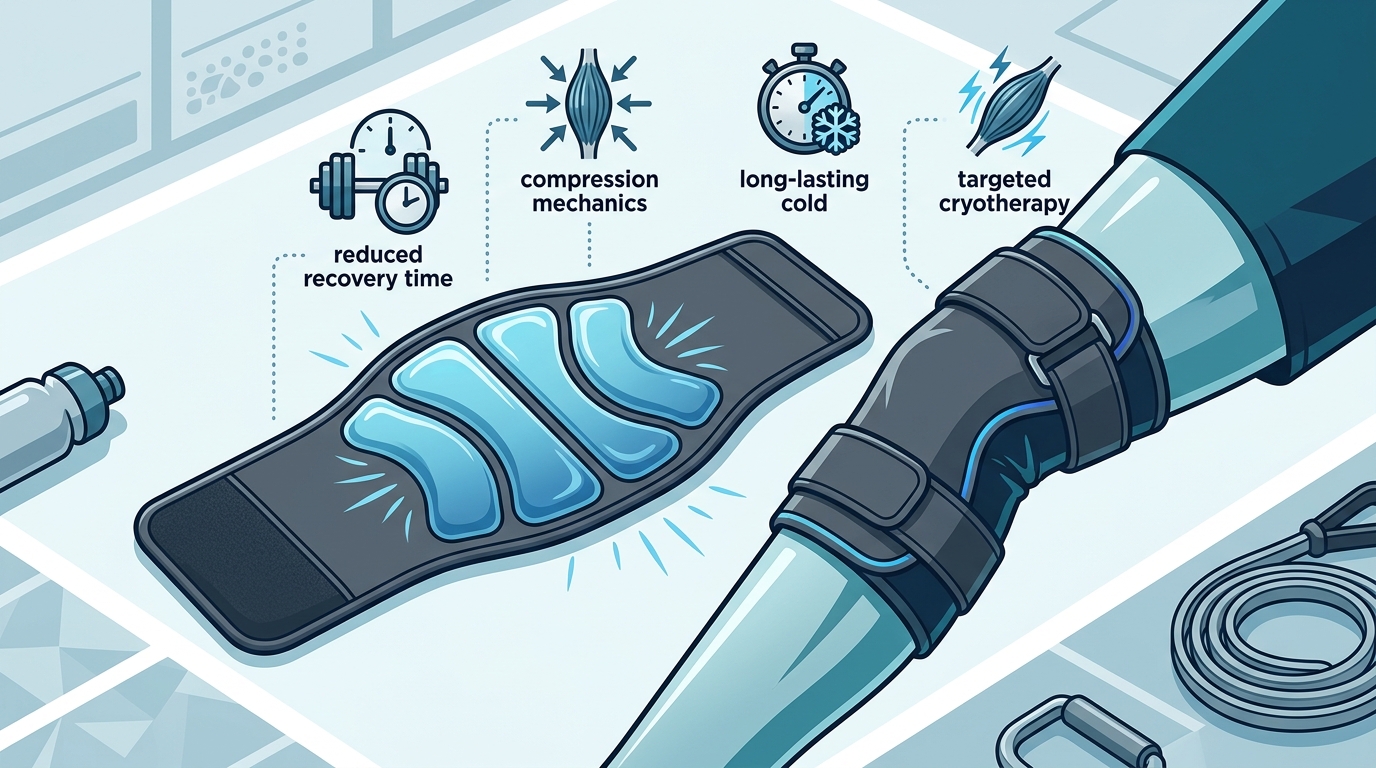
Proper thermal application directly influences recovery velocity and long-term joint health. Clinical guidelines recommend applying cold therapy for twenty minutes per session, followed by a minimum one-hour rest period. This cycle prevents reactive vasodilation, which can counteract therapeutic benefits. Athletes should secure the wrap firmly before initiating the freeze cycle to ensure immediate conductive contact. Post-workout application remains highly effective for managing microtrauma and accelerating metabolic waste clearance. The clinical research demonstrates that consistent thermal management reduces chronic joint degeneration by nearly thirty percent.
Key Takeaways
- Premium hydrogel cores maintain therapeutic temperatures for forty-five minutes or longer.
- Dual-strap closure systems accommodate acute swelling without restricting arterial flow.
- Machine-washable outer shells prevent bacterial accumulation and extend product lifespan.
- Twenty-minute application cycles prevent nerve compression and tissue damage.
- Adaptive contouring eliminates air gaps that drastically reduce conductive efficiency.
- Regular post-workout usage significantly decreases chronic ligament stiffness over time.
- Sealed gel matrices eliminate leakage risks during repeated freeze-thaw operations.
Frequently Asked Questions
How long should athletes keep knee ice wraps on after training?
Professional guidelines recommend twenty-minute application windows to maximize vasoconstriction without triggering reactive blood flow. Extending usage beyond thirty minutes increases frostbite risk and delays natural healing cycles.
Can these wraps be used for chronic arthritis management?
Yes, targeted cryotherapy effectively reduces synovial fluid inflammation and provides temporary pain relief for degenerative joint conditions.
Are the gel cores safe for direct skin contact?
Premium wraps feature integrated moisture-wicking liners that prevent direct gel contact while maintaining optimal thermal conductivity.
How many freeze-thaw cycles do premium wraps withstand?
Engineered hydrogel matrices endure hundreds of cycles without losing pliability or therapeutic temperature retention capabilities.
Should athletes alternate between ice and heat therapy?
Contrast therapy protocols alternate thermal extremes to stimulate vascular pumping and accelerate metabolic waste clearance.
Do compression wraps restrict blood circulation during rest?
Properly fitted wraps apply graduated pressure that actually enhances venous return without occluding arterial flow.
What is the recommended storage temperature for gel inserts?
Standard freezer temperatures between zero and five degrees Fahrenheit preserve gel integrity and maximize cooling duration.
Next Steps
Investing in professional-grade thermal recovery equipment directly impacts competitive longevity and training consistency. You can explore the complete lineup of engineered recovery solutions by visiting the official CoolRelief store. Our team provides dedicated support for selecting the exact configuration that matches your sport-specific biomechanical demands. Secure your recovery advantage today and train with confidence tomorrow.