

Heat exhaustion and thermal stress are not just summer inconveniences; they are serious physiological challenges that require immediate, targeted intervention. According to the Centers for Disease Control and Prevention (CDC), heat-related illnesses result in thousands of emergency room visits annually, with core body temperature regulation being the primary factor in recovery. While the standard application for a cooling gel wrap is on the head or neck to lower overall body temperature, the versatility of these medical-grade devices extends far beyond basic thermoregulation. Understanding the full spectrum of application sites can transform a simple ice pack into a critical tool for pain management, injury recovery, and daily comfort. (Collections ndash Ice Wraps)
Why Versatility Matters in Pain Management
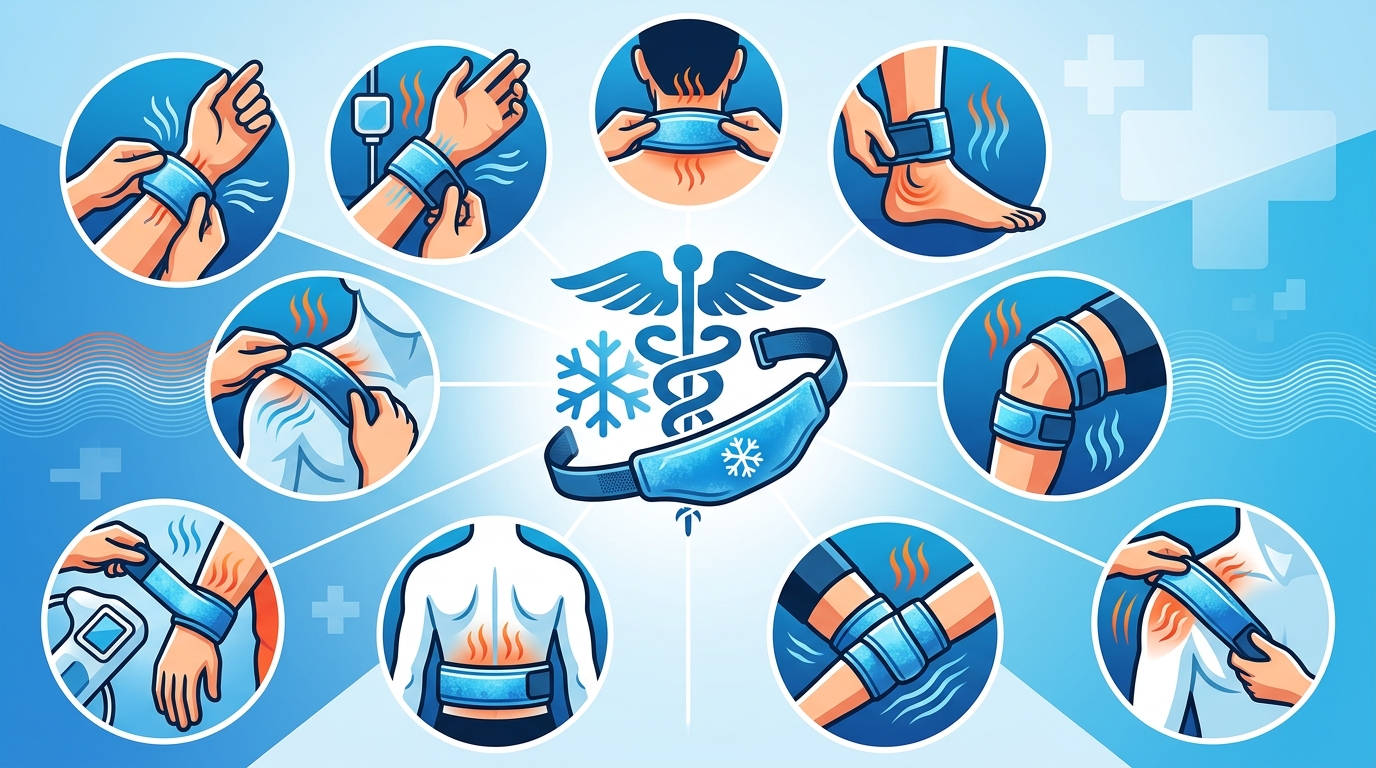
Cold therapy, or cryotherapy, works by constricting blood vessels to reduce blood flow to an injured area. This process limits swelling and numbs nerve endings, providing immediate pain relief. However, many users limit their usage to the head, missing out on the device's potential for treating localized inflammation elsewhere. The Cool Relief product line is designed with flexible, conformable materials that allow the gel pack to adapt to various body contours. This adaptability is crucial for effective treatment of irregular surfaces like the jaw, shoulders, or wrists.
By expanding your application strategy, you can address multiple health issues with a single, reusable tool. This approach not only saves money but also ensures that you have a reliable, sterile, and ready-to-use solution for acute pain episodes. The key is understanding which areas benefit most from rapid cooling and how to secure the wrap for maximum efficacy.
Sinus and Facial Inflammation Relief
One of the most effective, yet often overlooked, uses for a cooling ice bandana is treating sinus pressure and facial inflammation. When sinuses become congested due to allergies or infections, the resulting pressure can cause severe headaches and facial pain. Applying a cold gel pack to the forehead and bridge of the nose helps constrict the dilated blood vessels in the sinus cavities, reducing swelling and alleviating pressure.
This method is particularly useful for individuals suffering from chronic sinusitis or seasonal allergies. The pain relief guide from Cool Relief highlights how targeted cold therapy can provide faster relief than oral medications alone. For best results, position the ice band so that the coldest part of the gel pack rests directly over the sinus areas. This direct contact ensures that the cooling effect penetrates deeply into the tissue, offering significant comfort during acute flare-ups.
Dental Post-Operative Care
Dental procedures, such as wisdom tooth extraction, root canals, or gum surgery, often result in significant facial swelling and pain. Dentists routinely recommend ice application during the first 24 to 48 hours post-surgery to minimize inflammation. A standard ice pack can be difficult to keep in place while lying down or moving around the house. This is where the Cool Relief ice bandana excels.
The adjustable straps allow you to secure the gel pack firmly against the cheek or jawline without the need for constant manual holding. This hands-free application is critical for maintaining consistent cold therapy, which is essential for preventing hematoma formation and reducing post-operative pain. The flexible nature of the wrap ensures it conforms to the jawline, providing even coverage over the surgical site. For detailed instructions on post-operative care, you can refer to the Cool Relief blog which offers professional insights into managing dental pain.
Migraine and Tension Headache Mitigation
While applying ice to the head is a common practice, the specific placement and type of wrap matter. For migraines, cooling the temples and the back of the neck can help interrupt the pain signals sent to the brain. Tension headaches, often caused by tight muscles in the scalp and neck, respond well to the gentle, consistent pressure and cold provided by a gel wrap.
The Cool Relief ice bandana is designed to distribute cold evenly, preventing the