
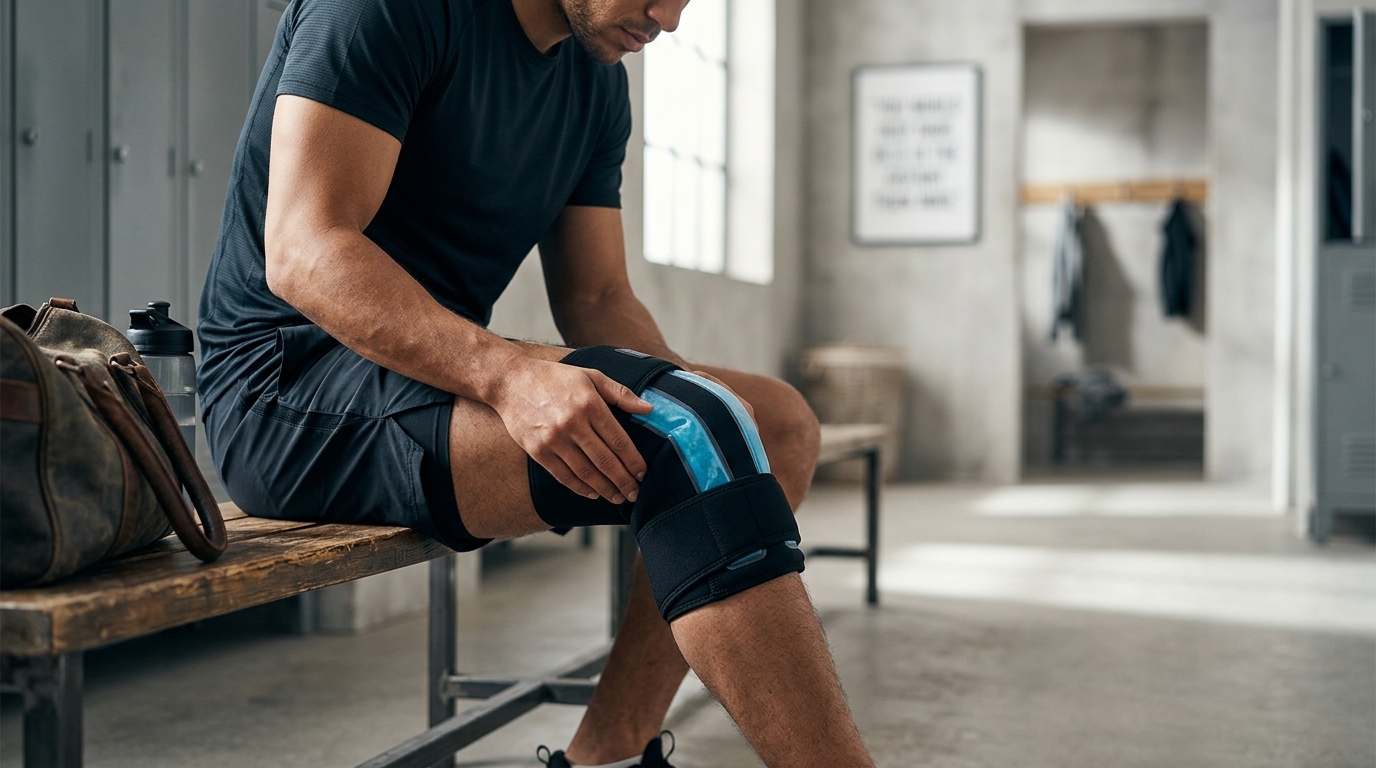
Athletes face significant physical stress daily, and managing inflammation is critical for sustained performance. According to the American Academy of Orthopaedic Surgeons, cryotherapy or cold therapy is a standard treatment for acute knee injuries to reduce swelling and pain. This medical consensus highlights why selecting the right equipment matters. A poor choice can lead to ineffective treatment or skin damage. The right gear accelerates recovery time and keeps you in the game longer. (Collections ndash Ice Wraps)
Understanding Knee Injuries in Sports
The knee is a complex hinge joint that bears the brunt of impact during running, jumping, and cutting. Athletes often suffer from conditions like patellar tendinitis, bursitis, or ligament strains. These injuries cause micro-tears in the tissue, leading to inflammation. Inflammation is the body's natural response, but excessive swelling can delay healing and restrict mobility.
Cold therapy works by constricting blood vessels. This process limits the flow of blood to the injured area. The result is reduced swelling and numbed nerve endings. This numbing effect provides immediate pain relief. Athletes need a solution that delivers cold consistently without causing frostbite.
Traditional ice packs made of gel or water are often bulky. They do not conform well to the knee's shape. This lack of contact means uneven cooling. A specialized ice wrap solves this problem by wrapping securely around the joint. It ensures maximum surface area contact for effective treatment.
Types of Ice Wraps for Athletes
Not all cold therapy devices are created equal. Athletes have different needs based on the severity of their injury and their sport. Understanding the available options helps in making an informed decision. The market offers several distinct categories of knee ice wraps.
Reusable Gel Ice Wraps
Reusable gel ice wraps are the most popular choice for many athletes. These wraps contain a non-toxic gel that stays pliable when frozen. They are designed to mold to the contours of the knee. This flexibility ensures that the cold source stays in place during movement. You can freeze them in a standard freezer and apply them directly to the skin with a barrier towel.
The primary advantage is convenience. You do not need to mix chemicals or prepare ice. The wrap is ready to use whenever you need it. Many models come with adjustable straps for a secure fit. This security is vital for athletes who need to move around while treating their injury.
Compressible Ice Packs
Compressible ice packs offer a different approach. These packs are often made of a soft, foam-like material that can be compressed. They are typically used in conjunction with a wrap or sleeve. The compressibility allows for deep tissue penetration. This type is excellent for targeted pressure on specific pain points.
These packs are durable and long-lasting. They resist tearing and puncturing better than thin gel packs. Athletes who engage in high-impact sports may prefer this durability. The material retains cold temperatures for extended periods. This longevity makes it cost-effective over time.
Heat and Cold Combination Wraps
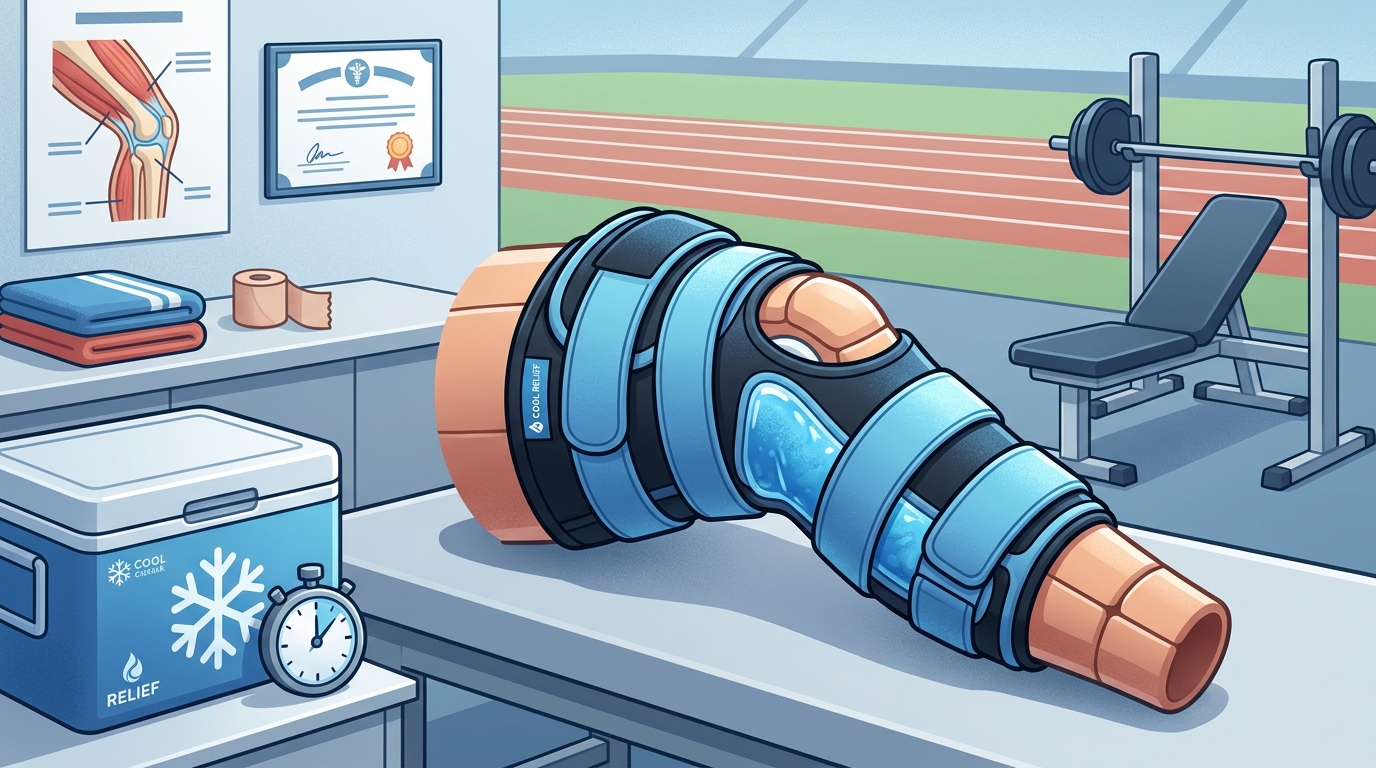
Sometimes, cold therapy is not enough. Heat therapy promotes blood flow and relaxes tight muscles. A combination wrap allows you to switch between hot and cold treatments. This versatility is useful for chronic knee pain or post-workout stiffness. You can use cold for acute inflammation and heat for muscle relaxation.
This dual-functionality saves space and money. You do not need to buy separate devices for each therapy. The wrap adapts to your changing needs. This adaptability is crucial for athletes in the rehabilitation phase. It supports a comprehensive recovery strategy.
Comparison of Ice Wrap Options
Choosing the right knee ice wrap depends on your specific requirements. The table below compares the key attributes of the main types of ice wraps available. This comparison helps you weigh the pros and cons of each option.
| Feature | Reusable Gel Wrap | Compressible Ice Pack | Heat/Cold Wrap |
|---|---|---|---|
| Flexibility | High | Medium | High |
| Cold Retention | Medium | High | Medium |
| Adjustability | Straps | Sleeve Fit | Straps |
| Versatility | Cold Only | Cold Only | Hot & Cold |
| Best For | Acute Injuries | Deep Tissue | Chronic Pain |
Each option has its place in an athlete's toolkit. The reusable gel wrap is ideal for immediate post-game treatment. The compressible pack is better for deep, persistent pain. The combination wrap offers the most flexibility for long-term management.
Key Features to Look For
When shopping for a knee ice wrap, several features stand out as critical. First, look for a waterproof or water-resistant outer layer. This feature prevents moisture from leaking onto your clothes or furniture. It also makes cleaning the wrap easy and hygienic.
Second, consider the strap system. Adjustable straps ensure a snug fit. A loose wrap will shift during use, reducing effectiveness. The straps should be durable and easy to fasten. Velcro is a common and reliable choice for this application.
Third, check the material safety. The gel or material inside should be non-toxic. It must be safe for skin contact. Look for products that are latex-free if you have allergies. The outer fabric should be soft to prevent irritation.
Finally, consider the ease of freezing. Some wraps are too thick to freeze completely in a standard freezer. This limitation reduces their cooling power. Choose a wrap that thaws and refreezes quickly. This convenience encourages consistent use.
Proper Ice Therapy Technique
Using an ice wrap correctly is just as important as choosing the right one. Overuse can cause tissue damage. Underuse may not provide relief. Follow these guidelines for safe and effective treatment.
Always place a thin towel between the ice wrap and your skin. Direct contact with frozen gel can cause ice burns. The towel acts as a buffer while still allowing cold transfer. This step is non-negotiable for safety.
Limit each session to 15 to 20 minutes. Prolonged exposure can lead to numbness and reduced blood flow. Remove the wrap and allow the skin to return to normal temperature. You can repeat this process every two to three hours during the first 48 hours after an injury.
Elevate your leg while applying the ice wrap. Elevation helps drain excess fluid from the knee. This action enhances the anti-inflammatory effect. Combining elevation with cold therapy maximizes recovery benefits.
Listen to your body. If you experience sharp pain or increased discomfort, stop immediately. Ice therapy is a supportive treatment, not a cure. Consult a medical professional for persistent or severe injuries.
Key Takeaways
- Cold therapy reduces inflammation and numbs pain in acute knee injuries.
- Reusable gel wraps offer flexibility and ease of use for most athletes.
- Compressible packs provide deeper tissue penetration for chronic pain.
- Heat and cold combination wraps offer versatility for different recovery stages.
- Always use a barrier towel to prevent ice burns during application.
- Limit ice sessions to 20 minutes to avoid tissue damage.
- Elevating the leg enhances the effectiveness of cold therapy.
Frequently Asked Questions
How long should I keep an ice wrap on my knee?
You should keep an ice wrap on your knee for 15 to 20 minutes at a time. This duration is sufficient to reduce swelling without causing tissue damage. Longer sessions do not provide additional benefits and may be harmful.
Can I use a knee ice wrap for heat therapy?
Only if the wrap is specifically designed for both hot and cold use. Standard gel ice wraps are not suitable for heat. Using a cold-only wrap with heat can damage the material or cause leaks. Check the product description for dual-therapy capabilities.
Is it safe to sleep with an ice wrap on?
No, you should never sleep with an ice wrap on. Prolonged exposure during sleep can lead to ice burns or nerve damage. Your body's natural response to cold may also be impaired while you are unconscious. Remove the wrap before resting.
How do I clean a reusable ice wrap?
Most reusable ice wraps can be wiped clean with a damp cloth and mild soap. Allow them to air dry completely before storing. Some models are machine washable, but check the manufacturer's instructions. Proper cleaning prevents bacterial growth and extends the product's life.
What is the difference between an ice pack and an ice wrap?
An ice pack is a static block of cold that you place on an area. An ice wrap is a flexible device that wraps around a joint. The wrap provides better contact and security for mobile joints like the knee. It stays in place during movement and daily activities.
Can I use an ice wrap on a fresh injury?
Yes, ice wraps are ideal for fresh injuries. They help reduce immediate swelling and pain. Apply the wrap as soon as possible after the injury occurs. This early intervention can significantly speed up the recovery process.
How often should I use an ice wrap for recovery?
For acute injuries, use the ice wrap every two to three hours during the first 48 hours. For chronic pain, use it as needed for pain relief. Consistency is key to managing inflammation. Adjust the frequency based on your pain levels and recovery progress.
Shop Recovery Gear
Investing in high-quality recovery equipment is essential for any serious athlete. CoolRelief offers a range of premium ice wraps designed for optimal performance and comfort. Their products are engineered to provide effective cold therapy for various injuries. Explore their collections to find the perfect solution for your needs. Visit the Pain Relief Guide for more expert advice on managing your health. Shop now to start your recovery journey today.