
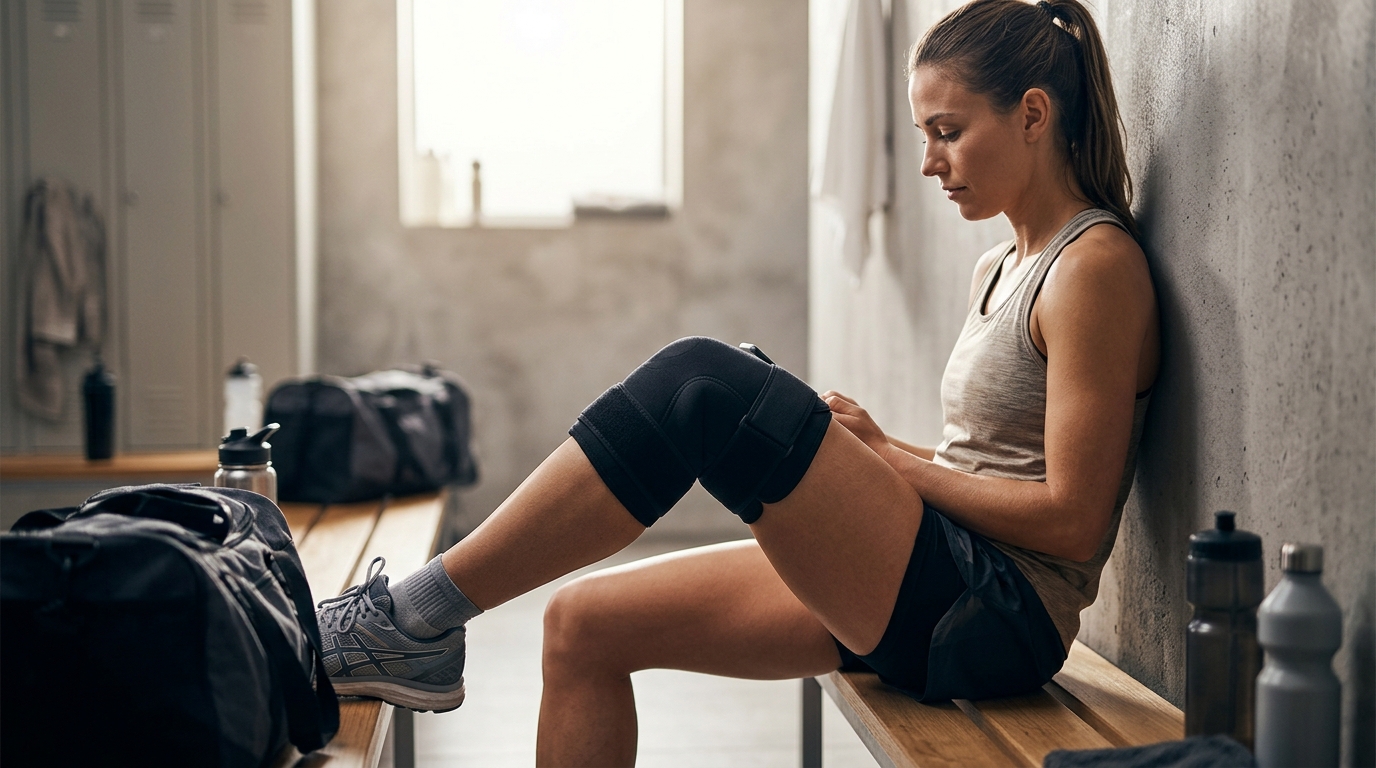
Post-exercise inflammation is a critical physiological response that, if managed poorly, can extend recovery timelines by days or weeks. According to the American Academy of Orthopaedic Surgeons, targeted cryotherapy using specialized ice wraps can significantly reduce swelling and pain in the knee joint after acute injuries or intense training sessions. Athletes who integrate proper cold therapy into their routine often report faster return-to-play metrics compared to those relying solely on rest. This guide details the most effective knee ice wraps, their mechanisms, and how to select the right gear for your specific athletic demands. (Collections ndash Ice Wraps)
Understanding Cryotherapy for Athletes
Cryotherapy is the medical term for cold therapy. It involves the application of cold temperatures to the body to treat acute injuries or chronic pain. For athletes, the primary goal is to constrict blood vessels, which reduces blood flow to the injured area. This process limits the accumulation of fluid and inflammatory mediators in the tissue.
Cold therapy is the reduction of tissue temperature to induce vasoconstriction and decrease metabolic rate. When applied correctly, it numbs the nerve endings, providing immediate pain relief. This allows athletes to maintain mobility during the initial healing phase. Without proper cold application, swelling can restrict range of motion and delay rehabilitation.
Research indicates that consistent ice application can reduce the need for pain medication in the first 48 hours after injury. The Cool Relief Pain Relief Guide offers detailed insights into how different body parts respond to cold therapy. Understanding these physiological responses helps athletes choose the right equipment for their specific injury type.
Product Comparison: Gel vs. Wrap Systems
Not all ice packs are created equal. Athletes need equipment that stays in place during movement and provides consistent cold distribution. Below is a comparison of the two primary categories of knee ice wraps available on the market.
| Feature | Reusable Gel Pack Inserts | Pre-Filled Knee Ice Wraps |
|---|---|---|
| Flexibility | High. Conforms to knee shape. | Moderate. Depends on wrap material. |
| Temperature Retention | Long-lasting when frozen solid. | Variable. Often melts faster. |
| Security | Requires elastic straps or sleeves. | Integrated straps for secure fit. |
| Best For | Customizable fit for all knee sizes. | Quick application post-game. |
Reusable gel packs offer superior customization. You can place the gel pack exactly where the pain is most acute. This is crucial for athletes with lateral knee pain or specific ligament injuries. Pre-filled wraps are convenient but may not fit every knee circumference perfectly. The Cool Relief collections page showcases various options for both categories.
Top Knee Ice Wrap Categories
Selecting the right knee ice wrap depends on your sport, injury type, and personal comfort preferences. Here are the top categories recommended for athletic recovery.
1. Knee Ice Pack Soft Gel
The Knee Ice Pack Soft Gel is a premium option designed for superior comfort. It features a soft gel material that remains flexible even when frozen. This prevents the discomfort associated with hard, block-like ice packs. Athletes often prefer this for post-surgery recovery or chronic tendonitis.
Soft gel is the flexible, temperature-conductive material used in modern ice packs. It ensures consistent contact with the skin without causing cold burns. This product is available for $34.95, offering a 12% discount from the standard price. It is an ideal choice for athletes who need a balance of cold intensity and comfort.
2. Refreezable Cooling Ice Bandana
While primarily designed for the head, the Refreezable Cooling Ice Bandana can be wrapped around the knee for multi-purpose use. It is lightweight and easy to store. This option is excellent for athletes who need to keep their hands free while applying cold therapy.
The Refreezable Cooling Ice Bandana is a versatile, lightweight cold therapy tool. It can be molded around joints or used for general cooling. At $15.00, it is a cost-effective addition to any athlete's recovery kit. It is particularly useful for reducing overall body temperature after intense endurance events.
3. Elastic Compression Knee Wraps
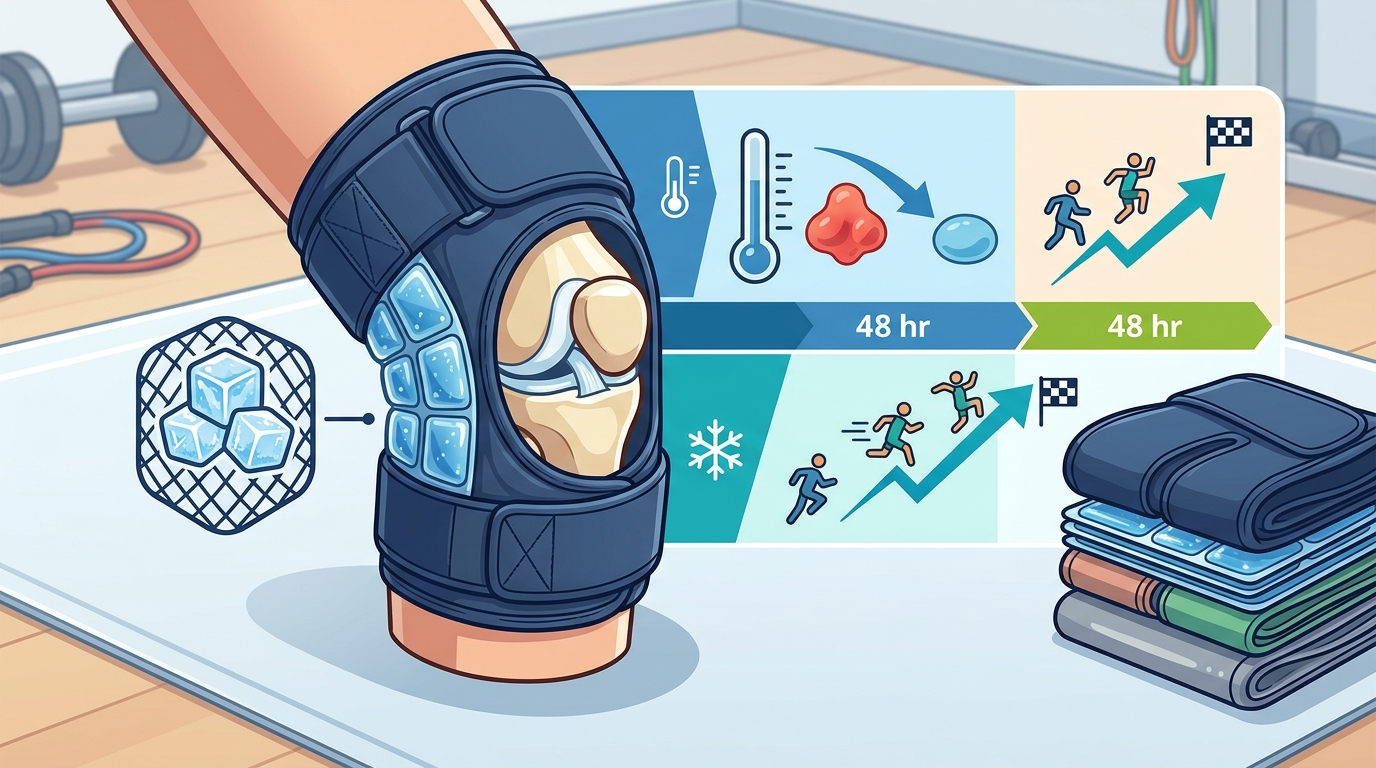
Compression is key to reducing swelling. Elastic knee wraps that hold ice packs in place provide dual benefits. They apply gentle pressure to limit fluid buildup while delivering cold therapy. This combination accelerates the healing process.
Elastic compression knee wraps secure ice packs to the joint. They prevent the pack from sliding during rest or light movement. Look for wraps with adjustable straps for a custom fit. Cool Relief offers various knee ice wraps that integrate compression features.
Usage Protocols & Safety
Proper application of ice wraps is as important as the product itself. Incorrect usage can lead to skin damage or ineffective treatment. Follow these evidence-based protocols for optimal results.
The 20-Minute Rule
Limit ice application to 20 minutes at a time. Prolonged exposure can cause tissue damage or nerve irritation. After 20 minutes, remove the wrap and allow the skin to return to normal temperature. This cycle can be repeated every 2 to 3 hours during the first 48 hours after injury.
The 20-minute rule prevents cold-induced tissue injury. It allows blood flow to resume, flushing out metabolic waste. Athletes should use a timer to ensure they do not exceed this limit. Consistency is more important than duration.
Barrier Protection
Never apply an ice pack directly to the skin. Always use a thin towel or the fabric of the wrap as a barrier. This prevents ice burns and ensures even cold distribution. The Cool Relief shower shield feature also helps keep your environment dry during therapy.
A barrier protects the skin from direct contact with freezing temperatures. It reduces the risk of frostbite and discomfort. This simple step is critical for safe cold therapy. Check your skin regularly for signs of excessive redness or numbness.
Hydration and Nutrition
Cold therapy is only one part of recovery. Athletes must also prioritize hydration and nutrition. Proper fluid intake supports blood flow and nutrient delivery to the injured tissue. Anti-inflammatory foods can complement the effects of ice wraps.
Hydration supports the body's natural healing processes. It helps regulate body temperature and transport nutrients. Athletes should drink water before and after ice therapy. Combining cold therapy with proper nutrition accelerates recovery.
Key Takeaways
- Targeted Cryotherapy: Using specific ice wraps for the knee reduces swelling and pain more effectively than general rest.
- Gel Pack Flexibility: Reusable gel pack inserts offer superior customization and comfort compared to rigid ice blocks.
- Compression Benefits: Wraps that combine cold therapy with compression provide dual healing benefits for acute injuries.
- Time Limits: Adhering to the 20-minute application rule prevents tissue damage and ensures safe treatment.
- Product Variety: Cool Relief offers options like the Knee Ice Pack Soft Gel for $34.95 and the Cooling Ice Bandana for $15.00.
- Free Shipping: Orders over $35 qualify for free shipping, making it cost-effective to buy multiple recovery tools.
- Return Policy: Cool Relief provides 30-day free returns, allowing athletes to test products risk-free.
Frequently Asked Questions
How often should athletes use knee ice wraps?
Athletes should use knee ice wraps every 2 to 3 hours during the first 48 hours after an injury. After this period, usage can be reduced to 2 times daily as swelling decreases.
Can I use a knee ice wrap while sleeping?
No, you should not use an ice wrap while sleeping. Prolonged exposure without monitoring can lead to cold burns or nerve damage. Always remove the wrap before resting.
What is the difference between a gel pack and a regular ice pack?
Gel packs remain flexible when frozen, conforming to the knee's shape. Regular ice packs are hard and can cause pressure points. Gel packs provide more consistent cold therapy.
Are Cool Relief ice wraps reusable?
Yes, Cool Relief ice wraps and gel packs are designed for repeated use. Simply place them in the freezer for several hours before applying them to your knee.
How long does it take for a gel pack to freeze?
Most gel packs take 4 to 6 hours to freeze solid in a standard freezer. For faster results, place them in the freezer for at least 8 hours before use.
Do knee ice wraps help with chronic knee pain?
Yes, knee ice wraps can help manage chronic knee pain by reducing inflammation and numbing pain receptors. They are particularly effective after activity that aggravates the condition.
What is the best knee ice wrap for post-surgery?
The Knee Ice Pack Soft Gel is often recommended for post-surgery due to its comfort and flexibility. It minimizes pressure on the surgical site while providing effective cold therapy.
Start Your Recovery
Recovery is not just about rest. It is about active management of your body's healing processes. By choosing the right knee ice wrap and following proper protocols, you can reduce downtime and return to your sport stronger. Explore the full range of Cool Relief products to find the perfect fit for your needs.
Visit the Cool Relief Collections to browse all available ice and heat wraps. For personalized advice, check out the Pain Relief Guide. If you have questions about shipping or returns, contact the Cool Relief Support Team directly. Start your journey to better recovery today by shopping at coolrelief.net.