
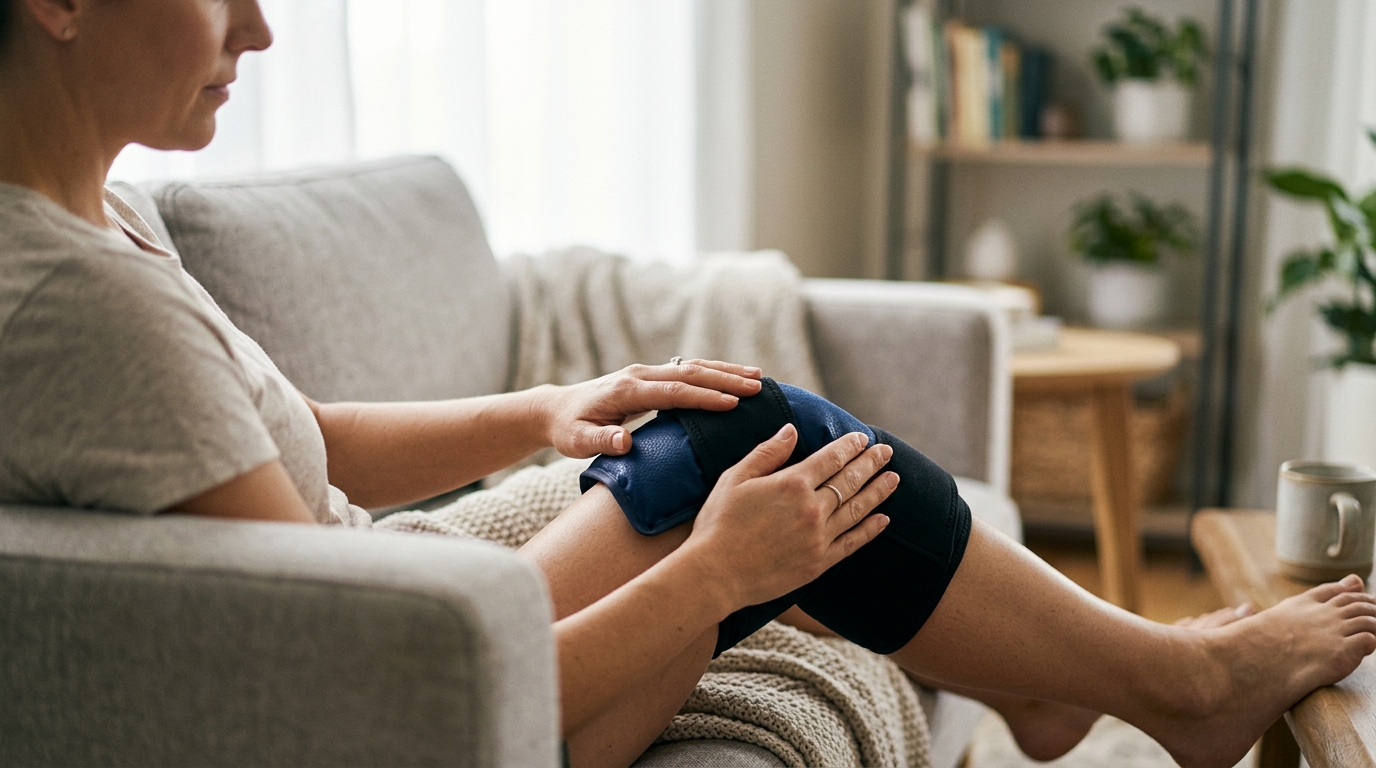
Cold therapy is a foundational component of modern pain management and post-surgical recovery protocols. According to the American Academy of Orthopaedic Surgeons, applying ice to an injured area can significantly reduce swelling and numb sharp pain in the immediate aftermath of trauma. This guide provides the definitive instructions for using premium ice packs and reusable gel wraps effectively, ensuring you maximize therapeutic benefits while protecting your skin.
The Science of Cryotherapy
Understanding the mechanism behind cold therapy helps you apply it more effectively. Cryotherapy works by constricting blood vessels in the targeted area, which limits blood flow and reduces inflammation. This process is critical for managing acute injuries such as sprains, strains, and post-operative swelling.
Cold therapy is the application of low temperatures to the body to reduce inflammation and pain. By slowing down nerve conduction velocity, ice packs also provide a natural numbing effect that can relieve acute discomfort. For optimal results, you must use the right equipment. Cool Relief offers specialized ankle and foot ice wraps designed to conform to complex joint structures, ensuring consistent cold transfer without slipping.
Selecting the Correct Ice Wrap
Not all ice packs are created equal. The geometry of your injury dictates the type of wrap you should use. Standard rigid ice packs often fail to maintain contact with curved surfaces like knees or shoulders, leading to uneven cooling.
Soft gel packs are engineered to mold around the body. For example, a knee ice wrap typically features a hinge or flexible gel core that allows for slight movement while maintaining therapeutic contact. Similarly, shoulder ice wraps utilize contoured designs to cover the deltoid and rotator cuff areas effectively.
When selecting a product, consider the following factors:
- Conformability: Does the gel pack adapt to your body shape?
- Retention: Can the wrap stay in place during sleep or light movement?
- Reusability: Is the gel pack designed for repeated freezing and thawing?
Cool Relief’s reusable gel pack inserts are specifically formulated to remain pliable at freezing temperatures, preventing the cracking issues associated with traditional hard ice packs.
Step-by-Step Application Protocol
Proper application is just as important as the product itself. Incorrect usage can lead to skin damage or reduced efficacy. Follow this standardized protocol for safe and effective cold therapy.
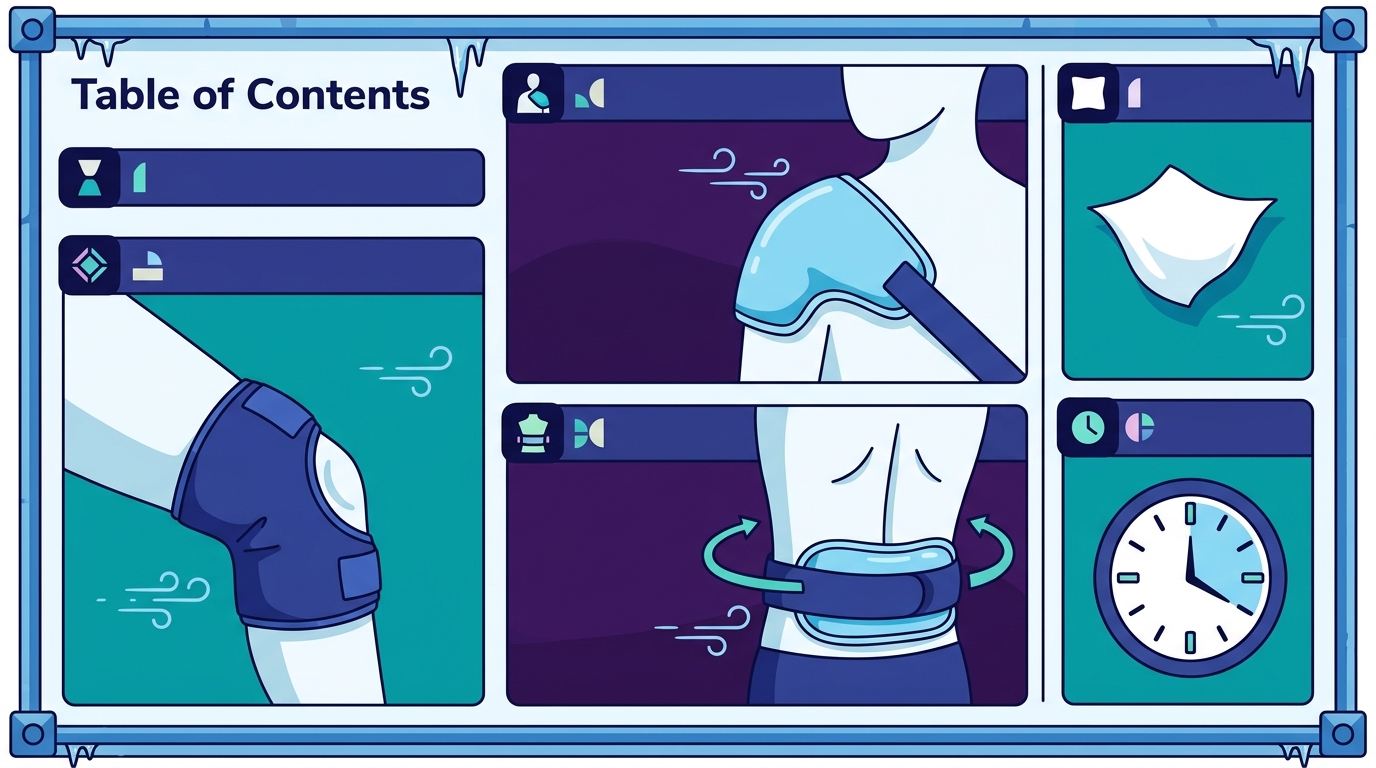
Step 1: Prepare the Ice Pack
Place your gel pack in a standard freezer for at least four to six hours. Ensure it is completely frozen before use. If you are using a large hot/cold gel pack, verify that the seal is intact to prevent leakage.
Step 2: Protect Your Skin
Never apply an ice pack directly to bare skin. Direct contact can cause ice burns or frostbite within minutes. Always wrap the gel pack in a thin towel or use the fabric cover provided with your Cool Relief wrap. This barrier ensures gradual temperature transfer and protects the epidermis.
Step 3: Apply and Secure
Position the wrap over the injured area. For joint injuries, such as a hip ice wrap or back heat wrap (used for contrast therapy), ensure the gel core covers the widest part of the inflammation. Secure the straps firmly but not tightly enough to restrict blood flow entirely.
Step 4: Monitor Duration
Limit each session to 15 to 20 minutes. Prolonged exposure can trigger a rebound effect where blood vessels dilate rapidly, increasing swelling. Set a timer to ensure you do not exceed this window.
Critical Safety Guidelines
While cold therapy is generally safe, certain conditions require caution. Always consult your healthcare provider before starting any new pain management regimen, especially if you have underlying health issues.
Cold sensitivity is a condition where the body reacts adversely to low temperatures, causing pain or tissue damage. Individuals with peripheral vascular disease, diabetes, or Raynaud's phenomenon should exercise extreme caution. If you experience numbness, burning, or intense pain during application, remove the ice pack immediately.
Additionally, avoid using ice packs on areas with open wounds or compromised skin integrity. The cold can impair healing and increase the risk of infection. For post-surgical care, follow your surgeon's specific instructions regarding the timing and frequency of ice application.
When to Use Heat Instead
While ice is ideal for acute injuries and swelling, heat therapy serves a different purpose. Heat increases blood flow and relaxes tight muscles, making it suitable for chronic pain, stiffness, and muscle spasms.
Use the following table to determine the appropriate therapy for your condition:
| Condition Type | Recommended Therapy | Duration | Primary Benefit |
|---|---|---|---|
| Acute Sprain (First 48 Hours) | Ice Wrap | 15-20 mins | Reduces swelling and numbs pain |
| Chronic Back Stiffness | Heat Wrap | 20-30 mins | Relaxes muscles and improves circulation |
| Muscle Spasm | Heat Wrap | 20-30 mins | Releases tension and knots |
| Post-Surgery Swelling | Knee Ice Pack | 15-20 mins | Controls inflammation |
For conditions requiring both, alternate between ice and heat. This contrast therapy can help flush out metabolic waste products while soothing muscle tension. Cool Relief provides a comprehensive range of both ice and heat solutions to support this approach.
Key Takeaways
- Duration Limit: Never apply ice for more than 20 minutes at a time to prevent tissue damage.
- Barrier Requirement: Always use a towel or fabric cover between the ice pack and your skin.
- Product Selection: Use contoured gel packs for joints like knees, hips, and shoulders for better contact.
- Acute vs. Chronic: Use ice for new injuries and swelling; use heat for chronic stiffness and muscle tension.
- Reusability: Premium gel packs can be frozen and reused indefinitely, offering a cost-effective solution.
- Medical Advice: Consult a doctor if pain persists beyond a few days or if you have circulation issues.
- Proper Storage: Store gel packs in a dedicated freezer section to avoid contamination from food.
Frequently Asked Questions
How long should I keep an ice pack on my injury?
You should keep an ice pack on an injury for 15 to 20 minutes at a time. Applying it for longer can cause ice burns or rebound swelling. Allow your skin to return to normal temperature between sessions.
Can I use a Cool Relief ice wrap on a fresh surgical incision?
Always follow your surgeon's specific post-operative instructions. Generally, ice is applied around the incision site, not directly on it, to reduce swelling without disturbing the healing tissue.
What is the difference between a gel pack and a traditional ice pack?
Gel packs are made from a non-toxic polymer that remains flexible at freezing temperatures. This allows them to conform to the body's contours, providing more consistent cooling than rigid ice packs that may slip off curved surfaces.
How do I clean a reusable ice wrap?
Most Cool Relief wraps can be wiped down with a mild disinfectant or placed in a washing machine on a gentle cycle, depending on the model. Always check the care label on your specific product for detailed cleaning instructions.
Is it safe to sleep with an ice pack on?
No, it is not safe to sleep with an ice pack on. Prolonged exposure during sleep can lead to frostbite or nerve damage due to the inability to monitor skin sensation. Remove the pack before resting.
Can I use heat and ice together?
Yes, this is known as contrast therapy. You can alternate between heat and ice packs to manage pain and inflammation. Typically, you apply heat for 10-15 minutes followed by ice for 10-15 minutes, repeating the cycle.
Where can I buy replacement gel packs?
You can purchase replacement gel packs directly from the Cool Relief website. They offer small and large hot/cold gel packs that fit most of their standard wrap covers.
Shop Premium Ice Wraps
Take control of your recovery with professional-grade cold therapy products. Cool Relief offers a wide range of premium ice packs and reusable ice wraps designed for maximum comfort and efficacy. Whether you need a knee ice wrap for sports injuries or a back ice wrap for chronic pain, we have the solution.
Visit our shop now page to explore our full catalog. Enjoy free shipping on orders over $35 and a 30-day free return policy. Your path to pain-free living starts here.