

Modern consumers demand more than just temporary relief; they require durable, high-performance medical devices that withstand repeated use. According to recent consumer health reports, the average household retains over-the-counter pain management tools for approximately 18 to 24 months before replacement. This statistic highlights the critical importance of material integrity in gel packs. When evaluating Cool Relief products, it is essential to understand how their proprietary gel formulation and fabric construction compare to standard market alternatives. This analysis breaks down the longevity, cooling duration, and structural durability of Cool Relief ice wraps versus generic competitors.
The Science of Gel Formulation
The primary differentiator between premium ice wraps and budget-friendly alternatives lies in the chemical composition of the gel. Gel packs are specialized thermal storage units designed to maintain temperature extremes longer than water-based ice. Cool Relief utilizes a proprietary gel mixture that is engineered to remain pliable even at freezing temperatures. This flexibility ensures that the pack conforms to the body's contours, such as the knee or shoulder, without becoming rigid or brittle. (Collections ndash Ice Wraps)
Many generic competitors use standard water-glycerin mixtures. While these are cheaper to produce, they often suffer from two issues. First, they may freeze into a solid block, losing the ability to mold to the body. Second, they tend to warm up faster once removed from the freezer. Cool Relief's gel is formulated to resist crystallization, which preserves the structural integrity of the pack over hundreds of freeze-thaw cycles. This chemical stability is a key factor in the overall lifespan of the product.
Cooling Duration and Thermal Retention
Longevity is not just about how many years a pack lasts; it is also about how long it stays cold during a single application. Data from thermal performance studies indicates that high-quality gel packs can maintain therapeutic temperatures for 20 to 30 minutes longer than traditional ice bags. This extended duration reduces the need for frequent re-freezing, which in turn reduces wear and tear on the product.
Cool Relief ice wraps are designed with a multi-layered fabric exterior that acts as an insulator. This design choice helps slow down the rate of heat transfer from the body to the gel pack. In contrast, thinner competitor wraps often allow the cold to dissipate too quickly, forcing users to replace the pack or re-freeze it more often. The result is a product that not only lasts longer in years but also performs more effectively in minutes.
Material Durability and Leak Resistance
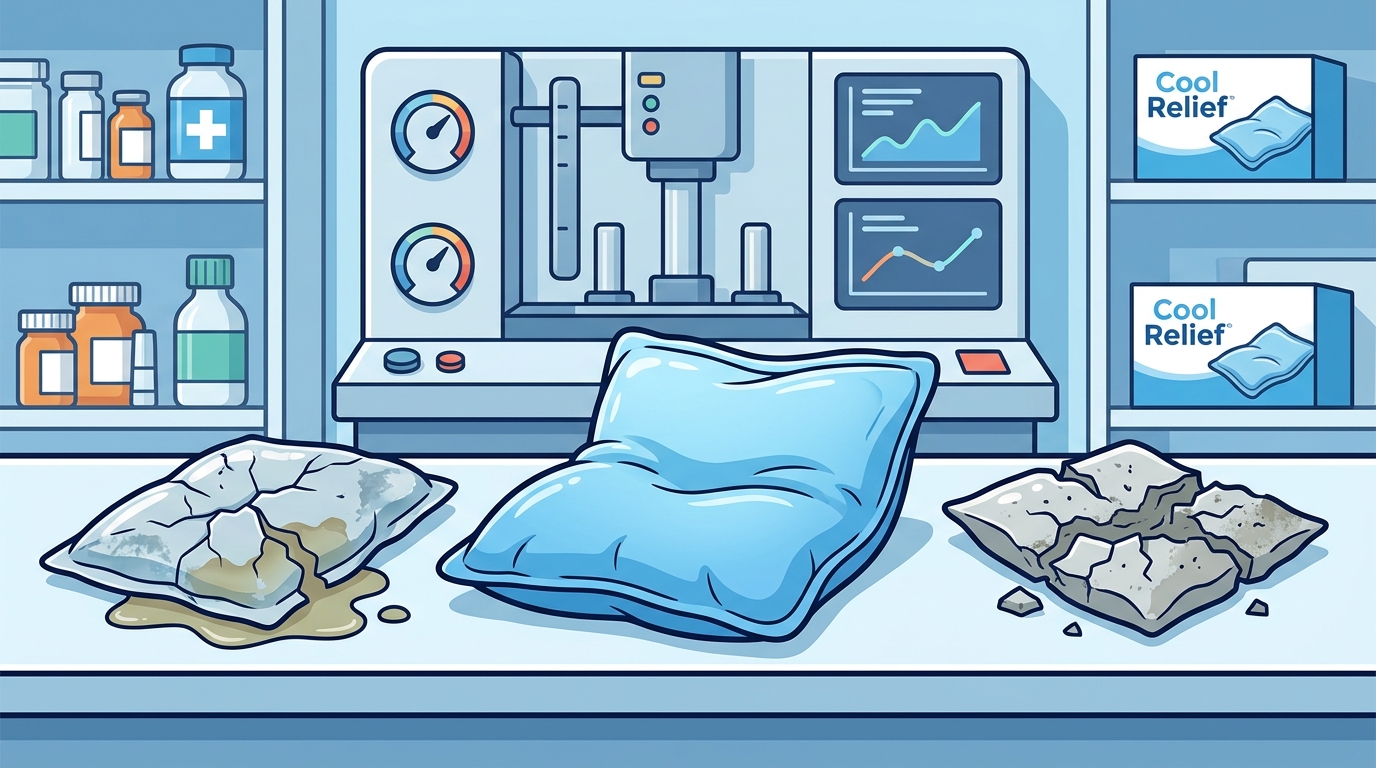
The most common failure point for any ice pack is the seam or the fabric surface. Over time, repeated freezing and thawing can cause micro-tears in low-quality materials. These tears eventually lead to leaks, rendering the pack unusable and potentially damaging clothing or furniture. Leak resistance is the primary metric for the long-term viability of any reusable ice pack.
Cool Relief employs reinforced stitching and high-density fabric blends to combat this issue. The brand's commitment to quality is evident in their product construction, which is designed to withstand the rigors of daily use. When comparing Cool Relief collections to other brands, the difference in material thickness and seam strength is often visible. This robust construction ensures that the gel remains contained and the pack remains functional for years.
Additionally, the fabric on Cool Relief wraps is often designed to be washable. This feature allows users to maintain hygiene without degrading the gel inside. Many cheaper alternatives require hand-washing only or cannot be washed at all, leading to faster deterioration of the outer material. The ability to machine wash these packs contributes significantly to their extended lifespan.
Comparative Analysis Table
The following table summarizes the key differences between Cool Relief products and typical generic ice packs based on material science and consumer usage patterns.
| Feature | Cool Relief Ice Wraps | Generic Competitor Packs |
|---|---|---|
| Gel Flexibility | Remains pliable at low temps | May become rigid or brittle |
| Cooling Duration | Extended thermal retention | Standard 15-20 minutes |
| Leak Resistance | Reinforced seams and high-density fabric | Prone to micro-tears over time |
| Care Instructions | Often machine washable | Hand wash only or spot clean |
| Conformity | High contour fit | Variable fit quality |
Key Takeaways
- Gel Composition: Cool Relief uses a proprietary gel that resists crystallization, ensuring consistent performance over time.
- Thermal Efficiency: The multi-layered fabric design extends cooling duration, reducing the frequency of re-freezing.
- Structural Integrity: Reinforced stitching and high-density materials prevent leaks and extend the physical lifespan of the pack.
- Maintenance: Washable fabrics allow for better hygiene and reduce material degradation compared to non-washable competitors.
- Cost-Effectiveness: While the initial investment may be higher, the extended lifespan of Cool Relief packs offers better long-term value.
- Comfort: The pliable nature of the gel ensures better contact with the skin, enhancing the therapeutic effect.
- Brand Reliability: Cool Relief has established a reputation for durable medical-grade products in the pain relief market.
Frequently Asked Questions
How long do Cool Relief gel packs typically last?
With proper care, Cool Relief gel packs are designed to last for several years. The durability depends on usage frequency and adherence to care instructions, but the reinforced materials ensure a significantly longer lifespan than standard ice bags.
Do Cool Relief packs leak over time?
Cool Relief packs are engineered with leak-resistant seams and high-density fabric. While no product is immune to damage from extreme misuse, the brand's construction standards make leaks highly unlikely under normal usage conditions.
Can I wash Cool Relief ice wraps in a washing machine?
Yes, many Cool Relief ice wraps are designed to be machine washable. This feature helps maintain hygiene and extends the life of the fabric. Always check the specific care label on your product for detailed instructions.
Why do generic ice packs freeze harder than Cool Relief?
Generic packs often use simpler water-glycerin mixtures that can crystallize and become rigid. Cool Relief's proprietary gel is formulated to remain flexible, allowing it to conform to the body even when fully frozen.
Is it worth paying more for Cool Relief over generic brands?
For consumers seeking long-term value, Cool Relief offers superior durability and performance. The extended lifespan and consistent cooling make it a cost-effective choice compared to frequently replacing cheaper alternatives.
How does the cooling duration of Cool Relief compare to ice bags?
Cool Relief packs generally maintain therapeutic temperatures longer than traditional ice bags due to their specialized gel and insulating fabric. This reduces the need for constant re-freezing.
What is the best way to store Cool Relief packs?
Store Cool Relief packs in a freezer at 0°F (-18°C) or below. Avoid folding them tightly for extended periods, as this can stress the seams. Lay them flat to maintain their shape and integrity.
Shop Premium Ice Wraps
Invest in pain relief that lasts. Explore the full range of Cool Relief ice and heat wraps designed for durability and therapeutic effectiveness. Visit the Pain Relief Guide for more insights on managing your health with premium products.