

Chronic and acute pain affects millions of people globally, with musculoskeletal injuries accounting for a significant portion of daily discomfort. According to the Centers for Disease Control and Prevention, over 100 million adults in the United States suffer from chronic pain, making effective at-home management tools essential for maintaining mobility and quality of life. Compression ice wraps have emerged as a superior alternative to traditional gel packs because they combine cryotherapy with therapeutic pressure to reduce swelling and numb pain more effectively. This guide details exactly which body parts benefit most from these specialized devices and how to use them safely for maximum relief.
Why Compression Ice Wraps Outperform Standard Gel Packs
Traditional ice packs often slide off uneven body contours, leading to inconsistent cooling and potential skin irritation from direct contact with frozen gel. Compression ice wraps solve this problem by using elastic straps or sleeves to hold the cold source firmly against the skin. This constant contact ensures that the therapeutic temperature is maintained throughout the treatment area. Furthermore, the added pressure helps constrict blood vessels, which limits the flow of inflammatory fluids to the injured site. This dual-action approach accelerates the healing process for acute injuries like sprains and strains.
The technology behind these wraps involves reusable gel pack inserts that can be frozen and placed into breathable, moisture-wicking sleeves. These sleeves are designed to conform to specific anatomical shapes, ensuring that the cold therapy targets the exact location of the pain. For individuals managing long-term conditions, having a reliable, reusable solution is far more cost-effective than purchasing disposable cold packs repeatedly. The durability of these systems makes them a staple in both professional sports medicine and home care routines.
Lower Body Applications: Knees, Ankles, and Hips
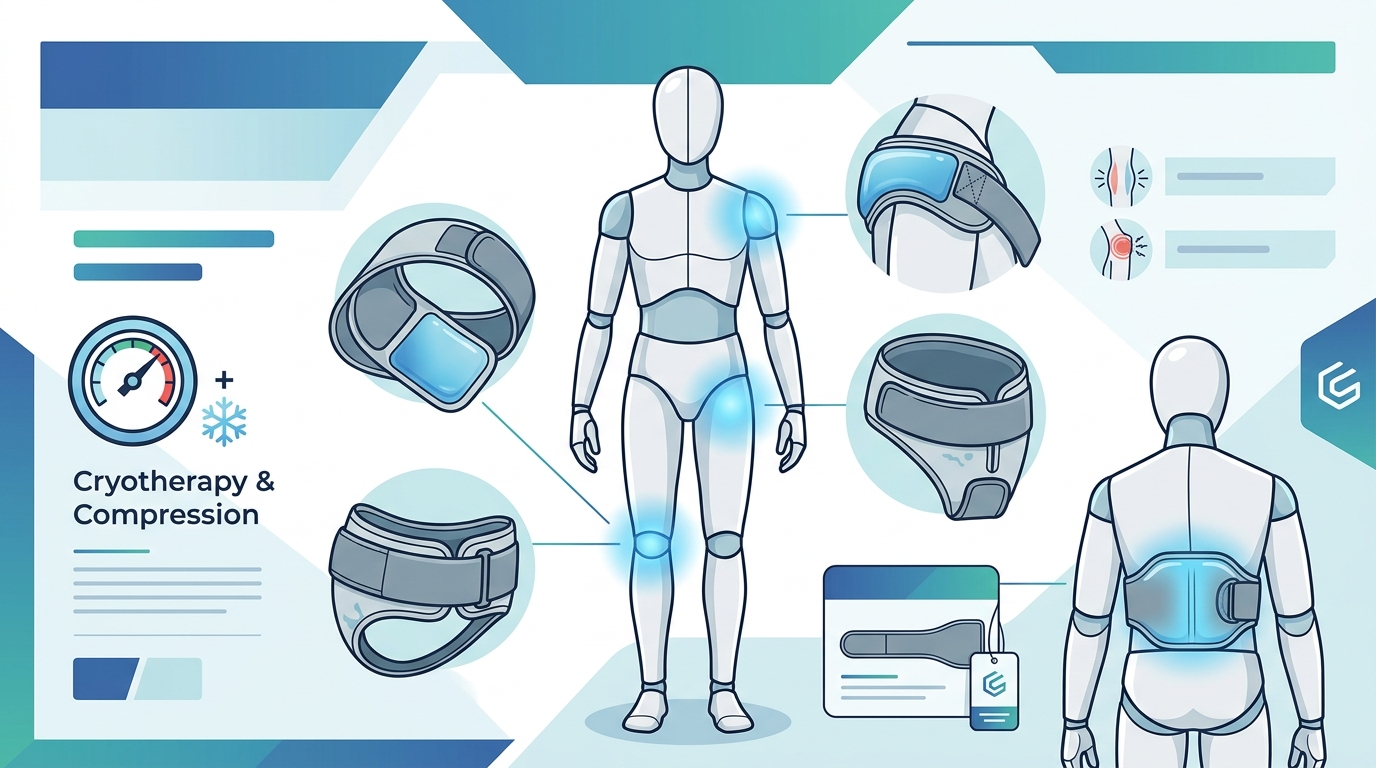
The lower body bears the brunt of daily physical stress, making it the most common target for cryotherapy. Knee injuries, such as ligament tears or arthritis flare-ups, respond exceptionally well to compression ice wraps. The complex joint structure of the knee requires a wrap that can navigate around the patella while maintaining even pressure on the surrounding tissues. Cool Relief offers specialized knee ice wraps that provide this precise coverage, helping to reduce the swelling associated with post-surgical recovery or sports injuries.
Ankle and foot injuries are equally prevalent, particularly among athletes and active individuals. An ankle sprain causes rapid swelling that can immobilize the joint. Using an ankle/foot ice wrap helps to control this inflammation while allowing for some mobility during the initial healing phase. The wrap's ability to stay in place during light movement is a critical advantage over bulky ice bags that require the user to remain completely still.
Hip pain, often stemming from bursitis or deep muscle strains, can be difficult to treat due to the depth of the joint. Hip ice wraps are designed with contoured shapes that reach the deeper tissues of the hip region. By applying cold directly to the source of the pain, these wraps can provide significant relief from the aching sensation that often radiates down the leg. Consistent use of these targeted wraps can help manage the chronic discomfort associated with hip osteoarthritis.
Upper Body Applications: Shoulders, Wrists, and Elbows
Upper body pain often results from repetitive strain or acute trauma. Shoulder injuries, including rotator cuff tendinitis and impingement, benefit greatly from the targeted cooling of shoulder ice wraps. The shoulder joint is highly mobile and complex, requiring a wrap that can secure the gel pack in place without restricting blood flow to the arm. These wraps allow patients to apply cold therapy while resting, ensuring that the treatment is both effective and comfortable.
Wrist and elbow injuries, such as tennis elbow or carpal tunnel syndrome, are common among office workers and manual laborers. Wrist/elbow ice wraps are designed to fit the slender contours of the forearm and wrist. The compression helps to reduce the swelling that contributes to nerve compression and pain. By keeping the wrap securely in place, users can continue with light daily activities while the cold therapy works to reduce inflammation.
Elbow pain can also stem from fractures or severe bruising. The rigid structure of the elbow bone can make it difficult for standard ice packs to adhere properly. A compression wrap ensures that the cold source remains in direct contact with the injured area, maximizing the numbing effect. This is particularly important in the first 48 hours after an injury, when controlling swelling is critical to preventing long-term stiffness.
Specialized Areas: Back, Jaw, and Face
Pain is not limited to joints and limbs. The back is a frequent source of chronic pain due to poor posture, heavy lifting, or degenerative disc disease. Back ice wraps are wider and more flexible, allowing them to drape over the spine and surrounding muscles. These wraps help to relax tight muscles and reduce the inflammation that contributes to lower back pain. The ability to apply cold therapy to the back without assistance is a significant convenience for users managing chronic conditions.
Facial and jaw pain, often caused by dental procedures or temporomandibular joint (TMJ) disorders, requires a different approach. Jaw ice wraps are small and contoured to fit the angle of the jawline. They help to reduce swelling after dental surgeries and alleviate the pain associated with TMJ flare-ups. Similarly, face/neck ice wraps can be used to reduce puffiness and soothe irritated skin after cosmetic procedures or sun exposure.
The versatility of compression ice wraps extends to multi-purpose applications. For users who experience pain in multiple areas, multi-purpose ice wraps offer a flexible solution that can be adjusted to fit various body parts. These wraps often come with adjustable straps that allow for a custom fit, ensuring that the cold therapy is effective regardless of the treatment area. This adaptability makes them a valuable addition to any home first-aid kit.
Comparing Ice vs. Heat Wraps for Different Conditions
While ice wraps are essential for acute injuries and inflammation, heat wraps play a crucial role in managing chronic pain and muscle stiffness. Understanding when to use each type of therapy is key to effective pain management. Ice is generally recommended for the first 48 to 72 hours after an injury to reduce swelling and numb pain. Heat is typically used for chronic conditions to increase blood flow and relax tight muscles.
| Condition Type | Recommended Therapy | Primary Benefit | Example Product |
|---|---|---|---|
| Acute Sprain or Strain | Cold Therapy | Reduces swelling and numbs pain | Ankle/Foot Ice Wrap |
| Chronic Arthritis Pain | Heat Therapy | Relaxes muscles and improves mobility | Knee Heat Pack |
| Post-Surgical Recovery | Cold Therapy | Controls inflammation at the incision site | Hip Ice Wrap |
| Muscle Tension or Stiffness | Heat Therapy | Increases blood flow to tight areas | Back Heat Wrap |
| TMJ or Dental Swelling | Cold Therapy | Reduces facial swelling and jaw pain | Jaw Ice Wrap |
Some users find that alternating between ice and heat therapy provides the best results. This method, known as contrast therapy, can help to flush out metabolic waste products from the injured tissue while also relaxing the surrounding muscles. However, it is important to follow the guidance of a healthcare professional when using this approach, as improper timing can exacerbate certain conditions.
Key Takeaways
- Compression is Key: Compression ice wraps provide superior pain relief by combining cold therapy with therapeutic pressure to reduce swelling more effectively than standard gel packs.
- Anatomical Specificity: Cool Relief offers specialized wraps for knees, ankles, hips, shoulders, wrists, elbows, back, jaw, and face, ensuring a custom fit for each body part.
- Acute vs. Chronic: Use ice wraps for acute injuries and inflammation, and heat wraps for chronic muscle stiffness and arthritis pain.
- Reusable and Cost-Effective: The reusable gel pack inserts in Cool Relief wraps offer a long-term solution for pain management, reducing the need for disposable cold packs.
- Versatile Applications: These wraps are suitable for sports injuries, post-surgical recovery, dental pain, and chronic conditions like arthritis and bursitis.
- Proper Usage: Limit ice therapy sessions to 15-20 minutes at a time to prevent skin damage and allow the skin to return to normal temperature between applications.
- Consult Professionals: Always consult with a healthcare provider before starting a new pain management regimen, especially for severe or persistent pain.
Frequently Asked Questions
How long should I keep a compression ice wrap on?
It is generally recommended to keep a compression ice wrap on for 15 to 20 minutes at a time. Leaving it on for longer periods can cause tissue damage or nerve irritation. Allow your skin to return to normal temperature before reapplying the wrap.
Can I use compression ice wraps for chronic pain?
While ice wraps are primarily used for acute injuries, they can also provide relief for chronic pain conditions like arthritis. However, many individuals find that heat wraps are more effective for chronic stiffness. It is best to alternate between ice and heat based on your specific symptoms.
Are Cool Relief ice wraps reusable?
Yes, Cool Relief ice wraps are designed to be reusable. The gel pack inserts can be frozen and placed back into the breathable sleeves for repeated use. This makes them a cost-effective and environmentally friendly option for pain management.
How do I clean the compression ice wraps?
The outer sleeves of Cool Relief ice wraps are typically machine washable. However, you should always remove the gel pack inserts before washing. Follow the care instructions provided with your specific product to ensure longevity and hygiene.
Can I use these wraps on my face or jaw?
Yes, Cool Relief offers specialized jaw and face/neck ice wraps that are contoured to fit these delicate areas. These wraps are ideal for reducing swelling after dental procedures or alleviating TMJ pain.
What is the difference between an ice wrap and a gel pack?
A standard gel pack is a flexible bag filled with gel that must be held in place by hand or a bandage. A compression ice wrap integrates the gel pack into a sleeve with elastic straps, providing consistent pressure and keeping the cold source in direct contact with the skin without manual effort.
Do compression ice wraps work for back pain?
Yes, back ice wraps are designed to drape over the spine and surrounding muscles, providing targeted cold therapy for lower back pain. The compression helps to reduce inflammation and relax tight muscles, offering significant relief for many users.
Get Your Custom Fit Wrap Today
Effective pain relief starts with the right tool for the job. Whether you are recovering from a sports injury, managing chronic arthritis, or seeking relief from dental pain, Cool Relief offers a comprehensive range of compression ice and heat wraps designed to meet your specific needs. Explore our full collection of pain relief products and find the perfect solution for your body. Visit our Pain Relief Guide for more expert tips on managing your discomfort. Shop now to experience the difference of professional-grade cryotherapy at home.