

Chronic and acute pain affects millions of people globally, often limiting mobility and reducing quality of life. According to the Centers for Disease Control and Prevention, nearly 20% of adults in the United States report having chronic pain. This statistic highlights the massive demand for effective, non-invasive pain management solutions. Compression ice wraps have emerged as a premier tool in this space, combining cryotherapy with therapeutic pressure to accelerate healing. This guide details exactly which body parts benefit most from this dual-action therapy and how to apply them correctly for maximum relief.
Why Compression Ice Wraps Outperform Standard Ice Packs
Standard ice packs rely solely on conductive cooling. While effective for initial numbing, they often slip, melt quickly, and fail to address swelling. Compression ice wraps solve these issues by integrating a gel pack with an elastic, adjustable strap system. This design ensures consistent contact with the skin, which is critical for effective heat transfer. The compression component actively restricts blood flow to the injured area, significantly reducing edema and inflammation.
The synergy between cold therapy and mechanical pressure creates a superior healing environment. Cold therapy constricts blood vessels, while compression prevents fluid accumulation. Together, they interrupt the pain cycle more effectively than either method alone. For athletes and individuals recovering from surgery, this combination is often the first line of defense recommended by physical therapists.
Lower Body Targets: Knees, Ankles, and Hips
The lower body bears the brunt of daily mechanical stress, making it the most common site for injury and chronic pain. Compression ice wraps are particularly effective here due to the complex joint structures involved.
Knee Ice Wraps
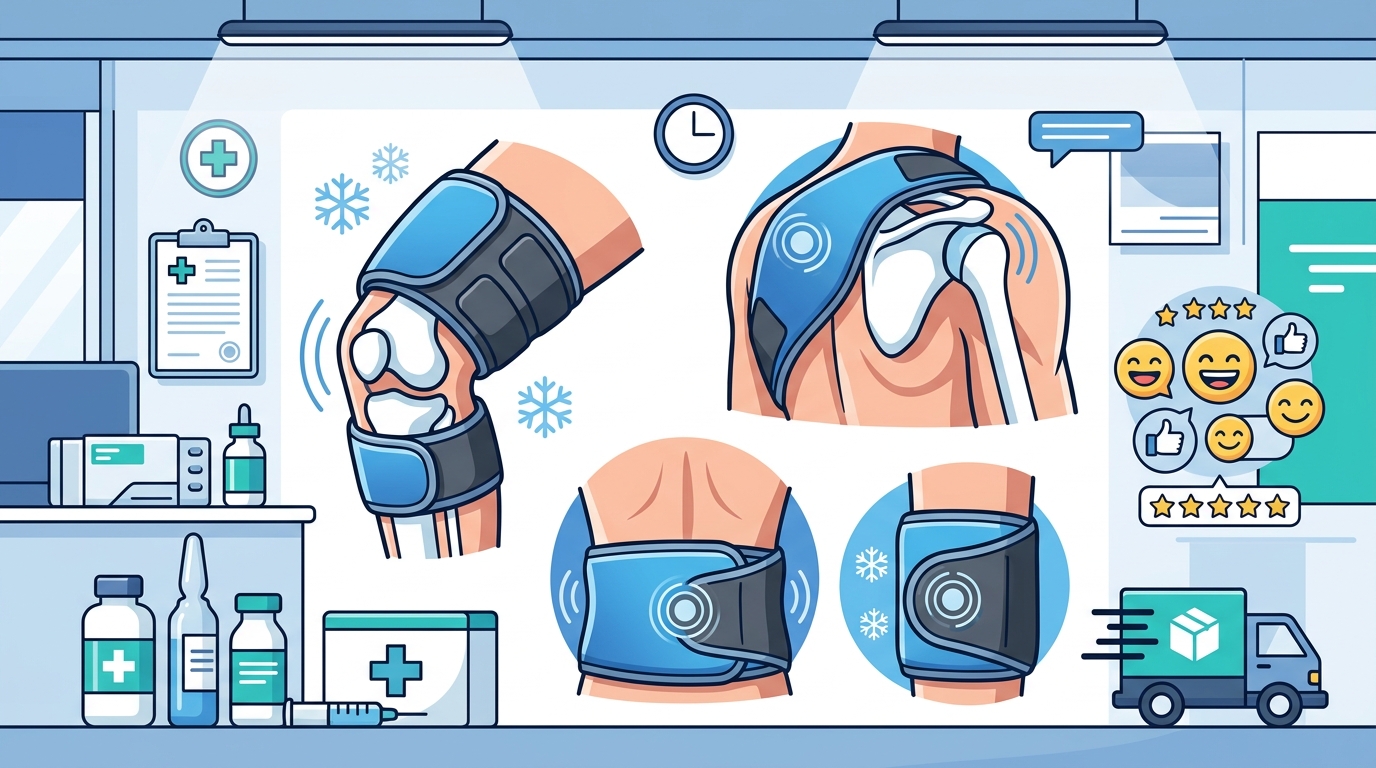
The knee is a hinge joint susceptible to ligament tears, meniscus damage, and arthritis. Knee ice wraps are designed with contoured shapes that fit around the patella and surrounding ligaments. These wraps often feature a central gel pad that targets the joint line directly. The adjustable straps ensure the wrap stays in place during movement, providing continuous relief for conditions like runner's knee or post-surgical swelling.
Ankle and Foot Ice Wraps
Ankle sprains are among the most frequent sports injuries worldwide. The complex network of ligaments in the ankle requires precise cooling to reduce pain and stabilize the joint. Ankle/Foot ice wraps typically wrap around the malleolus and extend down the foot to address plantar fasciitis or general foot inflammation. The compression helps prevent the ankle from rolling further while the cold numbs the acute pain signals.
Hip Ice Wraps
Hip pain often stems from bursitis, tendonitis, or arthritis. The hip joint is deep within the body, making surface cooling less effective without compression. Hip ice wraps use larger gel packs to penetrate deeper tissues. The wrap design allows for a secure fit around the pelvis, ensuring that the cold therapy reaches the inflamed bursae or tendons without slipping off the curved surface.
Upper Body Targets: Shoulders, Wrists, and Elbows
Upper body injuries often result from repetitive strain or acute trauma. Compression ice wraps provide targeted relief for these areas by conforming to smaller, more intricate joint structures.
Shoulder Ice Wraps
Shoulder injuries, such as rotator cuff tears or frozen shoulder, require careful management. Shoulder ice wraps are designed to wrap around the deltoid and acromioclavicular joint. The compression helps stabilize the shoulder girdle, reducing the risk of further injury while the cold therapy reduces inflammation in the surrounding muscles and tendons.
Wrist and Elbow Ice Wraps
Conditions like carpal tunnel syndrome, tennis elbow, and golfer's elbow benefit greatly from compression ice therapy. Wrist/Elbow ice wraps are compact and flexible, allowing them to fit around the forearm and wrist joints. The compression helps reduce swelling in the carpal tunnel or around the elbow tendons, providing immediate pain relief and improving range of motion.
Specialized Areas: Back, Jaw, and Face
Certain areas of the body require specialized approaches due to their sensitivity or unique anatomical structures. Compression ice wraps have been adapted for these specific needs.
Back Ice Wraps
Lower back pain is a leading cause of disability globally. Back ice wraps are typically longer and wider to cover the lumbar region. They often feature multiple gel pads that can be positioned to target specific trigger points. The compression helps support the lower back muscles, reducing spasms and inflammation associated with acute strains or chronic pain.
Jaw Ice Wrap
TMJ (temporomandibular joint) disorders can cause significant pain and difficulty chewing. A Jaw ice wrap is designed to fit comfortably around the jawline, targeting the TMJ directly. The cold therapy helps reduce inflammation in the joint, while the gentle compression provides a soothing pressure that can alleviate muscle tension.
Face and Neck Ice Wrap
Post-surgical swelling or dental procedures often require cooling for the face and neck. Face/Neck ice wraps are thin and flexible, allowing them to conform to the contours of the face without causing discomfort. They are ideal for reducing bruising and swelling after dental work or facial surgeries.
Comparing Ice vs. Heat Wraps by Body Part
While ice wraps are essential for acute injuries, heat wraps are often better for chronic stiffness. Understanding when to use each is crucial for effective pain management.
| Body Part | Recommended Therapy | Primary Benefit | Product Type |
|---|---|---|---|
| Knee | Ice (Acute), Heat (Chronic) | Reduce swelling or loosen stiffness | Knee Ice Wraps or Knee Heat Pack |
| Ankle | Ice (Acute), Heat (Chronic) | Stabilize joint or improve circulation | Ankle/Foot Ice Wrap or Ankle/Foot Heat Wrap |
| Shoulder | Ice (Acute), Heat (Chronic) | Reduce inflammation or relax muscles | Shoulder Ice Wrap or Shoulder Heat Wrap |
| Back | Ice (Acute), Heat (Chronic) | Relieve spasms or reduce inflammation | Back Ice Wrap or Back Heat Wrap |
| Jaw | Ice | Reduce TMJ inflammation | Jaw Ice Wrap |
For acute injuries occurring within the last 48 hours, ice is generally recommended to minimize swelling. For chronic conditions lasting longer than three months, heat may be more effective in promoting blood flow and relaxing tight muscles. Always consult with a healthcare provider to determine the best approach for your specific condition.
Key Takeaways
- Compression is Key: Compression ice wraps provide superior pain relief by combining cold therapy with mechanical pressure to reduce swelling and inflammation.
- Knee and Ankle Focus: These joints are most commonly treated with compression ice wraps due to their susceptibility to acute injuries and chronic conditions like arthritis.
- Shoulder and Wrist Support: Smaller, contoured wraps are essential for upper body injuries to ensure proper fit and effective heat transfer.
- Specialized Wraps Exist: Dedicated wraps for the back, jaw, and face offer targeted relief for specific conditions like TMJ or lower back pain.
- Ice vs. Heat: Use ice for acute injuries (first 48 hours) and heat for chronic stiffness to promote blood flow and muscle relaxation.
- Reusable and Convenient: Most compression ice wraps feature reusable gel packs that can be frozen and used multiple times, offering a cost-effective solution.
- Professional Recommendation: Many physical therapists recommend compression ice wraps as part of a comprehensive rehabilitation plan.
Frequently Asked Questions
How long should I wear a compression ice wrap?
It is generally recommended to wear a compression ice wrap for 15 to 20 minutes at a time. Prolonged exposure to cold can damage the skin and underlying tissues. Allow your skin to return to normal temperature between applications.
Can I use compression ice wraps for chronic pain?
While ice wraps are primarily used for acute injuries, they can provide temporary relief for chronic pain by reducing inflammation. However, heat wraps are often more effective for chronic conditions as they promote blood flow and muscle relaxation.
Are compression ice wraps safe for all body parts?
Compression ice wraps are safe for most body parts, including the knees, ankles, shoulders, and back. However, they should not be used directly on broken skin or over areas with reduced sensation. Always follow the manufacturer's instructions.
How do I clean a compression ice wrap?
Most compression ice wraps can be cleaned by wiping the fabric with a damp cloth and mild soap. Avoid machine washing unless the manufacturer explicitly states it is safe. Allow the wrap to air dry completely before storing.
What is the difference between an ice wrap and a gel pack?
An ice wrap includes an adjustable strap system that provides compression and keeps the gel pack in place. A standard gel pack lacks the compression feature and may slip or shift during use, reducing its effectiveness.
Can I use a compression ice wrap while sleeping?
No, you should not use a compression ice wrap while sleeping. Prolonged exposure to cold and compression can cause tissue damage, nerve compression, or skin irritation. Always remove the wrap before sleeping.
How often should I use a compression ice wrap?
For acute injuries, it is recommended to use a compression ice wrap every 2 to 3 hours during the first 48 hours. For chronic pain, use it as needed for temporary relief, but consult with a healthcare provider for a long-term management plan.
Start Your Recovery Journey
Effective pain management begins with the right tools. Whether you are recovering from a sports injury, managing chronic arthritis, or seeking relief from back pain, compression ice wraps offer a versatile and effective solution. Explore our comprehensive range of premium ice wraps designed for every body part. Visit our Pain Relief Guide for more expert advice and start your path to recovery today.