

Chronic knee pain affects millions of people worldwide, often limiting mobility and reducing quality of life. According to the Centers for Disease Control and Prevention, arthritis is a leading cause of disability in the United States, impacting over 32.5 million adults. While medication and surgery are common interventions, many patients seek non-invasive alternatives for daily management. The debate between cold therapy and heat therapy is not about which is universally superior, but rather which is appropriate for the specific type of injury or condition you are experiencing. Understanding the physiological differences between these two methods is critical for effective pain management and faster recovery.
Understanding the Basics of Cryotherapy and Thermotherapy
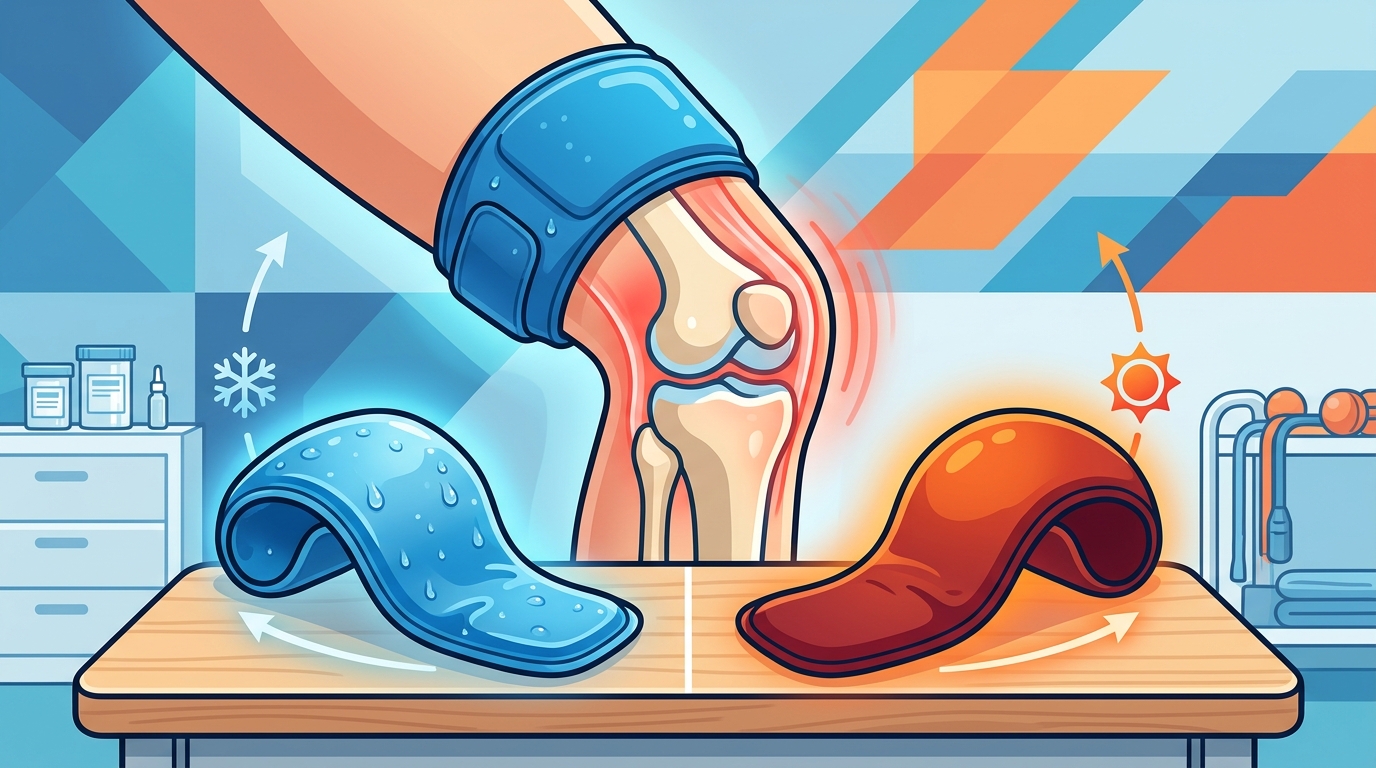
Before diving into specific use cases, it is essential to define the core mechanisms of action for both therapies. Cold therapy, or cryotherapy, involves the application of low temperatures to the body. Cold therapy is a treatment method that reduces blood flow to injured tissues to minimize swelling and numb pain signals. This vasoconstriction helps limit the accumulation of fluid in the joint, which is crucial in the initial stages of an injury.
Conversely, heat therapy, or thermotherapy, uses elevated temperatures to achieve different physiological goals. Heat therapy is a treatment method that dilates blood vessels to increase circulation and relax tight muscles. This increased blood flow delivers more oxygen and nutrients to the affected area, promoting healing and reducing stiffness. Both methods are widely recognized in physical therapy and sports medicine, but they serve opposite functions in the healing timeline.
When to Use Ice Wraps for Acute Injuries
Ice wraps are the gold standard for acute injuries. These are injuries that occur suddenly, such as a sprain, strain, or impact. If you have just twisted your ankle or suffered a knee ligament tear, immediate application of cold is critical. The primary goal here is to control inflammation. Without proper ice application, the inflammatory response can cause excessive swelling that puts pressure on nerves and surrounding tissues, leading to prolonged pain.
At Cool Relief, our Knee Ice Wraps are designed to provide consistent, even cooling without the risk of frostbite associated with direct ice packs. The soft gel technology conforms to the contours of the knee, ensuring that the cold penetrates deep into the joint capsule. This is particularly important for conditions like bursitis or tendonitis, where localized inflammation needs to be addressed quickly. Using a Knee Ice Pack Soft Gel allows you to maintain mobility while treating the injury, as opposed to being confined to a couch with a traditional ice bag.
Research indicates that applying ice for 15 to 20 minutes every few hours during the first 48 to 72 hours after an injury can significantly reduce the need for pain medication. However, it is vital not to overuse ice. Prolonged exposure can damage skin and underlying tissues. Our Reusable Gel Pack Inserts are engineered to stay cold for extended periods, reducing the frequency of re-freezing and ensuring consistent therapeutic temperatures.
When to Use Heat Wraps for Chronic Pain
Heat wraps are ideal for chronic conditions and muscle stiffness. If you suffer from osteoarthritis, fibromyalgia, or general muscle tightness, heat therapy can provide substantial relief. The warmth helps to loosen stiff joints and relax spasming muscles, making it easier to perform physical therapy exercises or daily activities. Unlike ice, which numbs the area, heat provides a soothing sensation that can improve range of motion.
For individuals with Hip Heat Wraps or Back Heat Wraps, the ability to apply heat evenly across large muscle groups is essential. Cool Relief’s heat packs utilize microwaveable or electric heating elements that distribute warmth uniformly. This prevents hot spots that could burn the skin while ensuring the therapeutic temperature reaches the deeper tissues. Many users find that using a heat wrap before bed helps reduce nighttime pain and improves sleep quality.
It is important to note that heat should never be applied to an acute injury or an area with active inflammation. Doing so can increase blood flow to the area, exacerbating swelling and pain. If you are unsure whether your knee pain is acute or chronic, consult with a healthcare provider. For general maintenance of joint health, many patients alternate between ice and heat depending on their daily activity levels and symptom severity.
Comparison of Ice and Heat Therapy
To help you make an informed decision, here is a detailed comparison of the two modalities based on clinical guidelines and user feedback.
| Feature | Ice Wraps (Cold Therapy) | Heat Wraps (Thermotherapy) |
|---|---|---|
| Primary Goal | Reduce swelling and numb pain | Relax muscles and improve circulation |
| Best For | Acute injuries, sprains, strains | Chronic pain, stiffness, arthritis |
| Physiological Effect | Vasoconstriction (narrowing of blood vessels) | Vasodilation (widening of blood vessels) |
| Application Time | 15-20 minutes per session | 15-30 minutes per session |
| Product Example | Knee Ice Pack Soft Gel | Knee Heat Pack |
Selecting the Right Product for Your Needs
Choosing the right product depends on your specific condition and lifestyle. Cool Relief offers a comprehensive range of premium ice packs and reusable ice wraps designed for various body parts. For knee injuries, the Knee Ice Wraps provide targeted compression and cooling. For shoulder or hip pain, our specialized wraps ensure that the gel stays in place during movement.
Our Reusable Gel Pack Inserts are a cost-effective and eco-friendly option. These inserts can be frozen or heated and placed inside any compatible sleeve. This versatility allows you to use the same product for both ice and heat therapy, depending on your daily needs. The gel packs are made from non-toxic materials and are designed to maintain temperature for extended periods, ensuring effective treatment without constant re-application.
Additionally, Cool Relief provides Ankle/Foot Heat Wrap options for those dealing with plantar fasciitis or foot arthritis. The anatomical design of these wraps ensures a secure fit, preventing slippage during use. Customer testimonials highlight the ease of use and the significant relief provided by these products. Many users report that the ability to wear the wraps while moving around their home or office makes them a superior choice over traditional ice bags.
Key Takeaways
- Acute vs. Chronic: Use ice for new injuries to reduce swelling and heat for chronic stiffness to improve mobility.
- Timing Matters: Apply ice within the first 48 hours of an injury for maximum effectiveness.
- Product Versatility: Cool Relief’s Reusable Gel Pack Inserts can be used for both cold and heat therapy.
- Comfort and Mobility: Soft gel wraps allow for movement, unlike rigid ice packs.
- Safety First: Never apply heat to an acute injury, and always limit ice application to 20 minutes to prevent skin damage.
- Targeted Relief: Choose wraps designed for specific body parts, such as Knee Ice Wraps or Hip Heat Wrap, for optimal results.
- Professional Advice: Consult a healthcare provider if pain persists despite home treatment.
Frequently Asked Questions
Can I use both ice and heat on the same knee?
Yes, many physical therapists recommend alternating between ice and heat. Start with ice to reduce any acute inflammation, then use heat to relax the muscles and improve blood flow. This contrast therapy can be highly effective for managing chronic knee pain.
How long should I keep an ice wrap on my knee?
It is generally recommended to keep an ice wrap on for 15 to 20 minutes at a time. Leaving it on longer can cause tissue damage or frostbite. Allow your skin to return to normal temperature between applications.
Are Cool Relief gel packs safe for microwave use?
Yes, our Reusable Gel Pack Inserts are designed to be both microwaveable for heat therapy and freezable for cold therapy. Always follow the specific care instructions provided with the product to ensure longevity and safety.
What is the difference between a soft gel pack and a traditional ice pack?
Soft gel packs conform to the body’s contours, providing even coverage and better contact with the skin. Traditional ice packs are rigid and can create cold spots that are uncomfortable or damaging. Soft gel packs also stay flexible when frozen, making them easier to wrap around joints like the knee or ankle.
Can I use these wraps for post-surgery recovery?
Many patients use Cool Relief products for post-surgery recovery, particularly after knee or hip replacement. The Knee Ice Pack Soft Gel is often recommended by surgeons to manage post-operative swelling. Always consult your surgeon before using any therapeutic device after surgery.
Do you offer free shipping?
Yes, Cool Relief offers free shipping on orders over $35. This makes it easy to stock up on essential pain relief products without additional costs. Visit our Shop Ice or Shop Heat collections to browse our full range of products.
Start Your Recovery Journey
Choosing between ice and heat wraps is the first step toward effective pain management. Whether you are dealing with an acute sports injury or chronic arthritis, Cool Relief offers premium products designed to provide comfort and promote healing. Our Knee Ice Wraps and Knee Heat Pack are crafted with high-quality materials to ensure durability and effectiveness. Explore our full range of reusable ice packs and heat wraps to find the perfect solution for your needs. Take control of your pain relief today by visiting coolrelief.net and discovering the difference that targeted therapy can make in your life.