
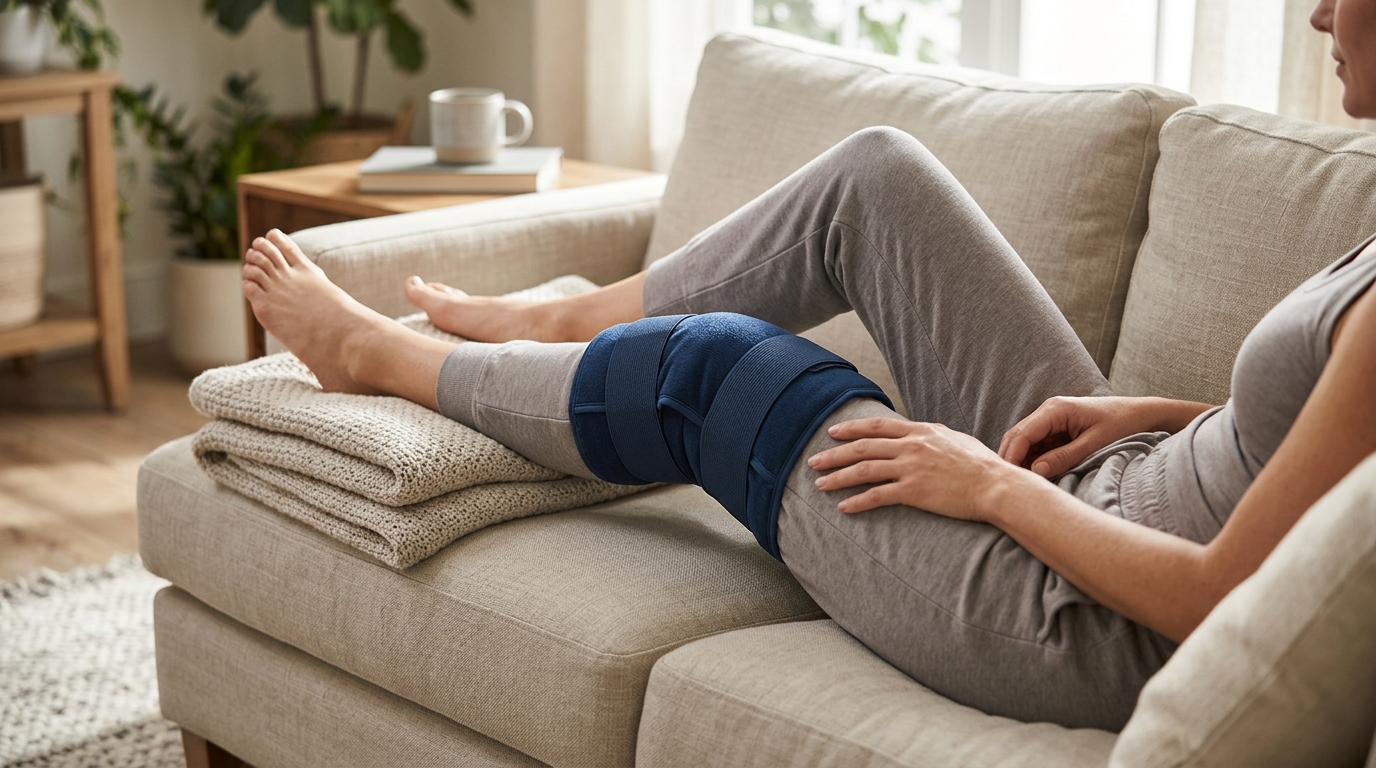
Compression ice wraps are a versatile tool for managing a wide range of musculoskeletal issues. By combining cold therapy with gentle pressure, these wraps help reduce swelling and numb pain in specific areas. This listicle highlights the most common conditions where this dual approach provides significant relief.
1. Acute Ankle Sprains
Compression ice wraps are the gold standard for immediate ankle sprain care. When you twist an ankle, the ligaments stretch or tear, causing rapid swelling and pain. The compression component of the wrap helps limit fluid accumulation, while the cold reduces inflammation. This combination is often cited as the most effective first-aid response for lower extremity injuries.
2. Knee Bursitis
Ice wraps provide targeted relief for the fluid-filled sacs around the knee. Bursitis involves the inflammation of the bursa, a small sac that cushions the joint. Applying a compression ice wrap to the knee helps calm the irritated tissue and reduces the pressure on the surrounding area. This is particularly useful for individuals who experience repetitive stress on their knees.
3. Tendonitis
Cold therapy helps manage the inflammation associated with overuse tendon injuries. Tendonitis is the inflammation of the tissues that attach muscles to bones, often caused by repetitive motion. While heat is sometimes used for chronic stiffness, ice is preferred in the early stages to reduce acute inflammation. A compression wrap ensures the cold stays in contact with the affected tendon for the recommended duration.
4. Post-Surgical Swelling
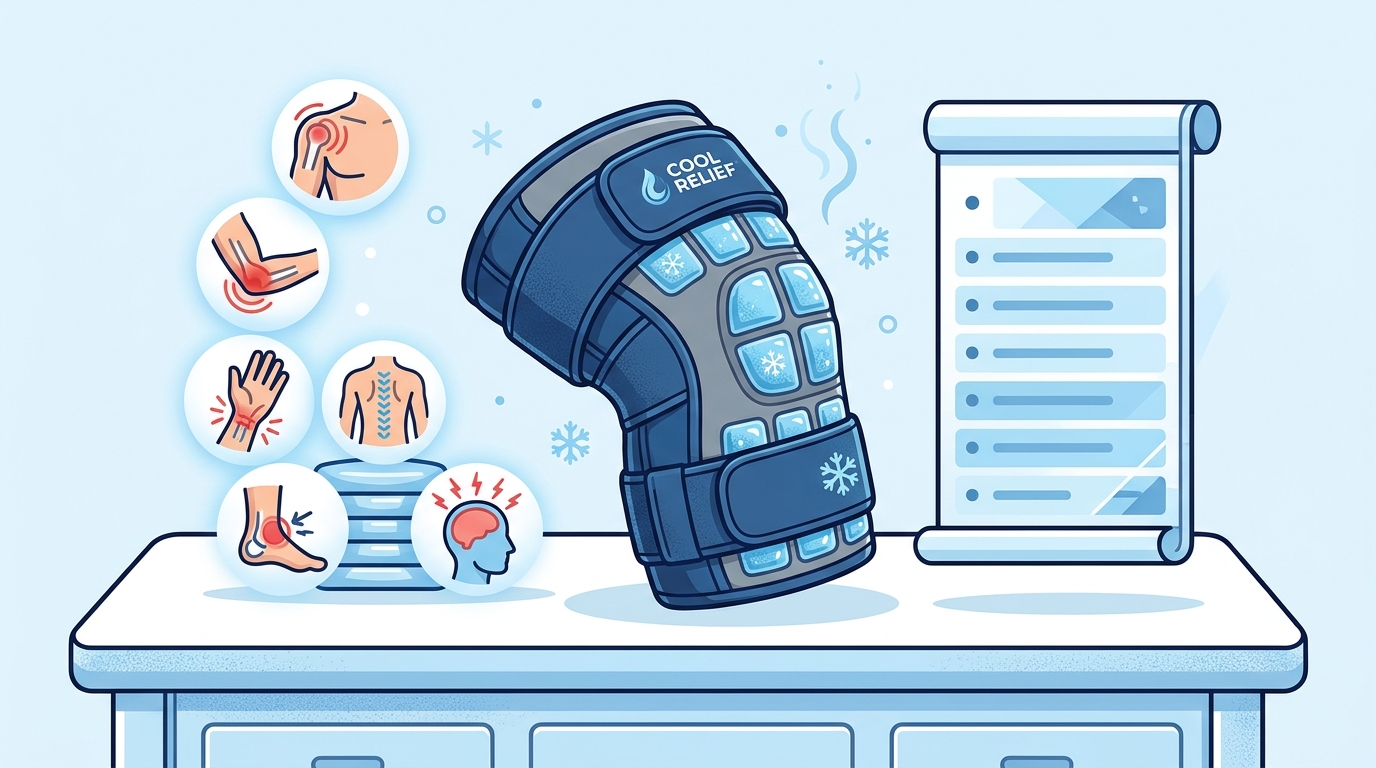
5. Muscle Strains
Ice wraps help soothe the pain and swelling of pulled muscles. A muscle strain occurs when muscle fibers are stretched or torn, often during physical activity. The cold therapy reduces the metabolic rate of the tissue, which helps limit the extent of the injury. The compression provides support to the muscle, preventing further strain during the initial healing phase.
6. Arthritis Flare-Ups
Cold therapy is an effective way to manage pain during acute arthritis episodes. While heat is often used for chronic stiffness, ice is better for acute flare-ups where joints are hot and swollen. A compression ice wrap can help reduce the inflammation and provide a numbing effect on the painful joint. This is a common recommendation for individuals with osteoarthritis or rheumatoid arthritis.
7. Sciatica
Ice wraps can help alleviate the radiating pain associated with sciatica. Sciatica involves irritation of the sciatic nerve, which can cause pain down the leg. Applying cold to the lower back or the affected leg can help reduce inflammation around the nerve. The compression aspect of the wrap provides a sense of support and stability to the lower back area.
Choosing the Right Wrap
When selecting a compression ice wrap, consider the specific area of the body you need to treat. For joints like the knee or ankle, a wrap designed for that specific shape will provide better coverage and compression. For larger areas like the back or shoulder, a more flexible wrap may be necessary. Always consult with a healthcare professional before starting a new treatment regimen, especially if you have underlying health conditions.
Frequently Asked Questions
How long should I use a compression ice wrap?
It is generally recommended to use a compression ice wrap for 15 to 20 minutes at a time. You should allow the skin to return to its normal temperature before reapplying the wrap. Avoid using the wrap for more than 30 minutes continuously to prevent skin damage.
Can I use a compression ice wrap while sleeping?
It is not recommended to use a compression ice wrap while sleeping. The risk of skin damage or frostbite increases when you are unconscious and cannot feel the cold. Always remove the wrap before going to bed.
What is the difference between a gel pack and a compression ice wrap?
A gel pack is a standalone cold source, while a compression ice wrap includes a gel pack integrated into a fabric wrap with straps. The wrap provides both cold therapy and compression, which is more effective for reducing swelling than a gel pack alone.
Are compression ice wraps safe for people with diabetes?
People with diabetes should be cautious when using cold therapy due to reduced sensation in the extremities. It is important to use a barrier between the ice and the skin and to limit the duration of use. Consult with a doctor before using a compression ice wrap if you have diabetes or poor circulation.
How do I clean a compression ice wrap?
Most compression ice wraps have a removable gel insert. You can wash the fabric wrap in the washing machine on a gentle cycle and air dry it. The gel insert should be wiped down with a damp cloth and allowed to air dry. Do not submerge the gel insert in water.