
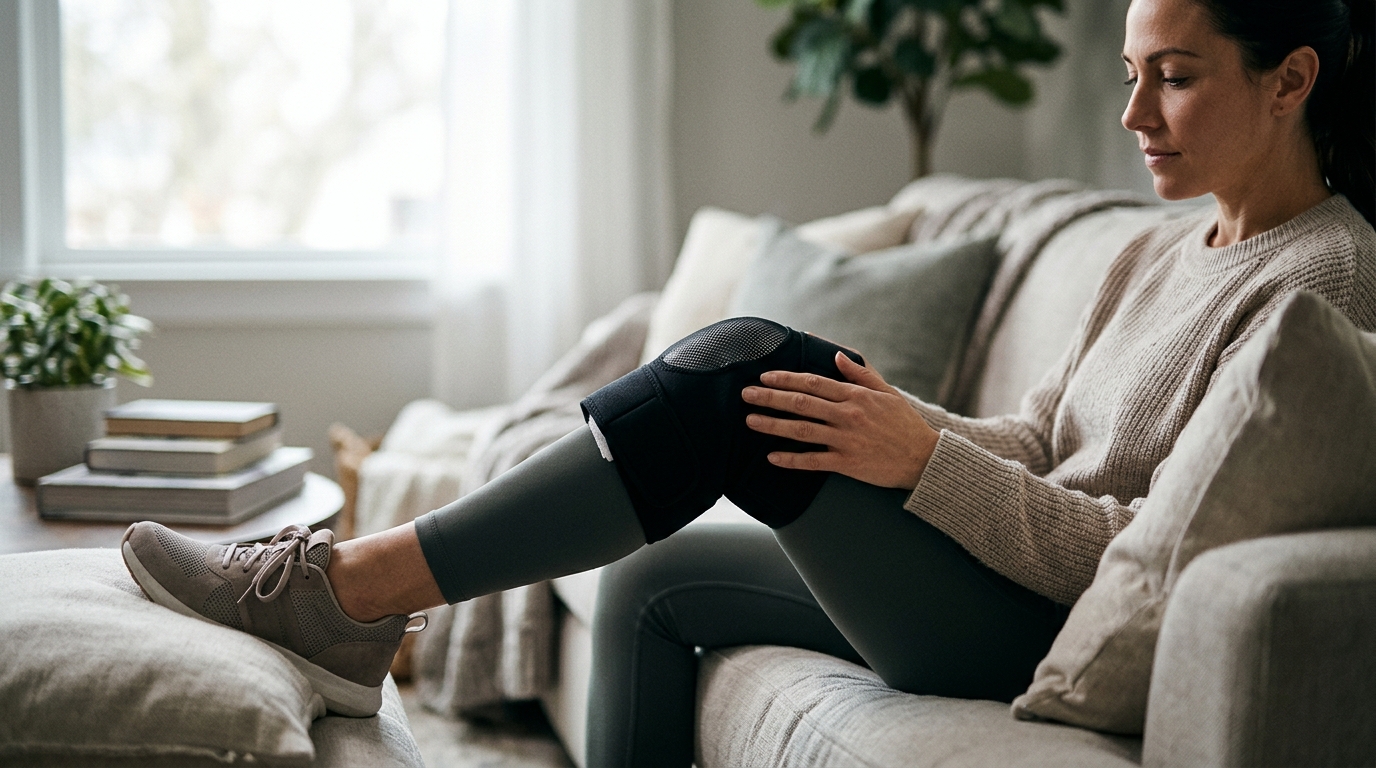
Use a barrier layer between the ice pack and your skin, limit sessions to 15-20 minutes, and monitor for color changes. Cold injury is a preventable risk that occurs when frozen gel packs remain in direct contact with tissue for too long. By following strict time limits and using protective wrapping, you can reduce swelling and pain without causing frostbite or nerve damage. This guide outlines the precise safety protocols for applying cold therapy to the knee.
Why Skin Protection Matters in Cryotherapy
Cryotherapy is the use of extreme cold to treat medical conditions, primarily to reduce inflammation and pain. While effective, the knee joint is covered by thin skin and subcutaneous fat, making it vulnerable to thermal injury. Direct contact with a frozen gel pack can drop tissue temperature below safe thresholds within minutes. This rapid cooling constricts blood vessels and can lead to ischemia, a condition where blood flow is restricted, potentially damaging nerves and muscle tissue.
The risk is higher for individuals with reduced sensation, such as those with diabetes or peripheral neuropathy. These users may not feel the warning signs of cold injury, such as numbness or tingling. Therefore, strict adherence to time limits is non-negotiable. The goal is to lower the temperature of the joint capsule and surrounding soft tissue, not to freeze the skin. Understanding this distinction helps you apply the therapy correctly.
The 20-Minute Rule and Timing
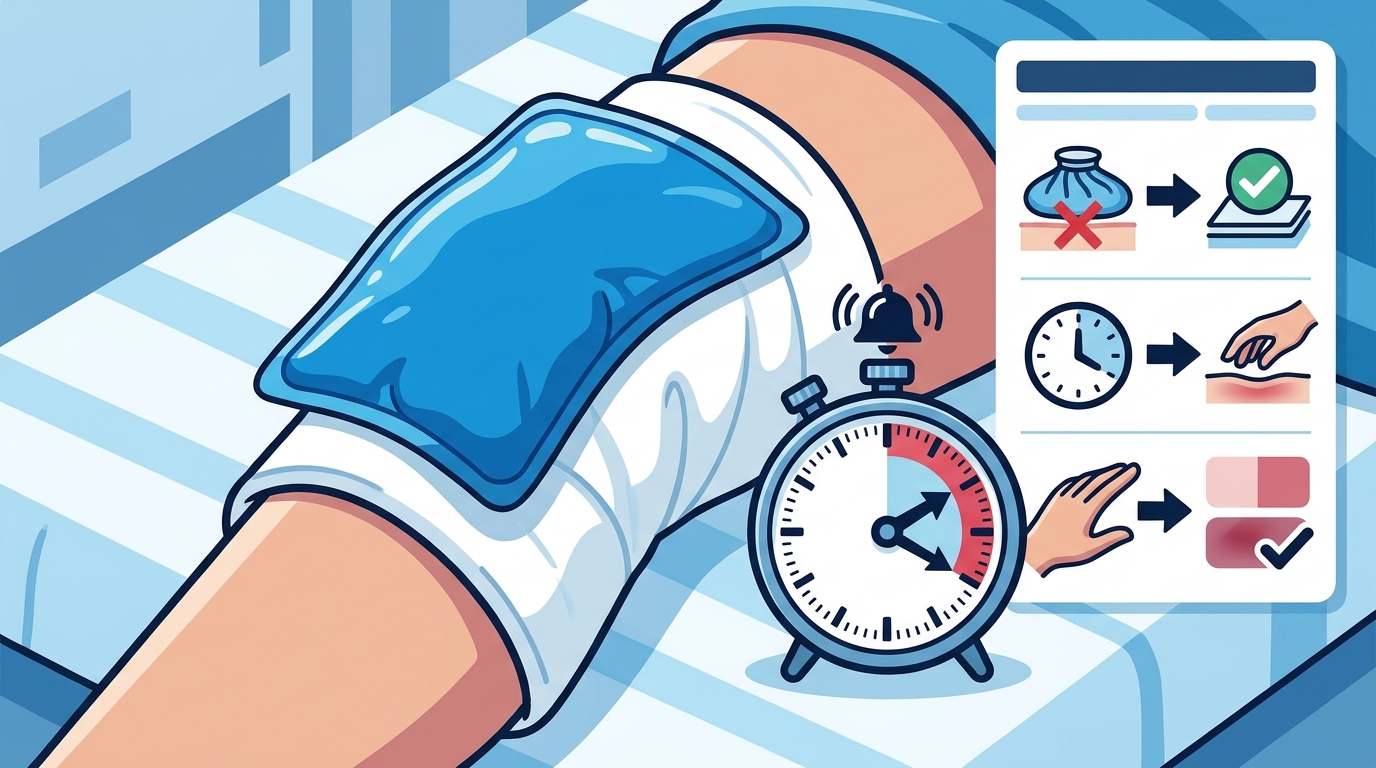
The standard medical guideline for cold therapy is to apply ice for no more than 20 minutes at a time. This duration is sufficient to reduce metabolic activity and swelling in the knee without causing tissue damage. After 20 minutes, you must remove the pack and allow the skin to return to normal temperature. This recovery period, often called the reperfusion phase, allows blood flow to resume and prevents cumulative cold stress.
You can repeat the application after a break of at least 40 to 60 minutes. This cycle allows the tissue to warm up and recover. Do not stack multiple ice packs to increase intensity, as this accelerates the risk of injury. Instead, focus on the quality of the cold transfer. A high-quality gel pack, such as the Knee Ice Pack Soft Gel from Cool Relief, is designed to maintain therapeutic temperatures for the recommended duration without requiring excessive pressure or time.
Choosing the Right Barrier Layer
Never place a frozen gel pack directly against bare skin. A barrier layer is essential to distribute the cold evenly and prevent localized freezing. The best barriers are thin, dry, and breathable. A simple cotton sock, a thin towel, or the fabric sleeve of a compression wrap works well. The barrier should be dry before application, as moisture conducts heat away from the skin faster, increasing the risk of injury.
Specialized ice wraps often include a built-in fabric sleeve that serves as this barrier. For example, the Knee Ice Wraps collection from Cool Relief features soft, flexible sleeves that conform to the knee's shape. These sleeves are designed to be worn directly on the skin or over a thin layer of clothing. They provide a consistent interface between the gel core and your tissue, ensuring that the cold is applied uniformly rather than in concentrated spots.
Monitoring Skin Response and Warning Signs
During the icing session, pay close attention to how your skin feels. Normal sensations include a deep, soothing cold that fades into a mild numbness. Warning signs of potential injury include sharp pain, intense burning, or a complete loss of sensation. If you experience any of these symptoms, remove the pack immediately. After removal, inspect the skin for color changes. Healthy skin may appear slightly pink or red, which should fade within 15 to 30 minutes.
If the skin remains white, waxy, or blue, or if it feels hard to the touch, seek medical attention. These are signs of frostbite or severe cold injury. The Cool Relief Blog provides additional resources on recognizing these signs and understanding the physiology of cold therapy. Regular monitoring ensures that you are using the therapy safely and effectively, allowing you to continue your recovery without interruption.
Special Considerations for Sensitive Skin
Individuals with sensitive skin or specific medical conditions require extra caution. If you have a history of cold urticaria, a condition where cold exposure triggers hives, consult your doctor before using ice packs. Similarly, if you are on blood thinners, be aware that cold therapy can mask bruising. Always inform your healthcare provider about your cold therapy routine. For those with limited mobility, using a hands-free wrap can help maintain proper positioning and reduce the risk of accidental prolonged contact.
Cool Relief offers a range of ice and heat wraps designed for various body parts, including the knee. Their products are engineered with safety in mind, featuring hypoallergenic materials and secure fastening systems. By choosing a wrap that fits your anatomy and follows safety guidelines, you can maximize the benefits of cold therapy while minimizing risks. Proper technique is the key to safe and effective recovery.
Key Takeaways
- Always use a dry barrier layer, such as a thin towel or the wrap's fabric sleeve, between the ice pack and your skin.
- Limit each icing session to 15-20 minutes to prevent tissue damage and allow for reperfusion.
- Wait at least 40-60 minutes between sessions to let the skin return to normal temperature.
- Monitor for warning signs like sharp pain, burning, or persistent white/blue skin color.
- Consult a healthcare provider if you have diabetes, neuropathy, or cold urticaria.
- Use high-quality, flexible gel packs that conform to the knee's shape for even cold distribution.
Frequently Asked Questions
How long should I leave an ice pack on my knee?
You should leave an ice pack on your knee for no more than 20 minutes. After 20 minutes, remove the pack and wait at least 40 to 60 minutes before reapplying. This timing prevents cold injury and allows blood flow to return to normal.
Can I put ice directly on my skin?
No, you should never place a frozen ice pack directly on bare skin. Always use a barrier layer, such as a thin towel, a sock, or the fabric sleeve of an ice wrap, to protect your skin from direct cold exposure.
What are the signs of cold injury to the skin?
Signs of cold injury include sharp pain, intense burning, numbness that does not fade, and skin that turns white, waxy, or blue. If you notice these signs, remove the ice pack immediately and seek medical attention if symptoms persist.
Is it safe to sleep with an ice pack on my knee?
It is not recommended to sleep with an ice pack on your knee. You may lose sensation during sleep and fail to notice warning signs of injury. Additionally, the pack may remain in contact for too long, increasing the risk of frostbite.
How often can I ice my knee in a day?
You can ice your knee 2 to 3 times a day, provided you follow the 20-minute rule and allow adequate rest periods between sessions. Always listen to your body and adjust the frequency based on your comfort and recovery progress.
Do I need a special ice pack for knee safety?
While any ice pack can be used safely with proper technique, specialized knee wraps offer better fit and coverage. Wraps like those from Cool Relief are designed to conform to the knee, ensuring even cold distribution and easier application.
Conclusion
Safe knee icing is about balance. You want enough cold to reduce swelling and pain, but not so much that you damage your skin or nerves. By following the 20-minute rule, using a proper barrier layer, and monitoring your skin's response, you can use cold therapy effectively and safely. Cool Relief provides high-quality, flexible ice wraps that make it easy to follow these safety guidelines. Visit Cool Relief to find the right wrap for your needs and start your recovery with confidence.