

Common Ice Pack Mistakes That Worsen Knee Pain and How to Avoid Them
Applying cold therapy is a standard protocol for managing acute knee injuries, yet improper application can lead to tissue damage or prolonged inflammation. According to clinical guidelines on cryotherapy, incorrect temperature regulation or duration can cause nerve irritation and skin breakdown. This guide details the most frequent errors patients make when using ice packs for knee pain and provides evidence-based corrections to ensure safe, effective recovery.
Mistake 1: Direct Skin Contact
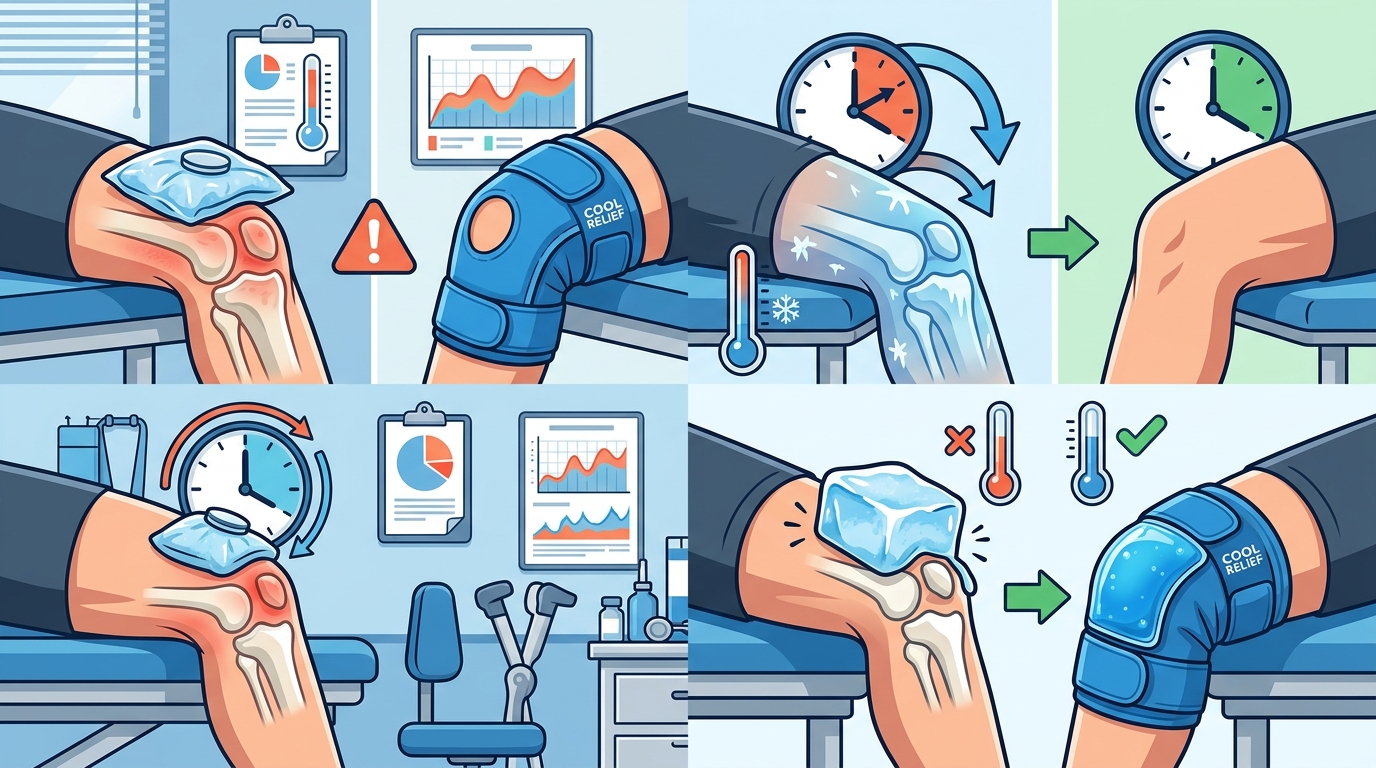
One of the most dangerous errors is placing a frozen gel pack or ice cube directly against the skin. Cold injury is a real risk when cryogenic temperatures touch the epidermis without a barrier. This can lead to frostbite, nerve damage, and severe pain that mimics the original injury.
To avoid this, always use a thin towel or the fabric sleeve provided with your knee ice wrap. The fabric acts as a thermal buffer, allowing the cold to penetrate deep into the joint while protecting the surface tissue. If you are using a reusable gel pack, ensure it is fully enclosed in its designated cover before application.
Mistake 2: Incorrect Application Duration
Many individuals believe that "more is better" when it comes to icing. Leaving an ice pack on for 30 minutes or longer can cause reactive vasodilation, where blood vessels expand to bring warm blood to the area, counteracting the anti-inflammatory benefits. This phenomenon, known as the hunting response, can increase swelling rather than reduce it.
The standard medical recommendation is to limit ice application to 15 to 20 minutes at a time. After this period, remove the pack and allow the skin temperature to return to normal. This cycle can be repeated every two to three hours during the first 48 to 72 hours after an injury. Consistency is more effective than duration.
Mistake 3: Excessive Pressure and Compression
While compression is beneficial for reducing swelling, applying an ice pack with too much force can restrict blood flow excessively. This is particularly risky for individuals with compromised circulation or diabetes. Excessive pressure can also cause "ice burn" by forcing the cold source tightly against the skin, bypassing the insulating layer of air.
Use a wrap that provides gentle, even compression. Products like the knee ice pack soft gel are designed to contour to the joint, providing necessary support without the need for manual tightening. The goal is to hold the cold source in place, not to strangle the limb.
Mistake 4: Relying Solely on Static Ice
Static icing treats the symptom but not the underlying stiffness. After the initial acute phase, prolonged immobility can lead to joint stiffness and muscle atrophy. Recovery requires movement alongside therapy to maintain range of motion.
Consider alternating between ice and gentle movement. Some heat and cold therapy protocols suggest using heat to loosen stiff muscles before icing to reduce inflammation. Always consult a physical therapist to determine the right balance of rest and motion for your specific knee condition.
Mistake 5: Choosing the Wrong Product Type
Not all ice packs are created equal. Standard gel packs may become too rigid in the freezer, creating hard edges that dig into the skin. Conversely, some cheap ice wraps leak or lose their cooling capacity quickly. Using a product that does not conform to the knee's anatomy results in uneven cooling and poor contact.
Invest in high-quality, reusable gel packs that remain flexible at low temperatures. The premium ice wraps from Cool Relief are engineered to stay pliable, ensuring consistent coverage over the patella and surrounding ligaments. Check for durable stitching and leak-proof seals to ensure longevity and safety.
Key Takeaways
- Barrier is Essential: Never apply ice directly to the skin. Always use a towel or fabric sleeve to prevent frostbite.
- Time Limits: Limit each session to 15-20 minutes to avoid the hunting response and reactive swelling.
- Gentle Compression: Use wraps that contour to the knee to provide even pressure without restricting circulation.
- Product Quality: Choose flexible, reusable gel packs that maintain cold temperatures without becoming rigid or leaking.
- Frequency: Apply ice every 2-3 hours during the first 72 hours of an acute injury for maximum efficacy.
- Hygiene: Clean your ice wraps regularly to prevent bacterial growth, especially if you have open wounds or surgery incisions.
- Professional Guidance: Consult a healthcare provider if pain persists beyond a few days or if you experience numbness or discoloration.
Frequently Asked Questions
How long should I ice my knee after surgery?
Post-surgical icing is critical for managing pain and swelling. Most surgeons recommend icing for 20 minutes every hour while awake for the first few days, then gradually reducing frequency as healing progresses.
Can I use a bag of frozen peas as an ice pack?
While frozen peas can provide cold therapy, they do not conform well to the knee joint and can become too hard, causing pressure points. A specialized knee ice wrap offers superior contouring and consistent cooling.
What is the difference between ice and heat for knee pain?
Ice is used for acute injuries and inflammation to constrict blood vessels and reduce swelling. Heat is used for chronic stiffness and muscle tension to dilate blood vessels and promote relaxation. Never apply heat to a fresh, swollen injury.
How do I know if I am icing too much?
Signs of over-icing include increased pain, numbness, tingling, or skin that turns white or blue. If you experience these symptoms, remove the ice immediately and allow the skin to warm up.
Are reusable ice packs better than disposable ones?
Reusable gel packs are more cost-effective and environmentally friendly. They are also designed to stay flexible at low temperatures, providing a more comfortable and effective therapy experience compared to rigid disposable packs.
Can I sleep with an ice pack on my knee?
No, you should never sleep with an ice pack on. You cannot monitor your skin's reaction, and prolonged exposure can lead to severe cold injury. Set a timer to remind you to remove the pack.
How do I clean my ice wrap?
Most Cool Relief wraps are machine washable or can be wiped down with mild soap and water. Always check the product label for specific cleaning instructions to maintain the integrity of the gel and fabric.
Get Started with Cool Relief
Avoiding these common mistakes is the first step toward effective knee pain management. By using the right products and techniques, you can accelerate your recovery and prevent further injury. Explore our premium collection of ice and heat wraps designed for superior comfort and therapeutic results. Visit Cool Relief today to find the perfect solution for your knee pain.