
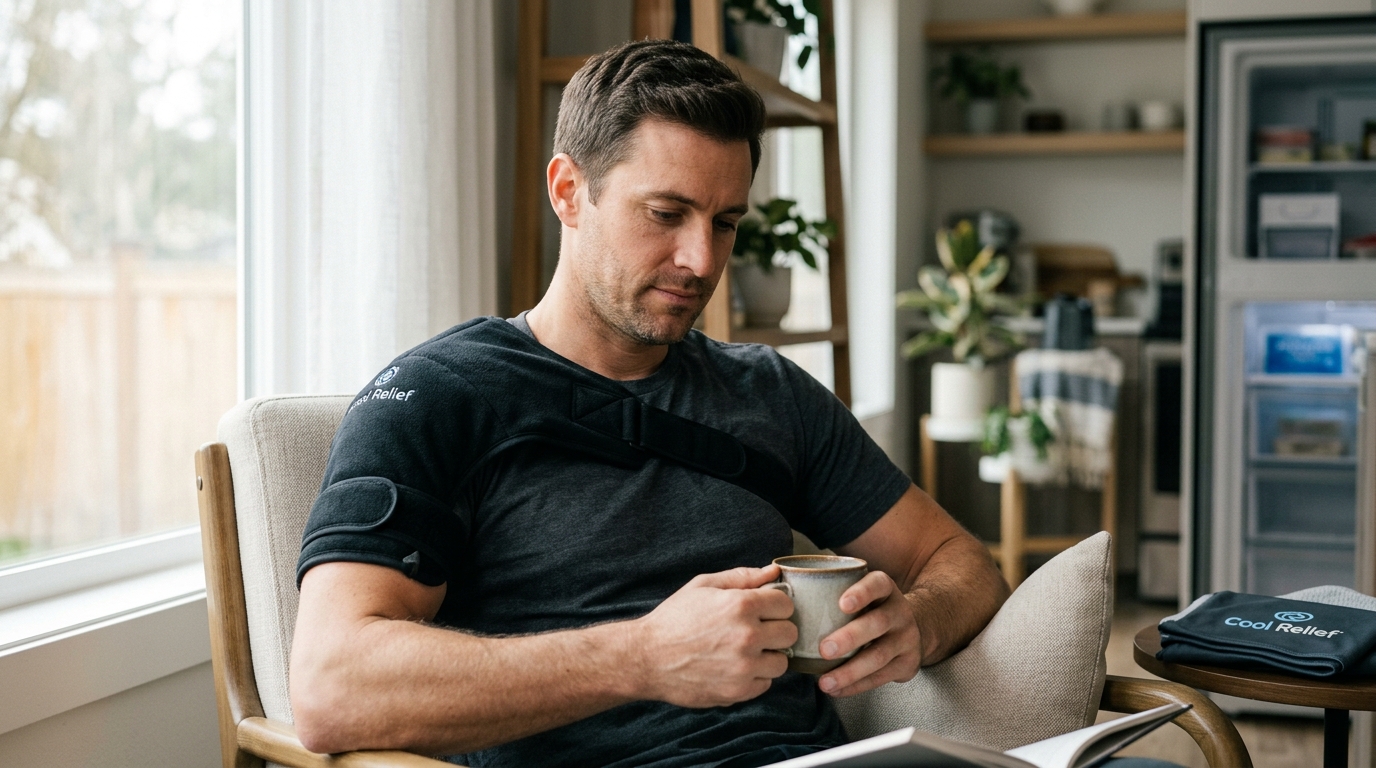
Common Mistakes When Using Shoulder Compression Wraps and How to Avoid Them
Shoulder injuries account for a significant portion of upper body musculoskeletal complaints, with data showing that rotator cuff issues and post-surgical swelling are primary drivers for compression therapy. According to recent orthopedic studies, improper application of cold therapy devices can actually delay healing by up to 20% due to tissue damage or ineffective circulation management. This guide details the critical errors patients make when using shoulder ice wraps and provides the exact protocols to ensure safe, effective recovery. (Collections ndash Cool Relief)
Mistake 1: Skipping the Barrier Layer
One of the most dangerous errors patients commit is placing a frozen gel pack directly against bare skin. Cold therapy works by rapidly lowering tissue temperature to constrict blood vessels and reduce inflammation. However, direct contact with ice-cold surfaces can cause cold burns or frostbite, even in short durations.
Always use a thin towel or the fabric cover provided with your shoulder ice wrap as a barrier. This layer protects the epidermis while still allowing thermal transfer to the deeper joint structures. If your product does not include a cover, purchase a separate cotton towel to ensure safety during your recovery period.
Mistake 2: Ignoring the 20-Minute Rule
Many individuals believe that "more is better" when it comes to pain relief. They leave ice packs on for hours, thinking this will accelerate healing. This is a critical misconception. Prolonged exposure to cold can trigger a rebound effect known as vasodilation, where blood vessels expand to prevent tissue freezing, which ironically increases swelling and inflammation.
The clinical standard is the 20-minute rule. Apply the wrap for 15 to 20 minutes, then remove it for at least 40 to 60 minutes. This cycle allows the tissue to return to normal temperature before the next application. For detailed protocols on managing post-surgical swelling, review our Pain Relief Guide.
Mistake 3: Incorrect Gel Pack Placement
The shoulder is a complex ball-and-socket joint. Applying pressure to the wrong area can cause nerve compression or fail to target the inflamed tissue. A common error is placing the gel pack too far forward or too far back, missing the anterior or posterior joint line where most injuries occur.
To avoid this, identify the specific area of pain. For anterior shoulder pain, position the shoulder heat wrap or ice pack over the front deltoid area. For posterior pain, target the back of the shoulder blade. Using a wrap with a contoured design, such as the Soft Gel Shoulder Ice Pack, helps maintain consistent contact with the curved anatomy of the shoulder.
Mistake 4: Over-Tightening the Wrap
Compression is necessary to keep the ice pack in place and to provide mild support, but excessive tightness is hazardous. Over-tightening can restrict arterial blood flow, leading to numbness, tingling, or even nerve damage in the arm and hand.
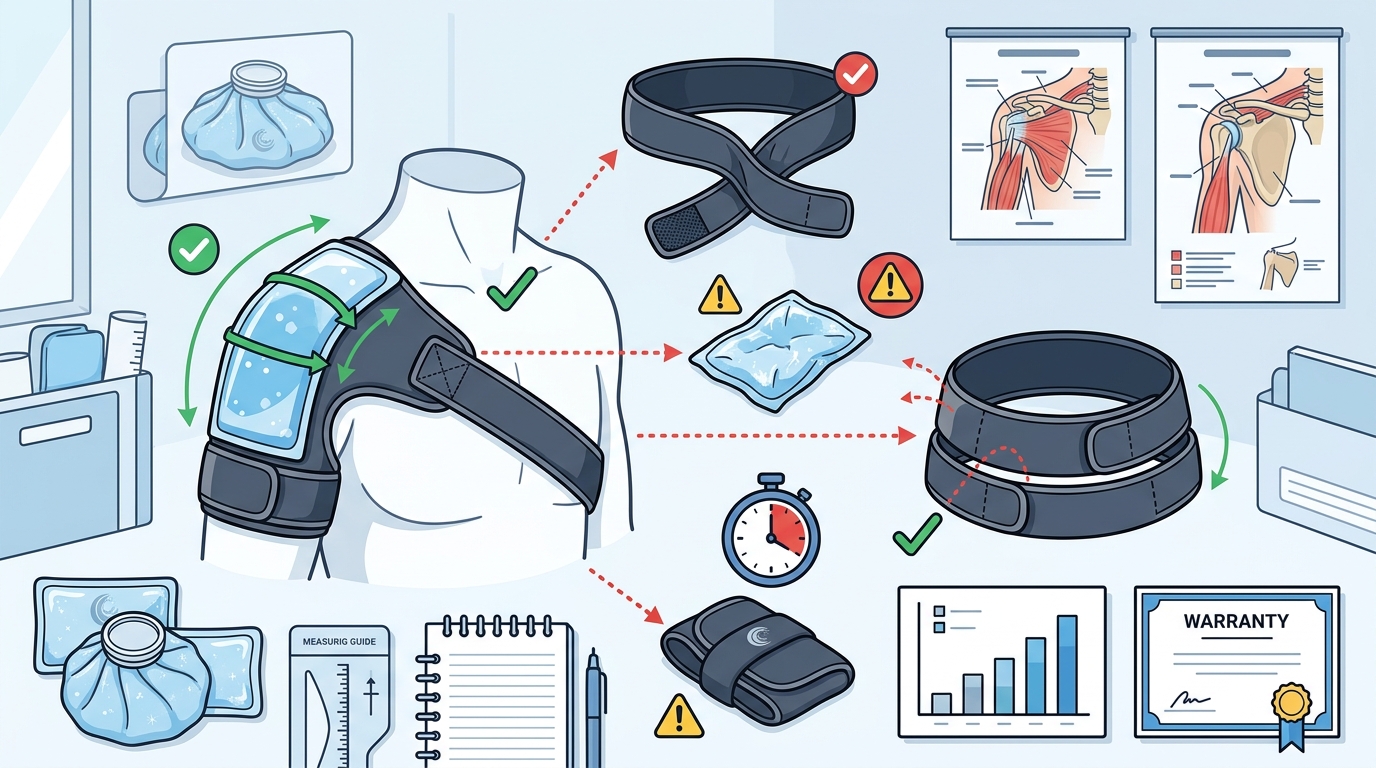
Apply the wrap snugly enough that it stays in place during light movement, but loose enough that you can slide two fingers underneath the strap. If you experience tingling in your fingers or a change in skin color, loosen the straps immediately. Proper fit is essential for the effectiveness of any reusable ice wrap.
Mistake 5: Using Heat When Ice is Required
2024Timing is everything in injury recovery. In the first 48 to 72 hours after an acute injury or surgery, ice is the primary treatment to reduce swelling. Using heat during this acute phase can increase blood flow to the area, exacerbating swelling and pain.
Conversely, after the acute phase, heat may be more appropriate to relax tight muscles and improve mobility. Confusing these two modalities is a frequent error. Always consult your physical therapist or surgeon to determine the correct phase of your recovery. Our Shoulder Heat Wrap collection is designed for later-stage recovery, while our gel packs are optimized for immediate post-injury care.
Mistake 6: Neglecting Skin Sensation Checks
Patients with diabetes or peripheral neuropathy may have reduced sensation in their skin. They might not feel the onset of cold injury until significant damage has occurred. Even for those with normal sensation, it is easy to become distracted while working or sleeping and forget to check the skin.
Set a timer for every 5 minutes during the first 15 minutes of application. Check the skin for extreme cold, redness, or blanching. If the skin feels numb or painful, remove the wrap immediately. This proactive approach ensures that your recovery process remains safe and effective.
Comparison of Ice vs. Heat Therapy for Shoulder Injuries
Choosing the right modality depends on the stage of your injury. The table below summarizes the key differences to help you make an informed decision.
| Feature | Cold Therapy (Ice) | Heat Therapy |
|---|---|---|
| Primary Goal | Reduce swelling and numb acute pain | Relax muscles and improve blood flow |
| Best For | Acute injuries, post-surgery (first 72 hours) | Chronic pain, stiffness, muscle spasms |
| Duration | 15-20 minutes per session | 15-20 minutes per session |
| Product Type | Gel Ice Packs | Microwavable Heat Wraps |
Key Takeaways
- Always use a barrier layer between the ice pack and your skin to prevent cold burns.
- Limit each application to 20 minutes to avoid the rebound vasodilation effect.
- Position the gel pack directly over the painful joint area for maximum efficacy.
- Ensure the wrap is snug but not tight enough to restrict blood flow to the arm.
- Use ice for the first 72 hours of an acute injury and heat for chronic stiffness.
- Check your skin every 5 minutes for signs of numbness or excessive redness.
- Consult a medical professional before starting any new therapy regimen.
Frequently Asked Questions
How long should I use a shoulder ice wrap after surgery?
Typically, patients are advised to use ice wraps for the first 48 to 72 hours post-surgery to manage swelling. After this period, your surgeon may recommend alternating with heat therapy.
Can I sleep with a shoulder compression wrap on?
No, you should never sleep with an ice pack on. You risk prolonged exposure to cold, which can lead to tissue damage. Remove the wrap before resting.
What is the difference between a gel pack and a reusable ice wrap?
A gel pack is the internal component that holds the cold. A reusable ice wrap is the external sleeve that holds the gel pack and secures it to your body. Both are necessary for effective therapy.
How do I clean my shoulder ice wrap?
Most Cool Relief wraps are machine washable on a gentle cycle. Always check the care label on your specific product. The gel packs should never be washed.
Is it safe to use a shoulder heat wrap if I have arthritis?
Heat therapy can be beneficial for arthritis pain by relaxing stiff joints. However, if you have acute inflammation, ice is preferred. Consult your doctor for personalized advice.
Can I use the wrap on both shoulders at the same time?
Yes, if you have bilateral shoulder issues, you can use two wraps simultaneously. Ensure you monitor both arms for circulation changes.
How often can I reapply the ice wrap?
You can reapply the ice wrap every 1 to 2 hours, depending on your pain levels and the advice of your healthcare provider. Consistency is key to managing inflammation.
Start Your Recovery Today
Avoiding these common mistakes ensures that your shoulder recovery is safe, efficient, and effective. Cool Relief offers a range of premium shoulder ice wraps and heat wraps designed for optimal comfort and therapeutic benefit. Visit our online store to find the right product for your needs and begin your path to pain-free movement.