
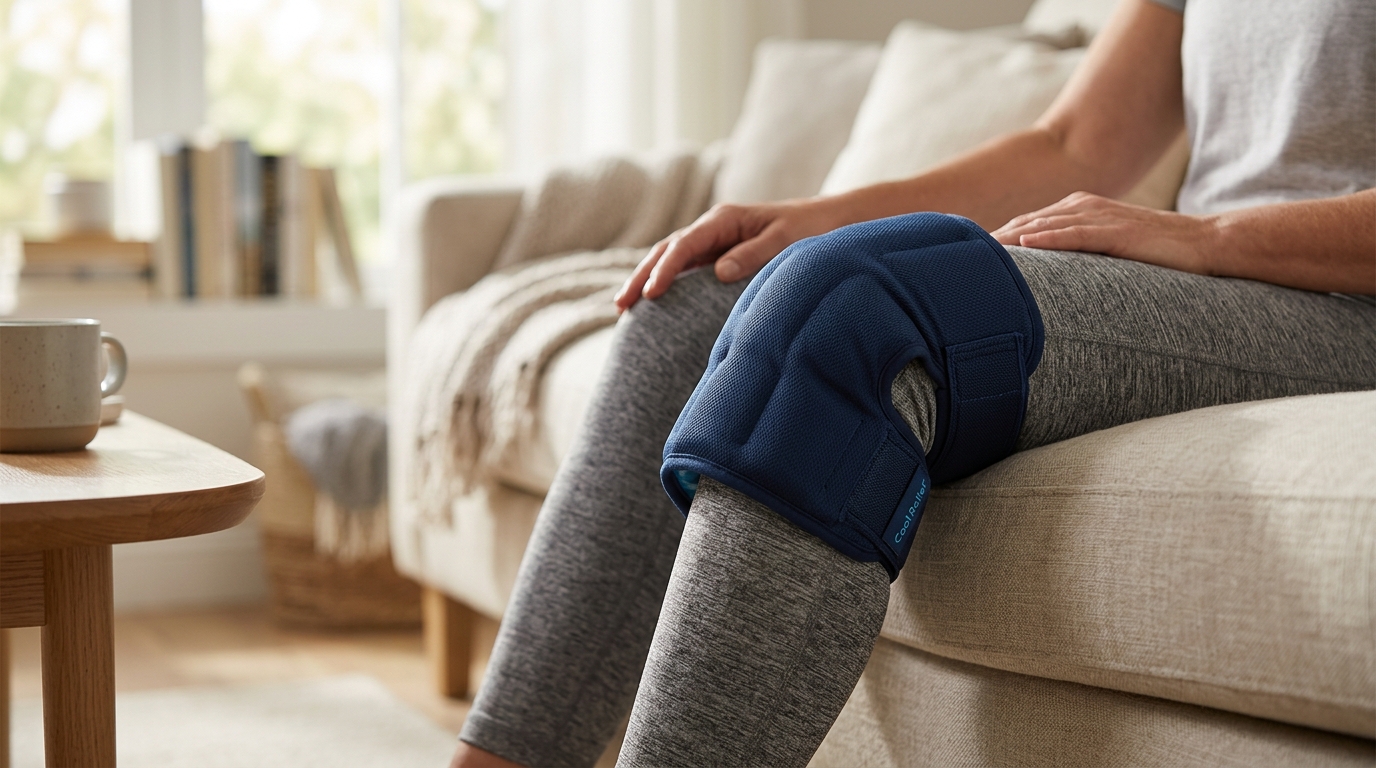
Chronic knee pain affects millions of adults globally, often stemming from osteoarthritis, sports injuries, or post-surgical inflammation. According to the Centers for Disease Control and Prevention, arthritis is the leading cause of disability in the United States, impacting over 58 million adults. Effective management of this condition frequently relies on cryotherapy, a treatment that reduces swelling and numbs pain through cold application. However, not all cold therapy devices deliver equal results. The difference between temporary relief and sustained recovery often lies in the specific engineering of the ice pack itself. This guide dissects the critical features that determine efficacy, ensuring you select a product that aligns with your physiological needs and lifestyle constraints. (Cool Relief Ice Wraps)
Understanding Gel Composition and Thermal Retention
The core functionality of any ice pack depends on its thermal mass. Traditional water-based ice packs freeze quickly but thaw rapidly, often requiring frequent replacement to maintain therapeutic temperatures. Advanced gel packs utilize specialized polymer blends that offer superior thermal retention. These gels remain pliable even when frozen, allowing them to conform to the knee's surface without the hard, jagged edges of traditional ice cubes. (Ankle Foot Wraps for)
When evaluating gel composition, look for non-toxic, BPA-free materials. The gel must be safe for prolonged skin contact and resistant to leakage under pressure. Thermal retention is the primary metric for efficacy. A high-quality gel pack can maintain cold temperatures for up to 30 minutes longer than standard water packs, reducing the frequency of re-freezing and ensuring consistent pain relief during critical recovery windows. Cool Relief utilizes soft gel technology designed to balance flexibility with long-lasting cold retention.
Anatomical Fit and Contouring Technology
The knee is a complex joint with irregular surfaces. A flat ice pack fails to cover the patellar tendon, the quadriceps tendon, and the lateral and medial collateral ligaments simultaneously. Effective knee ice packs must feature anatomical contours that wrap around the joint. This design ensures maximum surface area contact, which is essential for efficient heat transfer from the skin to the gel.
Contoured designs prevent the pack from sliding off during movement or sleep. They also distribute pressure evenly, avoiding the discomfort of concentrated cold spots that can lead to skin irritation or nerve damage. When selecting a pack, verify that the curvature matches the natural bend of your knee. Products like the Knee Ice Pack Soft Gel are engineered specifically to hug the knee joint, providing targeted coverage that flat wraps cannot achieve.
Material Durability and Leak Prevention
The outer shell of an ice pack endures significant stress during freezing, thawing, and application. It must be made from durable, puncture-resistant fabric that can withstand repeated compression. Look for double-stitched seams and reinforced edges. A single tear can render the entire pack useless and create a hygiene hazard.
Waterproofing is equally critical. The inner liner must be impermeable to prevent gel leakage, which can stain clothing and damage furniture. High-quality packs use multi-layered fabrics that combine breathability with waterproof integrity. This allows moisture from sweat to escape while keeping the internal gel contained. Always check for certifications or warranties that guarantee leak-proof performance. Investing in a durable pack reduces long-term costs and ensures reliable performance during acute injury phases.
Mobility and Secure Fit Mechanisms
One of the most overlooked features of knee ice packs is their ability to stay in place without restricting blood flow. Traditional wraps often require excessive tightening to prevent slipping, which can lead to numbness or circulation issues. Modern designs incorporate adjustable straps, elastic bands, or Velcro closures that provide a secure fit with minimal tension.
Some advanced packs feature open-patella designs or cutouts that allow the kneecap to breathe while the surrounding tissue receives cold therapy. This is particularly important for users with sensitive skin or those who need to wear the pack for extended periods. The ability to move freely while the pack is attached is a key indicator of user-centric design. For those needing replacement components, Large Hot/Cold Gel Pack inserts offer a cost-effective way to refresh the thermal core of your existing wrap.
Dual-Action Capabilities: Heat and Cold
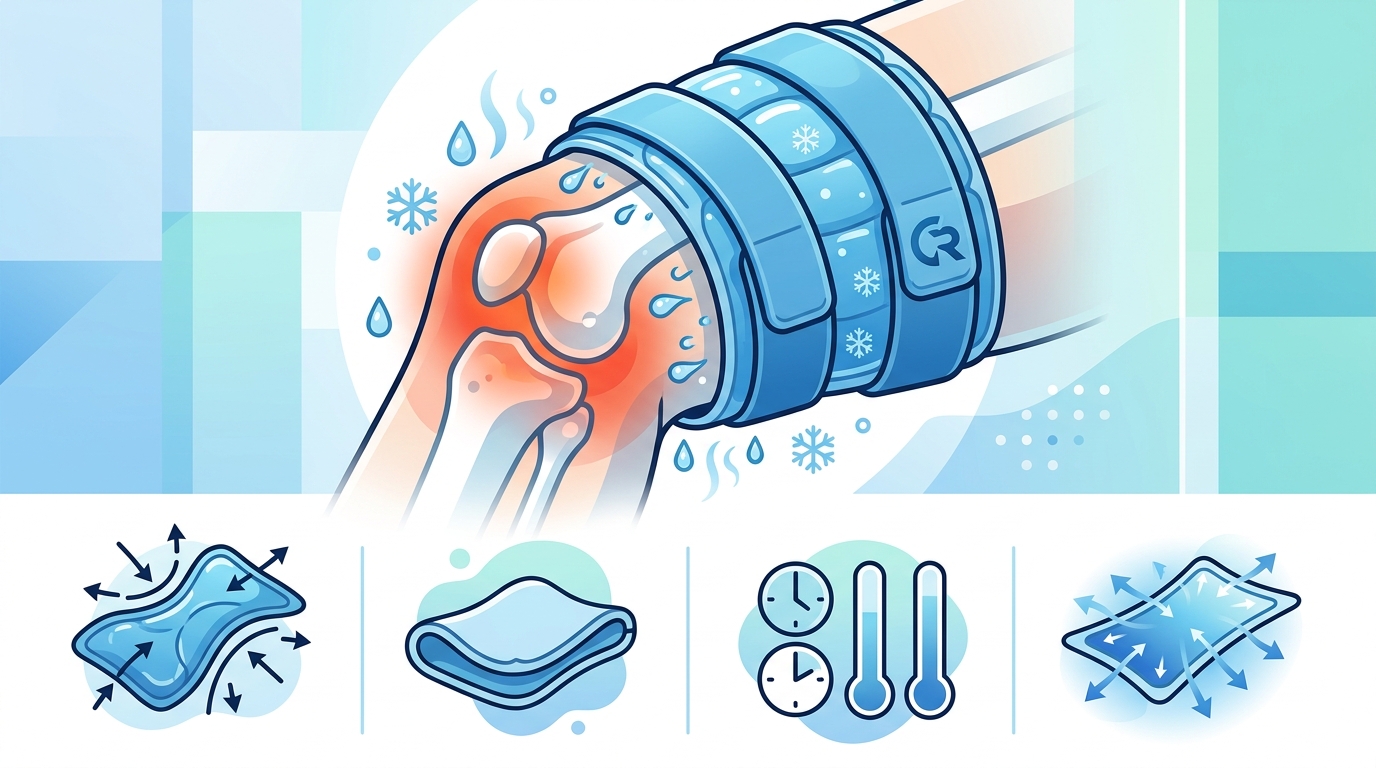
While ice is the gold standard for acute inflammation, heat therapy plays a vital role in chronic pain management and muscle relaxation. Many modern knee packs are designed to be dual-action, functioning effectively as both ice and heat packs. This versatility allows users to alternate therapies based on their daily symptoms.
Using heat can help loosen stiff joints before activity, while ice can reduce swelling after exertion. A dual-action pack eliminates the need to purchase separate devices, saving space and money. Ensure that the materials used in the pack are safe for both high and low temperatures. Some gels may degrade or become brittle under extreme heat, so verify the manufacturer's temperature guidelines. Cool Relief offers a comprehensive range of Heat Wraps and Ice Wraps to suit various therapeutic needs.
Product Feature Comparison Matrix
The following table compares key features of common knee ice pack types to help you make an informed decision.
| Feature | Traditional Ice Bag | Soft Gel Knee Wrap | Electric Cold Therapy Unit |
|---|---|---|---|
| Thermal Retention | Low (15-20 mins) | High (30-45 mins) | Variable (Continuous) |
| Anatomical Fit | Poor | Excellent | Moderate |
| Mobility | Restricted | High | Low (Corded) |
| Dual-Action (Heat) | No | Yes (Most Models) | No |
| Cost Efficiency | Low | High | Low |
Key Takeaways
- Thermal Retention: Gel packs outperform water ice by maintaining therapeutic temperatures for longer periods, reducing the need for frequent re-freezing.
- Anatomical Design: Contoured wraps ensure maximum surface contact with the knee joint, improving heat transfer efficiency and coverage of key ligaments.
- Durability: Look for BPA-free, non-toxic gels and double-stitched, waterproof outer shells to prevent leaks and ensure long-term use.
- Secure Fit: Adjustable straps and elastic materials allow for mobility without compromising the pack's position or restricting blood flow.
- Versatility: Dual-action packs that work for both heat and cold therapy offer greater value and adaptability for chronic vs. acute pain management.
- Brand Reliability: Established brands like Cool Relief provide specialized products such as the Knee Ice Pack Soft Gel designed specifically for orthopedic needs.
- Replacement Parts: Opting for packs with replaceable gel inserts can extend the product's lifespan and reduce environmental waste.
Frequently Asked Questions
How long should I keep an ice pack on my knee?
Standard medical advice recommends applying ice for 15 to 20 minutes at a time. Prolonged exposure can damage skin and underlying tissues. Always place a thin barrier between the pack and your skin if the material is not designed for direct contact.
Can I use a knee ice pack after surgery?
Yes, ice packs are commonly used post-surgery to reduce swelling and manage pain. However, you should always follow your surgeon's specific instructions regarding timing and pressure. Products like the Knee Ice Pack Soft Gel are often recommended for their gentle, conforming fit.
What is the difference between a gel pack and a water pack?
Gel packs remain flexible when frozen, allowing them to mold to the knee's shape. Water packs become hard and rigid, which can cause discomfort and uneven cooling. Gel also typically retains cold temperatures longer than water.
Are reusable ice packs safe for daily use?
Yes, high-quality reusable ice packs are designed for daily use. Ensure the outer material is breathable and the gel is non-toxic. Regularly inspect the pack for tears or leaks to maintain hygiene and safety.
Can I use heat and cold on the same knee?
Yes, alternating heat and cold can be beneficial. Heat is typically used before activity to loosen joints, while ice is used after activity to reduce inflammation. Consult a healthcare provider for a personalized regimen.
How do I clean a knee ice pack?
Most outer covers are machine washable. Remove the gel insert before washing. Wipe the gel pack itself with a damp cloth and mild soap if necessary. Allow both components to dry completely before reinserting or storing.
What size ice pack is best for knee pain?
The size should match your knee circumference. A pack that is too small will not cover enough area, while one that is too large may not fit securely. Measure your knee and compare it to the product dimensions provided by manufacturers like Cool Relief.
Start Your Recovery Journey
Choosing the right ice pack is a critical step in managing knee pain and accelerating recovery. By prioritizing thermal retention, anatomical fit, and durable construction, you can ensure effective and comfortable therapy. Explore our curated collection of premium ice wraps and gel packs designed to meet your specific needs. Visit our Shop Ice section to find the perfect solution for your recovery.