

Essential Features to Look for in Flexible Reusable Gel Ice Packs
Chronic pain and acute injuries affect millions of people globally, creating a massive demand for effective at-home recovery solutions. According to the American Physical Therapy Association, cold therapy is a primary intervention for reducing inflammation and managing pain in soft tissue injuries. The market for reusable ice packs has evolved significantly, moving away from rigid, bulky plastic shells toward advanced flexible gel technologies. These modern solutions offer superior contouring capabilities and longer-lasting cold retention. Understanding the specific engineering features of these products is critical for ensuring you select a device that provides genuine therapeutic value rather than just temporary relief.
Understanding Gel Technology and Composition
The core differentiator between a premium ice pack and a basic one lies in the internal gel composition. Traditional ice packs often use simple water-based gels that freeze into hard, unyielding blocks. In contrast, advanced flexible gel packs utilize specialized polymer blends designed to remain pliable even at sub-zero temperatures. This flexibility is not merely a comfort feature; it is a functional necessity for effective cryotherapy.
When the gel remains soft, it can conform to the irregular shapes of the human body. This ensures consistent contact across the entire treatment area, which is vital for uniform heat extraction. If the pack is too rigid, it will only cool the surface points touching the skin, leaving gaps where inflammation persists. The gel inside high-quality packs, such as those found in the Cool Relief collection, is engineered to resist separation and maintain a consistent viscosity over hundreds of freeze-thaw cycles.
Another critical aspect of gel technology is the freezing point. Some gels are formulated to remain liquid at lower temperatures to prevent the "rock-hard" sensation that can cause discomfort or even cold burns. This semi-solid state allows the pack to act as a dynamic cooling surface that adapts to movement, making it ideal for active recovery or post-surgical use where mobility is required.
Flexibility and Anatomical Contouring
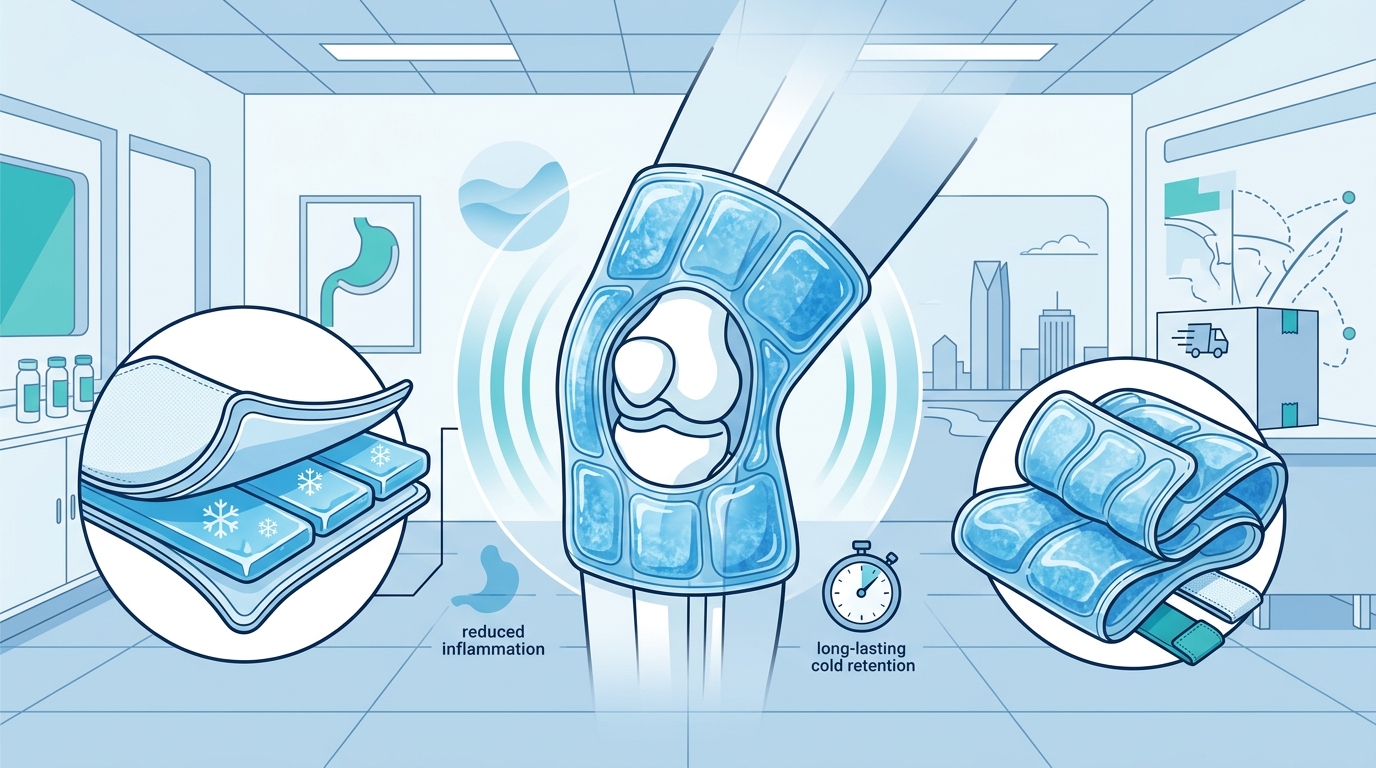
Anatomical contouring refers to the ability of an ice pack to mold itself to specific body parts without the need for external straps or complex wrapping mechanisms. This feature is particularly important for joints such as the knee, shoulder, and ankle, which have complex geometries. A standard rectangular pack often slips off or creates pressure points that are painful to the patient.
Flexible gel packs solve this problem by allowing the user to bend, twist, and wrap the pack around the limb. For example, a knee ice wrap must be able to navigate the patella and the surrounding ligaments. If the material is too stiff, it will not provide adequate coverage around the back of the knee, which is a common site for swelling after surgery or sports injuries.
The outer shell material also plays a significant role in flexibility. Premium packs use durable, soft-touch fabrics that resist tearing while allowing the internal gel to shift freely. This dual-layer approach ensures that the pack stays in place during movement while providing a gentle, cooling pressure that can help reduce edema. The ability to contour effectively means that the cold therapy is delivered more efficiently, potentially shortening the recovery timeline for acute injuries.
Durability and Leak-Proof Construction
One of the most common failure points in reusable ice packs is leakage. A leaking gel pack not only ruins the device but can also create a hygiene hazard, especially when used on post-surgical wounds or open skin. Therefore, the construction of the outer shell is a non-negotiable feature for any serious recovery tool.
High-quality manufacturers use reinforced stitching and heat-sealed seams to prevent gel from escaping. Some advanced designs incorporate a secondary waterproof barrier within the fabric layers to provide an extra layer of security. When evaluating a product, look for descriptions that mention "leak-proof" or "durable outer shell." Products from Cool Relief are designed with these durability standards in mind, ensuring that the investment lasts through multiple recovery periods.
Durability also extends to the resistance of the material against punctures and abrasions. Ice packs are often stored in freezers alongside other items, which can cause sharp edges to damage the shell. A robust outer layer prevents micro-tears that could eventually lead to leaks. Additionally, the fabric should be easy to clean and resistant to mold or mildew, which can develop in damp environments.
Thermal Retention and Freezing Speed
The efficiency of an ice pack is measured by two key metrics: how quickly it freezes and how long it stays cold. Fast freezing is essential for immediate pain relief after an injury, while long thermal retention is crucial for extended therapy sessions, such as overnight recovery after a procedure.
Gel packs generally have a higher heat capacity than water-only packs, meaning they can absorb more body heat before warming up. However, the thickness of the gel layer and the type of polymer used significantly impact this performance. Thicker gel packs take longer to freeze but provide longer-lasting cold. Thinner packs freeze quickly but may warm up faster during use.
According to data on thermal dynamics in medical devices, the optimal balance depends on the specific use case. For acute injuries requiring immediate intervention, a pack that freezes in under four hours is ideal. For chronic pain management, a pack that maintains temperatures below 40 degrees Fahrenheit for six to eight hours is more valuable. The Pain Relief Guide offers detailed insights into selecting the right thermal properties for your specific condition.
Material Safety and Regulatory Compliance
Since ice packs come into direct contact with skin, the materials used must be safe and non-toxic. Reputable manufacturers ensure that their gels and outer fabrics are free from harmful chemicals such as BPA, latex, and phthalates. These substances can cause allergic reactions or skin irritation, particularly when the skin is compromised due to injury or surgery.
Regulatory compliance is another critical factor. In the United States, medical devices and therapeutic products must meet specific safety standards set by the FDA and other regulatory bodies. While not all ice packs are classified as medical devices, those marketed for therapeutic use should adhere to strict manufacturing guidelines. Checking for certifications or compliance statements on the product page is a good way to verify safety.
Furthermore, the outer fabric should be hypoallergenic and breathable. Trapped moisture against the skin can lead to maceration, which weakens the skin barrier and increases the risk of infection. Breathable fabrics allow air circulation, keeping the skin dry and healthy during extended use. This is particularly important for patients who may need to wear the pack for several hours at a time.
Comparing Ice Pack Options for Specific Injuries
Different injuries require different types of cold therapy. A one-size-fits-all approach rarely works because the anatomical requirements and thermal needs vary significantly. Below is a comparison of common ice pack types and their ideal applications.
| Ice Pack Type | Best For | Key Feature | Example Product |
|---|---|---|---|
| Contoured Knee Wrap | ACL recovery, arthritis, meniscus tears | Hinged design for patella access | Knee Ice Pack Soft Gel |
| Shoulder Wrap | Rotator cuff injuries, post-surgery | Wide coverage for deltoid area | Shoulder Ice Wrap |
| Ankle/Foot Wrap | Sprains, plantar fasciitis | Flexible fit for shoe wear | Ankle Ice Pack |
| Multi-Purpose Wrap | Back pain, hip injuries | Adjustable length and width | Multi-Purpose Ice Wrap |
When choosing a pack, consider the size of the injury area. Larger injuries require broader coverage to be effective. Smaller, localized injuries benefit from more precise, contoured packs that can target specific pain points. Additionally, consider the ease of use. If you are recovering from surgery, you may need a pack that can be applied with one hand or secured easily without assistance.
Key Takeaways
- Gel Composition: Look for specialized polymer gels that remain flexible at freezing temperatures to ensure consistent contact and comfort.
- Contouring Ability: Flexible packs that mold to body joints provide superior coverage compared to rigid, rectangular blocks.
- Leak-Proof Design: Reinforced seams and durable outer shells are essential for hygiene and long-term product lifespan.
- Thermal Efficiency: Balance freezing speed with thermal retention based on whether you need immediate relief or extended therapy.
- Safety Standards: Ensure materials are BPA-free, latex-free, and hypoallergenic to prevent skin irritation.
- Anatomical Specificity: Match the pack shape to your injury site, such as using a contoured wrap for knees or shoulders.
- Brand Reliability: Choose established brands like Cool Relief that offer transparent product information and customer support.
Frequently Asked Questions
How long should I keep a gel ice pack on my injury?
Most medical professionals recommend applying ice for 15 to 20 minutes at a time. Prolonged exposure can lead to tissue damage or cold burns. Always use a barrier, such as a thin towel, between the pack and your skin to protect the epidermis.
Can I use a gel ice pack for both heat and cold therapy?
Many flexible gel packs are designed for dual use. You can freeze them for cold therapy or place them in warm water for heat therapy. However, always check the manufacturer's instructions to ensure the specific product is safe for both applications.
How do I clean a reusable ice pack?
Most outer shells can be wiped down with a mild disinfectant or soap and water. Avoid submerging the pack in water unless the manufacturer explicitly states it is waterproof. Allow the pack to air dry completely before storing it in the freezer to prevent mold growth.
What is the difference between a gel pack and a traditional ice pack?
Gel packs contain a specialized polymer that stays flexible when frozen, allowing them to conform to body shapes. Traditional ice packs often contain water or simple gels that become hard and rigid, making them less comfortable and effective for contoured areas.
Are gel ice packs safe for post-surgical recovery?
Yes, gel ice packs are commonly recommended for post-surgical recovery to reduce swelling and pain. However, it is crucial to follow your surgeon's specific guidelines regarding the type of cold therapy and the duration of application to ensure proper healing.
How long does a gel ice pack stay cold?
The duration depends on the thickness of the gel and the ambient temperature. High-quality gel packs can stay cold for several hours after being fully frozen. Thicker packs generally provide longer-lasting relief than thinner ones.
Can I wear an ice pack while walking?
Many flexible ice wraps are designed with straps or compression features that allow you to wear them while moving. This is particularly useful for ankle and knee injuries where mobility is important. Ensure the pack is secure and does not slip during movement.
Start Your Recovery Journey
Choosing the right ice pack is a critical step in your recovery process. By focusing on flexibility, durability, and thermal efficiency, you can ensure that your cold therapy is both effective and comfortable. Explore the full range of premium ice wraps and gel packs at Cool Relief to find the perfect solution for your specific injury. Our products are designed with your comfort and recovery in mind, providing the reliable support you need to get back to your daily life.