
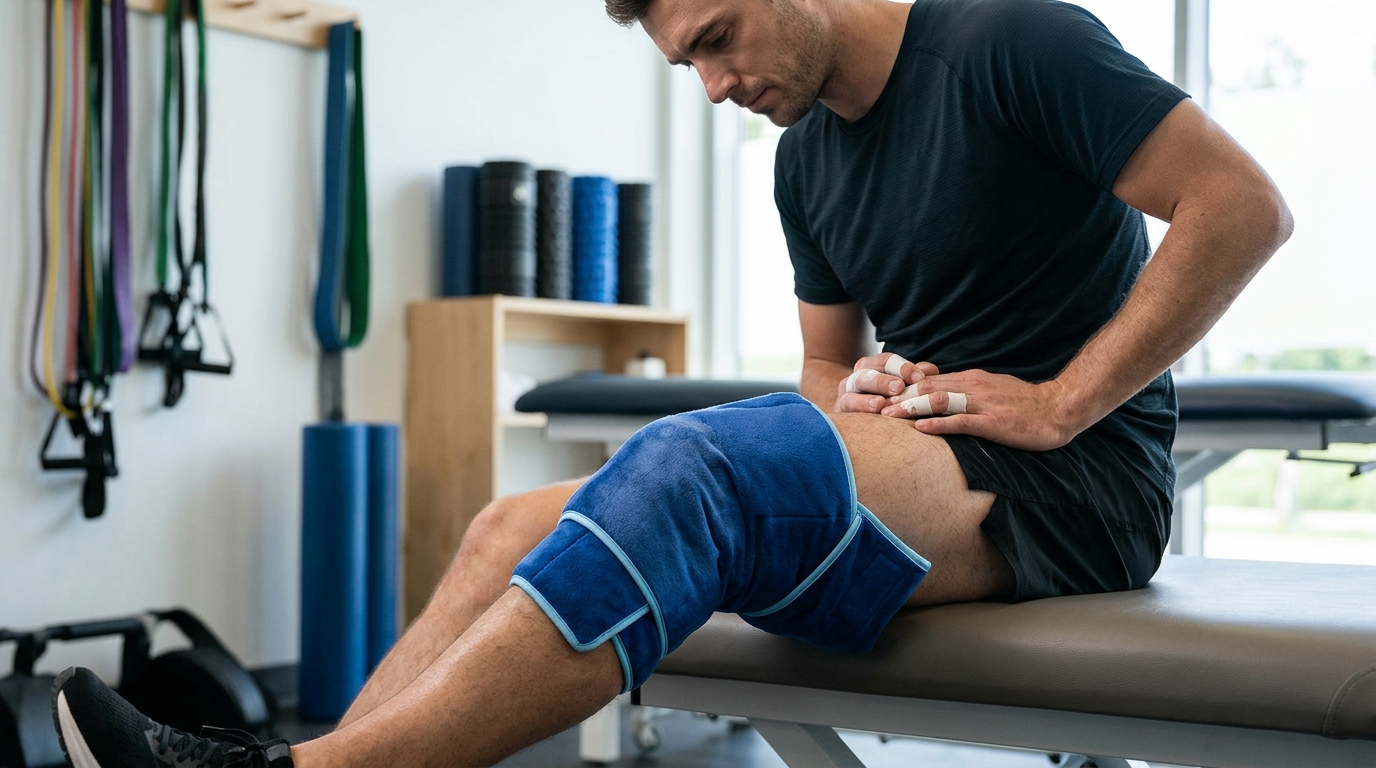
Compression therapy helps athletes recover faster from knee injuries by reducing swelling, improving venous return, and stabilizing the joint. By applying controlled pressure, it limits fluid accumulation in the tissues, which decreases pain and allows for earlier, safer movement. This approach is a critical component of modern sports medicine, enabling athletes to return to training with less downtime and a lower risk of re-injury. For additional details, review the How to contact Cool.
The Physiology of Compression
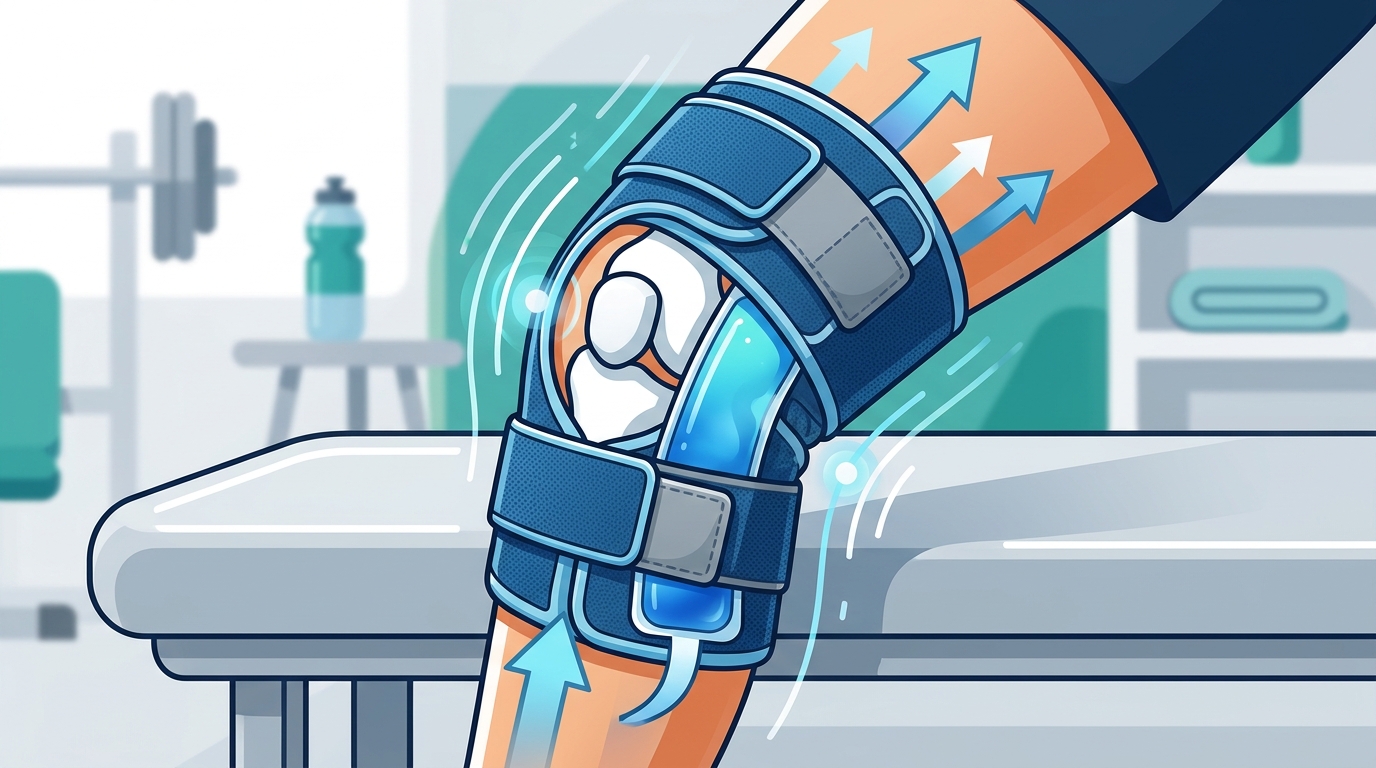
Compression therapy is the application of graduated pressure to a limb to influence blood flow and tissue mechanics. When a knee is injured, the body sends fluid to the area to initiate healing, which often results in painful swelling. Compression counteracts this by physically restricting the space available for fluid to accumulate. This mechanical action forces the excess fluid back into the lymphatic system, where it can be processed and removed from the joint. For additional details, review the Cool Relief Ice Packs.
Reducing Inflammatory Response
The immediate effect of compression is the mitigation of the inflammatory cascade. By limiting the expansion of the joint capsule, the pressure reduces the stretching of nerve endings, which directly lowers pain perception. This allows the athlete to perform basic range-of-motion exercises without the guarding behavior that often leads to muscle atrophy. The result is a more controlled healing environment where the body can repair tissues without the added stress of severe edema. For additional details, review the Cool Relief Ice Wraps.
Managing Edema for Faster Healing
Swelling is the primary barrier to knee recovery. When the joint is swollen, the range of motion is mechanically restricted, and the pain signals inhibit the surrounding muscles. Compression therapy addresses this by maintaining a consistent pressure gradient. This gradient helps to drain interstitial fluid away from the injury site. For athletes, this means that the knee can regain its natural flexibility sooner, which is essential for dynamic movements like running and jumping.
The Role of Venous Return
Stabilization and Proprioception
Compression wraps provide a sense of joint stability that is crucial for an athlete's confidence. After a knee injury, the proprioceptive system, which tells the brain where the limb is in space, is often compromised. The constant pressure from a compression wrap provides tactile feedback that helps the athlete re-establish this spatial awareness. This is particularly important for athletes who need to make rapid directional changes. The wrap acts as a physical reminder to keep the knee aligned, reducing the risk of secondary injuries during the early stages of rehabilitation.
Psychological Confidence
The psychological aspect of recovery cannot be overlooked. Athletes often fear re-injury, which leads to hesitation and poor performance. The secure fit of a compression wrap provides a psychological anchor. Knowing that the knee is supported allows the athlete to push through the discomfort of early rehabilitation with greater confidence. This mental shift is often the difference between a slow, cautious return to sport and a dynamic, confident one.
Practical Application for Athletes
Choosing the Right Wrap
Not all compression wraps are created equal. Athletes should look for products that combine compression with cold therapy, as the combination of ice and pressure is more effective than either alone. The wrap should be made from breathable, moisture-wicking materials to keep the skin healthy during long wear periods. For specific knee issues, such as patellar tendinitis or meniscus tears, targeted compression zones can provide additional relief to the affected areas.
Key Takeaways
- Compression therapy reduces swelling by limiting fluid accumulation in the joint.
- It improves venous return, enhancing the delivery of oxygen and nutrients to healing tissues.
- The pressure provides tactile feedback that aids in proprioception and joint stability.
- Using compression increases an athlete's confidence, reducing the fear of re-injury.
- Combining compression with cold therapy is more effective than using either method alone.
- Consistent use of adjustable wraps allows for personalized pressure levels based on swelling.
Frequently Asked Questions
How long should an athlete wear a compression wrap?
Athletes should typically wear a compression wrap for 20 to 30 minutes at a time. It is recommended to use the wrap several times a day, especially after activity or when swelling is present. Always remove the wrap if you experience numbness, tingling, or increased pain.
Can compression therapy be used for chronic knee pain?
Yes, compression therapy is effective for chronic knee pain. It helps to support the joint and reduce the strain on surrounding muscles and ligaments. For chronic conditions, the wrap can be worn during activity to provide continuous support and stability.
Does compression replace physical therapy?
No, compression therapy is a complementary treatment, not a replacement for physical therapy. It helps manage symptoms and supports the healing process, but physical therapy is essential for restoring strength, flexibility, and function. Always follow the guidance of your healthcare provider.
What is the best time to apply compression?
The best time to apply compression is immediately after an injury or after physical activity. This is when swelling is most likely to occur. Applying the wrap during these times helps to prevent fluid buildup and keeps the knee stable.
Can I sleep with a compression wrap on?
It is generally not recommended to sleep with a compression wrap on. The pressure can restrict blood flow while you are lying down, which may lead to discomfort or circulation issues. Remove the wrap before going to sleep and apply it again in the morning if needed.
Conclusion
Compression therapy is a vital tool in the athlete's recovery arsenal. By managing swelling, improving circulation, and providing joint stability, it creates the optimal conditions for the knee to heal. For athletes looking to return to the field faster, integrating high-quality compression wraps into their rehabilitation routine is essential. Cool Relief knee ice wraps offer the perfect combination of cold therapy and compression, designed to help you recover with confidence and comfort.