
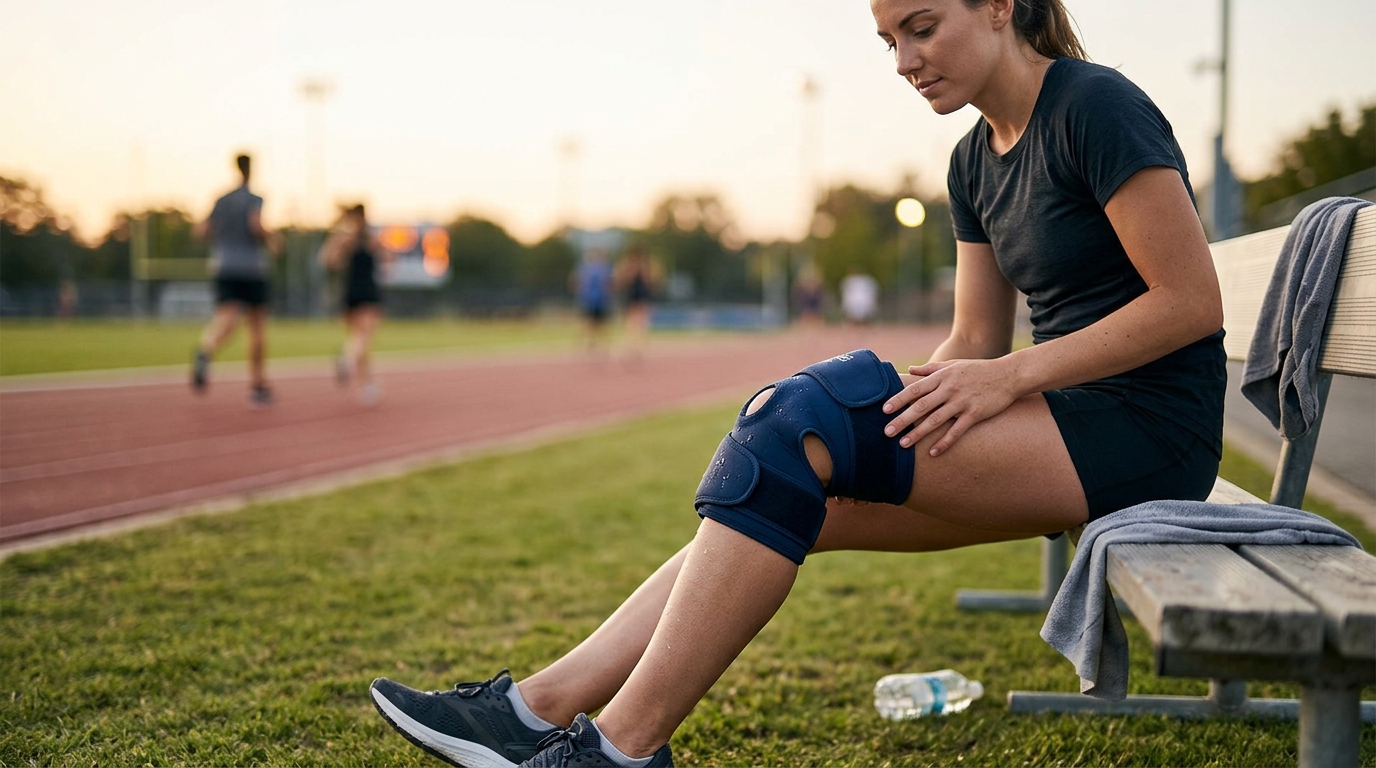
Knee injuries are among the most common setbacks athletes face, whether from a hard training session, a weekend game, or post-surgery rehab. Cold therapy, also known as cryotherapy, is a time-tested method for managing pain, controlling swelling, and accelerating recovery. But not all ice packs are created equal. A quality knee ice wrap combines targeted cold therapy with compression, flexibility, and comfort to keep athletes moving toward their goals. This guide breaks down what makes the best knee ice wraps for athletes, how cold therapy works, and what features to look for before you buy.
Why Cold Therapy Matters for Athletes
Cold therapy is the application of cold temperatures to an injured or overworked area of the body to reduce inflammation, numb pain, and promote healing. Athletes from runners to basketball players rely on it as a frontline recovery tool.
A review published in the World Journal of Methodology confirms that cold therapy is used to diminish inflammatory reactions, reduce edema, and decrease tissue metabolism. A systematic review in the British Journal of Sports Medicine found that regular cryotherapy led to improved recovery outcomes in numerous athletes.
For knee injuries specifically, cold therapy numbs the nerves around the joint, improves comfort, and supports better sleep and mobility during early-stage recovery. This makes a reliable knee ice wrap an essential item in any athlete's recovery kit.
How Knee Ice Wraps Work
A knee ice wrap is a wearable cold therapy device that combines a reusable gel ice pack with an adjustable compression sleeve designed to conform to the knee joint. Unlike loose bags of ice, these wraps deliver consistent, hands-free cooling with even pressure.
Compression Plus Cold
Combining cold therapy with compression is more effective than cold alone. Research cited in the Journal of Knee Surgery (2012) documented improved short-term pain relief, faster recovery of range of motion, and significantly decreased swelling when cold and compression were used together. Compression forces swelling away from the injured area and directs fluid toward the body's core.
Flexibility and Contouring
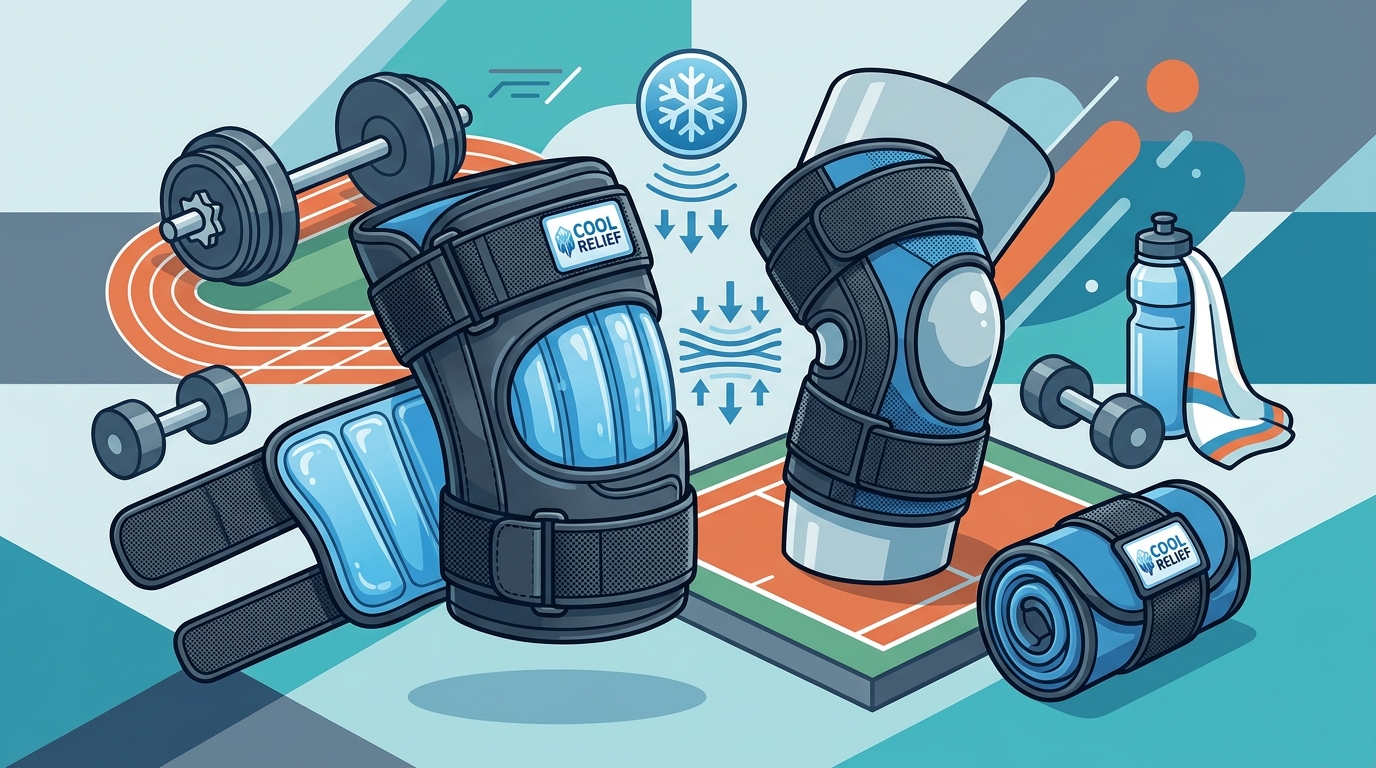
The knee is a complex, contoured joint. Rigid ice packs fail to make full contact, leaving gaps in coverage. The best wraps use soft gel technology that stays flexible even when frozen, molding around the kneecap, tendons, and ligaments for thorough 360-degree therapy.
Key Features to Look for in a Knee Ice Wrap
Not every knee ice wrap performs the same. Here are the features that separate a great wrap from a mediocre one:
- Gel flexibility when frozen: The gel pack should remain soft and pliable after freezing so it conforms to your knee.
- Extended cold duration: Look for wraps that stay cold for at least 45 to 60 minutes per session.
- Adjustable compression straps: Wide elastic straps provide even compression and a secure fit for different leg sizes.
- Skin-safe barrier: A breathable cloth layer between the gel and skin prevents cryoburn while still transferring cold effectively.
- Reusable and washable: Durability matters for athletes who use ice wraps multiple times per week.
- Non-toxic materials: Gel packs should be latex-free and non-toxic for safe, repeated use.
Types of Knee Ice Wraps Compared
Athletes have several options when choosing a cold therapy solution for the knee. The table below compares the most common types.
| Type | Flexibility When Frozen | Cold Duration | Compression | Reusable | Best For |
|---|---|---|---|---|---|
| Bag of Ice / Frozen Peas | Low | 15-20 min | None | No | Emergency first aid |
| Basic Gel Pack (no wrap) | Medium | 20-30 min | None (handheld) | Yes | Light, general use |
| Soft Gel Compression Wrap | High | 45-60+ min | Adjustable straps | Yes | Athletes, post-surgery, chronic pain |
| Motorized Cold Therapy Unit | N/A | Continuous | Pneumatic | Yes | Major surgery rehab (high cost) |
For most athletes, a soft gel compression wrap hits the ideal balance of effectiveness, portability, and price. Motorized units are typically reserved for post-surgical protocols under medical supervision.
When and How Athletes Should Use Knee Ice Wraps
After Acute Injuries
An acute injury is one that occurred within the last 48 hours, typically from a fall, collision, or sudden twist. Orlando Health recommends applying ice therapy early and frequently during the first 48 hours after an acute injury for best results. Apply the wrap for 15 to 20 minutes at a time, with at least 45 minutes between sessions.
Post-Workout Recovery
Even without an injury, cold therapy after intense training helps reduce delayed-onset muscle soreness (DOMS) and keeps inflammation in check. Many professional and college-level athletes ice their knees routinely after practices and games.
Post-Surgery Rehabilitation
Cold compression therapy plays a critical role after procedures like ACL reconstruction or knee replacement. Studies have shown that patients using ice therapy post-surgery experienced up to 50% less pain, which resulted in lower opioid usage. Talk to your surgeon or physical therapist about integrating a knee ice wrap into your rehab plan.
Why Athletes Choose Cool Relief Knee Ice Wraps
Cool Relief produces professional-grade knee ice wraps trusted by hospitals, surgical centers, and athletes nationwide. Their wraps are designed with the specific demands of active recovery in mind.
The Cool Relief Large Soft Gel Knee Wrap provides 360-degree coverage and stays cold for a full hour longer than competing wraps. The gel stays soft and flexible even when frozen, so athletes can wear it comfortably during movement. Three-inch-wide elastic straps deliver broad compression for a secure, universal fit.
Cool Relief also offers a Standard Gel Knee Ice Wrap with an adjustable strap and built-in reusable gel pack, and a Universal Ice Wrap that works on the knee, elbow, thigh, and more. All products are latex-free, non-toxic, and backed by a 1-year replacement guarantee. Cool Relief ships from their centrally located Oklahoma City warehouse with free 2-day shipping on orders over $25.
Key Takeaways
- Cold therapy is a proven, research-backed method for reducing knee pain, swelling, and inflammation in athletes.
- A knee ice wrap is a wearable cold therapy device that pairs a reusable gel pack with adjustable compression for hands-free use.
- Combining cold with compression produces better outcomes than cold alone, including faster range-of-motion recovery.
- Look for wraps with flexible gel, extended cold duration (45-60+ minutes), adjustable straps, and skin-safe barriers.
- Apply ice wraps within 48 hours of an acute injury and routinely after intense training sessions.
- Cool Relief knee ice wraps stay flexible when frozen, last longer than competitors, and are trusted by hospitals nationwide.
- All Cool Relief gel packs are non-toxic, latex-free, reusable, and covered by a 1-year guarantee.
Frequently Asked Questions
How long should I ice my knee after a workout?
Apply your knee ice wrap for 15 to 20 minutes per session. Wait at least 45 minutes before reapplying. This cycle can be repeated several times in the hours following intense activity.
Can I use a knee ice wrap right after knee surgery?
Yes, cold compression therapy is commonly recommended after knee surgery, including ACL repair and knee replacement. Always follow your surgeon's specific instructions regarding timing and duration.
What makes a gel ice pack better than a bag of ice?
Gel ice packs stay cold longer, conform to the shape of your knee, and deliver more consistent cooling. They are also reusable and eliminate the mess of melting ice. Learn more in Cool Relief's guide on why gel ice packs outperform ice cubes.
Are Cool Relief knee wraps reusable?
Yes. All Cool Relief gel packs are reusable, washable, and built for long-term use. They come with a 1-year replacement guarantee.
Can I use a knee ice wrap for heat therapy too?
Many Cool Relief wraps feature dual-purpose gel inserts that can be warmed in the microwave for heat therapy. Check individual product instructions for microwave safety guidelines.
How do I prevent ice burn when using a knee wrap?
Choose a wrap with a built-in cloth barrier between the gel and your skin. Never apply a frozen gel pack directly to bare skin. Cool Relief wraps include breathable mesh fabric designed to prevent cryoburn. Read more in their cryoburn prevention guide.
What size knee ice wrap should I get?
Most Cool Relief knee wraps are universal-fit with wide elastic straps that adjust to a range of leg sizes. For full 360-degree coverage, the Large Soft Gel Knee Wrap is ideal for athletes who want maximum cold contact around the entire joint.
Do professional athletes use knee ice wraps?
Yes. Cold compression therapy is standard practice across professional and collegiate sports. Athletes in football, basketball, soccer, and track routinely use knee ice wraps for both injury management and preventive recovery.
Start Your Recovery Today
Whether you are recovering from a knee injury, managing chronic joint pain, or looking to speed up post-workout recovery, a quality knee ice wrap makes a measurable difference. Browse Cool Relief's full knee ice wrap collection and experience professional-grade cold therapy trusted by athletes and medical professionals nationwide.