
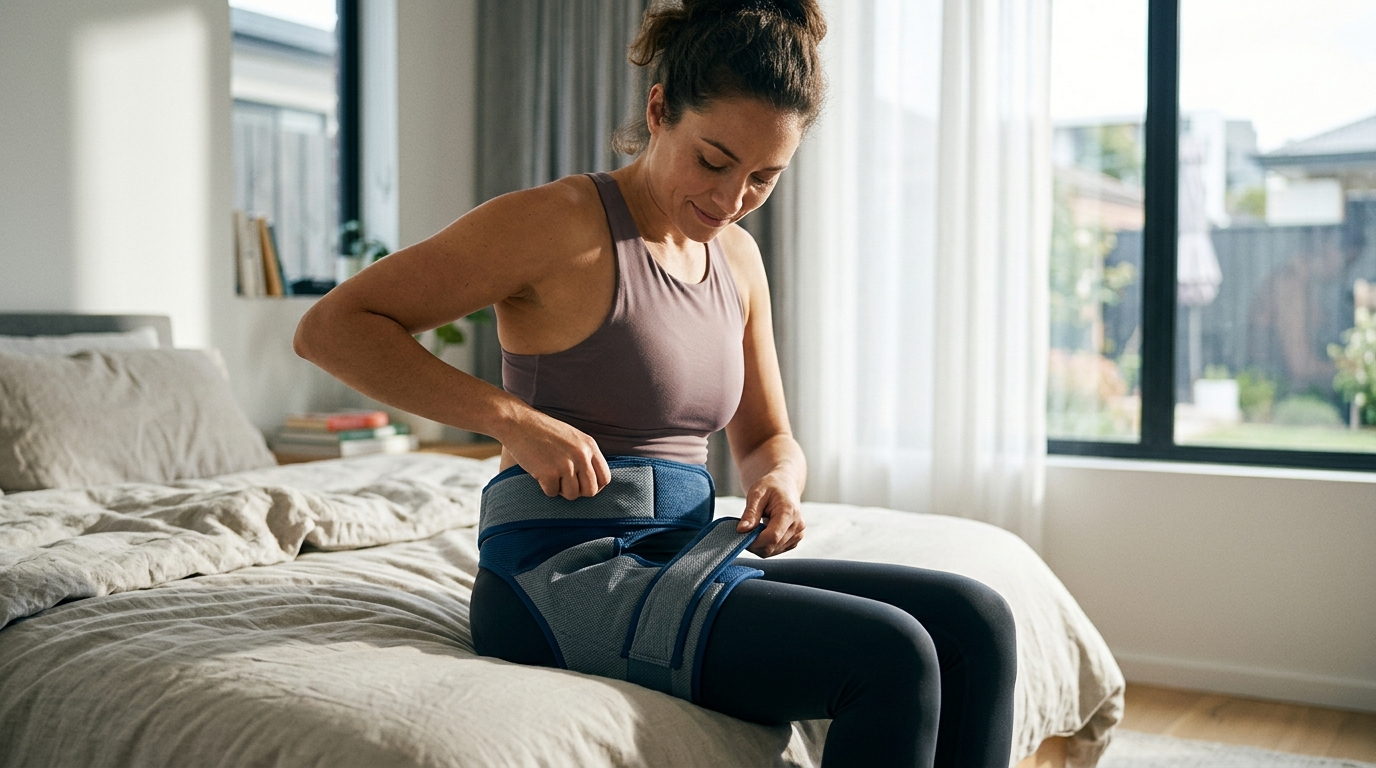
Proper sizing directly impacts therapeutic outcomes for joint recovery. Clinical data shows that correctly fitted compression garments improve circulation by approximately thirty percent compared to ill-fitting alternatives. This metric underscores why precise measurement matters before application. You must follow a systematic fitting protocol to maximize pain reduction and accelerate tissue recovery. The following guide details every adjustment step required for optimal hip wrap performance.
Understanding Hip Wrap Design
Modern therapeutic wraps utilize anatomical contouring to match human biomechanics. A hip ice wrap is a specialized cold therapy device engineered to conform to the pelvic girdle while maintaining consistent temperature distribution. The Cool Relief model features a flexible neoprene shell paired with a removable gel insert. This construction allows users to alternate between targeted cryotherapy and dry heat applications. The adjustable closure system ensures the device stays securely in place during daily movement. You can explore the full product lineup by visiting our collections page to compare available sizes and configurations.
Material Composition
High-grade thermoplastic elastomers provide the necessary flexibility for complex joint angles. Breathable fabric layers prevent moisture buildup during extended wear sessions. The internal lining remains hypoallergenic to minimize skin irritation for sensitive users. These material choices directly support long-term therapeutic compliance without causing secondary discomfort.
Measuring Hip Circumference
Accurate measurement forms the foundation of a successful fitting process. You must use a flexible cloth measuring tape to capture your natural hip width. Stand upright with your feet shoulder-width apart while keeping your posture neutral. Wrap the tape around the widest portion of your pelvic bone and buttocks. Record the measurement in inches or centimeters without pulling the tape tightly against your skin. Comparing your recorded number against the manufacturer sizing chart prevents dangerous compression errors. You can review detailed sizing guidelines on our pain relief guide to verify your exact dimensions.
Sizing Chart Interpretation
Manufacturers typically categorize hip wraps into small, medium, large, and extra-large tiers. Each tier corresponds to a specific circumference range that guarantees optimal strap tension. Selecting a size that falls between two categories requires prioritizing comfort over maximum compression. A slightly larger wrap distributes pressure more evenly across the sacroiliac joint. Always verify the return policy before purchasing to ensure exchange flexibility if the initial measurement proves inaccurate.
Adjusting Strap Compression
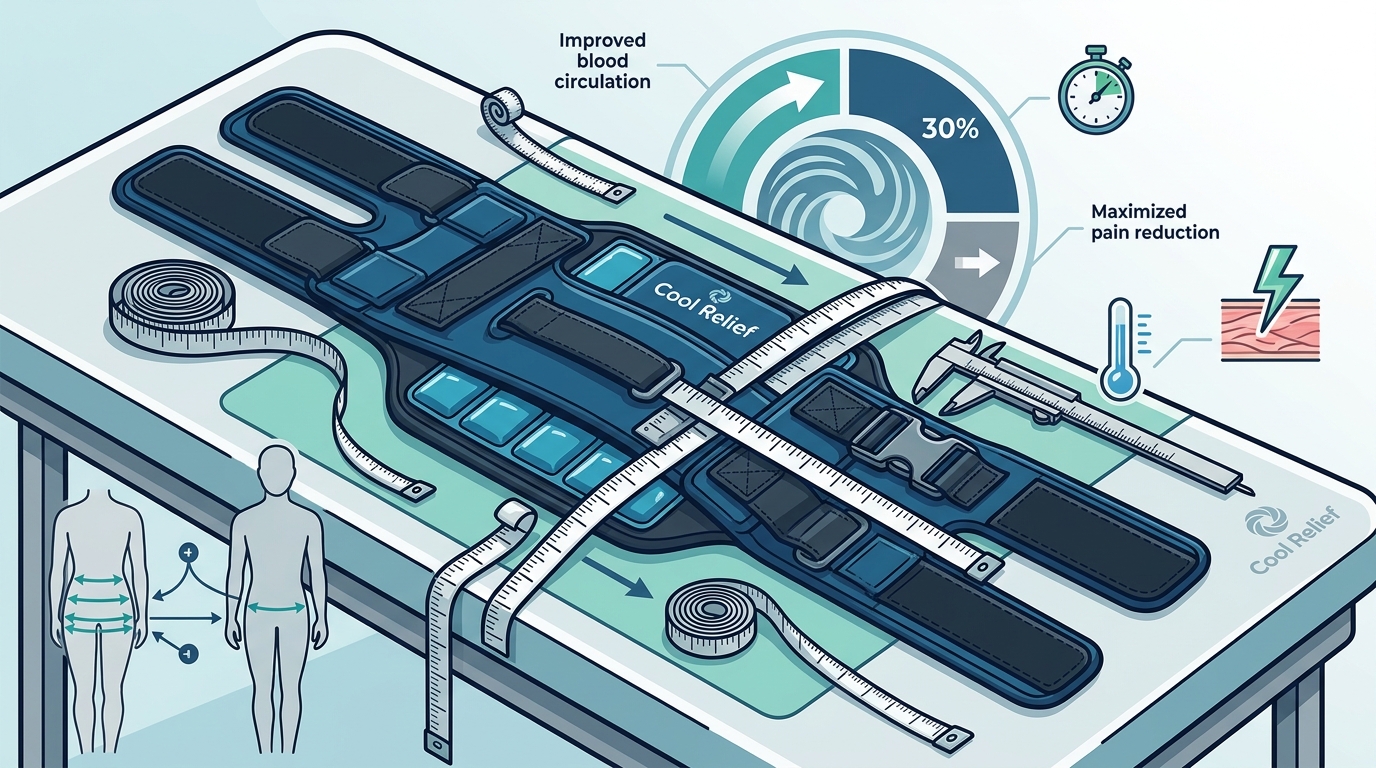
Proper strap tension prevents the device from sliding during therapeutic sessions. You must secure the primary closure mechanism before applying the secondary reinforcement straps. Pull the adhesive or hook-and-loop fasteners firmly across the anterior pelvic region. The secondary straps should cross diagonally over the posterior hip muscles to lock the gel pack in place. Test the tension by attempting to slide two fingers between the wrap and your skin. This standard clearance ensures adequate blood flow while maintaining therapeutic cold transfer. You can purchase replacement closure components directly from our shopping cart to maintain long-term device functionality.
Dynamic Movement Testing
Static tension testing does not account for real-world biomechanical stress. You must perform controlled squats, lunges, and walking sequences while wearing the adjusted wrap. Observe whether the gel pack shifts toward the greater trochanter or lumbar spine during motion. Minor adjustments to strap angles often resolve these positional drift issues. Consistent tension distribution prevents localized pressure points that could compromise circulation.
Positioning the Gel Pack
Correct gel placement dictates the therapeutic effectiveness of your recovery protocol. A therapeutic gel pack is a temperature-regulated insert designed to transfer cold or heat energy directly to inflamed tissue. You must insert the pack so that it aligns perfectly with the lateral hip joint and surrounding musculature. Ensure the pack does not fold or bunch against the iliac crest. Secure the internal retention pockets to prevent lateral migration during extended wear. Proper alignment maximizes vasoconstriction benefits while minimizing unnecessary tissue exposure. You can learn more about pack maintenance and temperature cycling on our official homepage.
Temperature Cycling
Alternating between cold and heat applications requires precise pack management. You must store the gel insert in a standard freezer for at least two hours before initial use. Allow the pack to reach room temperature before storing it in a dedicated heat cabinet. This cycling process preserves the polymer matrix and prevents premature crystallization. Following manufacturer temperature guidelines extends the functional lifespan of your therapeutic equipment.
Troubleshooting Fit Issues
Common fitting errors typically stem from incorrect measurement or improper strap sequencing. You must verify that the wrap sits level across the pelvic girdle without tilting toward one side. If the device feels excessively tight, reassess your circumference measurement and consider upgrading to the next size tier. Persistent skin redness indicates compromised circulation and requires immediate strap loosening. Regularly inspect the closure mechanisms for wear and replace compromised components to maintain consistent compression. You can access comprehensive troubleshooting resources through our pain relief guide to resolve recurring adjustment challenges.
Skin Irritation Prevention
Extended wear sessions require careful skin preparation to avoid adverse reactions. You must apply a thin layer of barrier cream before securing the wrap to reduce friction. Ensure the internal lining remains completely dry before inserting the gel pack. Moisture accumulation accelerates bacterial growth and compromises adhesive performance. Following strict hygiene protocols preserves both device integrity and dermatological health.
Fit Comparison and Sizing Reference
| Size Category | Hip Circumference Range | Recommended User Profile | Strap Configuration |
|---|---|---|---|
| Small | 32 to 36 inches | Slender pelvic structure | Single anterior closure |
| Medium | 37 to 41 inches | Standard athletic build | Dual diagonal reinforcement |
| Large | 42 to 46 inches | Broad muscular development | Triple cross-hatch system |
| Extra Large | 47 to 52 inches | Heavyweight or post-surgical recovery | Extended overlap reinforcement |
Key Takeaways
- Accurate hip circumference measurement prevents dangerous compression errors and ensures optimal therapeutic outcomes.
- Proper strap sequencing requires securing the primary closure before applying secondary diagonal reinforcement.
- Two-finger clearance testing guarantees adequate blood flow while maintaining consistent cold transfer.
- Correct gel pack alignment targets the lateral hip joint and surrounding musculature for maximum vasoconstriction.
- Regular dynamic movement testing identifies positional drift before it compromises circulation.
- Temperature cycling preserves the polymer matrix and extends the functional lifespan of your therapeutic equipment.
- Strict hygiene protocols prevent moisture accumulation and maintain adhesive performance during extended wear sessions.
Frequently Asked Questions
How long should I wear the hip ice wrap during a single session?
You should limit initial therapy sessions to twenty minutes to prevent tissue damage. Gradually increase the duration to thirty minutes as your skin adapts to the cold exposure. Always place a thin cloth barrier between the gel pack and your skin to minimize frostbite risk.
Can I use the hip wrap immediately after surgery?
Post-operative application requires explicit clearance from your orthopedic surgeon. The wrap must not interfere with surgical incisions or drainage tubes. Your medical provider will specify the exact timing and compression limits for your specific procedure.
What is the recommended freezer temperature for optimal gel performance?
You must store the gel insert at zero degrees Fahrenheit or below to achieve maximum therapeutic cooling. Standard household freezers typically maintain this temperature consistently. Avoid placing the pack directly against freezer walls to prevent uneven crystallization.
How do I clean the neoprene shell without damaging the adhesive straps?
You should hand wash the shell using mild soap and lukewarm water. Never machine dry the device because high heat degrades the polymer matrix. Allow the wrap to air dry completely before storing the gel pack inside.
Is the hip wrap suitable for both left and right hip injuries?
The anatomical design features bilateral symmetry to accommodate either side of the pelvic girdle. You can reverse the strap configuration to match your specific injury location. The gel pack remains securely positioned regardless of the directional adjustment.
What materials are used to construct the therapeutic gel insert?
A therapeutic gel insert is a temperature-regulated polymer blend designed to retain cold or heat energy for extended periods. The formulation remains non-toxic and environmentally safe for standard disposal. The material resists leakage and maintains consistent viscosity across extreme temperature fluctuations.
Final Recommendations and Next Steps
Mastering the fitting process guarantees maximum therapeutic benefit from your recovery equipment. You must follow the measurement, adjustment, and positioning protocols outlined in this guide to achieve consistent results. Regular maintenance and proper storage extend the functional lifespan of your therapeutic investment. Visit our official homepage to explore additional recovery solutions and schedule your next therapeutic session today.