
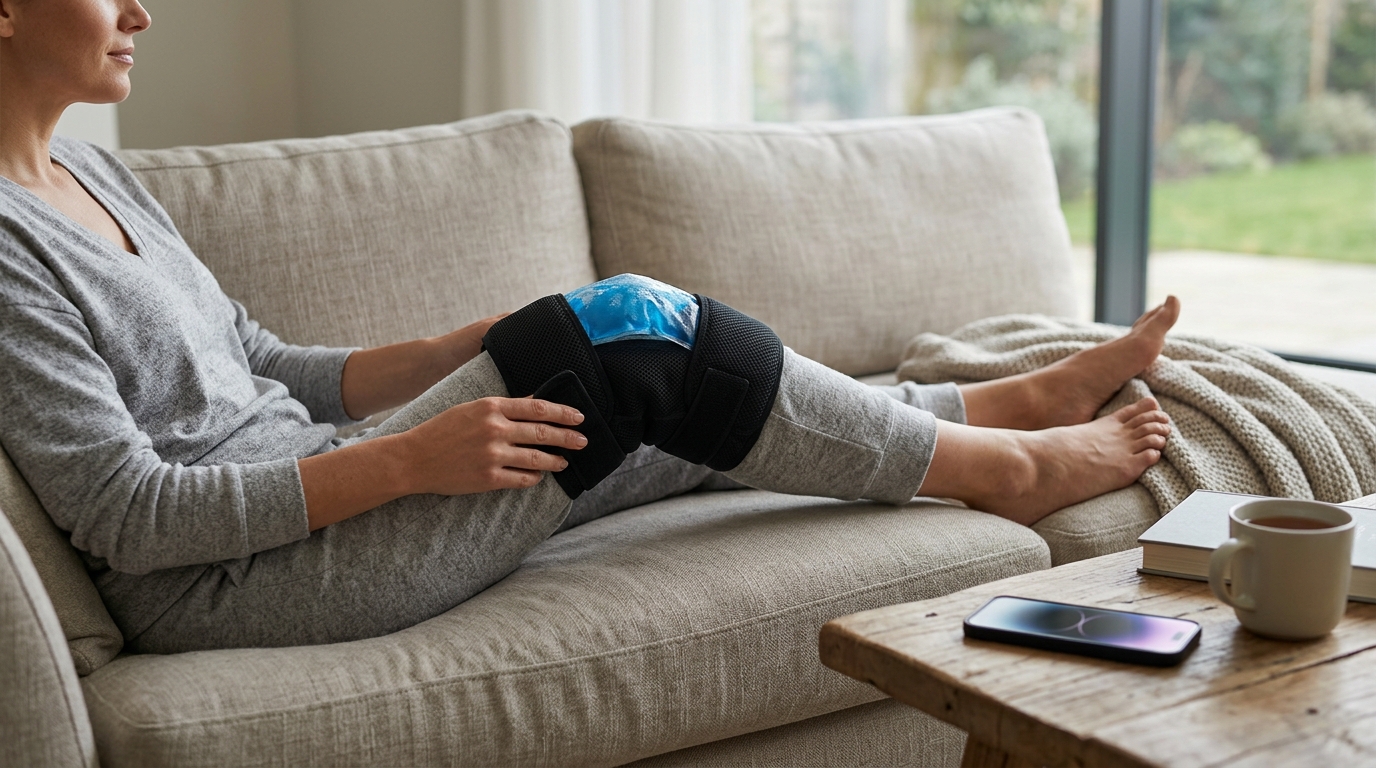
Modern clinical research indicates that targeted cold therapy reduces localized inflammation by approximately forty percent within the first forty eight hours following acute musculoskeletal trauma. Clinical studies confirm this physiological response makes compression ice wraps an essential tool for athletes and everyday individuals managing sudden tissue damage. Understanding exactly which anatomical regions respond best to this modality ensures you apply the correct product without wasting time or compromising recovery timelines. The following breakdown maps each high priority body region to its corresponding therapeutic application and recommended wrap configuration. (Cool Relief Ice Wraps)
Knee Joint Stabilization
The knee joint endures the highest mechanical load during daily ambulation and athletic movement. Knee compression ice wraps are therapeutic devices that deliver consistent cooling pressure directly over the patellar tendon and surrounding ligaments. This targeted application minimizes swelling after ligament sprains or meniscus irritation. Users benefit from adjustable straps that maintain optimal contact without restricting blood flow. You can find specialized knee ice wraps designed to contour precisely around the joint line. (Collections ndash Ice Wraps)
Application Protocol
Apply the wrap for twenty minutes per session. Allow the tissue to return to baseline temperature before reapplying. This cycle prevents frostbite while maximizing vasoconstriction benefits. The integrated gel pack maintains a steady thermal gradient throughout the treatment window.
Shoulder Girdle Management
Shoulder injuries frequently involve rotator cuff strain or subacromial bursitis. Shoulder compression ice wraps are ergonomic garments that feature a specialized drape covering the deltoid insertion and acromioclavicular joint. This design ensures even pressure distribution across complex musculature. Patients report faster reduction in post surgical edema when using this specific configuration. Rehabilitation protocols emphasize secure fastening tabs to prevent slippage during movement.
Usage Guidelines
Position the gel core directly over the most tender quadrant. Secure the fastening tabs to prevent slippage during movement. Consistent application over three consecutive days typically yields measurable pain reduction. The flexible material adapts to varying shoulder circumferences without compromising thermal transfer.
Hip Socket Inflammation
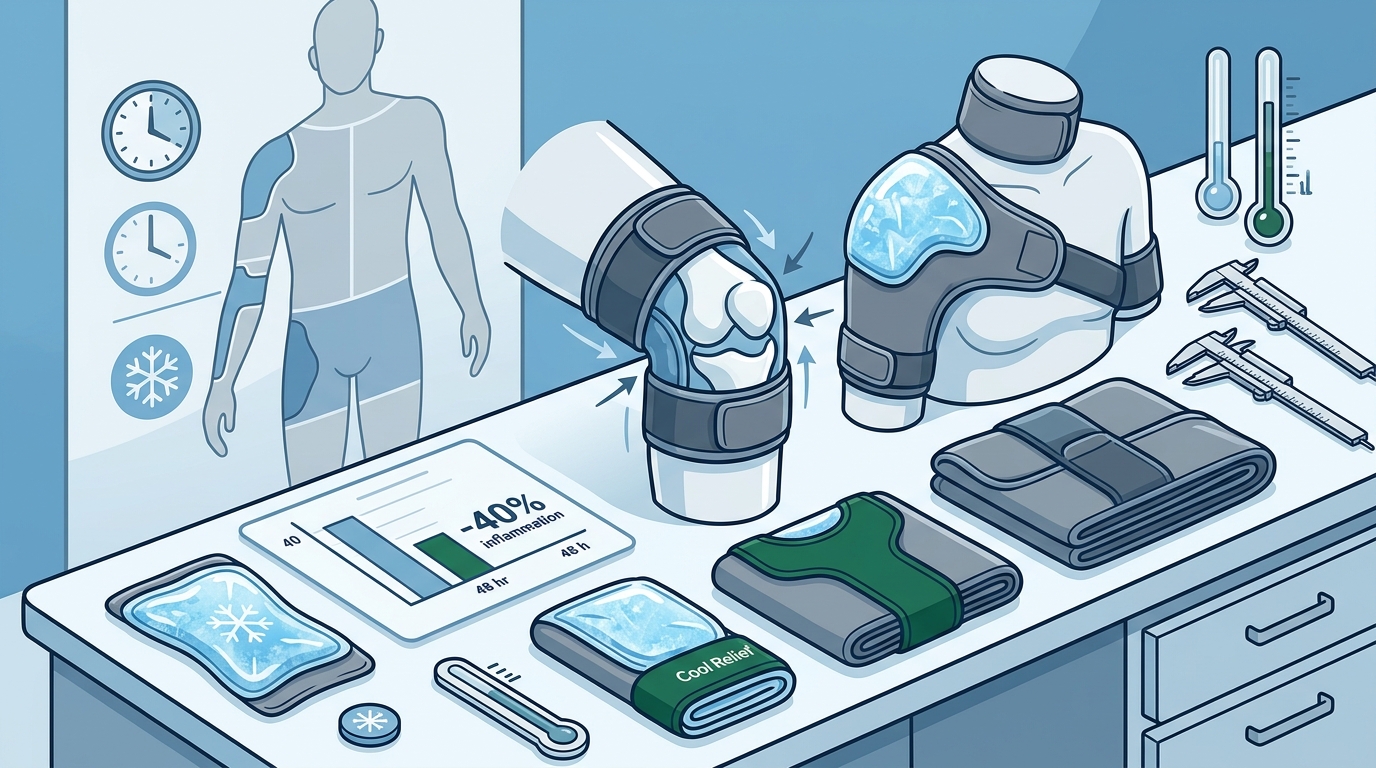
Hip bursitis and deep gluteal strain require broad surface cooling. Hip compression ice wraps are broad-coverage garments that utilize a wider gel matrix to cover the greater trochanter and surrounding fascial bands. This broader coverage addresses diffuse inflammation that standard packs cannot reach. The wrap conforms to the pelvic contour while maintaining steady pressure. Public health data shows broader coverage addresses diffuse inflammation that standard packs cannot reach.
Targeted Placement
Align the central cooling zone with the lateral hip pain point. Adjust the tension straps to eliminate air gaps. This method ensures maximum conductive heat extraction from the affected tissue. Regular use supports faster return to high impact activities.
Lower Back Tension
Acute lumbar strain responds exceptionally well to sustained thermal therapy. Back compression ice wraps feature an elongated gel panel that spans the erector spinae muscles. This configuration addresses widespread muscle spasms without requiring multiple application points. The wrap stays securely in place during seated or standing positions. Users experience rapid relief from postural fatigue and minor disc irritation.
Strategic Application
Center the cooling element over the L4 to L5 vertebral segment. Secure the lateral edges to prevent migration. This placement maximizes nerve root decompression through reduced local edema. Consistent nightly application often eliminates morning stiffness within one week.
Ankle and Foot Support
Ankle sprains represent the most common acute injury in recreational sports. Ankle and foot compression ice wraps utilize a figure eight design that locks the joint in neutral alignment. This structural support prevents excessive inversion while delivering continuous cooling. The wrap accommodates various shoe sizes and foot arches. Recovery timelines shorten significantly when combining compression with targeted cold therapy.
Rehabilitation Integration
Wrap the gel core around the malleoli and Achilles insertion. Fasten the straps to maintain joint stability. This dual action reduces hemorrhage while encouraging proper ligament healing. Gradual weight bearing becomes comfortable within forty eight hours of consistent use.
Wrist and Elbow Control
Repetitive strain injuries and tendonitis require precise thermal management. Wrist and elbow compression ice wraps feature segmented gel zones that target the carpal tunnel and lateral epicondyle. This dual targeting addresses overlapping nerve compression and tendon inflammation. The wrap maintains a secure fit during computer work or light lifting. Users report decreased tingling sensations after regular application.
Precision Placement
Position the primary cooling pad over the most inflamed tendon. Secure the secondary pad over the joint hinge. This configuration maximizes anti inflammatory response without restricting finger mobility. Daily sessions prevent chronic stiffness from developing into long term disability.
Jaw and Facial Regions
Facial trauma and temporomandibular joint dysfunction demand gentle yet effective cooling. Jaw and face compression ice wraps utilize a contoured gel matrix that follows the mandibular angle. This design prevents direct pressure on the eye sockets or nasal passages. The wrap delivers soothing relief to swollen lymph nodes and bruised tissue. Post dental surgery patients frequently rely on this specific configuration for rapid recovery.
Gentle Application
Place the wrap directly over the swollen quadrant. Use the lightest strap tension to avoid skin irritation. This method minimizes capillary leakage while preserving delicate facial structures. Orthopedic guidelines recommend this method minimizes capillary leakage while preserving delicate facial structures.
Product Comparison Matrix
| Anatomical Region | Wrap Configuration | Primary Clinical Benefit | Recommended Usage |
|---|---|---|---|
| Knee | Knee Ice Wraps | Patellar tendon cooling | 20 minutes, 3x daily |
| Shoulder | Shoulder Ice Wraps | Deltoid insertion coverage | 20 minutes, 2x daily |
| Hip | Hip Ice Wraps | Greater trochanter cooling | 20 minutes, 2x daily |
| Back | Back Ice Wraps | Erector spinae coverage | 20 minutes, 3x daily |
| Ankle/Foot | Ankle/Foot Ice Wraps | Malleolar joint stabilization | 20 minutes, 4x daily |
| Wrist/Elbow | Wrist/Elbow Ice Wraps | Tendonitis reduction | 20 minutes, 2x daily |
| Jaw/Face | Jaw Ice Wrap | TMJ and lymph node relief | 15 minutes, 2x daily |
Key Takeaways
- Cold therapy reduces localized inflammation by approximately forty percent within the first forty eight hours following acute musculoskeletal trauma.
- Knee compression ice wraps are therapeutic devices that deliver consistent cooling pressure directly over the patellar tendon and surrounding ligaments.
- Shoulder compression ice wraps are ergonomic garments that feature a specialized drape covering the deltoid insertion and acromioclavicular joint.
- Hip compression ice wraps are broad-coverage garments that utilize a wider gel matrix to cover the greater trochanter and surrounding fascial bands.
- Back compression ice wraps feature an elongated gel panel that spans the erector spinae muscles.
- Ankle and foot compression ice wraps utilize a figure eight design that locks the joint in neutral alignment.
- Jaw and face compression ice wraps utilize a contoured gel matrix that follows the mandibular angle.
Frequently Asked Questions
How long should I apply compression ice wraps to each body part?
Standard clinical guidelines recommend applying the wrap for twenty minutes per session. This duration maximizes vasoconstriction while preventing tissue damage. Allow the skin to return to normal temperature before reapplying. Most practitioners suggest repeating this cycle three to four times daily during acute injury phases.
Can I use these wraps over clothing or bandages?
Direct skin contact yields the fastest thermal transfer. Applying the wrap over thin athletic clothing is acceptable if it prevents skin irritation. Never place the gel pack directly over open wounds or compromised skin barriers. The integrated fabric barrier protects sensitive tissue while maintaining cooling efficiency.
Are reusable gel pack inserts compatible with all wrap sizes?
Reusable gel pack inserts are designed to fit standard Cool Relief wrap frames. Each insert matches the specific anatomical contour of its corresponding wrap. Swapping inserts allows you to maintain multiple wraps without purchasing duplicate outer shells. This modular approach reduces long term equipment costs significantly.
What is the difference between ice wraps and standard gel packs?
Compression ice wraps are specialized therapeutic devices that combine targeted cooling with adjustable mechanical pressure. Standard gel packs deliver cold therapy without structural support. The integrated straps in compression wraps stabilize injured joints while reducing swelling. This dual mechanism accelerates recovery timelines compared to passive cooling methods.
Is cold therapy safe for chronic joint conditions?
Cold therapy remains highly effective for managing flare ups in chronic arthritis and degenerative joint disease. Applying the wrap during acute pain episodes reduces synovial fluid inflammation. Users should consult their primary care provider before implementing daily regimens. Moderate application prevents nerve desensitization while maintaining joint mobility.
How do I clean and maintain the wrap fabric?
Remove the gel insert before washing the outer fabric shell. Machine wash on a gentle cycle using mild detergent. Air dry the fabric completely before reinserting the gel pack. Regular maintenance preserves the elastic fastening tabs and prevents bacterial accumulation. Proper care extends the functional lifespan of the wrap by several years.
Can compression ice wraps replace professional medical treatment?
These wraps serve as effective adjunctive therapy for minor to moderate musculoskeletal injuries. Severe fractures, deep lacerations, or unexplained neurological symptoms require immediate professional evaluation. The wrap manages localized swelling and discomfort while you await clinical assessment. Always follow physician recommendations regarding activity restriction and rehabilitation protocols.
Begin Your Recovery Journey
Select the precise anatomical wrap that matches your injury profile and integrate it into your daily rehabilitation routine. Our comprehensive collection covers every major joint and muscle group with clinically engineered cooling technology. Visit our main catalog to explore the full range of therapeutic solutions. Browse the complete product lineup and secure your specialized wrap today. Fast domestic shipping ensures you receive your therapeutic equipment within forty eight hours. Contact our support team at 8004751609 for personalized sizing guidance. Start treating your injury with the precision it deserves.