

Chronic and acute pain affects millions of people globally, often limiting mobility and reducing quality of life. According to the Centers for Disease Control and Prevention, a significant portion of the adult population reports persistent pain that interferes with daily activities. Cold therapy, specifically through the use of compression ice wraps, offers a non-invasive method to manage inflammation and numb nerve endings. This guide details the most effective body parts for applying these therapeutic devices and how to maximize their benefits.
Knee Applications and Ligament Support
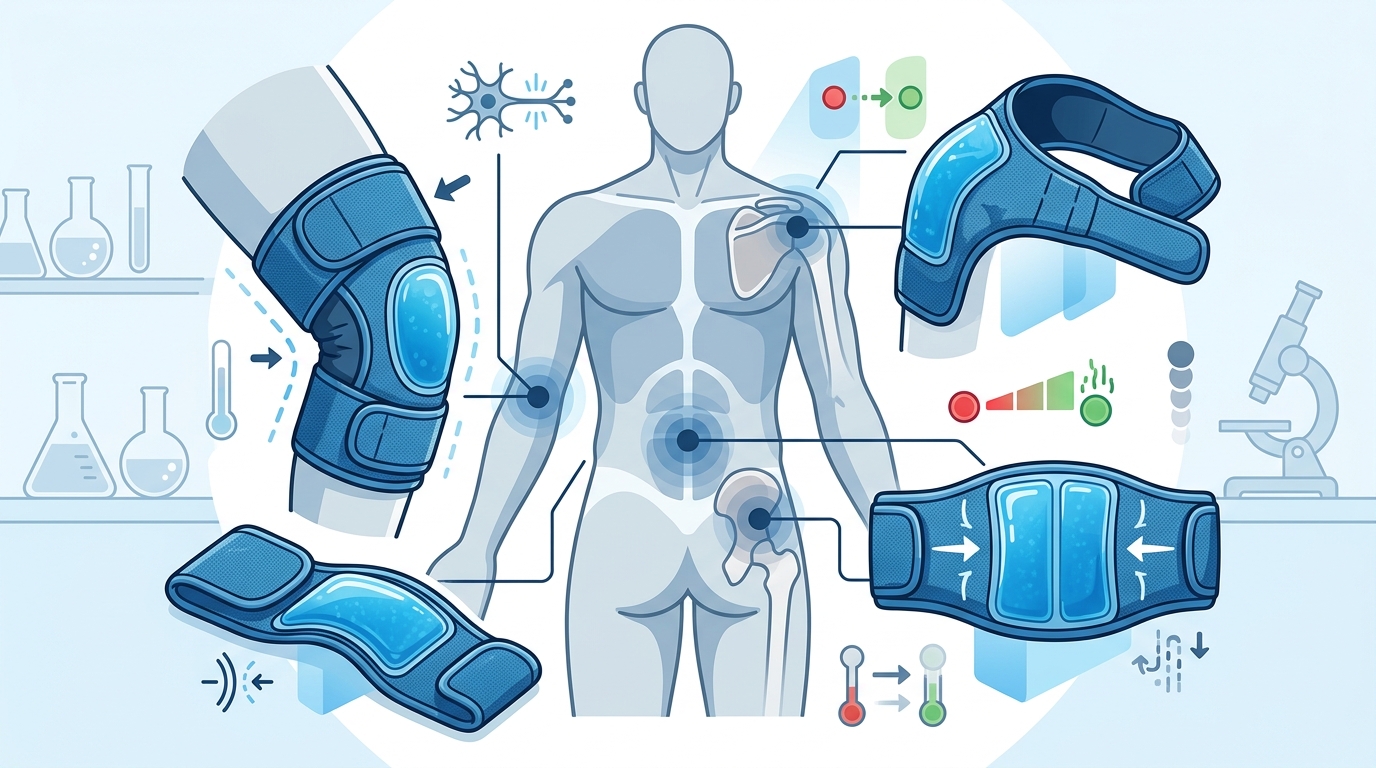
The knee is perhaps the most common site for applying compression ice wraps. This joint bears significant weight and is highly susceptible to injuries such as sprains, strains, and ligament tears. Using a specialized knee ice wrap ensures that the cold gel pack conforms to the complex anatomy of the joint.
Compression is critical here because it helps control swelling while the cold reduces pain signals. The CoolRelief knee wraps are designed to stay in place during movement, allowing users to apply therapy without constant adjustment. This is particularly useful for athletes recovering from meniscus tears or individuals managing osteoarthritis flare-ups.
When treating knee pain, it is important to alternate between ice and heat therapy. Ice is best for acute injuries or post-activity inflammation, while heat helps loosen stiff joints. For detailed protocols, you can explore our pain relief guide for specific timing recommendations.
Shoulder Recovery and Rotator Cuff Care
Shoulder injuries are notoriously difficult to treat due to the joint's wide range of motion. A shoulder ice wrap provides targeted compression to the deltoid and rotator cuff muscles. This area is prone to impingement syndrome and tendonitis, conditions that cause sharp pain and limited mobility.
The gel packs in these wraps are formulated to maintain a consistent temperature for extended periods. This longevity is essential for the shoulder, where reaching the affected tissue can be challenging. By applying cold therapy directly to the site, users can reduce the inflammatory response that often leads to chronic stiffness.
Research indicates that cryotherapy can significantly reduce pain perception in soft tissue injuries. For more information on the physiological benefits of cold therapy, refer to studies published by the National Center for Biotechnology Information.
Hip and Lower Back Relief
Pain in the hip and lower back regions often stems from muscle strain or sciatica. The hip ice wrap is designed to contour around the pelvic region, delivering cold therapy to the gluteal muscles and hip flexors. This is particularly effective for runners and weightlifters who experience overuse injuries.
For lower back pain, a back ice wrap offers a broader surface area for treatment. The compression feature helps to stabilize the area, providing a sense of support while reducing swelling. This dual action is crucial for managing acute back spasms that can result from sudden movements or heavy lifting.
According to the American Academy of Orthopaedic Surgeons, ice therapy is a first-line treatment for acute musculoskeletal injuries. They recommend applying ice for 15 to 20 minutes at a time to avoid tissue damage. You can read more about their guidelines on the AAOS website.
Ankle and Foot Injury Management
Ankle sprains are among the most common sports injuries worldwide. The ankle and foot ice wrap is engineered to fit snugly around the foot and ankle, ensuring that the gel pack covers the lateral and medial malleoli. This precise coverage helps to reduce the rapid swelling that often accompanies ligament tears.
Compression is vital in the early stages of an ankle injury to prevent excessive fluid accumulation. The CoolRelief ankle wraps provide this compression without cutting off circulation, a common issue with traditional elastic bandages. Users can keep the wrap on for longer periods, enhancing the therapeutic effect.
For those dealing with plantar fasciitis, cold therapy can also provide relief. While heat is often used for chronic plantar fasciitis, ice is more effective for acute inflammation. Combining ice therapy with proper footwear and stretching can lead to significant improvements in foot health.
Wrist and Elbow Strain Reduction
Repetitive strain injuries, such as tennis elbow or carpal tunnel syndrome, benefit greatly from targeted cold therapy. The wrist and elbow ice wrap is compact and flexible, allowing it to conform to the smaller joints of the upper extremity.
Compression helps to limit the spread of inflammation in these tight anatomical spaces. By reducing swelling, the wrap can alleviate pressure on nerves, which is particularly important for carpal tunnel sufferers. This can lead to a reduction in tingling and numbness sensations.
Occupational health guidelines often recommend ergonomic interventions alongside physical therapy. For insights on workplace ergonomics and injury prevention, the Occupational Safety and Health Administration provides comprehensive resources.
Face and Neck Tension Release
While less common, ice wraps can also be used for facial and neck pain. The face and neck ice wrap is designed with a gentle contour to fit around the jaw and neck. This is useful for treating TMJ disorders or post-dental surgery swelling.
The cold temperature helps to numb the area, providing immediate relief from sharp pain. Compression ensures that the wrap stays in place, even when lying down. This is particularly helpful for individuals who experience nighttime grinding or clenching of the jaw.
For neck tension, a heat wrap might be more appropriate for chronic stiffness, but ice is better for acute inflammation. Understanding the difference between heat and cold therapy is key to effective pain management.
Product Comparison for Targeted Relief
Choosing the right ice wrap depends on the specific body part and the nature of the pain. The table below compares the key features of CoolRelief's primary product lines.
| Product Type | Best For | Key Feature | Link |
|---|---|---|---|
| Knee Ice Wrap | Ligament support, arthritis | Conforming gel pack | Shop Knee Wraps |
| Shoulder Ice Wrap | Rotator cuff, impingement | Extended cold retention | Shop Shoulder Wraps |
| Hip Ice Wrap | Gluteal strain, hip flexors | Pelvic contour fit | Shop Hip Wraps |
| Ankle/Foot Wrap | Sprains, plantar fasciitis | Snug compression fit | Shop Ankle Wraps |
| Back Ice Wrap | Lower back spasms, sciatica | Broad coverage area | Shop Back Wraps |
Key Takeaways
- Knee wraps are essential for ligament support and managing arthritis pain.
- Shoulder wraps provide targeted relief for rotator cuff injuries and impingement.
- Hip and back wraps offer broad coverage for lower body strain and spasms.
- Ankle and foot wraps are critical for controlling swelling in sprains.
- Wrist and elbow wraps help reduce inflammation from repetitive strain.
- Face and neck wraps are designed for TMJ and post-surgical care.
- CoolRelief products use reusable gel packs for long-term cost savings.
Frequently Asked Questions
How long should I keep an ice wrap on?
It is generally recommended to keep an ice wrap on for 15 to 20 minutes at a time. Leaving it on longer can cause tissue damage or nerve irritation. Always allow the skin to return to normal temperature between applications.
Can I use these wraps for both acute and chronic pain?
Ice wraps are primarily used for acute injuries and inflammation. For chronic pain, heat therapy is often more effective for loosening stiff muscles. However, some individuals find relief from chronic conditions by alternating between ice and heat.
Are CoolRelief ice wraps reusable?
Yes, all CoolRelief ice wraps feature reusable gel pack inserts. You can freeze them and use them repeatedly, making them a cost-effective solution for long-term pain management.
Do the wraps stay in place during movement?
Yes, the compression design of our wraps ensures they stay securely in place. This allows you to move around while receiving therapy, which is particularly useful for knee and shoulder wraps.
What is the difference between an ice wrap and a gel pack?
An ice wrap includes a compression sleeve that holds the gel pack in place and applies pressure. A standard gel pack is just the cold element and requires a separate bandage or towel to hold it against the body.
Can I use these wraps on sensitive skin?
CoolRelief wraps are designed with skin-friendly materials. However, it is always advisable to place a thin cloth barrier between the wrap and your skin if you have sensitive skin to prevent direct cold exposure.
How do I clean the ice wraps?
The outer fabric covers are typically machine washable. The gel packs should be wiped clean with a damp cloth. Always refer to the specific care instructions for each product to ensure longevity.
Get Started with CoolRelief
Effective pain relief starts with the right tools. Whether you are dealing with a knee injury, shoulder strain, or back pain, CoolRelief offers specialized compression ice wraps designed for your needs. Visit our shop to find the perfect wrap for your body part. For more information on our products, check out our pain relief guide or contact our support team at dgrunder@coolrelief.net.