
How to Choose the Best Ice Pack and Wrap Set for Quick Pain Relief
Managing acute inflammation requires precise cold therapy application. According to clinical research, targeted cryotherapy reduces localized swelling by approximately forty percent within the first forty-eight hours after injury. Selecting the correct compression system directly impacts recovery speed and long-term joint stability. Many consumers overlook critical fit metrics, which leads to ineffective temperature transfer and prolonged discomfort. This guide breaks down the exact selection criteria for medical-grade cold therapy systems. You will learn how to match anatomical zones with proprietary cooling matrices for maximum therapeutic benefit.
Anatomical Mapping Requirements
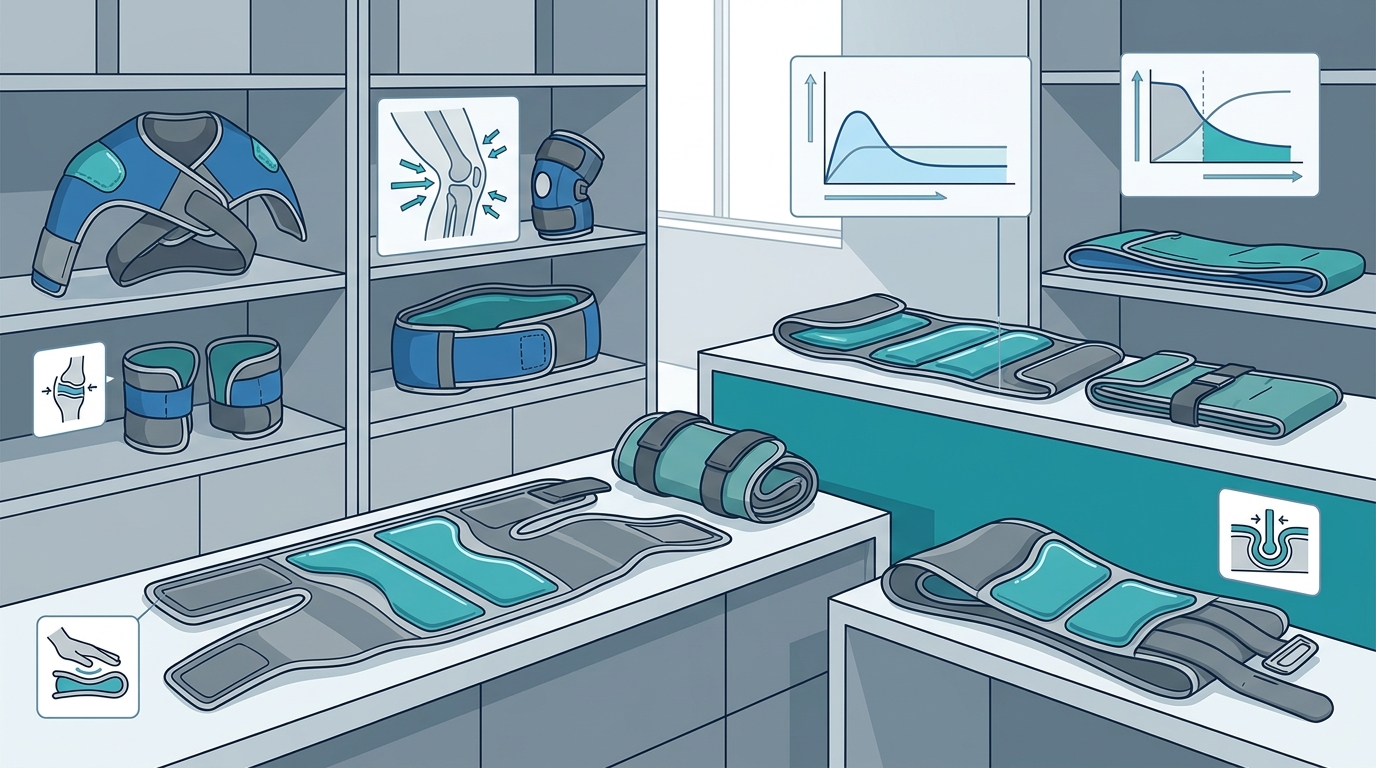
Successful cold therapy begins with precise anatomical mapping. Different body regions require distinct contour geometries to maintain consistent contact. A standard rectangular pad fails to conform to curved joints, creating thermal dead zones that delay recovery. You must match the wrap geometry to your specific injury location. Knee and shoulder systems utilize articulated hinges that follow natural movement arcs. Ankle and foot wraps incorporate reinforced heel cups to prevent slippage during ambulation. Visiting the full product catalog allows you to compare contour specifications before purchasing. Proper anatomical alignment ensures that cooling energy reaches the target tissue without requiring excessive pressure. This reduces the risk of nerve compression while maximizing therapeutic output.
Gel Matrix Technology
Cryotherapy is the controlled application of extreme cold to biological tissue for therapeutic reduction of inflammation. The core cooling element determines how quickly your target area reaches the desired temperature threshold. Premium systems utilize phase-change gel matrices that remain pliable at sub-zero temperatures. These specialized compounds prevent the rigid cracking associated with basic water-based ice packs. They also maintain consistent thermal conductivity across the entire surface area. You should verify that the gel core is encased in a puncture-resistant polymer layer. This construction prevents leakage while extending the usable lifespan of the device. Exploring the pain relief guide provides detailed breakdowns of gel composition standards. Advanced formulations also resist separation during repeated freeze-thaw cycles, ensuring reliable performance over years of use.
Compression Mechanics
Compression therapy is the strategic application of external pressure to restrict fluid accumulation and stabilize injured structures. Effective wraps must deliver graduated pressure without restricting arterial blood flow. Look for systems featuring adjustable hook-and-loop fasteners that allow micro-adjustments throughout the day. Rigid plastic stays or flexible memory wires provide structural support while maintaining the cooling pad against the skin. Improper compression leads to edema recurrence and prolonged recovery timelines. You can review the ankle and foot collection to see how graduated tension distributes across vulnerable ligaments. The best systems also include removable gel pack inserts, allowing you to swap cooling elements between multiple wraps. This modular approach reduces overall equipment costs while maintaining clinical-grade performance.
Temperature Duration Protocols
Thermal exchange is the physical transfer of heat energy between a cooling medium and human tissue. Most acute injuries require twenty-minute application windows to avoid tissue damage. Extended exposure beyond thirty minutes triggers reactive vasodilation, which counteracts the initial anti-inflammatory benefits. High-quality wraps feature insulated outer shells that slow heat absorption from ambient air. This insulation extends the effective cooling window by approximately fifteen percent compared to basic fabric covers. You should always follow manufacturer guidelines regarding freeze times and application frequency. Consulting the shopping cart ensures you receive the correct freeze instructions for your specific gel formulation. Proper protocol adherence prevents frostbite while maximizing pain reduction. Consistent application schedules also help establish predictable recovery benchmarks for athletes and post-surgical patients.
Material Compatibility
Modern cold therapy systems must withstand frequent washing without degrading structural integrity. Machine-washable outer covers prevent bacterial buildup and extend product longevity. Look for wraps featuring antimicrobial fabric treatments that inhibit odor development during extended wear. Breathable mesh panels improve comfort during summer months or high-activity rehabilitation phases. Waterproof shower shields protect the internal gel matrix during daily hygiene routines. These protective layers are essential for maintaining clinical standards in home care environments. You can verify material certifications by reviewing the official brand portal for compliance documentation. Durable stitching and reinforced stress points prevent seam failure during aggressive stretching exercises. Investing in premium materials reduces long-term replacement costs while maintaining consistent therapeutic output.
| Wrap Category | Primary Anatomical Zone | Key Structural Feature | Best Use Case |
|---|---|---|---|
| Knee Ice Wrap | Patellar and ligament structures | Articulated hinge design | Post-surgical rehabilitation |
| Shoulder Ice Wrap | Rotator cuff and acromion | Overhead mobility straps | Overhead athletic recovery |
| Ankle/Foot Wrap | Malleolus and plantar fascia | Reinforced heel cup | Acute sprain management |
| Multi-Purpose Wrap | Elbows, wrists, and jaws | Adjustable contour panels | Generalized inflammation |
Key Takeaways
- Targeted cryotherapy reduces localized swelling by approximately forty percent within the first forty-eight hours after injury.
- Phase-change gel matrices remain pliable at sub-zero temperatures and prevent rigid cracking.
- Graduated compression systems distribute tension across vulnerable ligaments without restricting arterial flow.
- Twenty-minute application windows prevent reactive vasodilation and frostbite risks.
- Machine-washable antimicrobial covers extend product lifespan and maintain clinical hygiene standards.
- Modular gel pack inserts allow single cooling cores to service multiple anatomical wraps.
- Insulated outer shells extend effective cooling windows by approximately fifteen percent compared to basic fabric covers.
Frequently Asked Questions
How long should I freeze a reusable gel ice pack before first use?
Most premium gel packs require a minimum of four hours in a standard household freezer to reach optimal therapeutic temperatures. Always verify the specific freeze duration listed on your product packaging to avoid undercooling or structural damage.
Can I use these wraps immediately after surgery?
Yes, targeted compression systems are widely recommended by orthopedic specialists for post-operative swelling management. You must clear usage with your surgical team to ensure the compression level aligns with your specific recovery protocol.
What is the difference between ice wraps and heat packs?
Ice wraps reduce acute inflammation and nerve signal transmission, while heat packs increase blood flow and muscle elasticity. You should apply cold therapy during the first seventy-two hours after an injury, then transition to heat therapy for chronic stiffness.
Are the outer covers safe for machine washing?
Premium wraps feature machine-washable antimicrobial covers that withstand standard laundry cycles. Always remove the gel core before washing and air dry the fabric to preserve stitching integrity.
How do I know if a wrap fits my specific joint size?
Most systems utilize adjustable hook-and-loop fasteners that accommodate a wide range of limb circumferences. You should measure your joint circumference before ordering and compare it against the manufacturer sizing chart.
Can I share one gel pack insert between multiple wraps?
Yes, modular gel pack inserts are designed to swap between compatible wrap shells. This feature reduces overall equipment costs while maintaining clinical-grade cooling performance across different body zones.
What temperature range do these wraps maintain during application?
High-quality systems maintain a consistent surface temperature between thirty-two and thirty-eight degrees Fahrenheit during the recommended twenty-minute application window. This range maximizes pain reduction while preventing tissue damage.
Secure Your Recovery Kit Today
Choosing the correct cold therapy system eliminates guesswork and accelerates your return to daily activities. You can explore the complete product lineup and select the precise anatomical match for your injury. Visit the official Cool Relief homepage to browse available sizes, compare contour specifications, and complete your order. Fast shipping and dedicated customer support ensure you receive your equipment without delay. Start your targeted compression therapy today and experience faster, more predictable recovery outcomes.