

Cold therapy is not just a home remedy; it is a clinically validated method for managing acute and chronic pain. According to the American Academy of Orthopaedic Surgeons, applying ice to an injured area can significantly reduce swelling and numb pain signals. This guide explains the physiological mechanics of cryotherapy and demonstrates how specialized products from Cool Relief optimize this process for faster recovery.
The Mechanism of Cryotherapy
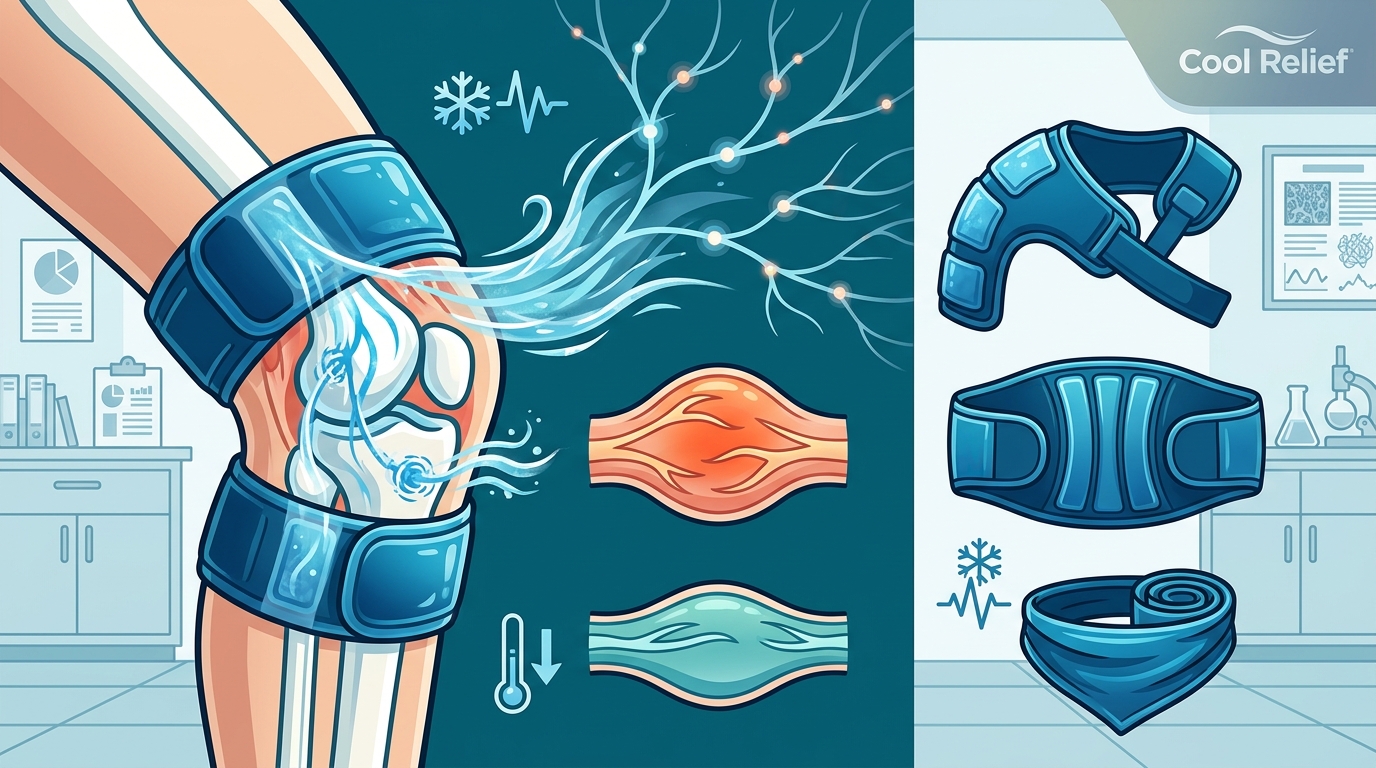
Cryotherapy works by inducing vasoconstriction, which is the narrowing of blood vessels in the targeted area. This physiological response reduces blood flow to the injured tissue, thereby limiting inflammation and swelling. The cold temperature also slows down nerve conduction velocity, effectively numbing the area and providing immediate pain relief.
Standard ice cubes often fail to maintain consistent contact with the body. They melt quickly, creating a wet mess that can damage skin or clothing. Furthermore, ice cubes do not conform to the complex curves of joints like the knee, shoulder, or ankle. This is where specialized gel packs become essential for effective treatment.
Thermal retention is critical for sustained pain relief. Gel packs retain cold temperatures longer than traditional ice, allowing for extended therapy sessions without the need for constant replacement. This consistency ensures that the therapeutic benefits of reduced inflammation are maintained throughout the recovery period.
Choosing the Right Ice Wrap
Selecting the appropriate cold therapy device depends on the specific injury location and the nature of the pain. Cool Relief offers a comprehensive range of products designed to address these varied needs. Understanding the differences between their offerings ensures you get the most effective relief for your condition.
For joint-specific injuries, such as a sprained ankle or a sore knee, targeted wraps are superior. These products feature contoured shapes that hug the anatomy, ensuring the gel pack stays in place during movement. In contrast, multi-purpose wraps offer flexibility for larger areas like the back or hip.
Knee and Shoulder Specifics
The knee and shoulder are among the most common sites for sports injuries and post-surgical swelling. The Knee Ice Pack Soft Gel is engineered with a flexible design that allows for full range of motion while maintaining cold contact. Similarly, the Shoulder Ice Wrap provides coverage for the deltoid and rotator cuff areas, which are difficult to treat with standard ice packs.
Back and Hip Relief
Lower back pain and hip inflammation often require broader coverage. The Soft Gel Hip Ice Pack is designed to wrap around the hip joint, providing deep cold penetration to the surrounding muscles. For back pain, larger gel packs can be positioned to cover the lumbar region, offering relief from muscle spasms and acute strain.
How to Apply Ice Therapy Correctly
Proper application is just as important as the product itself. Incorrect use of cold therapy can lead to skin damage or reduced efficacy. Follow these steps to maximize the benefits of your Cool Relief ice wraps.
- Prepare the Wrap: Place the gel pack in the freezer for at least four hours. Ensure it is fully frozen before use.
- Protect the Skin: Always place a thin towel or cloth barrier between the ice wrap and your skin. Direct contact with frozen gel can cause ice burns or frostbite.
- Secure the Wrap: Use the adjustable straps to secure the wrap comfortably. It should be snug enough to maintain contact but not so tight that it restricts blood flow.
- Monitor Time: Apply the ice for 15 to 20 minutes at a time. Remove the wrap and allow the skin to return to normal temperature before reapplying.
- Repeat as Needed: For acute injuries, repeat this process every two to three hours during the first 48 hours.
Consistency is key. Regular application helps manage pain levels and prevents the accumulation of inflammatory fluids in the joint space. Many users find that integrating this routine into their daily recovery plan accelerates their return to normal activities.
When to Use Heat Instead
While cold therapy is ideal for acute injuries and swelling, heat therapy serves a different purpose. Heat promotes vasodilation, which increases blood flow to the area. This helps to relax tight muscles and improve flexibility.
Use heat for chronic pain, muscle stiffness, or after the initial swelling has subsided. Cool Relief offers a dedicated line of Heat Wraps that provide moist heat therapy. These wraps are particularly effective for conditions like arthritis or chronic lower back pain.
Some injuries benefit from contrast therapy, alternating between cold and heat. This technique can help flush out metabolic waste products while simultaneously relaxing the muscles. Always consult with a healthcare provider to determine the best approach for your specific condition.
Key Takeaways
- Cold therapy reduces inflammation by constricting blood vessels and numbing nerve endings.
- Gel packs offer superior thermal retention and conformability compared to traditional ice cubes.
- Targeted wraps for the knee, shoulder, and hip ensure consistent contact with the injury site.
- Always use a barrier between the ice wrap and your skin to prevent cold burns.
- Limited application times of 15-20 minutes are recommended to avoid tissue damage.
- Heat therapy is better suited for chronic stiffness and muscle relaxation.
- Cool Relief products are designed for durability and ease of use in home recovery settings.
Frequently Asked Questions
How long should I keep an ice wrap on?
It is recommended to keep an ice wrap on for 15 to 20 minutes at a time. Leaving it on longer can cause skin damage or reduce the therapeutic effect due to rebound vasodilation.
Can I use Cool Relief gel packs for both hot and cold therapy?
Yes, many of the gel pack inserts are designed to be used for both hot and cold therapy. Simply freeze them for cold therapy or microwave them according to the package instructions for heat therapy.
Are the ice wraps safe for sensitive skin?
The wraps are generally safe, but it is crucial to use a towel or cloth barrier between the wrap and your skin. This prevents direct contact with the cold gel and protects sensitive skin from irritation.
How do I clean the ice wraps?
Most Cool Relief wraps can be wiped down with a damp cloth and mild soap. Avoid submerging the entire wrap in water unless the product specifications explicitly state it is washable. Allow them to air dry completely before storing.
What is the difference between a knee ice pack and a regular ice pack?
A knee ice pack is contoured to fit the anatomy of the knee joint, ensuring better contact and more effective cooling. Regular ice packs are often flat and may not conform well to curved surfaces, leading to uneven cooling.
Can I use these wraps after surgery?
Yes, cold therapy is commonly used post-surgery to reduce swelling and pain. However, always follow your surgeon's specific instructions regarding the timing and duration of ice application.
Do the gel packs stay cold for a long time?
Yes, the specialized gel formula in Cool Relief packs retains cold temperatures longer than traditional ice. This allows for extended therapy sessions without frequent replacement.
Start Your Recovery
Effective pain management requires the right tools and knowledge. By understanding how cold therapy works and selecting the appropriate products, you can accelerate your recovery and improve your quality of life. Explore the full range of Cool Relief products to find the perfect solution for your needs. Visit our Pain Relief Guide for more expert advice and tips on managing your health.