

Chronic pain management often requires consistent cold therapy, yet standard gel packs can trigger severe reactions in individuals with sensitive skin. According to the American Academy of Dermatology, contact dermatitis affects millions of people annually, making material safety a critical component of any pain relief strategy. This guide details how to select safe, non-irritating cold therapy products that deliver clinical efficacy without compromising skin integrity. (Cool Relief Ice Wraps)
Understanding Hypoallergenic Materials
When searching for hypoallergenic ice packs, the primary concern is the outer shell material. Standard vinyl or latex-based wraps can cause allergic contact dermatitis, resulting in redness, itching, and blistering. Hypoallergenic alternatives typically utilize medical-grade silicone, neoprene, or tightly woven cotton blends that are free from common allergens. (Collections ndash Cool Relief)
Latex is a notorious trigger for allergic reactions. The National Eczema Association advises avoiding latex-containing products for individuals with eczema or latex sensitivity. Instead, look for products explicitly labeled as latex-free. The inner gel composition also matters. Propylene glycol-based gels are generally safe, but some users react to specific preservatives or plasticizers used in cheaper gel packs. High-quality medical-grade gels are formulated to remain stable and non-irritating over thousands of freeze-thaw cycles.
Another critical factor is the closure mechanism. Metal zippers can rust or harbor bacteria, while plastic zippers are generally safer but may still contain phthalates. Velcro closures are widely used in medical settings because they are durable and do not require direct skin contact with the fastening mechanism if a barrier layer is used. Understanding these material distinctions ensures you choose a product that supports your recovery rather than hindering it.
Cool Relief Product Analysis
Cool Relief has established itself as a specialist in reusable cold therapy solutions. Their product line is designed to address specific anatomical needs while maintaining high standards for material safety. For users seeking hypoallergenic options, the brand offers several distinct categories that prioritize comfort and clinical effectiveness.
The Soft Gel Ice Packs are a cornerstone of their inventory. These packs utilize a flexible, durable outer shell that conforms to the body. The gel inside is designed to remain pliable even at freezing temperatures, ensuring consistent contact with the skin without creating dangerous pressure points. This flexibility reduces the risk of skin breakdown, which is a common issue with rigid ice packs.
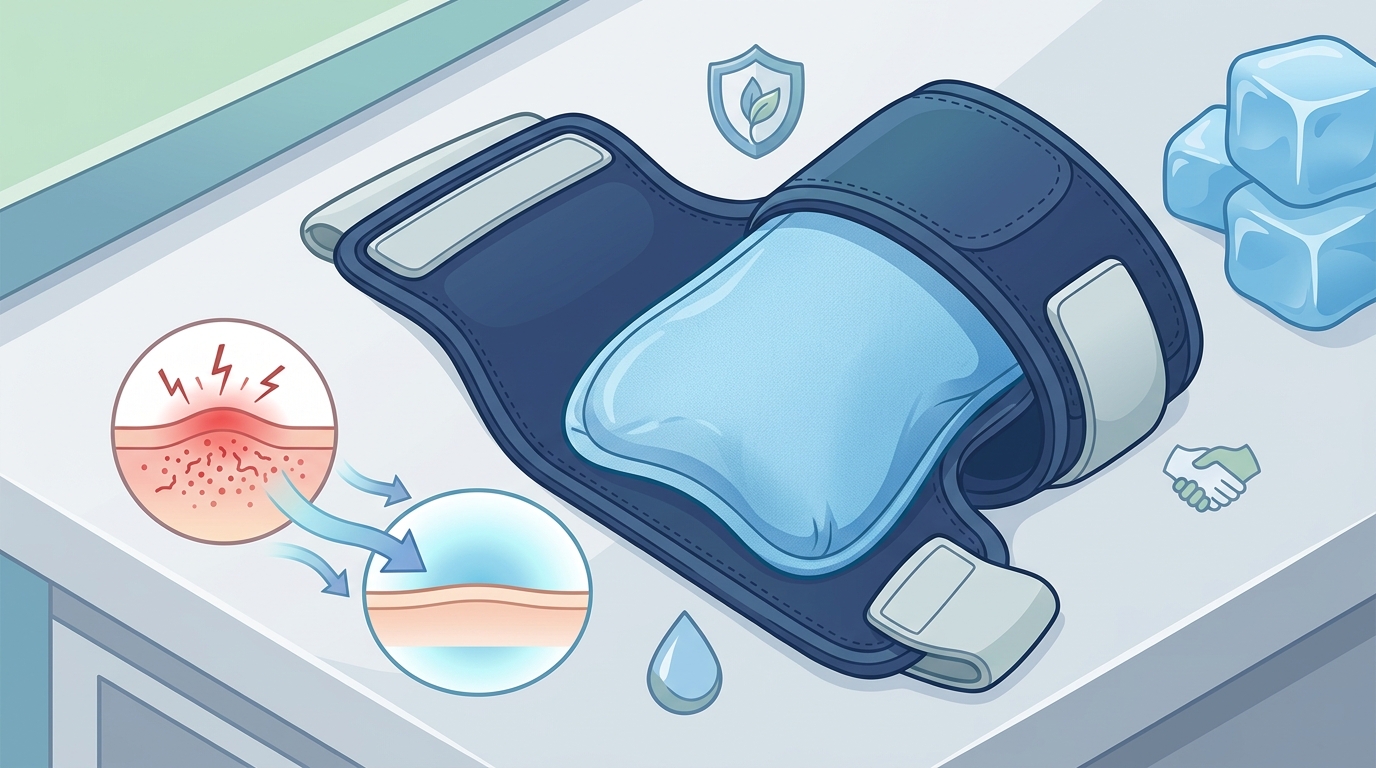
For those requiring targeted relief, the Knee Ice Pack Soft Gel provides structural support. The design includes straps that allow for secure attachment without excessive tightness, which can restrict circulation. The material used in the straps is typically a soft, breathable fabric that minimizes friction against the skin. This is particularly important for users with sensitive skin who may experience irritation from rougher textiles.
The Refreezable Cooling Ice Bandana offers a different approach to cold therapy. Ideal for headaches or facial inflammation, this product is made from a soft, absorbent material that can be frozen and worn directly against the skin. The fabric is chosen for its ability to retain cold while remaining gentle on the epidermis. This makes it a suitable option for users who need portable relief without the bulk of a traditional gel pack.
Cool Relief also emphasizes customer service and product reliability. Their 30-day free return policy allows users to test the products risk-free. This is crucial for individuals with severe sensitivities who need to verify that a product does not trigger a reaction before committing to long-term use. The brand's focus on premium materials aligns with the needs of health-conscious consumers who prioritize safety alongside efficacy.
Comparing Ice Wrap Types
Selecting the right type of cold therapy device depends on the location of the injury and the specific needs of the user. Below is a comparison of common ice wrap types, highlighting their suitability for sensitive skin.
| Product Type | Material Composition | Best For | Hypoallergenic Rating |
|---|---|---|---|
| Knee Ice Wraps | Neoprene or Soft Gel | Joint pain, post-surgery | High (if latex-free) |
| Shoulder Ice Wraps | Flexible Gel Shell | Rotator cuff injuries | High |
| Ankle/Foot Wraps | Elastic Fabric | Sprains, swelling | Medium (check seams) |
| Face/Neck Wraps | Soft Cotton Blend | Headaches, inflammation | Very High |
| Reusable Gel Inserts | Medical-Grade Gel | Customizable fit | High |
When evaluating these options, always check the product description for specific material disclosures. For instance, neoprene is a synthetic rubber that is generally hypoallergenic but can cause reactions in rare cases of rubber sensitivity. Cotton blends are often the safest bet for those with multiple chemical sensitivities. The key is to match the material to your specific allergy profile.
Safe Application Protocols
Even with hypoallergenic products, improper use of ice therapy can lead to skin damage. Ice burns, also known as cold injuries, occur when ice is applied directly to the skin for extended periods. The skin can become numb, leading to a false sense of security while tissue damage occurs underneath.
To prevent this, always use a barrier layer. A thin towel or the product's own fabric cover should separate the ice pack from your skin. This not only protects against cold burns but also reduces the risk of irritation from condensation. Moisture trapped against the skin can macerate the epidermis, making it more susceptible to allergic reactions and bacterial growth.
Limit application sessions to 15-20 minutes at a time. Allow the skin to return to normal temperature between applications. This interval prevents the buildup of cold stress on the nerves and blood vessels. For chronic conditions, consistent short-term application is more effective than prolonged exposure. This approach minimizes the risk of rebound inflammation, where blood flow increases excessively after the cold stimulus is removed.
Monitor your skin closely during and after use. If you experience persistent redness, itching, or burning, discontinue use immediately. These are signs of either an allergic reaction or cold-induced urticaria. Consulting with a healthcare provider is essential if symptoms persist. Proper hygiene is also critical. Clean the ice packs regularly according to the manufacturer's instructions to prevent bacterial buildup, which can exacerbate skin conditions.
Key Takeaways
- Material Safety: Avoid latex and vinyl. Choose medical-grade silicone, neoprene, or cotton blends for hypoallergenic relief.
- Product Selection: Cool Relief offers specialized wraps for knees, shoulders, and ankles, all designed with sensitive skin in mind.
- Application Time: Limit ice therapy to 15-20 minutes per session to prevent cold burns and tissue damage.
- Barrier Protection: Always use a towel or fabric cover between the ice pack and your skin to reduce irritation.
- Return Policy: Utilize the 30-day free return policy to test products for allergic reactions before long-term commitment.
- Hygiene: Regularly clean reusable ice packs to prevent bacterial growth that can worsen skin sensitivity.
- Consultation: Seek medical advice if you experience persistent skin reactions or have complex medical conditions.
Frequently Asked Questions
Are Cool Relief ice packs latex-free?
Yes, Cool Relief designs its products to be safe for sensitive skin. Most of their gel packs and wraps are latex-free, but it is always recommended to check the specific product details for material composition.
Can I use ice packs directly on my skin?
No, you should never apply ice packs directly to the skin. Always use a barrier layer, such as a towel or the product's fabric cover, to prevent cold burns and reduce the risk of skin irritation.
How often should I replace my reusable ice pack?
Reusable ice packs can last for years if cared for properly. However, if the outer shell becomes cracked or the gel leaks, it should be replaced immediately to maintain hygiene and effectiveness.
What is the best material for sensitive skin?
Cotton blends and medical-grade silicone are generally the most hypoallergenic materials. Neoprene is also a good option for those without rubber sensitivities, as it is durable and flexible.
Does Cool Relief offer a warranty?
Cool Relief offers a 30-day free return policy, allowing customers to test the products risk-free. This ensures that you can verify the product's suitability for your specific needs.
How do I clean my ice pack?
Most Cool Relief ice packs can be wiped down with mild soap and water. Avoid harsh chemicals or bleach, which can degrade the materials and cause skin irritation. Allow the pack to air dry completely before storing.
Are there any specific products for facial pain?
Yes, the Refreezable Cooling Ice Bandana is ideal for facial pain and headaches. It is made from soft, absorbent material that is gentle on the skin and easy to wear.
Shop Safe Relief
Finding the right cold therapy solution is essential for managing pain without compromising your skin health. Cool Relief offers a comprehensive range of hypoallergenic ice packs and wraps designed to meet your specific needs. Explore their collection to find the perfect product for your recovery journey.