

Chronic pain and acute injuries affect millions of people globally, creating a massive demand for accessible, non-pharmaceutical solutions. According to the Centers for Disease Control and Prevention, nearly 20% of adults in the United States report chronic pain, a statistic that highlights the urgent need for effective home-based management strategies. Cryotherapy, or cold therapy, remains the gold standard for immediate inflammation control. This guide explores the science behind cold therapy, compares product types, and provides actionable advice for integrating ice wraps into your daily recovery routine.
The Science of Cold Therapy
Cold therapy is not merely a comfort measure; it is a physiological intervention. When applied to injured tissue, cold causes vasoconstriction, which is the narrowing of blood vessels. This process reduces blood flow to the area, thereby limiting swelling and inflammation. Simultaneously, the cold slows down nerve conduction velocity, which effectively numbs the area and reduces pain signals sent to the brain.
Cryotherapy is the medical term for the use of cold to treat disease or injury. It is widely recommended by physical therapists and orthopedic specialists for conditions ranging from sprained ankles to post-surgical recovery. The effectiveness of this method relies on the precise delivery of cold to the target tissue without causing frostbite or nerve damage.
Understanding the difference between dry ice and gel packs is crucial. Dry ice provides extreme cold but is difficult to manage safely at home. Gel packs, however, offer a controlled, consistent temperature that is ideal for prolonged use. This balance makes gel-based solutions the preferred choice for most consumers seeking reliable pain relief.
Comparing Ice Wrap Technologies
Not all cold therapy products are created equal. The market offers various options, each with distinct advantages depending on the injury location and type. Choosing the right product ensures maximum efficacy and comfort during recovery.
| Product Type | Best For | Key Advantage | Typical Use Case |
|---|---|---|---|
| Knee Ice Wraps | Joints and Large Areas | Conforms to complex shapes | Post-surgery or arthritis |
| Reusable Gel Packs | Targeted Pressure | Long-lasting cold retention | Deep tissue injuries |
| Ankle/Foot Wraps | Lower Extremities | Secure fit during movement | Sprains and strains |
| Ice Bandanas | Head and Neck | Hands-free application | Heat exhaustion or migraines |
For instance, a knee ice wrap is designed to stay in place even when the joint is slightly bent. This is critical for patients who need to apply cold therapy while resting or sleeping. In contrast, a standard ice pack may slide off, requiring constant adjustment and reducing the therapy's effectiveness.
Reusable gel packs offer another layer of convenience. These inserts can be placed inside various sleeves or wraps, allowing users to customize the coverage area. This modularity is particularly useful for multi-joint injuries or for users who prefer a more compact storage solution.
Proper Application Techniques
Using ice wraps incorrectly can lead to skin damage or reduced therapeutic benefits. The standard protocol for cold therapy involves applying the cold source for 15 to 20 minutes at a time. This duration is sufficient to achieve vasoconstriction without risking tissue damage.
It is essential to use a barrier between the ice pack and the skin. A thin towel or the fabric sleeve of the wrap itself serves this purpose. Direct contact with frozen gel packs can cause ice burns, which are similar to frostbite and can delay healing. Always ensure the wrap is snug but not tight enough to restrict blood flow entirely.
Frequency matters as much as duration. Most medical guidelines suggest repeating the application every two to three hours during the first 48 to 72 hours after an injury. This consistent application helps manage the inflammatory response effectively. For chronic conditions, such as arthritis, a single daily application may be sufficient to manage pain levels.
Combining cold therapy with compression can enhance results. Many ankle and foot wraps are designed with built-in compression elements. This dual action reduces swelling while simultaneously numbing the pain, providing a more comprehensive recovery experience.
Safety and Contraindications
While cold therapy is generally safe, there are specific conditions where it should be avoided or used with extreme caution. Individuals with circulatory disorders, such as Raynaud's disease, should consult a physician before using ice wraps. The reduced blood flow caused by cold can exacerbate these conditions.
Sensory deficits are another critical consideration. If you have neuropathy or reduced sensation in the affected area, you may not feel if the ice is causing damage. In such cases, strict time limits and frequent skin checks are mandatory. Always prioritize safety over intensity when applying cold therapy.
Open wounds should never be exposed to ice packs directly. The cold can impair the healing process and increase the risk of infection. Instead, wait until the wound has closed and the skin is intact before beginning cryotherapy. For post-surgical care, always follow the specific instructions provided by your surgeon regarding the timing and duration of ice application.
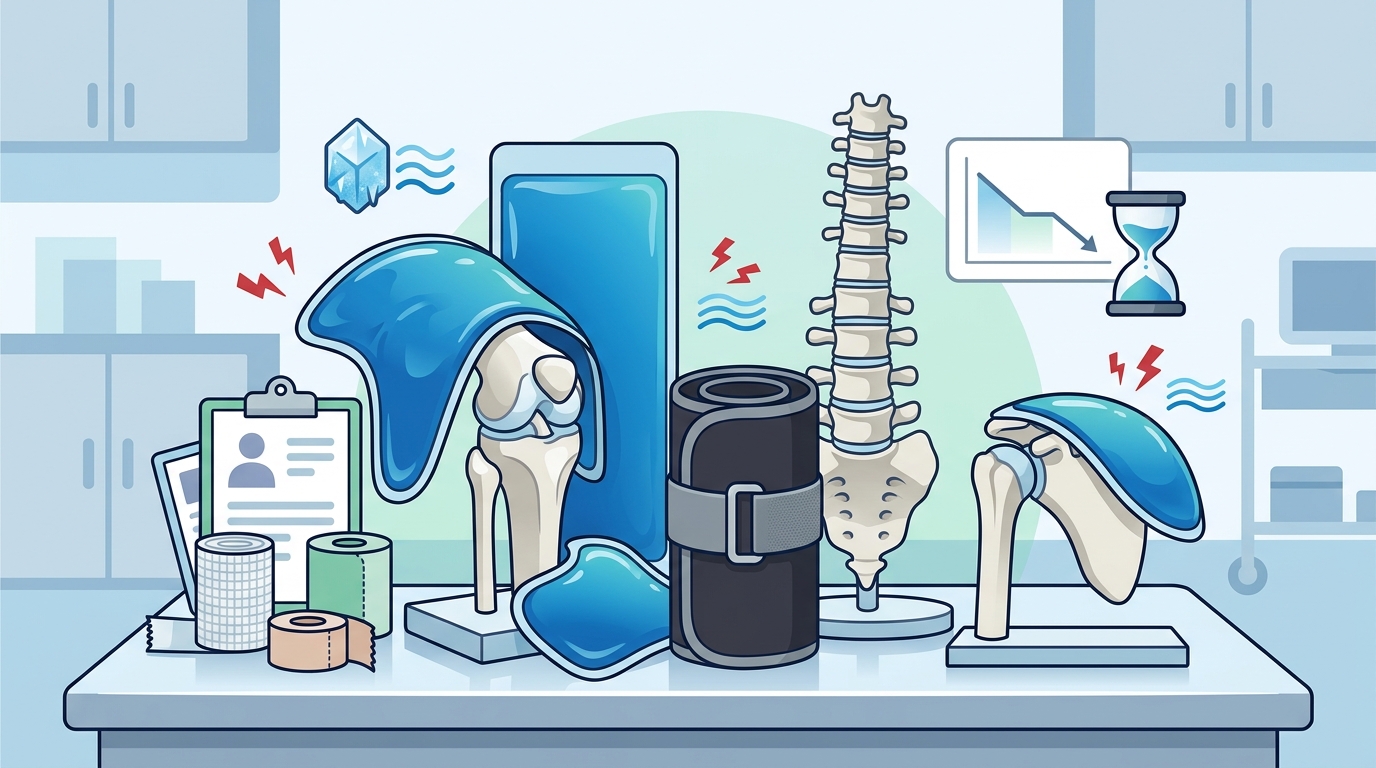
Key Takeaways
- Physiological Impact: Cold therapy induces vasoconstriction, reducing inflammation and numbing pain signals effectively.
- Product Selection: Choose wraps that conform to the body part, such as knee ice wraps for joints and gel packs for deep tissue.
- Application Duration: Limit applications to 15-20 minutes to prevent tissue damage and ice burns.
- Frequency: Apply every 2-3 hours during the acute phase of an injury for optimal results.
- Safety First: Always use a barrier between the ice and skin, and avoid use on open wounds or by those with circulatory issues.
- Reusability: Reusable gel packs offer a cost-effective and eco-friendly alternative to disposable ice packs.
- Professional Guidance: Consult a healthcare provider for personalized advice, especially for post-surgical care.
Frequently Asked Questions
How long should I keep an ice wrap on?
Standard medical advice recommends keeping an ice wrap on for 15 to 20 minutes at a time. Prolonged exposure can lead to tissue damage or nerve irritation.
Can I use an ice wrap on a fresh injury?
Yes, ice wraps are most effective in the first 48 hours after an acute injury to reduce swelling and pain. This is known as the RICE method (Rest, Ice, Compression, Elevation).
What is the difference between a gel pack and an ice wrap?
A gel pack is a standalone unit that provides cold, while an ice wrap is a sleeve designed to hold a gel pack or ice source in place. Wraps offer better coverage and stability.
Are reusable ice packs safe for daily use?
Yes, reusable gel packs are designed for repeated freezing and use. They are safe for daily management of chronic pain conditions like arthritis when used according to guidelines.
How do I clean my ice wrap?
Most Cool Relief wraps are made from washable materials. Check the product label for specific instructions, but generally, hand washing with mild soap and air drying is recommended.
Can I use heat and ice together?
Contrast therapy, alternating between heat and ice, can be beneficial for chronic conditions. However, always start with ice for acute injuries to control inflammation before considering heat.
What should I do if the wrap leaks?
If a gel pack leaks, discontinue use immediately. The gel is typically non-toxic but can be messy. Clean the area with soap and water, and replace the insert if necessary.
Start Your Recovery
Effective pain management begins with the right tools and knowledge. Whether you are recovering from surgery, managing a sports injury, or dealing with chronic arthritis, Cool Relief offers a comprehensive range of premium ice wraps and gel packs designed for superior comfort and efficacy. Explore our collection today and take the first step toward a pain-free life. Visit our Pain Relief Guide for more expert advice.