

Chronic pain and acute injuries affect millions of people globally, creating a massive demand for effective, non-pharmaceutical relief solutions. According to recent health data, over 50 million adults in the United States alone suffer from chronic pain conditions that require daily management. This statistic highlights the critical need for accessible, high-quality therapeutic tools that patients can use at home. Soft gel ice packs have emerged as a leading solution in this space, offering a flexible, conformable alternative to rigid ice packs. This guide explores why soft gel technology is superior for targeted therapy, how to use them effectively, and how to choose the right product for your specific injury.
What Is Soft Gel Technology?
Understanding the mechanics of your pain relief tool is the first step toward effective treatment. Soft gel technology refers to a specific type of therapeutic insert made from a pliable, viscous polymer mixture. Unlike traditional ice packs that rely on frozen water crystals, these packs utilize a gel that remains flexible even at freezing temperatures. This flexibility is the defining characteristic that sets them apart from conventional cold therapy options.
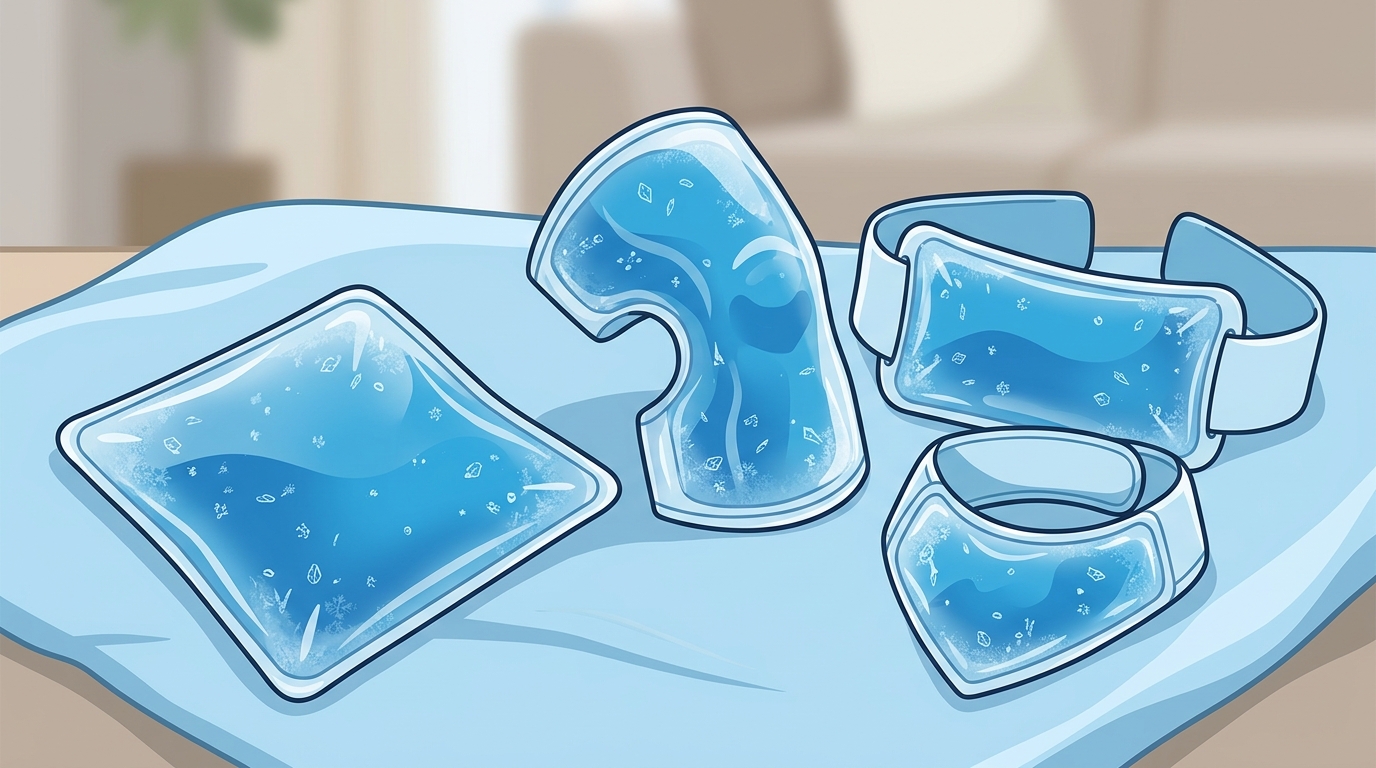
The core definition of this technology is straightforward. Soft gel is a temperature-sensitive polymer matrix designed to maintain pliability under extreme cold. This allows the pack to mold directly to the contours of the human body. Whether you are applying it to a curved knee, a rounded shoulder, or a delicate ankle, the material adapts to the shape. This close contact ensures that the cold therapy is distributed evenly across the affected area. It eliminates the gaps that often occur with rigid packs, which can lead to uneven cooling and reduced efficacy.
The science behind this material is rooted in cryotherapy principles. When the gel is frozen, it does not become brittle. Instead, it retains a semi-solid state that allows for compression and movement. This is particularly important for active recovery. Patients can often wear these wraps while performing light daily activities, thanks to the secure fit provided by the conformable gel. This mobility is a significant advantage over bulky, hard ice bags that require the user to remain stationary.
Key Benefits of Soft Gel Ice Wraps
The shift toward soft gel products is driven by tangible clinical and practical benefits. For patients managing conditions like arthritis, tendonitis, or post-surgical swelling, the difference in comfort is immediate. The primary advantage is the enhanced contact surface area. Because the gel conforms to the body, more of the therapeutic surface touches the skin. This maximizes the transfer of cold energy to the underlying tissues.
Another critical benefit is the reduction of pressure points. Rigid ice packs can create uncomfortable pressure points where the hard edges dig into the skin. This can cause pain rather than relief, leading users to remove the pack prematurely. Soft gel distributes pressure evenly, preventing this issue. The result is a more tolerable experience that encourages longer, more effective treatment sessions. Longer sessions mean deeper tissue cooling, which is essential for reducing inflammation in deeper muscle groups.
Reusability and cost-effectiveness are also major factors. High-quality soft gel packs are designed for thousands of freeze-thaw cycles. This durability makes them a sustainable investment compared to disposable cold packs. Furthermore, the ability to reuse the same pack for both ice and heat therapy adds versatility. Many soft gel inserts can be microwaved to provide moist heat therapy, which is excellent for muscle stiffness and chronic pain management. This dual-functionality provides comprehensive care for various injury types.
Rigid vs. Soft Gel: Which Is Better?
Choosing between rigid and soft gel ice packs depends largely on the location of the injury and the type of pain being treated. Rigid packs, often made of frozen water or hard plastic shells, are effective for flat surfaces. They are commonly used for large, flat areas like the back or the forehead. However, they struggle to maintain contact on curved joints. This lack of contact reduces their effectiveness for areas like the knee or elbow.
Soft gel packs excel in joint recovery. The knee, for example, is a complex joint with many curves and angles. A soft gel pack wraps around the knee, covering the patellar tendon and the surrounding ligaments. This comprehensive coverage is difficult to achieve with a rigid pack. The following table summarizes the key differences to help you decide.
| Feature | Soft Gel Ice Pack | Rigid Ice Pack |
|---|---|---|
| Conformability | High. Molds to body contours. | Low. Maintains fixed shape. |
| Joint Coverage | Excellent for knees, shoulders, ankles. | Poor for curved joints. |
| Comfort Level | High. No hard edges or pressure points. | Variable. Can cause discomfort. |
| Portability | Lightweight and flexible for movement. | Bulky and awkward to carry. |
| Dual Therapy | Often supports both ice and heat. | Typically ice only. |
For most acute injuries involving joints, soft gel is the superior choice. The ability to wrap securely ensures that the therapy stays in place. This is crucial for maintaining consistent temperature. If the pack shifts, the cold therapy stops, and the inflammation can return. Secure wrapping prevents this disruption.
Proper Usage Protocols for Maximum Relief
Even the best soft gel ice pack will fail if used incorrectly. Proper application is essential to avoid tissue damage and ensure therapeutic benefits. The standard protocol for cold therapy involves applying the pack for 15 to 20 minutes at a time. This duration is long enough to reduce inflammation but short enough to prevent skin damage or nerve injury.
It is critical to use a barrier between the ice pack and the skin. While soft gel packs often have a fabric cover, adding a thin towel provides an extra layer of protection. This barrier prevents frostbite and reduces the intensity of the cold shock. After removing the pack, allow the skin to return to normal temperature for at least one hour before reapplying. This cycle can be repeated three to four times a day during the initial acute phase of an injury.
For chronic conditions, the protocol may differ. Some patients find relief with alternating ice and heat therapy. Soft gel packs are ideal for this because they can be easily switched between the freezer and a microwave. Heat therapy increases blood flow, which helps heal stiff muscles. Ice therapy reduces swelling and numbs pain. Using both methods strategically can accelerate recovery. Always consult with a healthcare provider to determine the best schedule for your specific condition.
Selecting the Right Soft Gel Product
Not all soft gel packs are created equal. The quality of the gel, the durability of the fabric cover, and the design of the wrap all impact performance. When shopping for a soft gel ice pack, look for products that use non-toxic, BPA-free gel. This ensures safety in case of leaks or long-term exposure. The fabric cover should be breathable and machine washable. Hygiene is important, especially for post-surgical recovery where infection risk is a concern.
Consider the specific anatomy of your injury. Knee wraps should have a design that accommodates the patella. Shoulder wraps need to be long enough to wrap around the joint and secure with straps. Ankle wraps should provide compression without restricting circulation. Cool Relief offers a specialized range of ankle and foot ice wraps designed for precise application. Their premium ice packs are engineered for maximum durability and comfort.
Another factor to consider is the closure system. Velcro straps are common and allow for adjustable compression. This adjustability is key to keeping the pack in place during movement. Some wraps also include elastic bands for added security. The best products combine a high-quality gel insert with a robust, adjustable wrap system. This combination ensures that the therapy is both effective and convenient for daily use.
Key Takeaways
- Soft gel technology provides superior conformability compared to rigid ice packs, ensuring even cold distribution.
- These packs are ideal for joint injuries, including knees, shoulders, and ankles, due to their flexible design.
- Proper usage involves 15-20 minute sessions with a protective barrier to prevent skin damage.
- High-quality soft gel inserts are reusable and can often be used for both ice and heat therapy.
- Choosing the right product requires matching the wrap design to the specific anatomy of the injury.
- Consistent application is crucial for reducing inflammation and managing chronic pain effectively.
- Cool Relief offers specialized ice and heat wraps tailored for various body parts.
Frequently Asked Questions
How long should I keep a soft gel ice pack on my injury?
You should apply the ice pack for 15 to 20 minutes at a time. Leaving it on longer can cause tissue damage or frostbite. Allow your skin to warm up completely before reapplying.
Can soft gel ice packs be used for heat therapy?
Yes, many soft gel packs are designed for dual use. You can microwave them to provide moist heat therapy, which helps relax stiff muscles and improve blood flow.
Are soft gel ice packs better than regular ice bags?
For joint injuries, soft gel packs are generally better because they conform to the body's curves. Regular ice bags often slip off or fail to cover the entire affected area.
How do I clean a soft gel ice wrap?
The fabric cover is typically machine washable. Remove the gel insert before washing. Air dry the cover to maintain its integrity. Clean the gel insert with a mild disinfectant if needed.
What is the difference between a gel pack and a reusable ice pack?
Reusable ice packs often contain a gel mixture that stays flexible when frozen. Traditional ice packs contain water that becomes hard and rigid. Soft gel packs offer better comfort and contact.
Can I wear a soft gel ice wrap while walking?
Many soft gel wraps are designed with secure straps that allow for light movement. However, it is best to rest the injured area for maximum therapeutic benefit.
How often should I use cold therapy for acute injuries?
During the first 48 hours of an acute injury, apply cold therapy every 2-3 hours. This helps control swelling and pain effectively.
Start Your Recovery Journey
Effective pain management starts with the right tools. Soft gel ice packs offer a flexible, comfortable, and highly effective solution for both acute injuries and chronic pain. By choosing a high-quality product from a trusted provider, you can accelerate your recovery and return to your daily activities sooner. Explore the full range of premium ice packs and heat wraps at Cool Relief. Visit our Pain Relief Guide for more expert advice on managing your health. Take the first step toward lasting relief today by shopping our complete collection.