

Real-World Pain Relief: Evidence-Based Strategies for Lasting Comfort
Chronic pain affects over 20% of adults globally, creating a massive demand for solutions that move beyond temporary masking to actual physiological improvement. According to the Centers for Disease Control and Prevention, nearly 50 million adults in the United States suffer from chronic pain, yet many still rely on outdated or ineffective management techniques. This guide bridges the gap between clinical research and daily application, providing you with actionable, science-backed methods to reclaim your quality of life. We will explore how targeted therapies, lifestyle adjustments, and professional interventions work in concert to reduce inflammation and restore mobility. (Contact Us)
Understanding Pain Mechanisms
To effectively manage pain, one must first understand its biological roots. Pain is not merely a sensation but a complex neurological response. Nociception is the sensory nervous system's response to certain harmful or potentially harmful stimuli. When tissue damage occurs, nerve endings send signals to the spinal cord and brain, which interprets these signals as pain.
Chronic pain differs from acute pain in that it persists beyond the normal healing time. This persistence often leads to central sensitization, where the nervous system becomes hyper-reactive. According to the National Institutes of Health, central sensitization can amplify pain signals, making even minor stimuli feel painful. Recognizing this distinction is crucial for selecting the right treatment path.
Many individuals seek immediate relief through over-the-counter medications. However, long-term reliance on these drugs can lead to tolerance and side effects. Understanding the root cause allows for more targeted interventions. For instance, inflammatory pain requires different strategies than neuropathic pain. At Cool Relief, we emphasize a holistic approach that addresses both the symptom and the source.
Non-Pharmacological Interventions
Non-pharmacological methods are increasingly recognized as first-line treatments for chronic pain. These approaches focus on reducing inflammation and improving function without the risks associated with drug dependency.
Heat and Cold Therapy
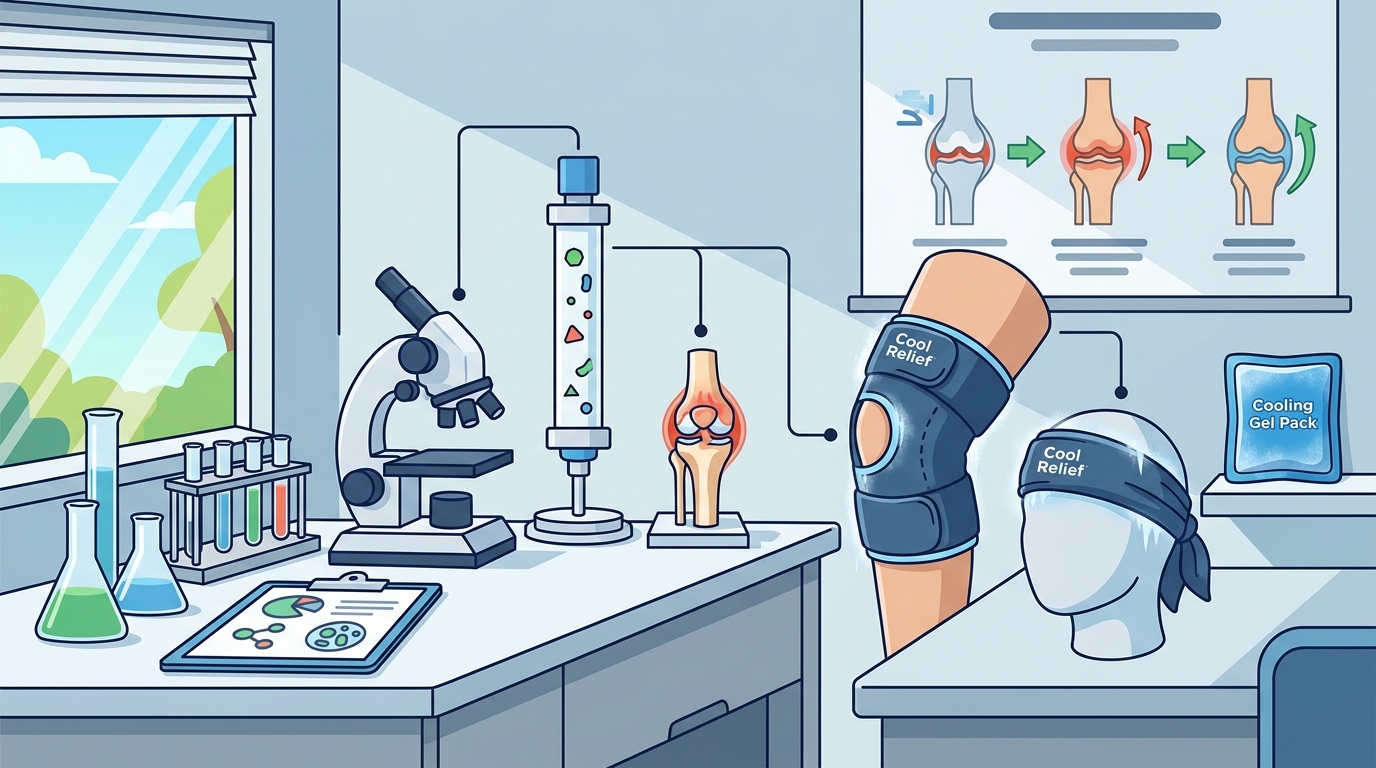
Thermotherapy is one of the most accessible and effective tools for pain management. Heat therapy works by dilating blood vessels, which increases blood flow to the affected area. This process helps to relax tight muscles and reduce stiffness. Conversely, cold therapy constricts blood vessels, reducing swelling and numbing sharp pain. According to the American Academy of Orthopaedic Surgeons, alternating between heat and cold can be particularly effective for acute injuries and flare-ups of chronic conditions.
Transcutaneous Electrical Nerve Stimulation (TENS)
TENS units deliver low-voltage electrical currents to the skin. This method works by blocking pain signals from reaching the brain and stimulating the release of endorphins, the body's natural painkillers. Clinical studies have shown that TENS can provide significant relief for conditions like osteoarthritis and lower back pain. It offers a non-invasive alternative for those seeking drug-free options.
Topical and Physical Therapies
Direct application of therapeutic agents can provide targeted relief with minimal systemic absorption. This is particularly important for individuals who cannot tolerate oral medications due to gastrointestinal issues or other health concerns.
Topical Analgesics
Topical creams, gels, and patches deliver active ingredients directly to the site of pain. Ingredients like menthol, camphor, and capsaicin work by altering the way pain receptors respond to stimuli. Capsaicin, derived from chili peppers, depletes substance P, a neurotransmitter that sends pain signals to the brain. Research published in the Journal of Pain indicates that topical capsaicin can be as effective as oral NSAIDs for knee osteoarthritis, with fewer systemic side effects.
Physical Therapy and Exercise
Movement is medicine for chronic pain. Physical therapy helps to strengthen the muscles surrounding painful joints, providing better support and stability. Low-impact exercises such as swimming, walking, and yoga improve flexibility and reduce stiffness. According to the Arthritis Foundation, regular physical activity can reduce pain by up to 50% in many patients by improving overall joint health and reducing inflammation.
Lifestyle Modifications for Pain Management
Daily habits play a pivotal role in pain perception and management. Small changes in diet, sleep, and stress levels can have profound effects on long-term comfort.
Diet and Inflammation
An anti-inflammatory diet focuses on whole foods that reduce systemic inflammation. Foods rich in omega-3 fatty acids, such as salmon and flaxseeds, are particularly beneficial. Conversely, processed foods, sugar, and saturated fats can exacerbate inflammation. According to a study in the American Journal of Clinical Nutrition, dietary changes can significantly reduce pain scores in patients with rheumatoid arthritis.
Sleep Hygiene
Pain and sleep have a bidirectional relationship. Poor sleep lowers pain thresholds, making pain feel more intense. Conversely, pain disrupts sleep, creating a vicious cycle. Establishing a consistent sleep schedule and creating a restful environment are critical. Cognitive Behavioral Therapy for Insomnia (CBT-I) has been shown to improve both sleep quality and pain management outcomes.
Stress Management
Stress triggers the release of cortisol and adrenaline, which can increase muscle tension and pain sensitivity. Mindfulness meditation and deep breathing exercises help to activate the parasympathetic nervous system, promoting relaxation. According to the Mayo Clinic, mindfulness-based stress reduction can be an effective adjunctive treatment for chronic pain conditions.
Comparing Treatment Options
Choosing the right pain relief strategy depends on the type, severity, and cause of your pain. The table below summarizes common approaches and their primary benefits.
| Treatment Type | Mechanism of Action | Best For | Pros | Cons |
|---|---|---|---|---|
| Topical Creams | Local absorption of active ingredients | Localized joint or muscle pain | Minimal systemic side effects | May stain clothing |
| Heat Patches | Vasodilation and muscle relaxation | Stiffness and chronic muscle tension | Long-lasting, discreet application | Not suitable for acute inflammation |
| TENS Units | Electrical nerve stimulation | Neuropathic and acute pain | Drug-free, portable | Requires battery power |
| Physical Therapy | Strengthening and mobilization | Structural pain and rehabilitation | Addresses root cause | Requires time and commitment |
Key Takeaways
- Chronic pain is complex: It involves neurological changes that require multifaceted management strategies.
- Non-drug options are effective: Heat, cold, and TENS therapy offer significant relief without systemic side effects.
- Topical treatments are targeted: They provide localized relief with minimal risk of gastrointestinal issues.
- Lifestyle matters: Diet, sleep, and stress management are critical components of long-term pain control.
- Professional guidance is key: Consulting with healthcare providers ensures safe and effective treatment plans.
- Consistency is crucial: Regular application of therapies and adherence to lifestyle changes yield the best results.
- Personalization works: What works for one person may not work for another; trial and error is often necessary.
Frequently Asked Questions
How long does it take for topical pain relief to work?
Topical analgesics typically begin to work within 15 to 30 minutes. However, maximum effectiveness may require consistent application over several days to build up therapeutic levels in the tissue.
Can heat therapy be used for acute injuries?
Generally, cold therapy is recommended for the first 48 hours of an acute injury to reduce swelling. Heat therapy is better suited for chronic stiffness or after the initial inflammation has subsided.
Are there any risks associated with TENS units?
TENS is generally safe for most people. However, it should not be used by individuals with pacemakers or epilepsy. It is also important to avoid placing electrodes over the front of the neck or the head.
What is the best diet for reducing inflammation?
An anti-inflammatory diet rich in fruits, vegetables, whole grains, and omega-3 fatty acids is most effective. It is important to limit processed foods, sugar, and saturated fats.
How does stress affect pain levels?
Stress increases muscle tension and heightens pain sensitivity. Managing stress through mindfulness, exercise, or therapy can significantly reduce the perception of pain.
When should I see a doctor for pain?
You should consult a doctor if your pain is severe, persistent, or accompanied by other symptoms like fever or weight loss. Early intervention can prevent chronic issues.
Can I use multiple pain relief methods at once?
Yes, combining methods such as topical creams with heat therapy or physical therapy can enhance effectiveness. However, always check with a healthcare provider to ensure safety.
Next Steps
Taking control of your pain relief journey starts with informed decisions. Explore our curated collection of high-quality pain relief products designed to support your specific needs. Whether you are looking for targeted topical solutions or comprehensive management tools, contact our team for personalized guidance. Visit our blog for more insights on health and wellness. Your path to lasting comfort begins today.