

How to Choose the Best Ice Pack and Wrap Set for Quick Pain Relief
Whether you are recovering from knee surgery, nursing a sore shoulder after a weekend game, or managing chronic hip pain, the right ice pack and wrap set can make the difference between lingering discomfort and fast, hands-free relief. Cold therapy is one of the most effective non-invasive methods for reducing swelling and easing pain. But with so many options on the market, how do you pick the set that actually works? This guide walks you through the key factors, from gel flexibility to compression fit, so you can make a confident, informed decision.
What Is Cold Therapy and Why Does It Work?
Cold therapy, also called cryotherapy, is the application of cold temperatures to an injured or painful area to reduce inflammation and numb pain signals. According to clinical research published on PubMed Central, cold therapy is well documented to diminish the inflammatory reaction to trauma, reduce edema and hematoma formation, and provide an anti-nociceptive (pain-blocking) effect.
A randomized controlled trial protocol hosted on ClinicalTrials.gov notes that demonstrated benefits of cold therapy include decreased pain scores and decreased narcotic use. This makes a quality ice pack and wrap set a practical, drug-free addition to any recovery plan.
Key Features to Look for in an Ice Pack and Wrap Set
Flexibility When Frozen
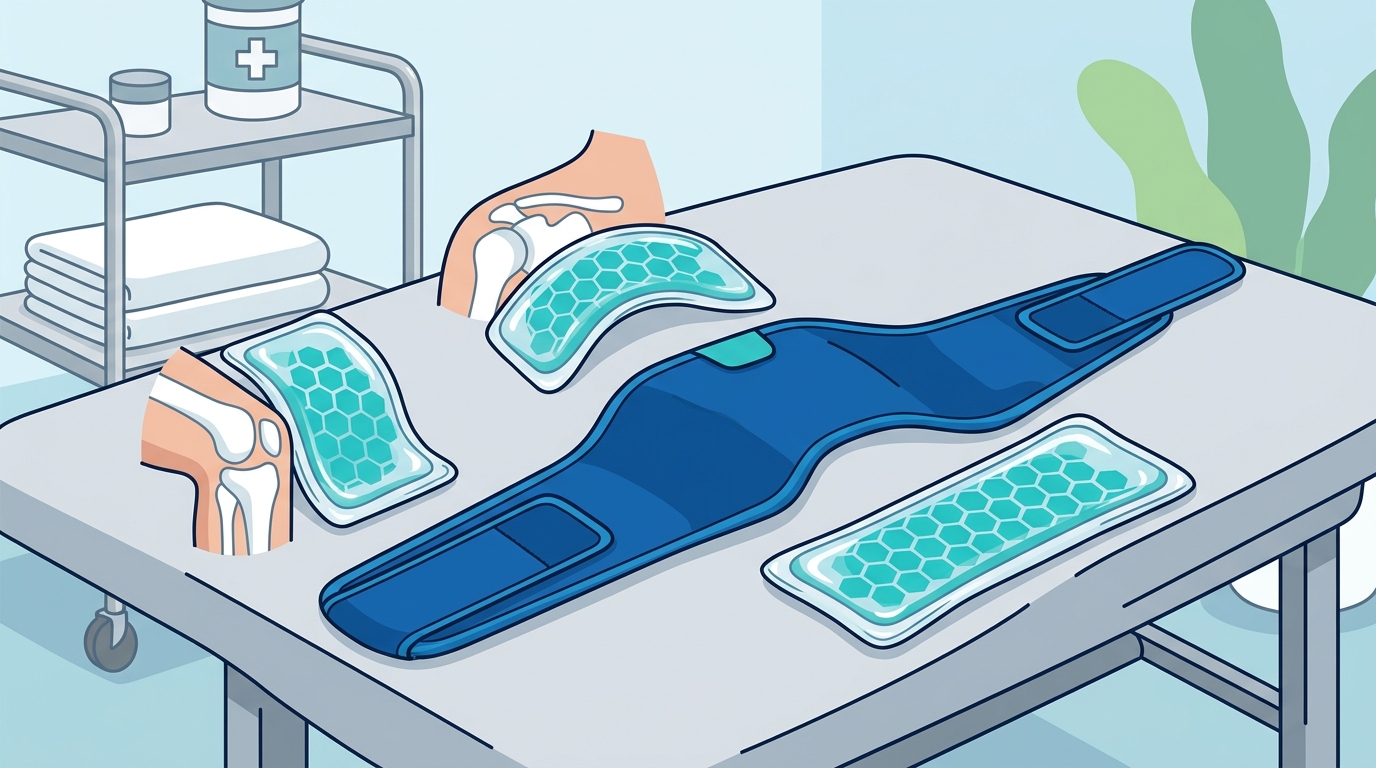
A rigid ice pack cannot conform to your body's curves, which limits contact and reduces effectiveness. The best gel packs stay soft and pliable even at freezer temperatures. For example, Cool Relief's knee ice pack wrap uses a special gel-and-ice blend that remains flexible when frozen, so the pack hugs your joint instead of sitting on top of it.
Adjustable Compression
Compression is the partner of cold. An adjustable elastic strap ensures easy compression that delivers soothing relief deep into the source of pain and swelling. Look for hook-and-loop fasteners and wide elastic straps, ideally three inches or wider, that distribute pressure evenly.
Reusability and Durability
A reusable ice pack is one that can be refrozen and applied multiple times without degrading. Quality medical-grade gel packs, like those made by Cool Relief, never absorb freezer moisture or break down over repeated use, which means years of reliable therapy from a single purchase.
Matching the Right Wrap to Your Body Part
One size does not fit all when it comes to cold therapy. Choosing a wrap designed for a specific body part ensures better coverage, compression, and comfort. Here is a quick reference:
| Body Part | Recommended Wrap Style | Best For |
|---|---|---|
| Knee | Knee ice wrap with 360° coverage | Post-surgery, ACL injuries, arthritis |
| Shoulder | Contoured shoulder ice wrap | Rotator cuff tears, tendinitis, strains |
| Hip | Hip wrap with waist strap | Bursitis, post-surgery, tissue damage |
| Back | Back ice wrap | Muscle strains, poor posture recovery |
| Ankle / Wrist / Elbow | Universal ice wrap | Sprains, carpal tunnel, tennis elbow |
| Head / Neck | Head and neck wraps | Migraines, sinus pressure, fever |
Gel Pack Types Compared
A gel pack is a sealed pouch filled with a viscous gel solution that retains cold (or heat) for extended periods. Not all gel packs perform equally. Here is what separates a premium pack from a budget option:
- Medical-grade proprietary gel – Cool Relief gel packs are made in the USA of a high-tech proprietary medical-grade gel solution that is long-lasting and non-toxic.
- Standard PVA gel – Common in imported packs; often freezes rigid and degrades after several cycles.
- Clay-based packs – Heavy, less flexible, and prone to leaking over time.
When shopping, prioritize gel packs that stay flexible, are clearly labeled non-toxic, and can double as hot packs for heat therapy when warmed in the microwave.
How Long Should an Ice Pack Stay Cold?
Duration matters. Clinical guidance from a study indicates that intensive cold application for 12 to 15 minutes is enough to reduce pain and muscle spasm, and sessions should generally stay between 15 and 30 minutes. A cold application over 30 minutes can risk cold burns and nerve issues.
Cool Relief wraps provide up to two hours of sustained cold therapy per session, giving you the flexibility to apply the recommended 20-minute intervals multiple times without refreezing. Their reusable gel pack inserts can also be swapped in for continuous icing sessions.
Safety Tips for Using Ice Wraps
Use a Barrier Layer
Quality wraps include a built-in cloth sleeve that acts as a barrier between the gel and your skin. Cool Relief's covers help insulate and reduce condensation while driving cold toward the target area, eliminating the need for a separate towel.
Follow the 20-Minute Rule
Apply cold for 20 minutes, then remove for at least 20 minutes before reapplying. This cycle lets skin temperature normalize and prevents frostbite.
Consult a Professional for Certain Conditions
If you have Raynaud's disease, peripheral vascular disease, or impaired sensation, speak with a healthcare provider before using cold therapy.
Key Takeaways
- Cold therapy reduces swelling, blocks pain signals, and can decrease reliance on pain medication.
- Choose a gel pack that stays soft and flexible when frozen for full-contact coverage.
- Adjustable compression straps are essential for hands-free, targeted relief.
- Match your wrap to the specific body part for optimal fit and comfort.
- Medical-grade, non-toxic gel packs outlast and outperform budget alternatives.
- Limit icing sessions to 20 minutes on, 20 minutes off to stay safe.
- Dual-purpose wraps that work for both cold and heat therapy offer the best value.
Frequently Asked Questions
What is the best ice pack for knee pain after surgery?
A wrap specifically contoured for the knee with 360-degree coverage delivers the most even cold distribution. Cool Relief's large knee ice pack uses wide elastic straps for broad compression that helps speed up the healing process.
Can I use an ice wrap for heat therapy too?
Yes. Most quality gel pack inserts can be removed and warmed in the microwave for heat therapy. Cool Relief wraps are designed for both hot and cold use.
How long do gel ice packs stay cold?
It depends on the gel formula and pack thickness. Cool Relief's soft gel packs provide up to two hours of cold therapy per session and stay cool a full hour longer than many competing cold pack wraps.
Are reusable ice packs safe for children?
Yes, as long as they are made with non-toxic materials. Cool Relief gel packs are non-toxic and safe for all ages.
How often should I ice an injury?
For acute injuries, apply cold therapy for 20 minutes every one to two hours during the first 48 hours. After the acute phase, two to three sessions per day is typically sufficient. Always follow your doctor's advice.
Do I need a different wrap for each body part?
Body-part-specific wraps offer the best fit and compression. However, a universal ice wrap is a versatile option that adapts to the elbow, forearm, neck, thigh, shin, calf, and more.
What makes Cool Relief wraps different from regular ice bags?
Unlike traditional ice bags that leak and lose cold quickly, Cool Relief wraps feature medical-grade gel packs made in the USA that stay flexible when frozen, include built-in compression, and are reusable for years.
Does Cool Relief offer free shipping?
Yes. Cool Relief provides free two-day shipping on orders over $25, with 30-day free returns.
Start Your Recovery Today
Ready to experience the difference a professional-grade ice wrap makes? Browse the full collection of Cool Relief ice wraps and find the perfect set for your body and your recovery goals. With free two-day shipping and a 30-day return policy, there is zero risk and fast relief waiting for you.