
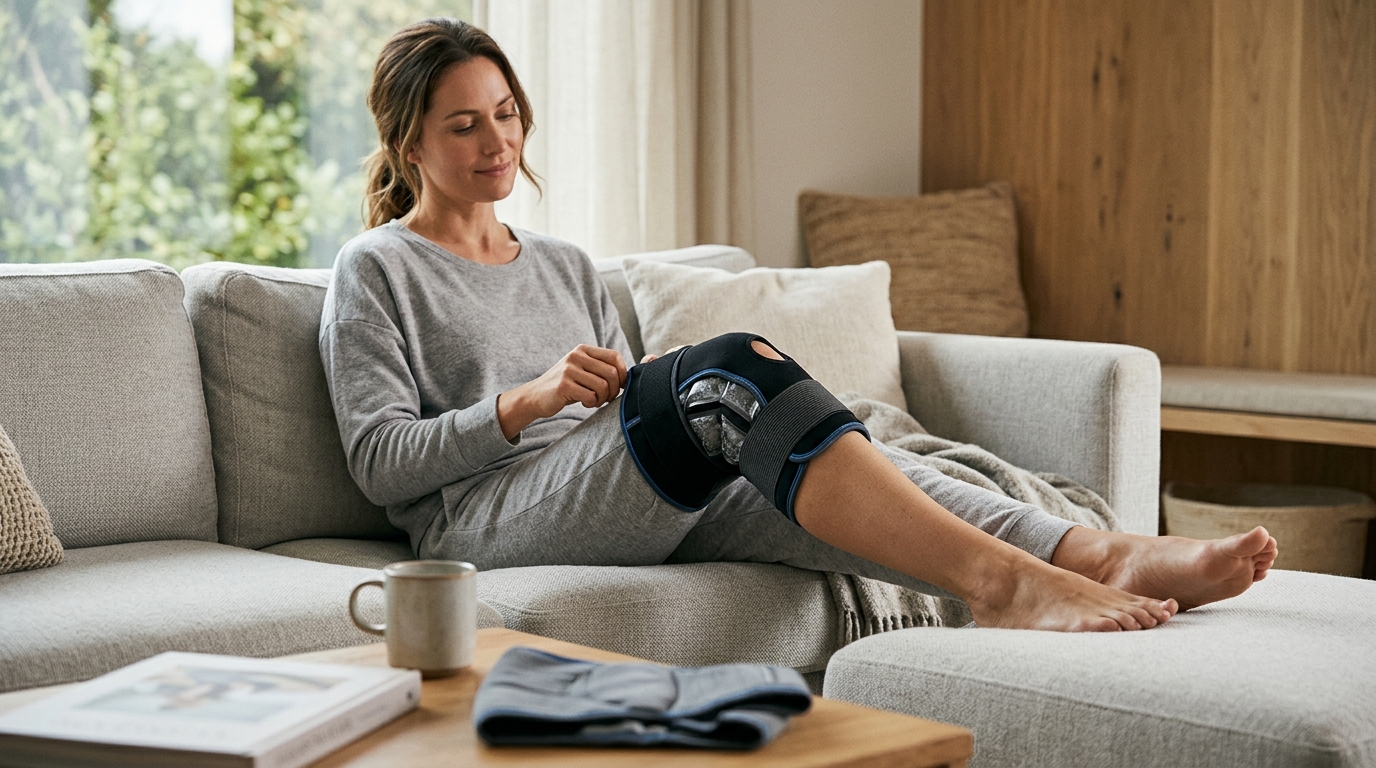
How to Choose the Best Ice Pack and Wrap Set for Quick Pain Relief
Whether you are recovering from knee surgery, nursing a sore shoulder after a weekend game, or managing chronic hip pain, the right ice pack and wrap set can dramatically speed up your recovery. Cold therapy is one of the most widely recommended first-aid treatments for soft-tissue injuries, and pairing it with compression multiplies the benefits. But not all ice packs are created equal. Gel flexibility, cold retention time, wrap coverage, and body-part fit all matter. This guide walks you through every factor so you can confidently pick the set that delivers fast, lasting relief.
Why Cold Therapy Works for Pain Relief
Cold therapy, also called cryotherapy, is the application of cold temperatures to an injured area to reduce pain and swelling. According to Cleveland Clinic, cold causes blood vessels to constrict and numbs tissues, which providers recommend in brief intervals for pain relief. The RICE method (Rest, Ice, Compression, Elevation) is a protocol that has been the standard approach for acute musculoskeletal injuries for decades.
Cold therapy is especially important within the first 24 to 48 hours after an injury. Compression adds a second layer of benefit by keeping swelling under control. That is exactly why an ice pack paired with a compression wrap outperforms a bag of frozen peas every time.
Types of Ice Packs Compared
Not every cold pack on the market works the same way. Here is a side-by-side look at the most common options.
| Type | Flexibility When Frozen | Cold Duration | Reusable | Best For |
|---|---|---|---|---|
| Disposable instant cold pack | Moderate | 15-20 min | No | Emergency first aid |
| Standard gel pack | Low (freezes rigid) | 30-45 min | Yes | General home use |
| Soft gel pack (medical grade) | High (stays pliable) | 1-2 hours | Yes | Post-surgery, chronic pain |
| Ice bag with cloth cover | Conforms somewhat | 20-40 min | Yes (refill ice) | Budget option |
| Cooling bandana with inserts | High | 30-60 min | Yes | Head, neck, migraines |
A soft gel pack is a reusable cold therapy insert made with medical-grade gel that stays flexible even at freezer temperatures. This flexibility matters because a rigid pack cannot conform to curved joints like knees or shoulders, reducing surface contact and cold transfer.
Key Features to Look For in an Ice Pack Wrap Set
Gel Flexibility and Cold Retention
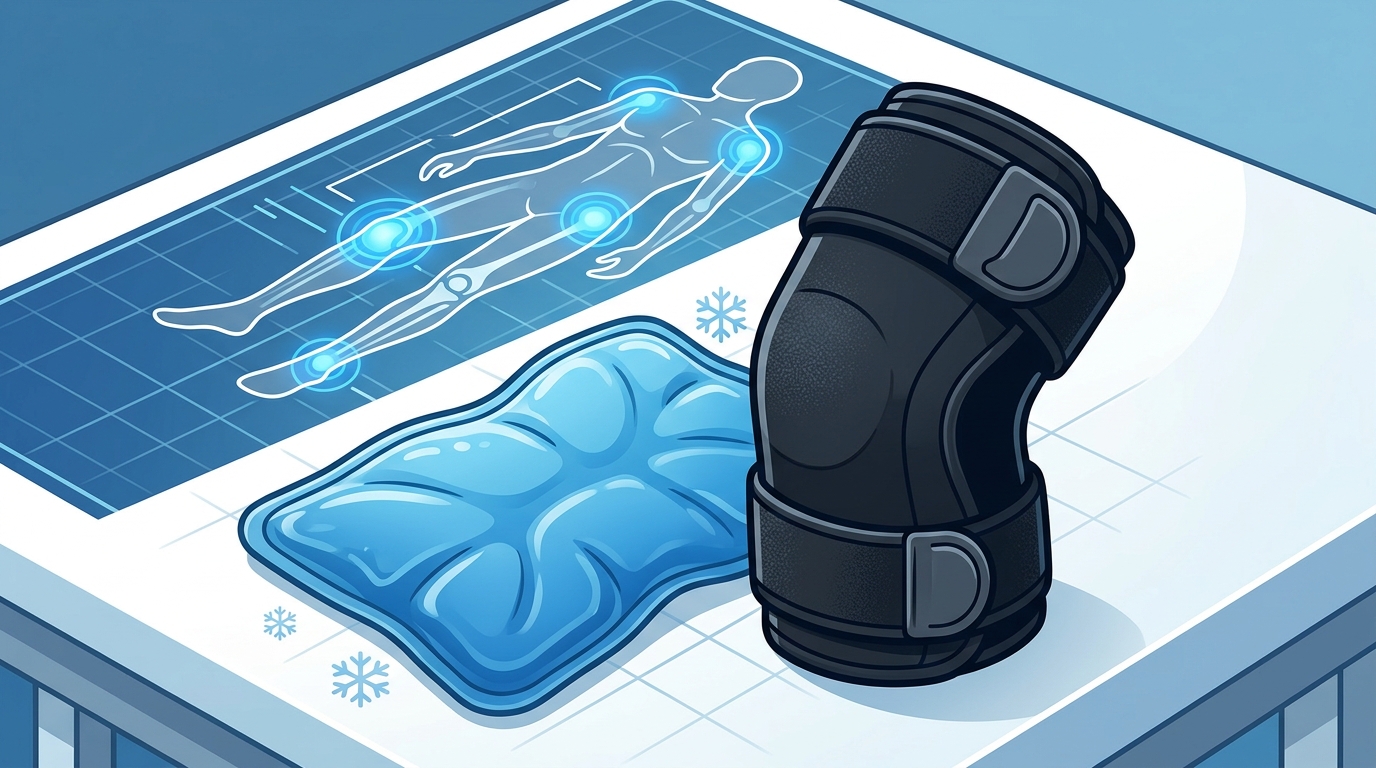
The best ice packs stay soft and pliable when frozen so they mold to your body. Cool Relief gel packs, for example, stay cool for a full hour longer than many competing cold pack wraps thanks to a proprietary blend of frozen ice and special gel.
Compression and Adjustability
Look for elastic straps with hook-and-loop fasteners that let you fine-tune compression without cutting off circulation. An adjustable strap ensures the wrap fits a range of body sizes while providing hands-free application so you can stay mobile during treatment.
Dual Hot and Cold Capability
Many quality gel inserts double as heat packs when warmed in a microwave. This gives you one set for both acute injuries (cold) and stiff, overworked muscles (heat), adding long-term value to your purchase.
Matching the Wrap to Your Body Part
A universal wrap can handle minor aches, but body-specific wraps deliver superior coverage and compression for targeted relief. Here is how to match the right product to your need:
- Knee: A knee ice wrap with 360-degree coverage is ideal for post-surgery recovery, runner's knee, or arthritis flare-ups.
- Shoulder: A shoulder ice wrap should drape across the deltoid and rotator cuff area with straps that keep it anchored during movement.
- Hip: A hip ice wrap with an adjustable waist strap fits people of all sizes and allows hands-free use while sitting, standing, or lying down.
- Ankle and Foot: An ankle ice wrap that covers the upper foot and ankle provides targeted compression for sprains and plantar fasciitis.
- Head, Neck, and Migraines: A cooling ice bandana with Velcro attachment repositions easily for forehead, neck, or eye coverage.
- Multi-Purpose: A universal ice wrap adapts to elbows, wrists, calves, and shins when you want one pack for multiple areas.
How to Use an Ice Pack Wrap Safely
Timing Your Sessions
Experts generally recommend applying cold therapy for 15 to 20 minutes at a time, then removing it. Over-icing can slow healing and reduce circulation, and in extreme cases may risk frostbite. A good rule is 20 minutes on, at least 20 minutes off, repeating as needed.
Layering and Skin Protection
Quality wrap sets include a cloth compression cover that insulates skin from direct gel contact. Cool Relief wraps use a soft cloth layer that eliminates the need for a separate towel, reduces condensation, and drives cold toward the target area.
When to See a Doctor
Cold therapy is appropriate for acute soft-tissue injuries like sprains, strains, and bruises. If pain persists beyond a few weeks of at-home treatment, or you suspect a fracture, consult a healthcare provider for professional evaluation.
Why Cool Relief Wraps Stand Out
Cool Relief gel packs are made in the USA with a proprietary, non-toxic, medical-grade gel solution. Unlike imported gel packs that can absorb freezer moisture or break down over time, Cool Relief packs maintain their soft flexibility and cold retention through years of use. The wraps are trusted by hospitals and surgical centers nationwide and ship from a centrally located warehouse in Oklahoma City for fast delivery.
Every wrap includes removable gel inserts, so you can purchase replacement gel pack inserts for continuous cold therapy without waiting for a single pack to refreeze. Orders over $25 qualify for free two-day shipping, and all products come with a 30-day return policy.
Key Takeaways
- Cold therapy combined with compression is one of the most effective first-aid approaches for reducing pain and swelling after soft-tissue injuries.
- Soft gel packs that stay flexible when frozen deliver better body contact and longer cold duration than rigid alternatives.
- Body-specific wraps (knee, shoulder, hip, ankle) provide superior coverage compared to one-size-fits-all solutions.
- Apply cold for 15 to 20 minutes per session and avoid over-icing to protect skin and circulation.
- Look for wraps with adjustable elastic straps and hook-and-loop fasteners for hands-free, customized compression.
- Dual hot/cold capability adds versatility, letting you use the same insert for both acute injuries and muscle stiffness.
- Removable inserts let you rotate packs for uninterrupted therapy sessions.
Frequently Asked Questions
What is the best type of ice pack for post-surgery recovery?
A soft gel ice pack with a compression wrap is ideal for post-surgery recovery. The gel stays flexible when frozen, conforms to swollen joints, and delivers consistent cold for up to two hours. Body-specific wraps like the Cool Relief knee ice pack are especially popular after knee and shoulder procedures.
How long should I ice an injury?
Most healthcare providers recommend 15 to 20 minutes of cold therapy per session. Remove the pack, wait at least 20 minutes, and repeat as needed. Applying cold is most beneficial within the first 48 hours after an injury.
Can I use the same ice wrap on different body parts?
Yes. A universal ice wrap with an adjustable elastic strap can be used on elbows, wrists, calves, shins, and more. However, for areas like the knee, shoulder, or hip, a body-specific wrap will provide better coverage and compression.
Are gel ice packs safe for children?
Cool Relief gel packs are made with non-toxic materials and are safe for all ages. Always supervise children during icing sessions and use a cloth barrier between the pack and skin to prevent cold burns.
What is the difference between an ice pack and a compression ice wrap?
An ice pack is a standalone cold source (gel, ice, or chemical). A compression ice wrap is a system that combines a cold gel insert with an elastic wrap that applies gentle pressure around the injury. The compression component helps reduce swelling beyond what cold alone can achieve.
Can I heat the gel pack for warm therapy?
Yes. Most Cool Relief gel inserts can be removed from the cloth wrap and warmed in a microwave at 20-second intervals until you reach the desired temperature. Heat therapy is useful for stiff muscles, chronic joint pain, and pre-workout warm-ups.
How do I clean my ice wrap?
Remove the gel insert and hand-wash the cloth compression wrap with mild soap and water. Air dry completely before reinserting the gel pack. The gel insert itself can be wiped down with a damp cloth.
Does Cool Relief offer free shipping?
Yes. Cool Relief offers free two-day shipping on all orders over $25, with a 30-day return policy for added peace of mind.
Find Your Perfect Ice Pack Wrap Set
Ready to experience fast, lasting pain relief? Browse the full collection of Cool Relief ice wraps and gel packs to find the set that matches your body and your recovery goals. With free two-day shipping on orders over $25, relief is just days away.