

Chronic and acute pain affects millions of people globally, often limiting mobility and reducing quality of life. According to recent health data, non-pharmacological interventions like cryotherapy are increasingly recommended by medical professionals as a first-line treatment for inflammation. This guide explains how to select the most effective cooling solutions to manage your symptoms safely and efficiently.
Understanding Cryotherapy Basics
Cryotherapy is the medical term for the use of cold to treat disease. Cryotherapy is the application of extreme cold to remove abnormal tissue or to reduce inflammation. When applied to muscles and joints, cold therapy causes blood vessels to constrict. This process reduces blood flow to the affected area, which minimizes swelling and numbs the nerve endings.
Choosing the right ice pack is not just about temperature. It is about duration, coverage, and comfort. A high-quality gel pack maintains its cold state longer than traditional ice cubes. This longevity ensures that the therapeutic benefits are sustained without the need for constant re-freezing. For those seeking reliable relief, exploring premium ice packs and wraps can provide a significant advantage in pain management.
Material Selection: Gel vs. Foam
The core component of any effective ice wrap is the cooling medium. Most modern therapeutic products use either a hydrogel or a foam-based insert. Understanding the difference is crucial for making an informed purchase.
Hydrogel Inserts
Hydrogel packs are designed to remain pliable even when frozen. This flexibility allows them to conform to the contours of the body. Whether you are treating a curved knee or a rounded shoulder, a gel pack ensures maximum surface contact. This contact is essential for efficient heat transfer from the body to the pack. You can find specialized ankle and foot ice wraps that utilize this technology for precise application.
Foam-Based Inserts
Foam inserts are often lighter and may freeze faster than gel. However, they can become rigid when frozen. This rigidity might make them less comfortable for sensitive areas. Foam packs are generally durable and cost-effective. They are suitable for users who prioritize portability over extreme contouring.
Targeting Specific Pain Areas
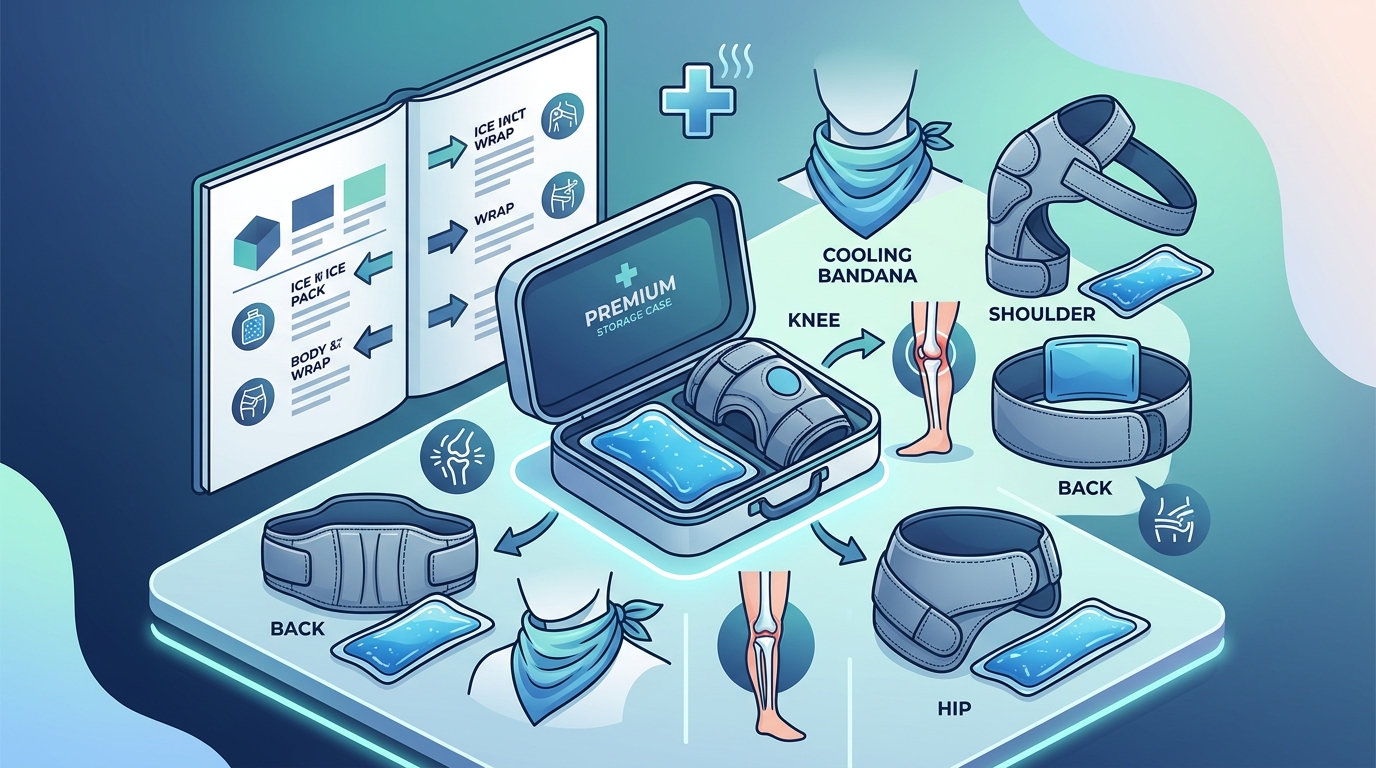
One size does not fit all when it comes to pain relief. Different body parts require different shapes and sizes to be effective. A generic square pack may work for a minor bruise, but it will fail to address complex joint issues.
Knee and Joint Support
The knee is a complex hinge joint. It requires a wrap that can stay in place during movement. Targeted knee ice wraps provide compression and cooling simultaneously. These products often feature elastic straps that secure the gel pack firmly against the skin. This prevents the pack from sliding off during daily activities. For detailed options, visit the knee ice wraps collection.
Shoulder and Hip Coverage
Large surface areas like the shoulder and hip need broader coverage. A standard ice cube tray cannot provide this. Specialized shoulder wraps are designed to drape over the deltoid and rotator cuff. Similarly, hip wraps are shaped to accommodate the curve of the pelvis. Using the wrong shape can lead to uneven cooling and ineffective pain relief.
Wrap Mechanics and Fit
The outer shell of the ice pack is just as important as the inner gel. The material must be durable, waterproof, and easy to clean. Look for wraps made from high-quality neoprene or breathable fabric.
Adjustability is key. Velcro straps offer a customizable fit that accommodates different limb sizes. Some wraps include additional compression layers to further reduce swelling. When evaluating a product, check the strap quality. Weak straps will fail quickly, rendering the pack useless. For a comprehensive list of durable options, browse the full product collections.
Safety Protocols and Usage
While ice packs are safe for most people, improper use can cause skin damage. It is vital to follow established medical guidelines for cryotherapy application.
Duration Limits
Never apply an ice pack directly to the skin for extended periods. The recommended duration is typically 15 to 20 minutes. Prolonged exposure can lead to frostbite or nerve damage. Always use a barrier, such as a thin towel, between the pack and your skin. Most modern wraps include a protective cover, but adding an extra layer is a safe practice.
Contraindications
Cold therapy is not suitable for everyone. Individuals with circulatory disorders, diabetes, or cold allergies should consult a doctor before use. Always consult a healthcare provider before starting any new pain management regimen. This ensures that cold therapy is appropriate for your specific medical history.
Product Comparison Overview
To help you decide, here is a comparison of common ice pack types available for pain relief.
| Product Type | Best For | Flexibility | Durability | Link |
|---|---|---|---|---|
| Knee Ice Wrap | Joint inflammation, sports injuries | High | High | View Knee Wraps |
| Shoulder Heat/Ice Wrap | Rotator cuff pain, stiffness | Medium | High | View Shoulder Wraps |
| Ankle/Foot Wrap | Sprains, plantar fasciitis | High | Medium | View Ankle/Foot Wraps |
| Back Ice Wrap | Lower back spasms, muscle strain | Medium | High | View Back Wraps |
| Reusable Gel Inserts | Customizable, multi-purpose use | Very High | High | View Gel Inserts |
Key Takeaways
- Material Matters: Hydrogel packs offer superior flexibility and contouring compared to rigid foam inserts.
- Targeted Relief: Choose wraps shaped specifically for your injury site, such as knee or shoulder wraps, for maximum efficacy.
- Secure Fit: Elastic straps and Velcro closures are essential for keeping the pack in place during movement.
- Safety First: Limit application to 15-20 minutes to prevent skin damage and nerve injury.
- Hygiene: Ensure wraps are waterproof and easy to clean to maintain a sterile environment.
- Consult Professionals: Always seek medical advice for chronic pain or pre-existing conditions.
- Quality Brands: Opt for reputable brands like Cool Relief that specialize in therapeutic cooling solutions.
Frequently Asked Questions
How long should I keep an ice pack on my injury?
Medical guidelines generally recommend applying ice for 15 to 20 minutes at a time. This duration is sufficient to reduce inflammation without risking tissue damage from excessive cold exposure.
Can I use an ice pack on acute and chronic pain?
Yes, ice packs are effective for both. For acute injuries like sprains, ice reduces immediate swelling. For chronic conditions like arthritis, it can help manage flare-ups and stiffness.
What is the difference between an ice wrap and a gel pack?
An ice wrap is a reusable sleeve that holds a cooling insert. A gel pack is often a standalone unit. Wraps provide better stability and compression, while gel packs offer more flexibility for irregular shapes.
Are reusable ice packs better than disposable ones?
Reusable packs are more cost-effective and environmentally friendly. They are designed to withstand repeated freezing and thawing cycles without losing their cooling properties.
How do I clean my ice wrap?
Most wraps can be wiped down with a damp cloth and mild soap. Check the manufacturer's instructions for specific cleaning guidelines to ensure the integrity of the material.
Can I use heat and ice interchangeably?
No. Ice is used to reduce inflammation and numb pain. Heat is used to relax muscles and improve blood flow. Using heat on an acute injury can worsen swelling.
What materials are best for ice wrap covers?
Neoprene and breathable fabrics are ideal. They provide insulation, comfort, and durability. They also help maintain the cold temperature of the gel insert for longer periods.
Get Started with Cool Relief
Choosing the right ice pack and wrap set is a critical step in managing your pain effectively. By understanding your specific needs and selecting a high-quality product, you can achieve faster relief and improved mobility. Cool Relief offers a comprehensive range of therapeutic products designed for durability and comfort.
Explore our full catalog of ice and heat wraps today. Visit our Pain Relief Guide for more expert advice. Take control of your pain management with trusted solutions from CoolRelief.net.