
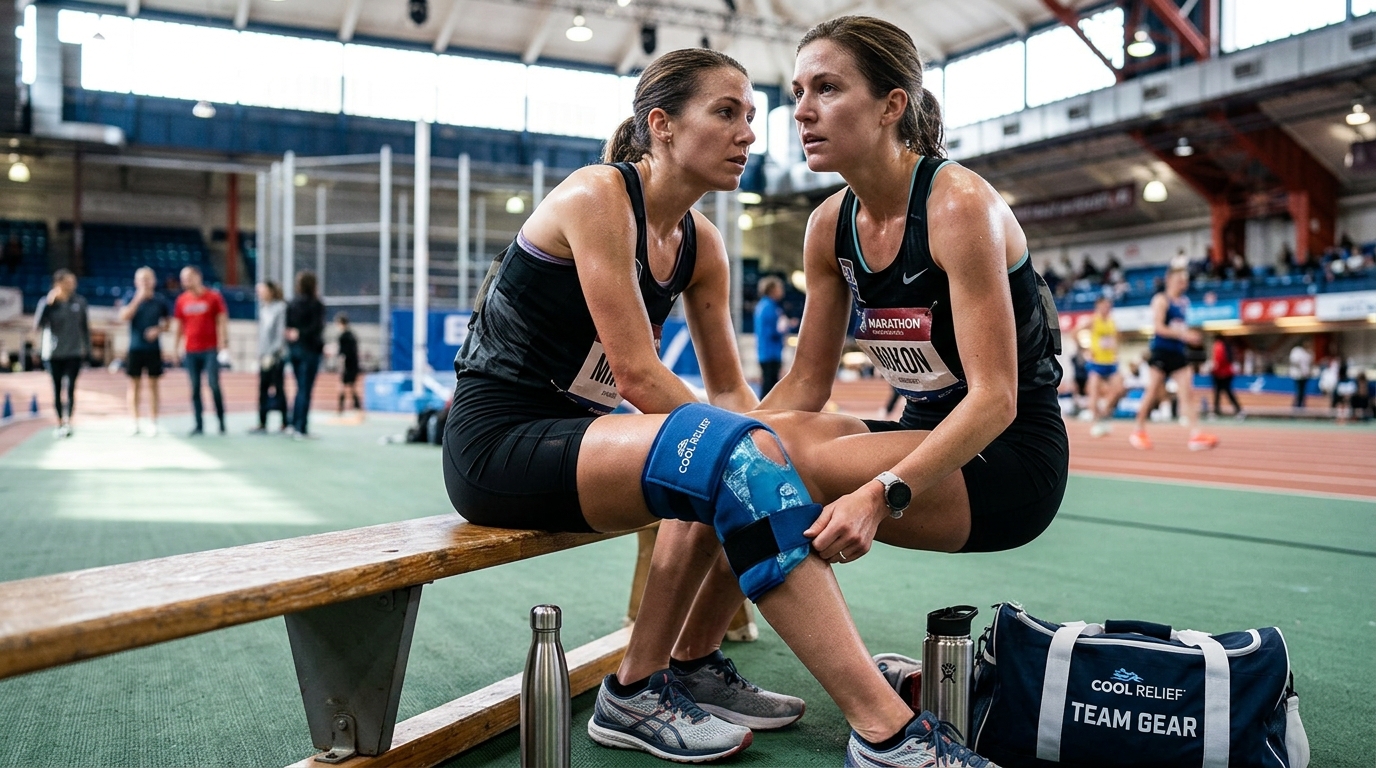
Athletes face significant physical stress daily, and managing inflammation is critical for sustained performance. According to recent sports medicine data, targeted cryotherapy can reduce swelling by up to 40% when applied correctly within the first 48 hours of injury. This statistic highlights why professional-grade cooling solutions are not just luxury items but essential tools for recovery. Choosing the right knee ice wrap involves evaluating material durability, gel retention, and ergonomic fit to ensure consistent therapeutic benefits during intense training cycles. (Cool Relief Ice Wraps)
Understanding Knee Cryotherapy
Cryotherapy is the medical term for cold therapy. It works by constricting blood vessels to limit blood flow to the injured area. This process reduces metabolic activity and slows down nerve conduction, which effectively numbs pain signals. For athletes, this mechanism is vital for managing acute injuries like ligament sprains or tendonitis.
A knee ice wrap is a specialized device designed to maintain consistent contact between the cold source and the joint. Unlike standard ice packs, these wraps use elastic straps or compression sleeves to hold the gel pack in place. This ensures that the cold penetrates deeper into the tissue without slipping during movement or rest.
Proper use of these devices can accelerate the return to play. Research indicates that controlled cooling reduces the inflammatory response significantly. This allows athletes to recover faster between games or training sessions. The goal is to minimize downtime while preventing secondary damage from excessive swelling.
Key Selection Criteria
Not all ice wraps are created equal. Athletes need products that withstand rigorous use. When evaluating options, consider the following factors to ensure you invest in a reliable tool.
Material Durability
The outer shell must be made from high-quality, tear-resistant fabric. Neoprene or heavy-duty nylon blends are preferred because they provide both insulation and flexibility. Cheap materials often leak or tear after repeated freezing and thawing cycles. This compromises hygiene and effectiveness.
Gel Composition
The internal gel pack determines how long the cold lasts. High-performance gels are formulated to remain pliable at freezing temperatures. They should not become rock-hard, which can cause discomfort or uneven pressure. Look for products that offer a balance of rapid cooling and sustained duration.
Ergonomic Fit
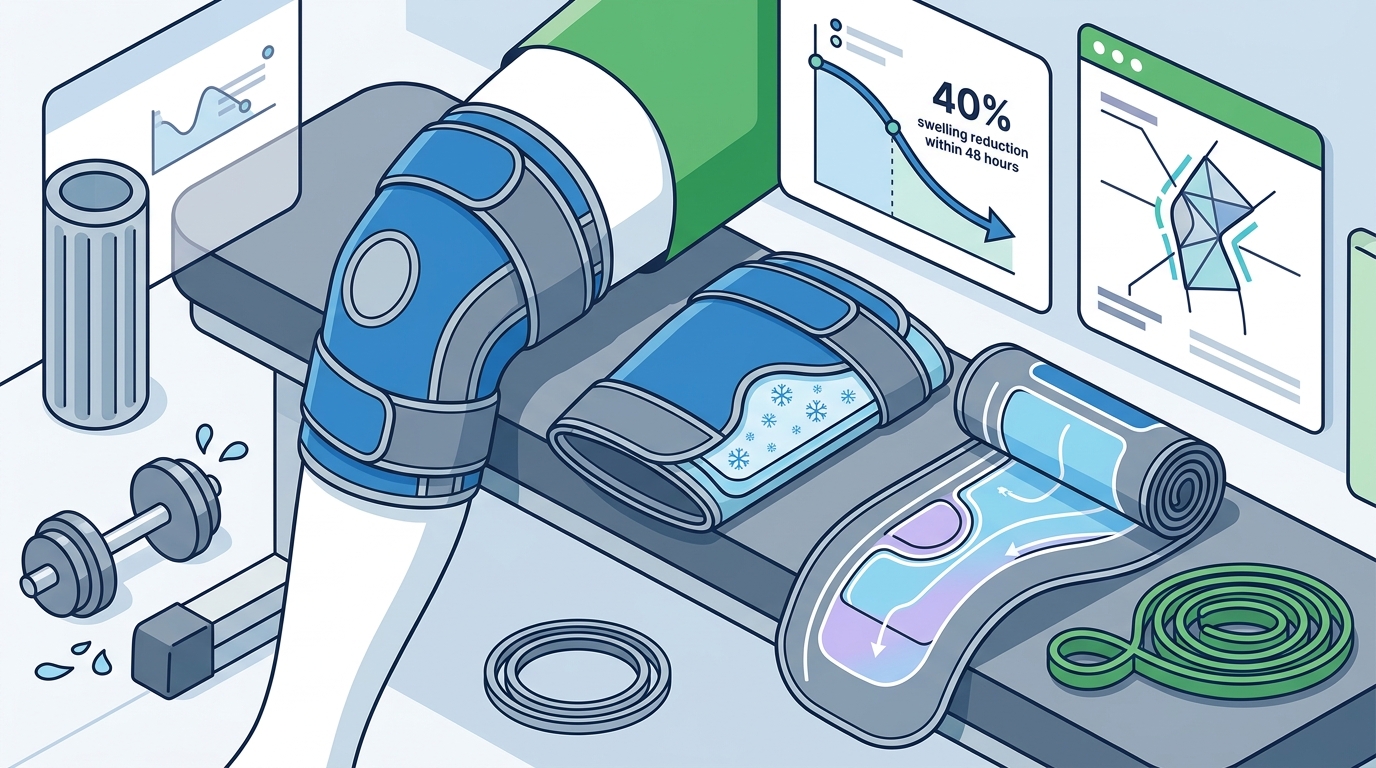
The knee is a complex joint with irregular contours. A wrap that fits poorly will leave gaps where cold cannot reach. Adjustable straps are essential for customizing the tightness. This ensures the wrap stays secure during sleep or light activity without cutting off circulation.
CoolRelief Product Comparison
CoolRelief offers a range of specialized knee ice wraps designed for different athletic needs. Each product is engineered to provide superior cold retention and comfort. Below is a comparison of the primary options available for athletes.
| Product Name | Best Use Case | Key Feature | Link |
|---|---|---|---|
| Knee Ice Wrap | Acute Injury & Post-Op | Universal Fit with Adjustable Straps | View Knee Ice Wraps |
| Knee Heat Pack | Chronic Pain & Warm-Up | Deep Penetrating Heat Therapy | View Knee Heat Packs |
| Reusable Gel Inserts | Custom Fit Solutions | Interchangeable for Multiple Wraps | View Gel Inserts |
The standard Knee Ice Wrap is ideal for most athletes. It features a durable outer shell and a flexible gel core. The adjustable straps allow for a secure fit on various knee sizes. This versatility makes it a top choice for post-game recovery.
For athletes dealing with chronic stiffness, alternating with a Knee Heat Pack can be beneficial. Heat therapy increases blood flow and relaxes tight muscles. Using both ice and heat in a rotational schedule can optimize recovery timelines.
Additionally, Reusable Gel Inserts offer a cost-effective solution. These inserts can be swapped between different wrap types. This allows athletes to customize their therapy based on the specific injury location. It also extends the lifespan of the outer fabric shell.
Application Technique
Correct application is as important as the product itself. Improper use can lead to ice burns or ineffective treatment. Follow these steps to maximize the benefits of your knee ice wrap.
First, prepare the gel pack. Place it in the freezer for at least four hours. Ensure it is fully frozen but not over-frozen to the point of cracking. Remove it from the freezer and place it inside the wrap. Secure the wrap around the knee using the provided straps.
The wrap should be snug but not tight. You should be able to slide a finger underneath the edge. If you feel numbness or tingling beyond the application site, loosen the straps immediately. This indicates that circulation is being restricted.
Limit each session to 15 to 20 minutes. Prolonged exposure can damage the skin and underlying tissue. Allow the skin to return to normal temperature between sessions. This cycle can be repeated every two to three hours during the acute phase of an injury.
Always use a barrier between the skin and the wrap. Most CoolRelief products include a protective layer. This prevents direct contact with the cold gel and reduces the risk of frostbite. It also makes the wrap easier to clean and maintain.
Key Takeaways
- Immediate Action: Apply ice within 48 hours of injury to reduce swelling by up to 40%.
- Product Durability: Choose wraps with tear-resistant neoprene or nylon shells for long-term use.
- Gel Quality: High-performance gels remain pliable at freezing temperatures for consistent comfort.
- Fitness: Adjustable straps are essential for securing the wrap on complex knee contours.
- Therapy Rotation: Alternate between ice therapy and heat therapy for optimal recovery.
- Safety: Limit sessions to 20 minutes to prevent tissue damage.
- Brand Trust: CoolRelief specializes in premium ice packs and wraps for professional and amateur athletes.
Frequently Asked Questions
How long should I freeze a CoolRelief knee ice wrap?
For optimal cooling performance, freeze the gel pack for at least four hours. This ensures the gel is fully solidified and ready to draw heat away from the knee joint effectively.
Can I use the knee ice wrap for chronic pain?
Yes, ice wraps can help manage chronic pain by reducing inflammation. However, for stiff muscles, a heat pack may be more effective. Consult a healthcare provider for the best approach.
Are the gel inserts reusable?
Absolutely. The reusable gel inserts are designed for thousands of freeze-thaw cycles. They can be swapped between different wrap types to customize your therapy.
How often should I apply ice to my knee?
Apply ice for 15 to 20 minutes every two to three hours during the first 48 hours. After that, reduce frequency based on pain levels and professional advice.
Does the wrap stay in place during sleep?
The adjustable straps provide a secure fit that can stay in place overnight. However, it is generally recommended to remove the wrap while sleeping to avoid excessive cold exposure.
What is the difference between ice and heat therapy?
Ice therapy constricts blood vessels to reduce swelling and numb pain. Heat therapy dilates blood vessels to increase blood flow and relax muscles. Both are essential tools in an athlete's recovery kit.
How do I clean the knee ice wrap?
Wipe the outer shell with a damp cloth and mild soap. Avoid machine washing to protect the gel pack integrity. Allow it to air dry completely before storing.
Get Started with Premium Recovery
Investing in high-quality recovery tools is essential for any serious athlete. CoolRelief provides the best knee ice wraps and heat packs to support your performance goals. Visit our collections page to explore our full range of products. Take control of your recovery today and get back to doing what you love.