

Cold therapy is the standard first-line treatment for acute injuries, post-surgical swelling, and chronic pain management. According to the American Academy of Orthopaedic Surgeons, applying ice to an injured area is one of the most effective ways to reduce pain and inflammation. However, the efficacy of this treatment depends entirely on the quality of the cold pack you choose. Traditional hard-shell ice packs often become rigid and uncomfortable, failing to conform to the body's contours. This guide explains how to identify and utilize soft-gel ice packs that maintain flexibility, ensuring consistent therapeutic contact and superior pain relief.
Understanding Soft-Gel Technology
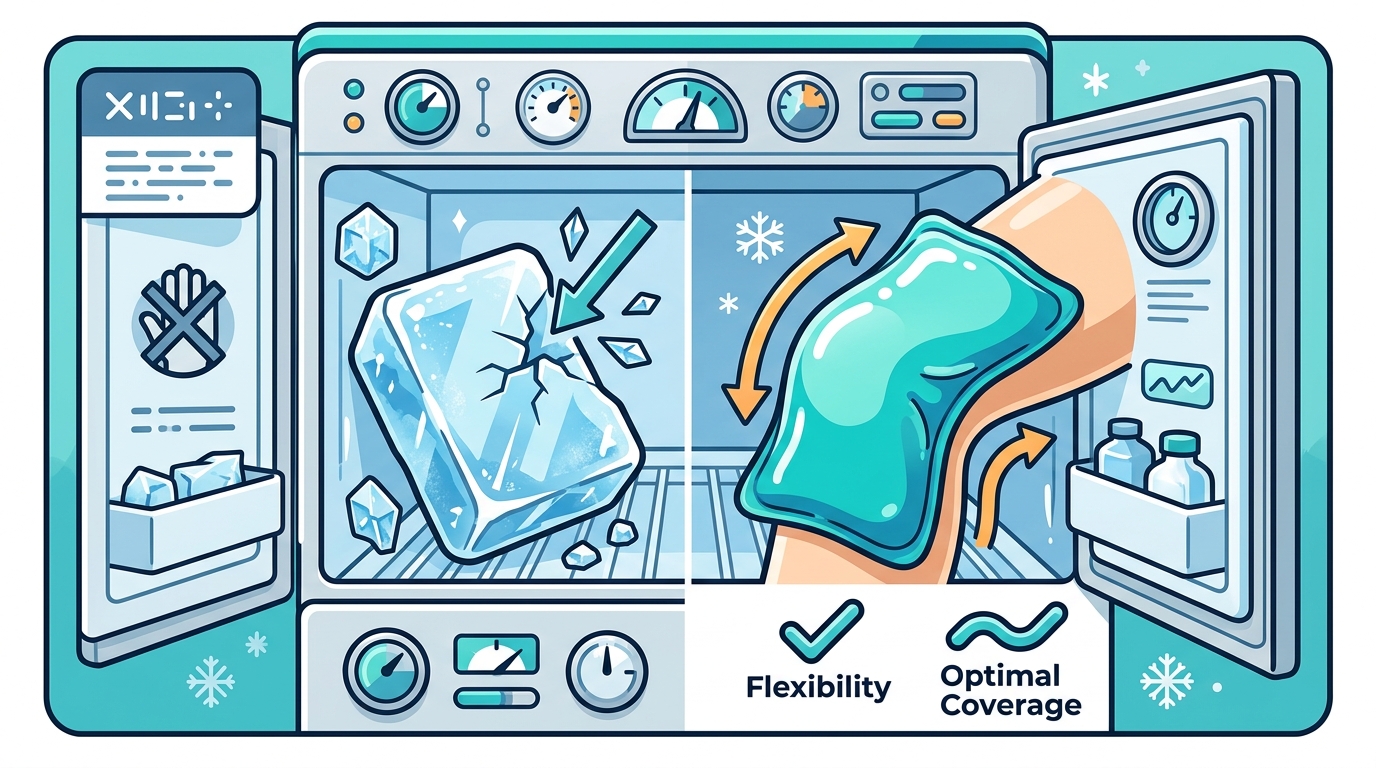
Soft-gel ice packs utilize a specialized polymer-based gel that remains pliable even at sub-zero temperatures. Unlike water-based ice packs that freeze into solid blocks, these gels are engineered to resist crystallization. This property allows the pack to mold around joints such as the knee, shoulder, and ankle. The ability to conform to the body ensures that the cold source remains in direct contact with the affected tissue, maximizing the vasoconstriction effect that reduces swelling.
Soft-gel packs are distinct from traditional gel packs because they do not require freezing for extended periods to become effective. They reach therapeutic temperatures quickly and maintain that cold state longer than standard ice cubes. This technology is particularly beneficial for users who need mobility while managing pain. A flexible pack stays in place during movement, whereas a hard pack tends to slide off or dig into the skin.
Key Selection Criteria for Flexible Packs
When selecting a soft-gel ice pack, several factors determine its performance and comfort. The material composition, thickness, and containment method are critical. You must evaluate the pack based on its intended use, whether for post-operative recovery or sports injury management.
Material Composition and Flexibility
The core of a high-quality soft-gel pack is a non-toxic, BPA-free gel. This gel must remain flexible at temperatures as low as zero degrees Fahrenheit. If the gel hardens, it loses its ability to conform to the body, reducing its therapeutic value. Look for products that explicitly state they remain flexible when frozen. Cool Relief offers a range of soft-gel options designed to meet this specific requirement.
Containment and Durability
The outer shell of the ice pack must be durable and leak-proof. It should withstand repeated freezing and thawing cycles without cracking or degrading. A strong, flexible fabric cover protects the gel core and provides a comfortable barrier against the cold. Some packs come with integrated straps or elastic sleeves to secure them in place. This feature is essential for active users who need hands-free pain management.
Size and Shape Compatibility
Choose a pack that matches the anatomy of the injured area. Knee packs are typically larger and contoured to fit around the patella. Shoulder packs are designed to drape over the deltoid muscle. Ankle packs are smaller and more compact. Using a pack that is too large or too small will result in poor contact and ineffective treatment. Explore specialized ankle and foot wraps for precise application on smaller joints.
Product Comparison: Gel vs. Traditional Ice
Understanding the differences between soft-gel packs and traditional ice methods helps in making an informed decision. Traditional ice requires preparation, such as bagging cubes or using a towel-wrapped block. Soft-gel packs are ready to use immediately after freezing.
| Feature | Soft-Gel Ice Pack | Traditional Ice Block |
|---|---|---|
| Flexibility When Frozen | High - Conforms to body | None - Rigid and hard |
| Preparation Time | Minimal - Just freeze | High - Requires bagging |
| Cold Retention | Longer duration | Shorter duration |
| Comfort Level | High - No pressure points | Low - Can cause ice burns |
| Reusability | Highly reusable | Single use (melts) |
Soft-gel packs provide a more consistent cold therapy experience. They eliminate the risk of ice burns caused by direct contact with hard ice. The even distribution of cold reduces the likelihood of tissue damage while maximizing pain relief. For those seeking premium comfort, reviewing the full collection of soft-gel products can help identify the best fit for your needs.
Proper Usage Protocols
Using a soft-gel ice pack correctly is as important as selecting the right one. Improper use can lead to skin damage or reduced efficacy. Follow these guidelines to ensure safe and effective cold therapy.
Preparation and Application
Before using the pack, ensure it is fully frozen. Place it in the freezer for at least four to six hours. If the pack is new, allow it to freeze for 24 hours to reach its maximum cold potential. Wrap the pack in a thin towel if you have sensitive skin. This barrier prevents direct contact with the cold surface and protects the skin from frostbite.
Duration and Frequency
Apply the ice pack to the injured area for 15 to 20 minutes at a time. Do not exceed 20 minutes, as prolonged exposure can cause rebound swelling or nerve damage. Remove the pack and allow the skin to return to normal temperature for at least one hour before reapplying. This cycle can be repeated every two to three hours during the first 48 hours after an injury.
Monitoring Skin Response
Check your skin regularly during application. If you experience numbness, intense burning, or redness, remove the pack immediately. These are signs of overexposure. The goal is to reduce inflammation without causing additional tissue injury. Consult the Pain Relief Guide for detailed instructions on managing specific types of injuries.
Maintenance and Care
To extend the lifespan of your soft-gel ice pack, proper maintenance is essential. Clean the outer cover regularly according to the manufacturer's instructions. Most covers are machine washable, but the gel core should never be submerged in water.
Inspect the pack for leaks or tears before each use. If the gel leaks, discard the pack immediately. Leaking gel can be messy and may lose its therapeutic properties. Store the pack in a dedicated freezer compartment to prevent contamination from food items. This ensures hygiene and maintains the pack's cold efficiency.
Key Takeaways
- Soft-gel ice packs remain flexible when frozen, allowing them to conform to body contours for better contact.
- Look for BPA-free, non-toxic gel cores that resist crystallization at sub-zero temperatures.
- Choose a pack size and shape that matches the specific joint or area being treated.
- Apply ice for 15 to 20 minutes at a time to avoid tissue damage and rebound swelling.
- Use a barrier towel to protect sensitive skin from direct cold exposure.
- Inspect packs for leaks and clean covers regularly to maintain hygiene.
- Soft-gel packs offer superior cold retention and comfort compared to traditional ice blocks.
Frequently Asked Questions
Do soft-gel ice packs stay flexible when frozen?
Yes, high-quality soft-gel ice packs are engineered to remain pliable and flexible even at freezing temperatures. This allows them to mold around joints and provide consistent cold therapy.
How long should I freeze a soft-gel ice pack?
Most soft-gel ice packs should be frozen for at least four to six hours. For new packs or those that have been at room temperature, freezing for 24 hours ensures maximum cold retention.
Can I use a soft-gel ice pack directly on my skin?
It is not recommended to place a frozen soft-gel ice pack directly on your skin. Always use a thin towel or cloth barrier to prevent ice burns and protect your skin from excessive cold.
How often should I replace my ice pack?
Soft-gel ice packs are durable and reusable. However, you should replace them if you notice leaks, tears, or a significant loss of flexibility. Regular inspection ensures safety and efficacy.
Are soft-gel ice packs safe for post-surgical recovery?
Yes, soft-gel ice packs are commonly used for post-surgical recovery. Their flexibility allows them to stay in place around incision sites without causing pressure points, reducing swelling and pain effectively.
What is the difference between a soft-gel pack and a gel insert?
A soft-gel pack is a complete unit with an outer cover, ready to use. A gel insert is a standalone gel core that must be placed inside a separate sleeve or wrap. Both offer similar cold therapy benefits, but inserts provide more customization options.
Can I use a soft-gel ice pack for heat therapy?
Many soft-gel packs are designed for both hot and cold therapy. They can be heated in a microwave or boiled to provide warm compresses. Check the product specifications to confirm if it is suitable for heat application.
Shop Now
Invest in your recovery with premium soft-gel ice packs that stay flexible when frozen. Visit Cool Relief to explore our comprehensive collection of cold therapy products. Our team is dedicated to providing high-quality solutions for pain relief and recovery. Browse our full catalog today and find the perfect ice pack for your needs.